Is Butter or Oil Better to Pan Sear Fish
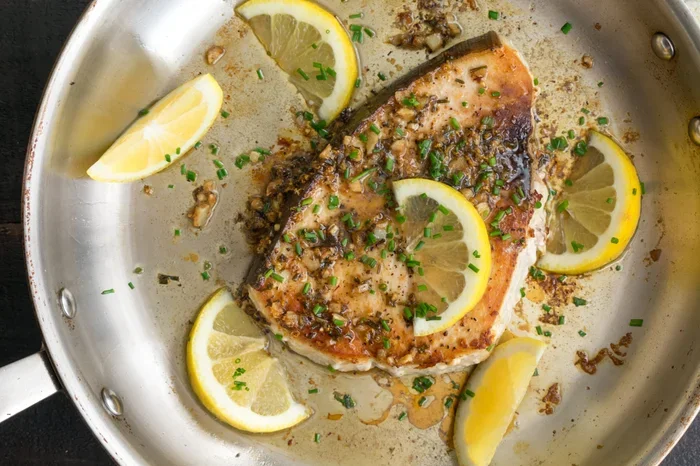
Butter gives fish a rich, golden crust and incredible flavor, but oil has a higher smoke point and is harder to burn. The best choice depends on your cooking method and skill level. Many home cooks use a mix of both for the perfect sear. Let us break down the pros and cons so you can decide what works best for your kitchen.
There is something deeply satisfying about a perfectly seared piece of fish. The outside is crispy and golden, and the inside is tender and flaky. But here is the question that sparks debate in kitchens everywhere: is butter or oil better to pan sear fish?
Some cooks swear by butter. They say it adds a depth of flavor that no other fat can match. Others prefer oil because it handles high heat without burning. The truth is, both have real strengths. And the right answer depends on a few simple factors that we will walk you through in this guide.
Whether you are a beginner in the kitchen or a seasoned home cook, understanding how fats behave on a hot pan will change the way you cook fish forever. Let us dive in and settle this debate once and for all.
Key Takeaways
- Butter adds amazing flavor: It creates a rich, golden crust that makes fish taste incredible.
- Oil has a higher smoke point: It is more forgiving and less likely to burn during high-heat cooking.
- A butter-oil blend is often the best of both worlds: You get flavor without the risk of burning.
- The type of fish matters: Delicate fillets need different treatment than thick, sturdy cuts.
- Pan temperature is critical: Getting the heat right makes more difference than the fat you choose.
- Skin-on fish crisps better in oil: Oil helps render the skin evenly for a crunchy texture.
📑 Table of Contents
- Why the Fat You Choose Matters When Pan Searing Fish
- Butter vs Oil: A Side-by-Side Comparison
- The Best Approach: A Butter-Oil Blend
- Best Practices for Pan Searing Fish Perfectly
- Which Fish Works Best for Pan Searing
- Common Mistakes to Avoid When Pan Searing Fish
- Final Thoughts on Butter vs Oil for Pan Searing Fish
Why the Fat You Choose Matters When Pan Searing Fish
Pan searing is all about high heat and a thin layer of fat. The fat conducts heat to the surface of the fish, creating that beautiful golden crust. Without enough fat, the fish sticks to the pan and cooks unevenly. With the wrong fat, you end up with a burnt, bitter mess.
The fat you choose affects three key things:
- Flavor: Butter adds a creamy, nutty richness that complements fish beautifully.
- Smoke point: This is the temperature at which a fat starts to break down and smoke. Butter has a lower smoke point than most oils.
- Crispiness: The right fat helps the skin or exterior turn perfectly crispy without overcooking the inside.
Understanding these three factors will help you pick the right fat every single time. Let us look at each option in detail.
The Case for Butter When Pan Searing Fish
Butter is the classic choice for searing fish in many kitchens around the world. French chefs have used it for centuries, and for good reason. Butter creates a gorgeous brown crust that adds a layer of flavor oil simply cannot replicate.
Here is what makes butter special:
- Rich flavor: Butter contains milk solids that brown quickly and add a nutty, complex taste to fish.
- Low smoke point: Pure butter smokes around 300°F (150°C). This means it burns easily at the high temperatures needed for searing.
- Better for thin fillets: Because butter burns fast, it works best when you cook fish quickly over medium-high heat.
- Great for finishing: A spoonful of butter basted on the fish at the end adds a luxurious touch.
The biggest downside of butter is that it burns easily. Once butter burns, it turns black and bitter, and there is no saving it. You need to watch the pan closely and keep the heat moderate. If you have ever had a piece of fish that tasted acrid and dark, burnt butter was likely the culprit.
One smart trick is to use brown butter. You heat the butter until the milk solids turn golden brown, then add the fish. This gives you a deeper, nuttier flavor without as much risk of burning. Brown butter is a game-changer for pan-seared fish.
The Case for Oil When Pan Searing Fish
Oil is the practical choice for most home cooks. It has a higher smoke point, which means it can handle the heat of a hot pan without burning as quickly. This makes oil more forgiving, especially for beginners who are still learning to control the stove.
Here is why oil works so well for searing fish:
- Higher smoke point: Most cooking oils smoke between 400°F and 500°F (200°C to 260°C), giving you a wider safe cooking range.
- Less risk of burning: Oil stays stable longer, so you can focus on getting the fish golden without worrying about the fat turning bitter.
- Better for crispy skin: Oil helps render fish skin evenly, creating that satisfying crunch everyone loves.
- Neutral flavor options: Oils like canola or grapeseed do not overpower the natural taste of the fish.
Not all oils are the same, though. Olive oil is a popular choice because it adds a subtle fruity flavor. Avocado oil has one of the highest smoke points, making it excellent for very hot pans. Coconut oil gives a slight sweetness that pairs well with certain types of fish.
If you want a crispier result with less mess, oil is generally the safer bet. It is also easier to control, which makes it ideal if you are still building your confidence in the kitchen.
Butter vs Oil: A Side-by-Side Comparison
Let us put butter and oil head to head so you can see the differences clearly.
- Flavor: Butter wins for richness and depth. Oil wins for letting the fish’s natural taste shine through.
- Smoke point: Oil wins easily. Butter burns at lower temperatures, which can ruin your dish.
- Ease of use: Oil is more forgiving. Butter requires more attention and quick action.
- Crispiness: Both can create a great sear, but oil is more consistent for crispy skin.
- Health profile: Olive oil contains healthy monounsaturated fats. Butter is higher in saturated fat but adds flavor that may help you eat less overall.
- Cost: Butter is generally more expensive per cooking use than most cooking oils.
Neither option is clearly better in every category. The best choice depends on your priorities. If flavor is your top goal, butter is hard to beat. If you want ease and consistency, oil is the way to go.
The Best Approach: A Butter-Oil Blend
Here is a secret that professional chefs use all the time: combine butter and oil. This is the best of both worlds. You get the rich flavor of butter with the higher smoke point of oil.
Here is how to do it:
- Heat your pan over medium-high heat.
- Add a tablespoon of oil with a high smoke point, like avocado or grapeseed oil.
- Once the oil is hot, add a tablespoon of butter.
- Let the butter foam but not brown.
- Place the fish gently in the pan, away from you to avoid splatter.
The oil keeps the butter from burning, while the butter infuses the fish with incredible flavor. This method works beautifully for most types of fish fillets and is the approach we recommend for most home cooks.
If you have ever wondered why restaurant fish tastes so much better than what you make at home, this technique is a big reason why. It is simple, effective, and takes your searing game to the next level.
Best Practices for Pan Searing Fish Perfectly
No matter which fat you choose, a few key techniques will improve your results dramatically. These tips apply whether you are using butter, oil, or a blend.
Dry the Fish Before Cooking
This is the single most important step. Moisture is the enemy of a good sear. If the surface of the fish is wet, it will steam instead of sear, and you will never get that crispy crust.
Use paper towels to pat the fish dry on both sides. If your fish has skin, dry it thoroughly. Some cooks even let the fish sit uncovered in the fridge for 20 minutes before cooking to draw out excess moisture. This small step makes a huge difference.
Get the Pan Hot
A hot pan is essential for a good sear. Heat the pan over medium-high heat for about one to two minutes before adding any fat. Then add your butter, oil, or blend and let it heat until it shimmers.
If you are using butter, watch for the foam to subside. That is your signal that the pan is ready. If the butter starts turning brown too quickly, pull the pan off the heat for a moment.
Do Not Move the Fish
Once the fish hits the pan, leave it alone. Moving it around prevents the crust from forming properly. Let it cook undisturbed for about three to four minutes on the first side. You will know it is ready to flip when the fish releases easily from the pan.
Season Simply
Good seasoning enhances fish without overpowering it. Salt and pepper are the foundation. A squeeze of lemon after cooking adds brightness. Fresh herbs like dill or parsley work beautifully as a finishing touch.
Which Fish Works Best for Pan Searing
Not all fish are created equal when it comes to pan searing. Some hold together beautifully, while others fall apart the moment they hit the pan. Here are some great options:
- Salmon: Thick fillets with skin hold up perfectly to high heat and render a crispy exterior.
- Halibut: Firm and meaty, halibut develops a beautiful golden crust when seared in butter or oil.
- Sea Bass: Delicate but firm enough to sear well, especially when skin-on.
- Cod: A classic choice that pairs wonderfully with a butter finish.
- Trout: Thin fillets cook quickly and benefit from a blend of butter and oil.
Thin or delicate fish like tilapia can be tricky. They tend to overcook quickly and may stick to the pan. If you are cooking thin fillets, use oil and keep a close eye on the heat.
Also, if you enjoy catching your own fish, knowing the best conditions for a successful trip helps. Fishing during cloudy weather or during the right tide can make a big difference in your catch. Check out our guides on is it better to fish when cloudy or sunny and is it better to fish outgoing or incoming tide for helpful tips.
For those who are curious about the nutritional side, fish is packed with omega-3 fatty acids that support heart and brain health. If you want to learn more about supplementing your diet, our article on which is better to take fish oil or krill oil breaks down the options clearly.
Common Mistakes to Avoid When Pan Searing Fish
Even experienced cooks make mistakes sometimes. Here are the most common ones and how to avoid them:
- Using a cold pan: A cold pan causes the fish to stick and cook unevenly. Always preheat your pan first.
- Overcrowding the pan: Too many fillets at once drops the temperature and causes steaming instead of searing. Cook in batches if needed.
- Using too much fat: You only need a thin layer. Excess fat pools and makes the fish greasy rather than crispy.
- Cooking on too high heat: Burnt butter or smoking oil ruins the flavor instantly. Medium-high heat is your sweet spot.
- Flipping too early: The fish needs time to develop a crust. Wait until it releases naturally before flipping.
Avoiding these simple mistakes will elevate your pan-seared fish from good to restaurant-quality. Practice these techniques a few times, and they will become second nature.
Final Thoughts on Butter vs Oil for Pan Searing Fish
So, is butter or oil better to pan sear fish? The honest answer is that both have a place in your kitchen. Butter delivers unmatched flavor and a beautiful golden finish. Oil offers reliability, a higher smoke point, and consistent crispiness.
For everyday cooking, we recommend using a blend of both. It gives you the best flavor and the best results with very little extra effort. If you are in a rush or cooking for beginners, plain oil is the safer and simpler choice.
The most important thing is to cook with confidence. A well-seared piece of fish is one of the quickest and most impressive dishes you can make at home. With the right fat, the right heat, and a little practice, you will be serving up crispy, flavorful fish that everyone will love.
Start with the tips in this guide, experiment with both butter and oil, and find your personal preference. Cooking should be fun, and pan-searing fish is one of the most rewarding skills you can build in the kitchen. Happy cooking!
Frequently Asked Questions
Can you use butter and oil together to pan sear fish?
Yes, combining butter and oil is one of the best methods for pan searing fish. The oil raises the smoke point so the butter does not burn, while the butter adds rich flavor. Use about one tablespoon of each for a standard fish fillet.
What is the best oil for pan searing fish?
Avocado oil, grapeseed oil, and olive oil are all excellent choices. They have high smoke points and neutral or complementary flavors. Avoid extra virgin olive oil for high-heat searing because it has a lower smoke point than refined olive oil.
Does butter burn when pan searing fish?
Yes, butter can burn easily because of its milk solids. It has a lower smoke point than most oils, so you need to watch it closely. Using a butter-oil blend or keeping the heat at medium-high helps prevent burning.
Is it better to pan sear fish with the skin on or off?
Skin-on fillets are generally better for pan searing. The skin protects the fish and renders into a crispy, delicious layer. Make sure the skin is dry and place the fish skin-side down first for the best results.
What temperature should the pan be for pan searing fish?
Medium-high heat is ideal. You want the pan hot enough to sizzle the moment the fish touches the surface but not so hot that the fat burns. A shimmering thin layer of fat is your sign that the pan is ready.
Can you pan sear frozen fish?
It is not recommended. Frozen fish has too much moisture, which prevents a good sear and leads to uneven cooking. Always thaw fish completely and pat it dry before pan searing for the best texture and flavor.
=== CONCLUSION ===
The debate between butter and oil for pan searing fish is not about picking a winner. It is about understanding what each fat brings to the table and choosing the right tool for the job at hand. Butter is your go-to for flavor and elegance, while oil is your reliable partner for consistent, foolproof results. And when you combine the two, you get the best of both worlds.
Now that you know the strengths of each option, you are equipped to make the best choice for your next fish dinner. Try both methods, pay attention to how the fish responds, and trust your instincts. With these tips, every pan-seared fish you cook will be a success.