How to Treat Mouth Fungus on Betta Fish
Mouth fungus on betta fish is a common but treatable fungal infection that appears as a white or gray cotton-like growth around the mouth and fins. Early detection and proper treatment with antifungal medication, salt baths, and improved water quality can clear the infection within one to two weeks. This guide covers symptoms, causes, effective treatments, and simple prevention steps to keep your betta healthy.
Mouth fungus on a betta fish can look really scary. One day your fish looks fine, and the next you notice a white or gray fuzzy growth around its mouth. It might look like cotton fibers stuck to your fish’s face. This is a fungal infection that many betta owners face at some point. The good news is that it is very treatable, especially when you catch it early.
In this guide, we will walk you through everything you need to know about how to treat mouth fungus on betta fish. You will learn to spot the symptoms fast, understand what causes it, and follow step-by-step treatment methods that really work. We also share simple prevention tips so the fungus never comes back.
Whether you are a beginner or a seasoned betta keeper, this article gives you practical advice you can use right away. Let us get started.
Key Takeaways
- Quick Action Matters: Treating mouth fungus early prevents it from spreading to the gills and body.
- Salt Baths Work: Aquarium salt is a simple, effective first-line treatment for mild fungal infections.
- Water Quality Is Key: Poor water conditions are the leading cause of fungal outbreaks in betta fish.
- Antifungal Medications Help: Products like tetracycline and methylene blue can treat moderate to severe cases.
- Prevention Is Easy: Regular tank maintenance and low-stress environments keep fungus from returning.
- Quarantine Sick Fish: Isolating infected bettas protects other fish in your aquarium.
- Diet Supports Recovery: A balanced diet boosts immunity and speeds up healing.
📑 Table of Contents
- What Is Mouth Fungus on Betta Fish?
- What Causes Mouth Fungus in Betta Fish?
- How to Treat Mouth Fungus on Betta Fish
- How Long Does Treatment Take?
- Preventing Mouth Fungus in the Future
- Common Mistakes to Avoid
- Expert Insights: Why Fungus Targets Sick Fish
- When to See a Vet
- Final Thoughts on Treating Mouth Fungus
What Is Mouth Fungus on Betta Fish?
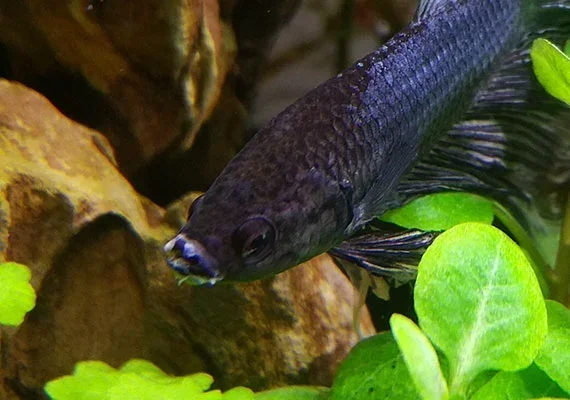
Mouth fungus is a fungal infection caused by bacteria from the genus Flexibacter. It often appears as a white or grayish coating around the mouth, lips, and sometimes the gills. Many fish owners mistake it for ick or white spots, but fungus looks different. It has a fluffy, cotton-like texture that clings to the skin.
This condition is also sometimes called mouth rot or columnaris. It thrives in dirty water and affects fish with weak immune systems. While it is not the most deadly betta fish disease, it can become serious if you ignore it. The fungus can spread to the gills and eventually make it hard for your fish to breathe or eat.
How to Tell It Apart from Other Infections
It is easy to confuse mouth fungus with other conditions. Here is a quick comparison:
- Mouth Fungus: White or gray cotton-like patches around the mouth. Spreads slowly. Fish may lose appetite.
- Ick (White Spot Disease): Tiny white dots all over the body. Fish scratches against objects. Spreads quickly.
- Fin Rot: Ragged, discolored fins that slowly dissolve. Caused by bacteria, not fungus.
- Dropsy: Swollen body with raised scales. Very serious and often fatal.
Getting the right diagnosis matters because each condition needs a different treatment. If you are unsure, look closely at the texture and location of the growth. Cottony and around the mouth means fungus.
What Causes Mouth Fungus in Betta Fish?
Understanding the root cause helps you treat the infection and prevent it from coming back. Fungus is almost always a sign that something in the tank environment is off.
Poor Water Quality
The number one cause of mouth fungus is dirty water. When ammonia and nitrite levels rise, your betta’s immune system weakens. Fungus spores that are always present in the water take advantage of this weakness and start to grow. Regular water changes and proper filtration are your best defense.
Stress and Low Immunity
Stressed fish get sick more easily. Overcrowded tanks, aggressive tank mates, and sudden temperature changes all cause stress. If your betta is already dealing with another illness, its body has fewer resources to fight off fungal infections. You can learn more about helping a stressed betta recover in our guide on how to treat a stressed betta fish.
Physical Injuries
Open wounds from sharp decorations or fights with other fish create entry points for fungus. Even a small scrape near the mouth can become infected. Bettas with long fins like the veiltail variety may be more prone to injuries simply because their fins drag on decorations.
Poor Diet and Nutrition
A betta that does not get proper nutrition has a weaker immune system. Feeding only dry flakes or giving too little food leaves your fish vulnerable. A varied diet with high-quality pellets, frozen bloodworms, and brine shrimp keeps your betta strong and ready to fight off infections.
How to Treat Mouth Fungus on Betta Fish
Now for the most important part. Treating mouth fungus requires a combination of approaches. The sooner you start, the better the outcome. Here are the most effective methods.
Method 1: Aquarium Salt Bath
A salt bath is often the first treatment to try. Salt creates a hostile environment for fungus and helps your betta heal. This is a gentle, affordable method that works well for mild cases.
Here is how to do it:
- Fill a separate container with dechlorinated water at the same temperature as your main tank.
- Add one teaspoon of aquarium salt per gallon of water.
- Place your betta in the salt bath for 10 to 15 minutes.
- Watch your fish closely. If it shows signs of distress, return it to the main tank immediately.
- Repeat this process once a day for 5 to 7 days.
You can read a detailed guide on performing salt baths safely in our article on how to salt bath betta fish. Always use pure aquarium salt, not table salt, which contains additives that harm fish.
Method 2: Antifungal Medication
For moderate to severe cases, medication is necessary. Several over-the-counter treatments work well against mouth fungus:
- Tetracycline: A broad-spectrum antibiotic that targets the bacteria causing fungal growth. Learn more about using it in our guide on how to use tetracycline for betta fish.
- Methylene Blue: A classic antifungal treatment that is safe for most fish. Add it to the tank following the dosage instructions on the bottle.
- Melafix: A natural botanical treatment made by API that helps heal fungal and bacterial infections.
Always quarantine your betta in a separate tank when using medication. This protects your biological filter and keeps other fish safe. Follow the dosage instructions exactly. Overdosing can harm your betta more than the fungus itself.
Method 3: Improve Water Conditions
No treatment will work long-term if the water quality stays poor. Start by testing your water parameters. Ammonia and nitrite should always read zero. Nitrate should be below 20 ppm.
Here are quick steps to improve your water:
- Do a 25 to 50 percent water change immediately.
- Vacuum the gravel to remove debris and waste.
- Check your filter and clean or replace the media if needed.
- Test the temperature. Bettas thrive between 78 and 80 degrees Fahrenheit.
- Add a water conditioner to remove chlorine and chloramine from tap water.
Clean, stable water gives your betta the best chance to fight off the infection naturally. You can find more tips on maintaining healthy water in our article on how to take care of betta fish water.
Method 4: Boost Your Betta’s Immune System
A strong immune system is your betta’s best weapon against fungus. You can boost it with a few simple changes:
- Feed high-quality food with variety. Pellets, frozen foods, and live foods all work well.
- Keep the tank temperature stable. Fluctuations stress the fish and lower immunity.
- Add Indian almond leaves or catappa leaves to the water. These release natural compounds that support fish health.
- Keep the tank in a quiet area away from loud noises and sudden vibrations.
These small changes make a big difference over time. A healthy betta can often fight off mild fungal infections on its own.
How Long Does Treatment Take?
Recovery time depends on how severe the infection is and how quickly you start treatment. Mild cases often improve within 3 to 5 days of salt baths and water changes. Moderate infections treated with medication usually clear up within 7 to 14 days. Severe cases where the fungus has spread to the gills may take longer and require close monitoring.
Watch your betta closely during treatment. Look for these signs of improvement:
- The white growth starts to shrink.
- Your betta begins eating again.
- The fins hold their shape and do not look clamped.
- The cotton-like texture fades away.
If you do not see improvement after 7 days, consider switching to a stronger medication or consulting a fish veterinarian. Sometimes a combination of salt baths and medication works best.
Preventing Mouth Fungus in the Future
Prevention is always easier than treatment. Once your betta recovers, take these steps to keep fungus from returning.
Maintain a Clean Tank
Stick to a regular water change schedule. A 25 percent water change every week is ideal for most betta setups. Clean excess food and waste from the substrate during each change. A clean tank means fewer fungus spores floating around.
Avoid Overcrowding
Bettas are solitary fish and do best alone. Adding too many fish to a tank increases waste and stress. If you keep other species with your betta, make sure the tank is large enough and the tank mates are peaceful.
Feed a Balanced Diet
Variety is the key to a strong immune system. Rotate between high-quality pellets, frozen brine shrimp, bloodworms, and daphnia. Do not overfeed. Uneaten food rots in the water and raises ammonia levels fast.
Monitor Water Parameters Regularly
Get a simple liquid test kit and check your water weekly. Ammonia, nitrite, and nitrate levels tell you a lot about your tank health. Catching a spike early can prevent a whole range of diseases, not just fungus.
Quarantine New Fish
If you ever add a new fish to your tank, keep it in a separate quarantine tank for at least two weeks. This lets you observe the fish for any signs of disease before introducing it to your betta. Many fungal outbreaks start with a new, seemingly healthy fish that was carrying spores.
Common Mistakes to Avoid
Even well-meaning betta owners make mistakes when treating mouth fungus. Here are the most common ones:
- Using table salt instead of aquarium salt: Table salt contains iodine and anti-caking agents that harm fish. Always use pure aquarium salt.
- Treating too late: Many owners wait until the fungus covers the mouth completely. By then, the infection is harder to treat. Start at the first sign of white growth.
- Overmedicating: More medication does not mean faster healing. It can actually harm your fish and damage the beneficial bacteria in your tank.
- Ignoring water changes: Medication treats the symptoms, but dirty water keeps causing the problem. Always pair treatment with better water care.
- Treating in the main display tank: Medications can harm your biological filter and affect other tank mates. Always use a quarantine tank.
Expert Insights: Why Fungus Targets Sick Fish
Fungus is an opportunistic pathogen. This means it does not usually attack healthy fish. It goes after fish that are already weak or stressed. Think of it like a cold virus in humans. Most people carry the virus, but only those with low immunity actually get sick.
The same principle applies to betta fish. A betta living in clean water with a good diet and low stress rarely gets mouth fungus. But a betta in a dirty tank with poor nutrition becomes an easy target. This is why water quality and overall care are so important. They build your fish’s natural defenses.
If your betta has recurring fungal infections, it is a sign that something in the tank environment needs attention. Look at the water parameters, the diet, and the stress levels. Addressing the root cause is the only way to stop the cycle.
When to See a Vet
Most cases of mouth fungus can be treated at home. However, there are times when professional help is needed. Contact a fish veterinarian if:
- The fungus spreads despite treatment after 7 to 10 days.
- Your betta stops eating completely for more than two days.
- The infection reaches the gills, causing rapid or labored breathing.
- You notice open sores or red patches along the body.
- Your betta becomes lethargic and stays at the bottom of the tank.
A vet can prescribe stronger medications or run tests to check for underlying health issues. Do not wait too long. The faster you act, the better your betta’s chances of a full recovery.
Final Thoughts on Treating Mouth Fungus
Dealing with mouth fungus on your betta fish can be stressful, but it is absolutely manageable. The key is to act fast, use the right treatment, and improve your fish’s environment at the same time. Salt baths, antifungal medication, clean water, and a strong immune system work together to defeat this infection.
Remember that prevention is your long-term best friend. A clean tank, proper feeding, and low-stress conditions keep your betta healthy and fungus-free. Your betta depends on you for its well-being, and with the knowledge you have gained today, you are well equipped to give it the care it deserves.
Stay patient during treatment. Healing takes time, and your betta will thank you with bright colors and energetic swimming once it recovers. Keep learning, keep caring, and your betta will thrive.
Frequently Asked Questions
What does mouth fungus look like on a betta fish?
Mouth fungus appears as white or gray cotton-like patches around the mouth and lips. It has a fluffy texture that looks like tiny bits of cotton stuck to your fish. In early stages, it may look like a thin film, but it grows thicker if left untreated.
Can mouth fungus kill a betta fish?
Yes, if left untreated, mouth fungus can spread to the gills and body, making it hard for your betta to breathe and eat. This can eventually become fatal. However, with prompt treatment, most bettas recover fully within one to two weeks.
Is mouth fungus contagious to other fish?
Mouth fungus is not highly contagious, but it can spread to other fish in the same tank if conditions are poor. Fungus spores are always present in the water, and stressed or sick fish are most vulnerable. Quarantining infected fish is the best way to protect your other pets.
Can I use salt alone to treat mouth fungus?
Salt baths work well for mild cases of mouth fungus. Use one teaspoon of aquarium salt per gallon in a separate treatment container for 10 to 15 minutes daily. For moderate to severe infections, combine salt baths with antifungal medication for the best results.
How can I tell if the treatment is working?
You should see the white growth shrinking within 3 to 5 days of starting treatment. Your betta will also start eating again and become more active. If there is no improvement after 7 days, consider switching to a stronger medication or consulting a vet.
What is the best water temperature for treating mouth fungus?
Keep the water between 78 and 80 degrees Fahrenheit during treatment. This temperature range supports your betta’s immune system and helps the medication work effectively. Avoid sudden temperature changes, as this adds stress to your fish.
=== CONCLUSION ===
Treating mouth fungus on betta fish is straightforward when you know what to do. Start with a salt bath, improve your water quality, and use antifungal medication if needed. Watch for signs of improvement and adjust your approach as needed. Most importantly, focus on prevention through clean water, good nutrition, and a low-stress environment. Your betta fish can live a long, healthy, and fungus-free life with the right care and attention.