How to Tell If Your Betta Fish Has Parasites
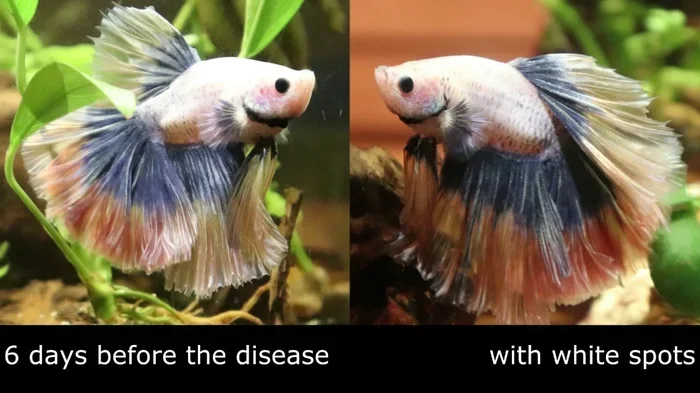
Knowing how to tell if your betta fish has parasites is essential for every fish owner. Look for visible worms, white spots, flashing behavior, and appetite loss as key warning signs. Early detection and proper treatment can save your betta fish from serious health problems.
Your betta fish is more than just a pet. It is a living creature that depends on you for its health and happiness. One of the biggest threats to your betta fish is parasites. These tiny organisms can cause serious harm if you do not catch them in time.
So, how do you tell if your betta fish has parasites? The good news is that your fish gives you plenty of warning signs. From changes in appearance to shifts in behavior, your betta will try to tell you something is wrong. This guide walks you through every sign, symptom, and treatment option you need to know.
Whether you are a new betta fish owner or have kept fish for years, understanding parasite symptoms in betta fish is crucial. You do not need a veterinary degree to spot the problem. With the right knowledge, you can catch parasites early and get your fish feeling better fast.
Key Takeaways
- Visible signs matter: White spots, thread-like worms, and redness are clear clues your betta fish may have parasites.
- Behavior changes are early warning signals: Flashing, lethargy, and hiding indicate something is wrong with your betta fish health.
- Quick action prevents spread: Treating parasites early stops them from harming other fish in your tank.
- Clean water is your first defense: Regular water changes and tank maintenance reduce the risk of parasite outbreaks.
- Quarantine new fish before adding them: This simple step keeps your main tank safe from introduced parasites.
- Multiple treatment options exist: From medication to natural remedies, you have several ways to fight betta fish parasites effectively.
📑 Table of Contents
What Are Betta Fish Parasites?
Parasites are organisms that live on or inside your betta fish and feed off its body. They come in many forms. Some are tiny and hard to see. Others are large enough to spot with the naked eye. Understanding the types of parasites that affect betta fish helps you identify the problem faster.
Common Types of Betta Fish Parasites
Not all parasites are the same. Here are the most common ones that affect betta fish:
- External parasites: These live on the outside of the fish. Anchor worms, fish lice, and gill flukes fall into this category. You can often see them with the naked eye.
- Internal parasites: These live inside the fish’s body. They include roundworms, tapeworms, and protozoa. You usually cannot see them without a microscope.
- Single-celled parasites: Organisms like Ich (white spot disease) and velvet disease are caused by tiny protozoa. They are among the most common betta fish health problems.
- Fungal parasites: While technically different from true parasites, fungal infections often look and behave similarly. They appear as white or gray cotton-like growths on the fish.
Each type of parasite causes different symptoms. Some attack the gills. Others burrow into the skin. Knowing what to look for makes all the difference when you are trying to tell if your betta fish has parasites.
How to Tell If Your Betta Fish Has Parasites
This is the section you came here for. Let us break down the most reliable signs of parasites in betta fish. Watch for these clues every time you check on your fish.
Visible White Spots or Dusty Coating
One of the most obvious signs is white spots on betta fish. If you see tiny white dots scattered across the body and fins, your fish likely has Ich. This is one of the most well-known betta fish parasites. The spots look like grains of salt stuck to the fish. In more advanced cases, the coating may look dusty or fuzzy rather than spotty.
Another condition called velvet disease creates a gold or rust-colored dusting on the skin. Both Ich and velvet are caused by single-celled parasites that attach to the fish. They are highly contagious and spread fast through a tank.
Thread-Like Worms or Small Creatures on the Body
If you see tiny, thread-like worms hanging from your betta fish, you are likely dealing with anchor worms. These parasites burrow into the skin and feed on the fish’s blood and tissues. They look like small white or green threads sticking out from the body.
You might also notice small, almost transparent creatures crawling on the fish. These could be fish lice or other external parasites. They are flat, oval-shaped, and move around on the fish’s body. Seeing any of these creatures is a clear sign that your fish needs treatment.
Flashing and Flicking Behavior
Have you ever seen your betta fish rub its body against rocks, gravel, or tank decorations? This behavior is called flashing. It is one of the earliest and most common signs of external parasites. The fish does this because parasites are causing irritation on its skin or gills.
Flashing looks like a quick, darting motion. The fish will suddenly jerk or rub against objects in the tank. Occasional flashing might not be a big deal. But if your betta fish does it repeatedly, parasites are very likely the cause.
Loss of Appetite and Weight Loss
A healthy betta fish has a strong appetite. If your fish suddenly stops eating or eats very little, something is wrong. Internal parasites often cause appetite loss in betta fish. The parasites steal nutrients from the fish’s body, leaving it weak and thin.
You might notice your betta fish looking gaunt or sunken around the belly area. In some cases, the fish may still try to eat but spit the food out. This is a red flag for parasite infection in betta fish. Check the other signs on this list to confirm your suspicion.
Lethargy and Hiding More Than Usual
Betta fish are naturally curious and active. They swim around the tank, explore plants, and interact with their environment. When parasites drain their energy, betta fish become lethargic. They may spend more time hiding behind decorations or resting at the bottom of the tank.
If your normally playful fish suddenly becomes withdrawn, do not ignore it. Lethargy combined with any other sign on this list strongly suggests a parasite problem. The earlier you act, the better the chances of a full recovery.
Clamped Fins and Rapid Breathing
Pay close attention to your betta fish fins and gills. Clamped fins mean the fish holds its fins close to its body instead of spreading them out. This is a sign of discomfort or stress. Many betta fish diseases, including parasitic infections, cause clamped fins.
Rapid breathing or gasping at the water surface is another warning sign. When parasites attack the gills, the fish struggles to breathe properly. If you count more than 40-50 gill movements per minute, your fish is in distress. This often points to gill flukes or other gill-attacking parasites in betta fish.
Redness, Inflammation, and Sores
Parasites damage the fish’s skin and gills. This damage leads to visible redness and inflammation. You might notice patches of red skin, swollen areas, or small sores on the body. These open wounds also invite secondary bacterial infections.
Red streaks along the body or fins are particularly concerning. While they can also signal bacterial infections, they often accompany parasitic infestations. Check for other signs alongside the redness to get a clearer picture of what is affecting your fish.
Common Causes of Parasites in Betta Fish
Understanding where parasites come from helps you prevent future outbreaks. Most parasite problems do not appear out of nowhere. There are clear causes that you can address.
Poor Water Quality
Dirty water is the number one enemy of betta fish health. When ammonia and nitrite levels rise in the tank, the fish becomes stressed. A stressed fish has a weakened immune system, making it an easy target for parasites. Regular water changes and proper filtration are your best defenses.
Introducing New Fish Without Quarantine
Adding new fish directly to your main tank is risky. New fish can carry parasites that spread to your existing betta. Always quarantine new fish for at least two weeks before introducing them to your main display tank. This simple step prevents many parasite outbreaks.
Live Food and Contaminated Decorations
Feeding your betta live food like brine shrimp or bloodworms can introduce parasites if the food is not from a clean source. Similarly, adding decorations, plants, or substrate from another tank without cleaning them properly can bring parasites into your setup.
Stress and Weakened Immune System
Betta fish kept in small bowls, tanks with aggressive tankmates, or environments with sudden temperature changes are chronically stressed. A stressed fish cannot fight off parasitic infections effectively. Keeping your betta fish in a proper-sized tank with stable conditions strengthens its immune system.
How to Treat Parasites in Betta Fish
Once you confirm your betta fish has parasites, you need to act quickly. The right treatment depends on the type of parasite. Here are the most effective approaches.
Medicated Treatments
Over-the-counter medications work well for most betta fish parasites. Look for treatments that target the specific parasite you identified:
- For Ich: Raise the tank temperature to 78-80°F and use an Ich-specific medication containing malachite green or formalin.
- For Velvet: Use copper-based medications or specialized velvet treatments. Dim lighting helps because velvet parasites are light-sensitive.
- For Anchor Worms and Fish Lice: Manually remove visible parasites with tweezers, then treat the tank with a broad-spectrum antiparasitic medication.
- For Internal Parasites: Medicated food or water-soluble treatments containing metronidazole or praziquantel work well for internal parasites in betta fish.
Always follow the dosage instructions on the medication package. Overdosing can harm your fish. If you are unsure, consult with a fish veterinarian or experienced aquarist.
Salt Baths and Natural Remedies
Some fish owners prefer natural approaches. Aquarium salt can help treat certain external parasites. A short salt bath (using non-iodized aquarium salt at the proper concentration) can loosen parasites from the fish’s body and support gill function.
Indian almond leaves and tannins in the water also create a mild antiparasitic environment. While these methods work for mild cases, severe infestations usually require stronger medication.
Water Changes and Tank Maintenance
No matter which treatment you use, improving water quality is essential. Perform a 25-30% water change before starting treatment. This removes waste and reduces the parasite load in the water. Continue with regular water changes during treatment to support your betta fish recovery.
If you are treating the main tank, remove any chemical filter media before adding medication. Carbon and other media can absorb the medication and reduce its effectiveness.
Preventing Parasites in Your Betta Fish Tank
Prevention is always better than cure. Once your betta fish recovers from a parasitic infection, you want to make sure it never happens again. Here are proven prevention strategies.
- Quarantine all new fish and plants for at least two weeks before adding them to your main tank.
- Perform regular water changes of 20-25% every week to maintain clean water conditions.
- Do not overfeed your betta fish. Excess food decays and pollutes the water, weakening your fish’s defenses.
- Keep the tank temperature stable. Sudden drops in temperature stress betta fish and make them vulnerable to parasite outbreaks.
- Avoid overcrowding the tank. A stressed environment breeds parasites and disease quickly.
- Inspect your betta fish regularly. A quick visual check during feeding helps you catch problems early. If you notice any unusual signs, check how to tell if your betta fish is sick for additional guidance.
Building a strong bond with your betta fish through regular interaction also helps. When you spend time observing your fish daily, you notice subtle changes in behavior and appearance that signal the early stages of a problem.
Remember that a healthy betta fish has a much stronger immune system. Provide a clean tank, proper nutrition, and stable conditions, and your fish will be far less likely to fall victim to parasites. For more tips on keeping your betta fish in top shape, check out our guide on how to make your betta fish healthy again.
When to Seek Professional Help
Most betta fish parasite problems can be treated at home with over-the-counter medications and good water care. However, some situations require professional help. If your fish stops eating completely, shows severe physical damage, or does not improve after a week of treatment, it is time to consult a fish veterinarian.
Also, if multiple fish in your tank show signs of infection, the problem may be more serious than a simple parasite. Some betta fish diseases can spread rapidly and need aggressive intervention. Do not wait until it is too late. Early professional advice can save your entire tank.
Final Thoughts on Spotting Parasites in Betta Fish
Learning how to tell if your betta fish has parasites is one of the most valuable skills you can develop as a fish owner. The signs are there if you know what to look for. From white spots and thread-like worms to flashing behavior and appetite loss, your betta fish tells you when something is wrong.
The key is to act quickly. The sooner you identify and treat the parasites, the better the outcome for your fish. Combine prompt treatment with strong prevention habits, and your betta fish will live a long, healthy, and parasite-free life. Keep observing, keep learning, and most importantly, keep enjoying the wonderful world of betta fish care.
For more information on keeping your betta fish healthy and happy, explore our other resources on betta fish care. You can also learn about keeping your betta fish warm and making your betta fish stronger to build the best possible environment for your companion.
Frequently Asked Questions
How long does it take for parasites to show symptoms in betta fish?
Most external parasites like Ich show symptoms within 3 to 7 days after exposure. Internal parasites may take longer, sometimes 2 to 4 weeks, before visible signs appear. This is why regular observation of your betta fish is so important for early detection.
Can parasites kill a betta fish?
Yes, untreated parasitic infections can be fatal. Severe infestations damage the gills, skin, and internal organs. The fish becomes too weak to fight off secondary infections. Acting quickly when you first notice symptoms greatly improves your betta fish’s chances of survival.
Are betta fish parasites contagious to other fish?
Most betta fish parasites are highly contagious. They spread through direct contact or contaminated water. This is why isolating an infected fish in a quarantine tank is essential. Treating the main tank proactively also helps stop the spread to healthy fish.
Can I treat betta fish parasites without medication?
Mild cases of external parasites may respond to salt baths and improved water conditions. However, moderate to severe infections usually require medicated treatment. Natural remedies work best as a supplement to proper medication, not as a replacement.
How do I prevent parasites after treating my betta fish?
Maintain clean water with regular changes, quarantine all new additions, avoid overfeeding, and keep the tank temperature stable. A strong immune system built through good care is your betta fish’s best defense against future parasite problems.
What is the difference between Ich and velvet in betta fish?
Ich appears as small, white, salt-like spots on the body and fins. Velvet creates a fine gold or rust-colored dusting that is harder to spot. Both are caused by different single-celled parasites, but both require prompt treatment to protect your betta fish’s health.