How to Set Up a Small Betta Fish Tank
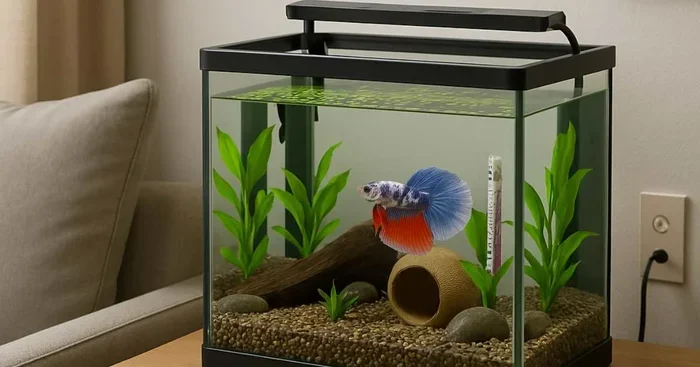
Setting up a small betta fish tank is easier than you think. This guide walks you through every step, from picking the right tank size to adding your betta fish safely. You will learn how to create a healthy, comfortable habitat that keeps your betta happy and active.
Key Takeaways
- Choose the Right Tank Size: A minimum of 5 gallons is best for a single betta fish to thrive.
- Cycle Your Tank First: Always cycle the tank before adding your betta to establish beneficial bacteria.
- Use a Gentle Filter and Heater: Bettas need warm, calm water between 76-82°F with low water flow.
- Add Soft Substrate and Live Plants: These create a natural, comfortable environment and help maintain water quality.
- Perform Regular Water Changes: Weekly partial water changes keep the tank clean and your betta healthy.
- Avoid Common Mistakes: Skip small bowls, strong filters, and cold water to keep your betta thriving.
📑 Table of Contents
- How to Set Up a Small Betta Fish Tank in Simple Steps
- Pick the Right Tank Size for Your Betta
- Gather the Essential Equipment
- Set Up and Cycle the Tank
- Decorate the Tank for Comfort and Beauty
- Add Your Betta Fish Safely
- Maintain Your Small Betta Tank
- Common Mistakes to Avoid
- Quick Tips for a Thriving Betta Tank
- Final Thoughts on Setting Up a Small Betta Fish Tank
How to Set Up a Small Betta Fish Tank in Simple Steps
Setting up a small betta fish tank does not have to be hard. Whether you are a complete beginner or a seasoned hobbyist, a tiny aquarium can bring real joy into your home. Bettas are beautiful, colorful fish that do surprisingly well in small spaces when you set things up right.
In this guide, we walk you through every step of the betta fish tank setup process. You will learn what equipment you need, how to prepare the water, and how to make your tank a happy home for your fish. We also cover common mistakes to avoid so your betta stays healthy and active for years to come.
If you are new to fish keeping, do not worry. We keep things simple and practical. No jargon, no fluff, just clear steps you can follow today. Let us get started.
Pick the Right Tank Size for Your Betta
The first step in any betta fish tank setup is choosing the right tank. Many people think bettas can live in tiny bowls. That is a myth. Bettas need room to swim and explore, even if they are small fish.
Why Size Matters for Betta Fish
A small tank means the water parameters can change fast. Temperature swings and ammonia spikes happen quickly in tiny volumes of water. A larger tank gives you more stability and makes maintenance easier.
Here is a quick look at tank size options for bettas:
- 1 gallon: Too small for long-term betta health. Avoid this.
- 2.5 gallons: Acceptable for a single betta but needs frequent maintenance.
- 5 gallons: The sweet spot for most betta setups. Easy to manage and stable.
- 10 gallons: Great for a betta with some tank mates or extra plants.
For most people, a 5-gallon tank is the best choice. It gives your betta enough space to swim and keeps the water chemistry more stable. If you want to learn more about ideal tank dimensions, check out our guide on how big a betta fish tank needs to be for detailed sizing advice.
Gather the Essential Equipment
Once you have your tank, you need the right equipment. A fish tank starter kit can save you money and time. Here is what you will need for a small betta setup.
Filter
Bettas do not like strong water flow. Choose a filter with adjustable flow or a sponge filter. A sponge filter is gentle and effective. It provides mechanical and biological filtration without creating a current your betta cannot handle.
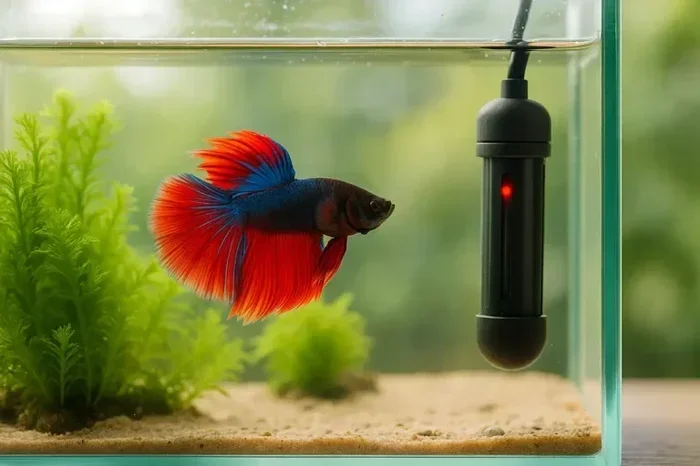
Heater
Bettas are tropical fish. They need warm water between 76 and 82 degrees Fahrenheit. A small submersible heater with a thermostat is essential. Do not rely on room temperature to keep your betta comfortable.
Thermometer
A simple stick-on thermometer lets you monitor the water temperature easily. Place it on the inside wall of the tank where you can see it clearly.
Substrate
You can use gravel, sand, or even a planted substrate. For a planted tank, a nutrient-rich base works well. For a simple setup, smooth gravel or fine sand is safe and easy to clean.
Lighting
Most small tanks come with a built-in hood light. If yours does not, a simple LED light works fine. You do not need expensive lighting unless you are growing live plants.
Water Conditioner
Tap water contains chlorine and chloramine that are harmful to fish. A good water conditioner removes these chemicals instantly. Always treat new water before adding it to your tank.
Set Up and Cycle the Tank
Now comes the fun part. Setting up your betta fish habitat properly from the start makes everything easier later.
Step-by-Step Tank Setup
- Rinse the tank with clean water. Do not use soap or detergent.
- Add your substrate to the bottom of the tank. Rinse it first to remove dust.
- Place a plate or bowl on the substrate and pour water gently over it. This prevents disturbing the substrate.
- Install your filter and heater according to the manufacturer instructions.
- Add water conditioner to the tank.
- Turn on the filter and heater. Let the tank run for 24 hours.
- Check the temperature. Adjust the heater until it reaches 78 degrees Fahrenheit.
Why Cycling Matters
Cycling a tank means growing beneficial bacteria that break down toxic ammonia and nitrite. This process takes about 2 to 4 weeks. Adding your betta to an uncycled tank can cause serious health problems or even death.
If you want to learn how to cycle a tank properly, read our guide on how to cycle a fish tank for betta. It covers both fishless cycling and cycling with fish methods in detail.
A quick way to speed up cycling is to add a bottle of beneficial bacteria starter culture. This can cut the cycling time in half. Test the water with a liquid test kit to confirm ammonia and nitrite levels are at zero before adding your betta.
Decorate the Tank for Comfort and Beauty
A bare tank is boring for both you and your fish. Decoration is more than just looks. It gives your betta places to hide, explore, and rest.
Best Decorations for Betta Fish
- Live plants: Plants like java fern, anubias, and amazon sword provide natural hiding spots and help purify the water.
- Caves and shelters: Betta fish love dark, cozy spots to rest. Small caves or coconut shells work great.
- Driftwood: Adds a natural look and can slightly soften the water.
- Smooth rocks: Avoid sharp or rough decorations that can tear your betta’s delicate fins.
Be careful not to overcrowd the tank. A small 5-gallon tank needs open swimming space too. Leave at least half the tank open for your betta to move around freely.
For more decoration ideas and tips, check out our article on how to decorate a betta fish tank. It covers plant arrangements, color schemes, and creating a natural-looking environment.
Add Your Betta Fish Safely
After your tank is set up, heated, filtered, and cycled, it is time to add your betta. This step is important. Rushing it can stress your fish out.
The Acclimation Process
When you bring your betta home, float the bag in the tank for 15 to 20 minutes. This equalizes the temperature. Then, slowly add small amounts of tank water to the bag over 20 to 30 minutes. This helps your betta adjust to the new water chemistry.
Use a net to gently transfer the betta into the tank. Do not pour the bag water into your tank. It may contain contaminants from the store.
What to Expect After Adding Your Betta
Your betta may hide or stay still for the first day or two. This is completely normal. Give it time to explore. Offer a small amount of food after the first day. Watch for signs of stress like clamped fins or rapid breathing.
If you are moving your betta from one tank to another, our guide on how to transfer betta fish to a new tank has more detailed steps for a smooth transition.
Maintain Your Small Betta Tank
Setting up the tank is only half the job. Regular maintenance keeps the water clean and your betta healthy. A consistent routine makes a huge difference.
Weekly Water Changes
For a 5-gallon tank, change 25 to 30 percent of the water every week. Use a gravel vacuum to remove waste from the substrate. Always treat the new water with conditioner before adding it to the tank.
If you want a deeper dive into water changing techniques, our article on how to change the water in a betta fish tank covers everything from siphoning methods to water temperature matching.
Cleaning the Tank
Clean the glass walls with an algae scraper or soft sponge. Do not use soap or chemical cleaners. Rinse filter media in old tank water, never tap water. Tap water kills the beneficial bacteria you worked hard to grow.
For a full cleaning routine, visit our guide on how to clean a betta fish tank for step-by-step instructions on keeping your tank sparkling clean.
Feeding Your Betta Properly
Feed your betta 2 to 3 pellets or a small pinch of flakes once or twice a day. Do not overfeed. Uneaten food rots quickly in a small tank and fouls the water. Skip feeding one day per week to give the digestive system a break.
Common Mistakes to Avoid
Even experienced fish keepers make mistakes. Here are the most common ones with small betta tanks.
- Using a bowl instead of a tank: Bowls lack filtration and heating. Your betta will not thrive in a bowl long-term.
- Overcrowding the tank: A small tank is not the place for multiple bettas or many tank mates. One betta per 5 gallons is the rule.
- Skipping the cycle: Never add a betta to an uncycled tank. Ammonia poisoning is a real and deadly threat.
- Using too strong a filter: A powerful filter creates currents that exhaust your betta. Use a sponge filter or adjust flow to minimum.
- Ignoring water temperature: Cold water weakens the betta immune system. Always use a heater.
- Overfeeding: Excess food decays fast in small tanks and spikes ammonia levels quickly.
Quick Tips for a Thriving Betta Tank
Here are some fast tips to keep in mind as you care for your small betta tank:
- Keep the tank away from direct sunlight. It causes algae blooms and temperature swings.
- Place the tank in a quiet spot. Bettas can get stressed by constant vibration and noise.
- Use a tank lid. Bettas are jumpers and can leap out of open tanks.
- Test the water weekly with a liquid test kit. It catches problems before they become serious.
- Add floating plants like frogbit or duckweed. Bettas love resting near the surface near plants.
Final Thoughts on Setting Up a Small Betta Fish Tank
Setting up a small betta fish tank is a rewarding experience that anyone can enjoy. You do not need a huge budget or years of experience. All you need is the right tank, proper equipment, and a little patience.
Start with a 5-gallon tank, cycle it properly, add gentle filtration and heating, and decorate with care. Keep up with weekly water changes and feed your betta a balanced diet. Follow these simple steps and your betta will thrive in its new home.
Remember, a happy betta is a healthy betta. Take your time, enjoy the process, and watch your little fish explore its beautiful new world. You have got this.
Frequently Asked Questions
What is the best tank size for a single betta fish?
A 5-gallon tank is the ideal size for a single betta fish. It provides enough swimming space and keeps water parameters stable. Tanks smaller than 3 gallons require very frequent maintenance and are harder to keep balanced.
Do betta fish need a filter in a small tank?
Yes, betta fish benefit from a filter even in small tanks. A gentle sponge filter is the best choice because it provides biological filtration without creating strong water flow. Filters help remove harmful toxins and keep the water clean between water changes.
How long does it take to cycle a betta fish tank?
Cycling a betta tank typically takes 2 to 4 weeks. During this time, beneficial bacteria grow and convert toxic ammonia into less harmful substances. You can speed up the process with a bacteria starter culture and by testing the water regularly with a liquid test kit.
Can I keep my betta in a bowl without a heater?
No, bettas are tropical fish and need a stable water temperature between 76 and 82 degrees Fahrenheit. Room temperature water is usually too cold and can weaken your betta’s immune system. A small submersible heater is a must for any betta setup.
How often should I clean a small betta fish tank?
You should perform a 25 to 30 percent water change every week in a small betta tank. Use a gravel vacuum to clean the substrate during each water change. Full tank cleanings should only be done if there is a specific issue, as they can disrupt beneficial bacteria colonies.
What decorations are safe for a betta fish tank?
Safe decorations include live plants like java fern and anubias, smooth rocks, driftwood, and small caves. Avoid decorations with sharp edges that can tear betta fins. Always rinse new decorations before adding them to the tank to remove dust and chemicals.