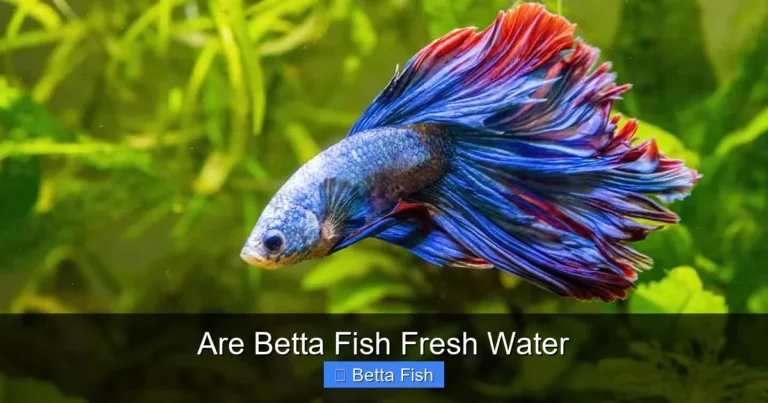
How to Set Up a Simple Betta Fish Tank
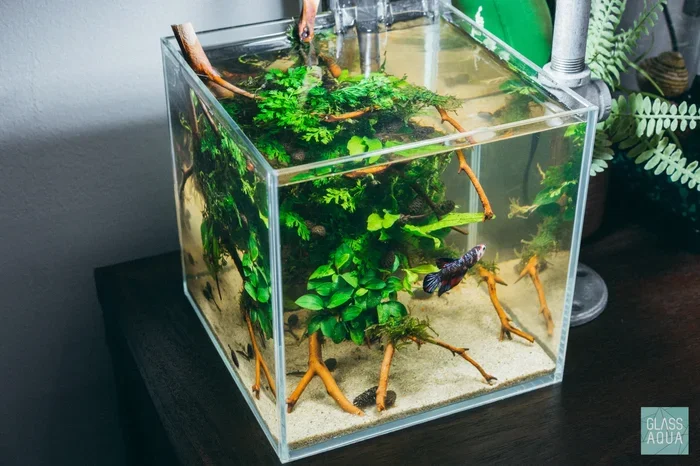
Setting up a simple betta fish tank is easier than most people think. You just need the right tank size, a heater, a filter, and a few basic decorations. This guide walks you through every step so your betta fish stays healthy and happy in its new home.
Setting up a simple betta fish tank might seem intimidating at first. But the truth is, it is one of the most rewarding beginner projects in the hobby. With the right approach, you can create a beautiful betta fish habitat that keeps your fish healthy and thriving for years.
Whether you are a complete beginner or someone looking to simplify your current setup, this guide covers everything you need. We will walk through each step in plain language so you never feel lost. By the end, you will know exactly how to build a betta fish tank setup that works.
The process really comes down to a few key decisions. You need the right tank, proper equipment, and a little patience. Let us break it all down so you can get started with confidence.
Key Takeaways
- Choose at least a 5-gallon tank: Bettas need space to swim and stay healthy, and a larger tank makes maintenance much easier.
- Always use a heater and filter: Betta fish thrive in warm, clean water between 76-80°F, and proper filtration keeps the nitrogen cycle balanced.
- Cycle your tank before adding fish: Running the tank for 2-4 weeks establishes beneficial bacteria that keep your betta safe from ammonia and nitrite spikes.
- Add gentle decorations and live plants: These create a natural betta fish habitat while providing hiding spots and reducing stress.
- Perform regular water changes: A simple weekly or bi-weekly maintenance routine prevents buildup and keeps water parameters stable.
- Avoid common setup mistakes: Skipping the cycle, using too-small tanks, and harsh decorations are the top reasons betta fish struggle in new tanks.
📑 Table of Contents
- Why a Simple Betta Fish Tank Setup Matters
- What You Need to Get Started
- Step-by-Step Betta Fish Tank Setup
- Choosing the Right Tank Size and Location
- Decorating Your Betta Fish Tank
- Maintaining a Healthy Betta Fish Tank
- Common Mistakes to Avoid When Setting Up a Betta Tank
- Final Thoughts on Setting Up Your Betta Fish Tank
Why a Simple Betta Fish Tank Setup Matters
Many people think betta fish can live in tiny bowls. That is one of the biggest myths in the fishkeeping world. In reality, bettas are active swimmers that need room to explore. A proper betta fish tank setup gives them the space, clean water, and stable conditions they need to flourish.
A simple setup also means less stress for you. When you plan ahead and choose straightforward equipment, daily care becomes second nature. You spend less time fixing problems and more time enjoying your fish.
Here is why keeping things simple works so well:
- Fewer things to go wrong. A basic setup has fewer components that can fail or need adjustment.
- Easier to maintain. Simple tanks are easier to clean and monitor on a weekly basis.
- Lower cost upfront. You spend money only on what matters, not on unnecessary extras.
- Better for the fish. A clean, stable environment reduces stress and boosts your betta’s immune system.
- Faster to set up. You can have a cycled, ready-to-go tank in under a week.
The goal is not to cut corners. It is to focus on what truly matters for your betta’s health. When you prioritize the essentials, everything else falls into place naturally.
What You Need to Get Started
Before you buy anything, let us go over the essential equipment. Having a clear checklist saves time and prevents those “oops, I forgot something” moments later.
The Tank
For a single betta, a 5-gallon tank is the sweet spot. It is big enough for your fish to swim freely but small enough to manage easily. If you want to know more about ideal tank dimensions, check out our guide on how big a betta fish tank needs to be for detailed recommendations.
Glass tanks are durable and scratch-resistant. Acrylic tanks are lighter and insulate heat slightly better. Both work great for a simple betta fish tank. Just make sure the tank comes with a lid. Bettas are jumpers, and a lid keeps them safe.
Heater
Betta fish are tropical. They need warm, stable water between 76 and 80 degrees Fahrenheit. A small adjustable heater is a must-have. Look for one with a built-in thermostat so it maintains the right temperature control automatically.
Filter
A gentle filter keeps the water clean without creating too much current. Bettas prefer slow-moving water because their long fins make them weak swimmers. Sponge filters work wonderfully for this. They provide mechanical and biological filtration without stressing your fish.
Substrate
You have options here. Fine gravel works for most setups. Sand looks natural and is easy to clean. If you plan to grow live plants, a nutrient-rich planted substrate gives them a great start. Choose whatever fits your vision for the tank.
Water Conditioner
Tap water contains chlorine and chloramine that are harmful to fish. A good water conditioner removes these chemicals instantly. This is one of the most important items on your list. Never skip it, even for water changes.
Test Kit
A liquid test kit is far more reliable than test strips. You need to monitor ammonia, nitrite, and nitrate levels. These water parameters tell you whether your tank is safe for your betta. Testing regularly catches problems before they become dangerous.
Step-by-Step Betta Fish Tank Setup
Now comes the fun part. Follow these steps in order, and you will have a fully functioning tank ready for your betta.
Step 1: Rinse and Place the Tank
Start by rinsing the tank with plain water. Do not use soap or any cleaning chemicals. Place the tank on a sturdy, level surface away from direct sunlight. Sunlight causes algae blooms and temperature swings that stress your fish.
Step 2: Add Substrate
Spread your chosen substrate evenly across the bottom. Rinse it thoroughly in a bucket before adding it to remove dust and debris. A layer of about 1 to 2 inches works well for most setups.
Step 3: Install Equipment
Attach the heater to the back wall of the tank. Place the filter according to the manufacturer’s instructions. Fill the tank slowly with a plate or bowl to avoid disturbing the substrate. This keeps everything neat and in place.
Step 4: Add Water and Condition It
Fill the tank with room-temperature water. Add the recommended dose of water conditioner to neutralize harmful chemicals. Let the equipment run for a few minutes to make sure everything works properly.
Step 5: Cycle the Tank
This is the step most beginners skip, and it causes so many problems. Cycling a tank means building up beneficial bacteria that process toxic waste. Without this cycle, ammonia and nitrite levels spike and can harm or kill your betta.
To cycle your tank, add a source of ammonia. This can be fish food, pure ammonia, or a bottled bacteria starter. Test the water every few days. The cycle is complete when you see zero ammonia, zero nitrite, and some nitrate present. This process typically takes 2 to 4 weeks. For a full walkthrough of this process, our guide on how to cycle a fish tank for betta covers everything you need to know.
Step 6: Add Decorations and Plants
Once the tank is cycled, it is time to make it beautiful. Add gentle decorations like smooth rocks, driftwood, and silk plants. Avoid sharp plastic plants that can tear delicate betta fins. Live plants are an excellent choice because they absorb nitrates and oxygenate the water naturally.
For more ideas on creating a stunning environment, our article on how to decorate a betta fish tank has plenty of inspiration and practical tips.
Step 7: Acclimate and Introduce Your Betta
When your tank is ready, float the bag your betta came in on the surface for 15 to 20 minutes. This equalizes the temperature. Then slowly add small amounts of tank water to the bag over another 15 minutes. Finally, use a net to gently transfer your betta into the new tank. Do not pour the bag water into your tank.
Choosing the Right Tank Size and Location
Location matters more than most people realize. Place your tank in a quiet area where it will not get bumped or knocked over. Avoid spots near doors, speakers, or heating vents. Sudden temperature changes and vibrations stress betta fish.
The tank size directly impacts water quality. A larger volume of water dilutes waste and stabilizes temperature control. Here is a quick comparison of common tank sizes for a single betta:
- 1 gallon: Too small for long-term health. Only suitable as a temporary quarantine container.
- 2.5 gallons: A minimum option, but requires frequent water changes and close monitoring.
- 5 gallons: The ideal size for a single betta. Easy to maintain and offers enough swimming space.
- 10 gallons: Excellent for a single betta with room for plants and gentle tank mates.
For most people starting out, a 5-gallon tank is the best balance of simplicity and space. It is manageable, affordable, and gives your betta a comfortable home.
Decorating Your Betta Fish Tank
A well-decorated tank does more than look good. It provides hiding spots, reduces stress, and mimics your betta’s natural environment. The key is to create open swimming areas alongside sheltered zones.
Start with a few anchor points. A piece of driftwood or a rock cluster gives the tank a natural focal point. Then add plants around the edges and back. Leave the front and middle open so your betta can swim freely.
Here are some decoration ideas that work beautifully:
- Live plants: Java fern, anubias, and java moss are all betta-friendly and low-maintenance.
- Silk plants: A safe alternative to plastic. They have soft leaves that will not damage fins.
- Driftwood: Adds natural beauty and releases beneficial tannins that support fish health.
- Smooth rocks and caves: Provide hiding spots where your betta can rest and feel secure.
- Indian almond leaves: These slowly release compounds that soften water and have mild antibacterial properties.
Remember, less is often more. A cluttered tank is harder to clean and leaves less swimming space. Keep the layout simple and open, with a few visual anchors.
Maintaining a Healthy Betta Fish Tank
Setup is only half the battle. Regular maintenance keeps your betta fish tank setup running smoothly for months and years. The good news is that a simple tank is easy to maintain once you build a routine.
Weekly Water Changes
Perform a 20 to 30 percent water change every week. Use a gravel vacuum to remove debris from the substrate while you drain. Always treat new water with water conditioner before adding it to the tank. Match the temperature of the new water to the tank water as closely as possible.
Testing Water Parameters
Test your water every one to two weeks. You are looking for zero ammonia, zero nitrite, and nitrate below 20 ppm. If any numbers are off, a water change usually fixes the problem quickly. Catching issues early is the secret to long-term fish health.
Cleaning the Filter
Rinse your filter media in removed tank water once a month. Never use tap water, as the chlorine will kill the beneficial bacteria living in the filter. Replace filter media only when it falls apart, and do not replace all of it at once.
Feeding Your Betta Properly
Feed your betta 2 to 3 small meals per day. Use high-quality betta pellets as the staple diet. Supplement with frozen or live food like bloodworms and brine shrimp occasionally. Overfeeding is one of the most common mistakes. Uneaten food rots and pollutes the water fast.
For a thorough cleaning routine, our guide on how to clean a betta fish tank provides detailed, beginner-friendly instructions for keeping your tank spotless.
Common Mistakes to Avoid When Setting Up a Betta Tank
Even with the best intentions, beginners make a few common errors. Knowing what to avoid saves you time, money, and heartache.
Skipping the nitrogen cycle. This is the number one mistake. Adding a betta to an uncycled tank exposes it to toxic ammonia from day one. Always wait until your tank is fully cycled before introducing your fish.
Using a tank that is too small. Those tiny vases and bowls sold in pet stores are not suitable for bettas. They restrict movement, cause water quality to crash quickly, and shorten your fish’s lifespan.
Overcrowding the tank. A 5-gallon tank is for one betta. Adding too many fish or too many decorations reduces swimming space and increases waste.
Using the wrong filter. Strong hang-on-back filters create currents that tire out bettas. Choose a gentle sponge filter or a low-flow hang-on-back with a baffle.
Ignoring temperature. Room temperature water is almost always too cold for bettas. A reliable heater is non-negotiable. Fluctuating temperatures weaken the immune system and invite disease.
Not using a lid. Bettas are curious and will jump out of an open tank. A simple lid or mesh cover prevents this heartbreaking accident.
Final Thoughts on Setting Up Your Betta Fish Tank
Setting up a simple betta fish tank is a journey that starts with a few basic decisions. Choose the right tank size, invest in a heater and gentle filter, cycle the tank properly, and keep up with simple maintenance. These steps form the foundation of a healthy, beautiful betta fish habitat that you and your fish will both enjoy.
The process does not need to be complicated. Start small, focus on the essentials, and build from there. Every tank you set up teaches you something new, and the skills you develop carry over to more advanced setups down the road.
Your betta fish deserves a clean, warm, and safe home. With the knowledge from this guide, you are fully equipped to create one. Enjoy the process, watch your fish explore its new environment, and take pride in the habitat you built with your own hands.
Frequently Asked Questions
What is the simplest way to set up a betta fish tank?
The simplest approach is to start with a 5-gallon tank, add a heater, a gentle sponge filter, and a basic substrate. Cycle the tank for 2 to 4 weeks, then add decorations and your betta. Keeping the setup minimal and focused on essentials makes the process straightforward and manageable for any beginner.
Do I really need a heater for a betta fish tank?
Yes, absolutely. Betta fish are tropical and need warm water between 76 and 80 degrees Fahrenheit. Room temperature water is almost always too cold and can lead to health problems. A small adjustable heater with a thermostat is a non-negotiable part of any betta fish tank setup.
How long should I cycle my betta tank before adding fish?
A full nitrogen cycle typically takes 2 to 4 weeks. During this time, beneficial bacteria colonize your filter and substrate, converting toxic ammonia into less harmful nitrate. Use a liquid test kit to confirm that ammonia and nitrite read zero before introducing your betta to the tank.
Can I use a bowl instead of a tank for my betta fish?
Bowls are not recommended. They are too small to maintain stable water parameters and give your betta enough room to swim. A 5-gallon tank or larger provides a much healthier environment and is actually easier to maintain than a tiny bowl because the larger water volume dilutes waste more effectively.
What decorations are safe for betta fish?
Safe decorations include smooth rocks, driftwood, silk plants, and live plants like java fern and anubias. Avoid sharp plastic plants, rough gravel, and any decorations with small gaps that could trap your betta’s delicate fins. Always choose gentle, rounded items that mimic a natural habitat.
How often should I clean a simple betta fish tank?
Perform a 20 to 30 percent water change every week. Use a gravel vacuum to clean the substrate during each change. Test water parameters every one to two weeks and replace filter media monthly if needed. Consistent small efforts are far better than occasional deep cleans that disrupt the tank’s balance.