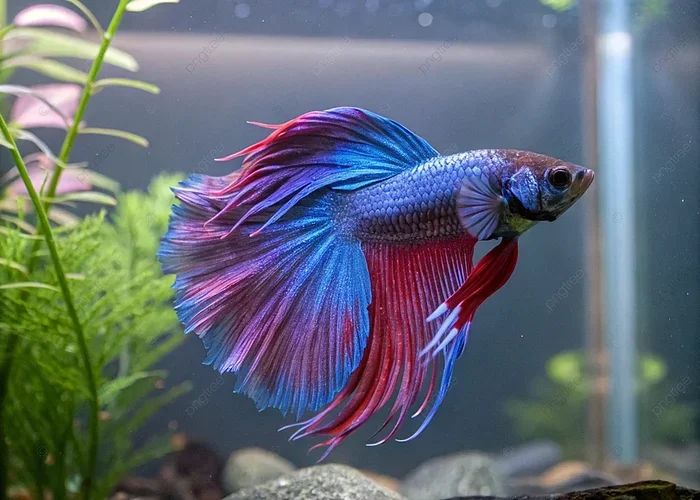
How to Revive Your Betta Fish
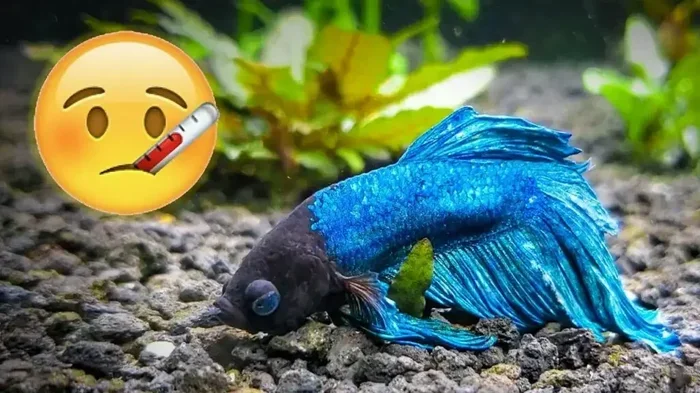
Reviving a betta fish is possible when you act quickly and correctly. This guide covers the most common reasons your betta may be lethargic or unresponsive, including poor water quality, low temperature, and stress. You will learn simple, actionable steps to bring your betta back to health and prevent future problems.
Seeing your betta fish listless, pale, or barely moving can be scary. You might feel helpless, but the truth is, many betta fish can be brought back with the right care. This guide walks you through exactly how to revive your betta fish using simple, proven methods that work at home.
Whether your betta is suffering from a water quality issue, temperature shock, or a stubborn illness, you will find clear steps to help. We cover the warning signs to watch for, the most common causes, and the treatments that actually make a difference. By the end, you will feel confident taking action the moment your betta needs you most.
Every betta fish owner should know these revival techniques. They are easy to follow, require no special equipment, and could save your fish’s life. Let us dive in and give your betta the best chance at a full recovery.
Key Takeaways
- Quick action is critical: The faster you identify the problem, the better the chances of reviving your betta fish.
- Water quality matters most: Dirty or toxic water is the number one cause of betta fish health emergencies.
- Temperature control is essential: Keeping the water between 78-80°F supports a strong immune system and faster recovery.
- Stress reduction speeds healing: A calm, clean environment helps your betta bounce back naturally.
- Prevention is always better than cure: Regular tank maintenance and proper feeding keep your betta thriving long term.
- Know when to seek help: Some conditions need medication or a vet visit to ensure full betta fish recovery.
📑 Table of Contents
Why Do Betta Fish Become Unresponsive?
A betta fish that stops eating, stays at the bottom of the tank, or refuses to move is trying to tell you something. Understanding the root cause is the first step toward bringing your fish back to health. Most problems fall into a few common categories that are easy to fix once you identify them.
Poor Water Quality
The leading cause of a betta fish in distress is bad water. Ammonia and nitrite build up quickly in unfiltered or poorly maintained tanks. Even small amounts of these toxins can damage your betta’s gills and organs. This is why cleaning your betta fish tank on a regular schedule is so important. When the water becomes toxic, your fish struggles to breathe and loses energy fast.
Cloudy water, a strong odor, or visible debris are all red flags. Testing your water parameters with a simple kit can reveal hidden problems before they become deadly. Water quality directly affects how well your betta fish can fight off illness and recover from stress.
Temperature Shock
Betta fish are tropical creatures. They need warm, stable water to stay healthy. When the temperature drops too low, their metabolism slows down dramatically. A cold betta becomes lethargic, stops eating, and may develop fin rot or other infections.
On the flip side, a sudden spike in temperature can also cause stress. The ideal range for betta fish is between 78 and 80 degrees Fahrenheit. If you are struggling to maintain warmth, check out how to keep your betta fish warm for practical heating solutions that work in any setup.
Stress and Environmental Factors
Stress weakens the immune system and makes your betta vulnerable to disease. Common stressors include aggressive tank mates, bright lights, loud noises, and sudden changes in their environment. Even moving a betta to a new bowl without proper acclimation can trigger a stress response.
Learning how to treat a stressed betta fish starts with removing the source of stress. Once the trigger is gone, most bettas recover on their own with a little extra care and a calm environment.
Step-by-Step Guide to Revive Your Betta Fish
When you find your betta barely moving or floating strangely, every minute counts. Follow these steps in order to give your fish the best shot at recovery. The process is straightforward and does not require advanced fish-keeping experience.
Step 1: Assess the Situation Calmly
Take a deep breath and observe your betta carefully. Is the fish floating at the top or lying at the bottom? Are the fins clamped close to the body? Is there any visible damage like torn fins or white spots? Note these details because they help you pinpoint the problem.
A betta that is still breathing but very slow is in better shape than one that is completely motionless. Do not panic or make sudden movements around the tank. Your calm energy will help keep your fish from getting more stressed during this critical window.
Step 2: Test the Water Parameters
Grab a liquid test kit and check the levels of ammonia, nitrite, nitrate, and pH. Ammonia and nitrite should always read zero. Nitrate should stay below 20 parts per million. If any of these numbers are off, a partial water change is your first priority.
Use prepped water that matches the tank temperature. Replace about 25 to 30 percent of the water gently. Avoid vacuuming the substrate too aggressively, as this can disturb beneficial bacteria that help keep the tank stable.
Step 3: Adjust the Temperature
Check the current water temperature with a reliable thermometer. If the water is below 76 degrees, your betta is likely going into thermal shock. Slowly raise the temperature by one or two degrees per hour until you reach the 78 to 80 degree range.
Do not make the jump too fast. Rapid temperature changes can shock your fish even more. A small aquarium heater with a built-in thermostat makes this step much easier and safer over time.
Step 4: Create a Quiet, Dark Recovery Space
Turn off the tank light and any nearby room lights. Dim the environment to reduce stimulation. A stressed betta heals faster in a calm, quiet setting. If possible, move the tank away from high-traffic areas and loud appliances.
Some keepers set up a separate hospital tank for recovery. This works well because you can control conditions precisely. Just make sure the hospital tank is fully cycled and heated before you move your betta into it.
Step 5: Offer Easy-to-Digest Food
After giving your betta a few hours to settle, try offering a small amount of food. Frozen bloodworms or brine shrimp are excellent choices because they are soft and highly nutritious. Soak dry food before feeding to make it easier to digest.
If your betta refuses to eat, do not force it. Remove any uneaten food after five minutes to prevent water contamination. A healthy betta can survive several days without food, so do not worry if your fish skips a meal during recovery.
Common Causes That Lead to Betta Fish Health Emergencies
Understanding what goes wrong helps you prevent problems before they start. Many betta fish emergencies share the same root causes, and most are entirely avoidable with proper care.
Overfeeding and Digestive Issues
Overfeeding is one of the most common mistakes new betta owners make. Excess food rots in the tank, spiking ammonia levels and polluting the water. A bloated or constipated betta may float sideways or stop eating altogether.
Feed your betta two to three small meals per day, no more than what they can consume in two minutes. Skip one feeding day per week to give the digestive system a rest. This simple habit goes a long way in keeping your betta healthy and active.
Incomplete Tank Cycling
A tank that has not been fully cycled contains dangerous ammonia spikes. This is especially risky for bettas kept in small bowls or unfiltered setups. Cycling a tank means building up beneficial bacteria that convert toxic ammonia into less harmful nitrate.
If you are setting up a new tank, make sure the cycle is complete before adding your betta. This process typically takes four to six weeks. Rushing it puts your fish at serious risk of a health emergency that may require urgent intervention to make your betta fish healthy again.
Ignoring Early Warning Signs
Betta fish are good at hiding illness until it becomes severe. Clamped fins, loss of color, erratic swimming, and hiding more than usual are all early warning signs. Many owners miss these signals until the fish is already in crisis.
Watch your betta every day, even for just a few minutes. Catching a problem early gives you a much better chance of a successful recovery. Prevention through consistent observation is always easier than treatment after things go wrong.
How to Support Your Betta Fish Recovery
Once you have addressed the immediate problem, the real work of recovery begins. Supporting your betta through the healing process requires patience and consistent care. The following tips help create the best conditions for a full and lasting recovery.
Maintain Stable Water Conditions
After a health scare, your betta needs clean, stable water more than ever. Stick to a regular water change schedule of 25 percent every week. Always treat new water with a water conditioner to remove chlorine and chloramine before adding it to the tank.
Test the water frequently during the recovery period. Stable parameters reduce stress and allow your betta’s body to focus its energy on healing. Avoid making any major changes to the tank setup while your fish is recovering.
Add Live Plants and Gentle Decor
Live plants do wonders for a recovering betta. They absorb ammonia, produce oxygen, and provide hiding spots that make your fish feel safe. Java moss, Anubias, and Amazon sword plants are all excellent choices for betta tanks.
Avoid sharp or rough decorations that could damage delicate fins. A well-decorated tank with plenty of soft plants and open swimming space gives your betta both security and room to explore. This setup also supports overall betta fish health long after the immediate crisis has passed.
Monitor Behavior Closely
Keep a close eye on how your betta behaves in the days and weeks following a health scare. A recovering betta should gradually return to normal activity levels, show interest in food, and display vibrant colors again.
Use the signs of a happy betta as your benchmark. A healthy betta will explore the tank, build bubble nests, and respond to your presence. If progress stalls or symptoms return, revisit the earlier steps and consider whether medication or a vet visit might be needed.
Preventing Future Betta Fish Health Crises
The best way to revive your betta fish is to prevent the situation from happening in the first place. A proactive approach to betta care saves you stress, money, and most importantly, protects your fish from unnecessary suffering.
Build a Consistent Care Routine
Set a schedule for water changes, feeding, and tank maintenance. Consistency is the backbone of good fish care. When you follow a routine, small problems get caught early before they spiral into emergencies.
Keep a simple log of water test results, feeding amounts, and any changes you notice in your betta’s behavior. This record-keeping habit helps you spot patterns and make informed decisions about your fish’s care over time.
Invest in the Right Equipment
A proper heater, filter, and thermometer are non-negotiable for betta fish health. A gentle sponge filter keeps the water clean without creating strong currents that tire your betta out. A reliable heater maintains the stable temperature your fish needs to thrive.
Do not cut corners on equipment. Cheap or broken gear can fail without warning and put your fish at risk. Investing in quality tools upfront saves you from emergencies later and gives your betta the best possible quality of life.
Educate Yourself Continuously
The more you know about betta fish care, the better prepared you are for any situation. Read trusted sources, join betta-keeping communities, and stay curious about new techniques and products. Knowledge is your greatest tool for keeping your fish healthy and happy.
Learning how to care for a betta fish properly is a journey. Every fish teaches you something new. The effort you put into understanding your betta’s needs pays off in years of vibrant, active companionship.
When to Seek Professional Help
Not every betta fish emergency can be solved at home. Some conditions require professional diagnosis and treatment. Knowing when to call for help is just as important as knowing how to perform basic first aid on your fish.
If your betta does not show any improvement after 48 hours of consistent care, it is time to consult a veterinarian who specializes in fish. Symptoms like open sores, swollen body, labored breathing, or persistent floating may indicate a serious internal condition. Early professional intervention can make all the difference in a life-or-death situation.
Many local fish stores also offer advice and basic treatments for common betta illnesses. Do not hesitate to reach out for help. The goal is to give your betta the best possible chance at a full and speedy recovery.
Conclusion
Knowing how to revive your betta fish is a skill every betta owner should have. Quick action, clean water, proper temperature, and a calm environment form the foundation of any successful revival effort. The steps in this guide are simple, effective, and easy to follow even if you are a beginner.
Remember that prevention plays a huge role too. Regular tank maintenance, consistent feeding habits, and daily observation keep your betta thriving and reduce the risk of future emergencies. Your betta fish depends on you for its well-being, and the care you provide makes all the difference.
Take what you have learned here and put it into practice today. Your betta will thank you with vibrant colors, energetic swimming, and a long, happy life by your side. Stay proactive, stay patient, and never give up on your finned friend.
Frequently Asked Questions
How long does it take to revive a betta fish?
Most bettas show signs of improvement within 24 to 48 hours after you correct the water conditions and temperature. Full recovery can take anywhere from a few days to a couple of weeks, depending on the severity of the situation. Patience and consistent care are key during this period.
Can a betta fish come back to life after lying still at the bottom?
Yes, many bettas that appear lifeless at the bottom of the tank can be revived. The most common causes are cold water, ammonia poisoning, or stress. Acting quickly with the steps outlined in this guide gives your betta the best possible chance of recovery.
What water temperature is best for reviving a stressed betta fish?
The ideal temperature for a recovering betta is between 78 and 80 degrees Fahrenheit. This warm range supports a healthy metabolism and immune response. Raise the temperature gradually, no more than one or two degrees per hour, to avoid shocking your fish further.
For more tips on maintaining the right warmth, you can also read how to make your betta fish tank warmer for practical heating solutions.
Should I use salt to help revive my betta fish?
aquarium salt can help with mild stress and certain infections, but it should be used carefully. Use only aquarium-grade salt and follow dosage instructions precisely. Some bettas may be sensitive to salt, so monitor your fish closely after adding it to the tank.
How can I tell if my betta fish is recovering?
Signs of recovery include returning interest in food, increased movement, fins opening up, and brighter color returning. A recovering betta will also start exploring the tank again and may build bubble nests. If these positive behaviors appear within a few days, your betta is on the right track.
What should I do if my betta fish won’t eat after revival attempts?
It is normal for a stressed betta to skip a few meals during recovery. Offer small amounts of easy-to-digest food like frozen bloodworms or brine shrimp. If your betta still refuses to eat after three days, check the water parameters and consider consulting a fish veterinarian for further guidance.