How to Put Betta Fish in New Bowl
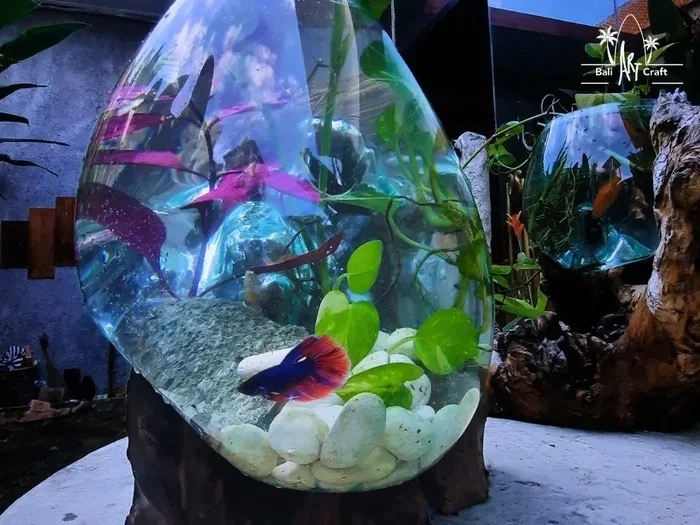
Putting a betta fish in a new bowl requires careful preparation and patience. You need to set up the bowl properly, acclimate your fish gradually, and monitor water conditions closely. This guide walks you through every step to make the transition smooth and stress-free for your betta.
Key Takeaways
- Choose the right bowl size: A minimum of 5 gallons gives your betta enough space to thrive.
- Prepare the bowl before adding your fish: Cycle the water, add conditioner, and set the right temperature.
- Acclimate your betta slowly: Floating the bag and drip-transferring helps reduce shock.
- Avoid common mistakes: Don’t skip water treatment or rush the acclimation process.
- Monitor your betta after the move: Watch for signs of stress and act quickly if needed.
- Ongoing care matters: Regular water changes and maintenance keep your betta healthy long-term.
📑 Table of Contents
- How to Put Betta Fish in a New Bowl
- Step 1: Choose the Right Bowl
- Step 2: Prepare the Bowl Before Adding Your Fish
- Step 3: Transfer Your Betta Fish to the New Bowl
- Step 4: Monitor Water Conditions After the Move
- Common Mistakes to Avoid
- How to Keep Your Betta Healthy in Its New Bowl
- When Should You Not Move Your Betta?
- Final Thoughts
How to Put Betta Fish in a New Bowl
Moving a betta fish into a new bowl can feel overwhelming. You want your fish to feel safe and comfortable. But where do you start? This guide makes it simple.
Whether you are a beginner or a seasoned fish keeper, setting up a betta fish bowl correctly matters a lot. A rushed transition can cause stress, illness, or even death. Taking your time ensures your betta thrives in its new home.
In this article, we walk you through every step. From choosing the right bowl to acclimating your fish, you will find clear and practical advice. Let us get started.
Why Proper Bowl Setup Matters
Betta fish are sensitive creatures. They need clean water, the right temperature, and a safe environment. A new bowl that is not set up properly can cause serious problems. Your betta needs time to adjust to new water parameters and surroundings.
A well-prepared bowl reduces stress. It also lowers the risk of disease. Think of it like moving into a new house. You want everything ready before you arrive.
Step 1: Choose the Right Bowl
Not all bowls are created equal. The size and material of the bowl make a big difference. A bowl that is too small can make your betta feel cramped and stressed.
Here are some things to keep in mind:
- Minimum size: Go for at least 5 gallons. Bigger is always better for bettas.
- Material: Glass bowls are easy to clean and do not leach chemicals. Plastic bowls work but scratch over time.
- Shape: Wider bowls give your betta more surface area for oxygen exchange.
- No sharp edges: Make sure the bowl is smooth inside and out.
Avoid tiny vases or decorative containers. Bettas need room to swim and explore. A cramped betta fish habitat leads to health problems down the road.
Step 2: Prepare the Bowl Before Adding Your Fish
This is the most important step. You should never place a betta directly into an unprepared bowl. Let us walk through the setup process.
Clean the Bowl Thoroughly
Wash the bowl with warm water only. Do not use soap or detergent. Soap residue is toxic to fish and can be fatal. Rinse the bowl well and let it dry completely.
Add Water and Treat It
Fill the bowl with dechlorinated water. Tap water contains chlorine and chloramine that harm bettas. Use a water conditioner to remove these chemicals. Follow the dosage instructions on the bottle.
Let the water sit for a few hours if you do not have conditioner. This helps chlorine evaporate naturally. But using conditioner is the safest and fastest method.
Set the Right Temperature
Bettas are tropical fish. They need warm water between 76 and 82 degrees Fahrenheit. Use a small aquarium heater or place the bowl in a warm room.
Avoid placing the bowl near windows, drafts, or heaters. Temperature swings stress your betta. A stable water temperature is key to a healthy fish.
Add Decor and Plants
Add some live or silk plants to give your betta hiding spots. Avoid sharp plastic decorations. A few smooth rocks or pebbles also work well.
If you want to add a plant, check out our guide on how to set up a betta fish bowl with a plant for detailed tips.
Step 3: Transfer Your Betta Fish to the New Bowl
Now comes the exciting part. But you must be gentle and patient during this process. A sudden change in environment causes shock.
Float the Bag First
If your betta came in a bag, float the sealed bag in the new bowl for 15 to 20 minutes. This lets the water temperatures equalize. Your fish adjusts slowly to the new conditions.
After the float, open the bag and add a small cup of bowl water into the bag. Wait another 10 minutes. Repeat this once or twice. This is called drip acclimation and it works wonders.
Gently Release Your Betta
Use a net to transfer your betta into the new bowl. Do not pour the bag water into the bowl. Bag water may contain bacteria or contaminants from the store.
Watch your betta closely after release. It may hide or stay still at first. This is normal. Give it time to explore its new betta fish environment.
If you need more detailed steps on this process, you can also read our article on how to put a betta fish in a new bowl for extra guidance.
Step 4: Monitor Water Conditions After the Move
Once your betta is in the new bowl, your job is not done. You need to keep a close eye on the water quality for the first few weeks.
Test the Water Regularly
Use a liquid test kit to check ammonia, nitrite, and nitrate levels. These parameters should read zero or near zero. High ammonia is dangerous and can kill your betta quickly.
Test the water every other day for the first two weeks. After that, weekly testing is usually enough.
Perform Regular Water Changes
Change 25 to 30 percent of the water every week. Use a siphon to remove debris from the bottom. Always treat new water with conditioner before adding it to the bowl.
For more details on maintaining clean water, check out our guide on how to change water in betta fish bowl.
Watch for Signs of Stress
A stressed betta shows certain signs. Look out for these behaviors:
- Clamped fins: Fins held close to the body signal discomfort.
- Loss of color: A dull or faded appearance means stress.
- Hiding constantly: Some hiding is normal, but constant hiding is a red flag.
- Rapid breathing: Gasping at the surface indicates poor water quality.
- Refusing food: Skipping more than two meals is a concern.
If you notice these signs, test the water immediately. Make adjustments as needed. Your betta should bounce back within a few days if conditions improve.
Common Mistakes to Avoid
Many new fish keepers make avoidable mistakes. Here are the most common ones and how to prevent them.
Skipping the Acclimation Process
Never dump your betta directly into the new bowl. Temperature shock and pH differences can be fatal. Always take time to acclimate your fish properly.
Using Too Small a Bowl
Tiny bowls limit your betta’s movement and spike toxins faster. A 5-gallon bowl or larger is the minimum recommended size. Your betta will be healthier and more active.
Forgetting to Cycle the Bowl
Cycling means building beneficial bacteria that break down waste. An uncycled bowl can cause ammonia spikes. If you are new to this, learn more about cycling a tank with your betta to understand the process better.
Overfeeding Your Betta
Feed your betta once or twice a day. Only give what it can eat in two minutes. Excess food rots and pollutes the water. A clean bowl means a healthy betta.
How to Keep Your Betta Healthy in Its New Bowl
The first few weeks are critical. But long-term care is what keeps your betta thriving. Here are some tips for ongoing success.
- Maintain a consistent schedule: Feed at the same times each day. Change water on the same day each week.
- Keep the bowl clean: Remove uneaten food and debris daily. A clean betta fish bowl prevents illness.
- Provide enrichment: Add gentle plants and hiding spots. Bettas love to explore and rest among plants.
- Observe your fish daily: A quick daily check helps you catch problems early. Look at fins, color, and behavior.
- Quarantine new fish: If you plan to add more fish, keep them separate first. Bettas can be territorial.
If you are also wondering about keeping your betta warm during colder months, our article on how to keep betta fish warm in winter has helpful tips for seasonal care.
When Should You Not Move Your Betta?
Sometimes it is better to wait. Do not move your betta if:
- The bowl is not fully set up and cycled yet.
- The water temperature is unstable.
- Your betta is already showing signs of illness.
- You just brought your betta home and it has not settled in its current container.
Wait until conditions are right. Patience pays off. A well-timed move makes all the difference for your fish’s health and longevity.
Final Thoughts
Putting a betta fish in a new bowl does not have to be stressful. With the right preparation and a gentle hand, your fish will settle in quickly. Focus on clean water, proper temperature, and slow acclimation.
Remember, every betta is different. Some adjust fast, while others take a little more time. What matters most is that you provide a safe and comfortable environment. Your efforts will be rewarded with a happy, healthy, and colorful fish that brings joy to your home every day.
Take your time, follow these steps, and enjoy the process. Your betta will thank you for it.
Frequently Asked Questions
Can I put my betta fish directly into a new bowl?
No, you should never place a betta directly into a new bowl without preparation. The water needs to be treated, temperature-adjusted, and the bowl should be cycled first. Skipping these steps can cause stress, shock, or even death to your fish.
How long does it take for a betta to adjust to a new bowl?
Most bettas adjust within a few days to two weeks. During this time, they may hide, eat less, or seem lethargic. Providing a calm environment and stable water conditions helps speed up the adjustment process.
Do I need a heater for a betta fish bowl?
Yes, bettas are tropical fish and need warm water between 76 and 82 degrees Fahrenheit. A small aquarium heater helps maintain a consistent temperature, which is essential for your betta’s health and immune system.
How often should I change the water in a new betta bowl?
During the first few weeks, change 20 to 30 percent of the water every three to four days. After your betta settles in, switch to weekly 25 to 30 percent water changes. Always treat new water with a water conditioner before adding it to the bowl.
What size bowl is best for a betta fish?
A minimum of 5 gallons is recommended for a single betta. Larger bowls provide more stable water conditions and more swimming space. Avoid bowls smaller than 3 gallons, as they can cause health issues over time.
Can I add other fish to the bowl with my betta?
It is generally best to keep bettas alone. They can be territorial and aggressive toward other fish. If you want to add tank mates, research carefully and choose peaceful species that thrive in similar conditions. Sometimes a snail or shrimp works well in a larger setup.