How to Purify Water for Betta Fish
Purifying water for betta fish is the single most important thing you can do for your pet’s health. Clean, safe water prevents disease, reduces stress, and helps your betta live a long happy life. This guide shows you simple, proven methods to purify water for betta fish at home.
Keeping your betta fish healthy starts with one simple thing: clean water. But not all water is ready for your fish tank right out of the tap. How to purify water for betta fish is a question every betta owner should know the answer to.
Your betta fish lives in water. That water carries everything your fish needs to survive. Bad water means bad health. Good water means a happy, active betta that colors up and thrives. Purifying water for betta fish removes harmful chemicals and keeps the tank environment safe.
In this guide, we walk you through every method you need. You will learn why water purification matters, which methods work best, and how to avoid common mistakes. Whether you are a beginner or a seasoned fish keeper, this guide has something useful for you.
Key Takeaways
- Tap water needs treatment: It contains chlorine and chloramine that harm betta fish.
- Water conditioner is essential: It removes toxic chemicals quickly and safely.
- Regular water changes keep tanks clean: Aim for 25-50% weekly changes.
- Multiple purification methods exist: From conditioners to filters and RO systems.
- Testing water parameters matters: pH, ammonia, and nitrate levels affect betta health.
- Avoid distilled water alone: It lacks minerals betta fish need.
- Patience prevents mistakes: Always treat water before adding it to the tank.
📑 Table of Contents
- Why Purifying Water Matters for Betta Fish
- Understanding Your Water Source
- Step-by-Step Guide to Purifying Water for Betta Fish
- Common Water Purification Methods Compared
- How Often Should You Purify and Change Water?
- Common Mistakes to Avoid When Purifying Water
- Expert Tips for Long-Term Water Quality
- Final Thoughts
Why Purifying Water Matters for Betta Fish
Betta fish are tropical freshwater fish that need clean, stable water. In the wild, they live in slow-moving rice paddies and warm streams. Those natural water sources are filtered through soil and plants. Your home tank does not have that luxury.
Purifying water for betta fish removes toxins that build up fast in small tanks. Even a 5-gallon tank can become toxic within days if the water is not treated. Here is what can go wrong with dirty water:
- Ammonia buildup burns your betta’s gills and skin
- Chlorine and chloramine from tap water cause breathing problems
- High nitrate levels lead to stress and disease
- Wrong pH levels make your betta uncomfortable and lethargic
- Heavy metals like copper and lead can be fatal over time
Your betta fish depends on you to provide safe water. Purifying water for betta fish is not optional. It is a basic responsibility of fish ownership. A few minutes of treatment each week can add years to your betta’s life.
What Happens When Water Is Not Purified
Untreated tap water contains chlorine and chloramine. These chemicals keep your drinking water safe for humans. But they are deadly for fish. Even small amounts cause gill damage and stress. Your betta may gasp at the surface or lose its bright color.
Over time, ammonia and nitrite build up from fish waste and leftover food. These are invisible killers. Your betta may seem fine one day and be very sick the next. This is why how to purify water for betta fish is such an important topic to understand.
Understanding Your Water Source
Before you treat water, you need to know what is in it. Different water sources have different problems. Let us look at the most common options.
Tap Water
Tap water is the most common source for betta fish tanks. It is cheap and easy to access. But it contains chlorine, chloramine, and sometimes heavy metals. You must treat tap water before adding it to your tank. Using a tap water conditioner for betta fish is the fastest and easiest way to make tap water safe.
Most water treatment plants use chlorine or chloramine to kill bacteria. These chemicals are great for human drinking water. They are terrible for fish. Always treat tap water with a conditioner before adding it to the tank.
Bottled Spring Water
Spring water is another option. It is often free of chlorine. But it can vary in pH and mineral content. Some spring waters are too hard or too soft for betta fish. Always test spring water before using it.
Distilled Water
Distilled water is pure H2O. It has no minerals or chemicals. But betta fish need some minerals to stay healthy. Using distilled water alone can strip essential elements from your tank. If you use distilled water, you should remineralize it first.
RO (Reverse Osmosis) Water
RO water goes through a special filtration process that removes almost everything. It is very pure. Many advanced fish keepers use RO water because it gives them full control over water parameters. You can remineralize RO water to match your betta’s needs.
Step-by-Step Guide to Purifying Water for Betta Fish
Now that you understand why purification matters and what your water source contains, let us get into the process. Follow these steps every time you treat water for your betta fish tank.
Step 1: Gather Your Supplies
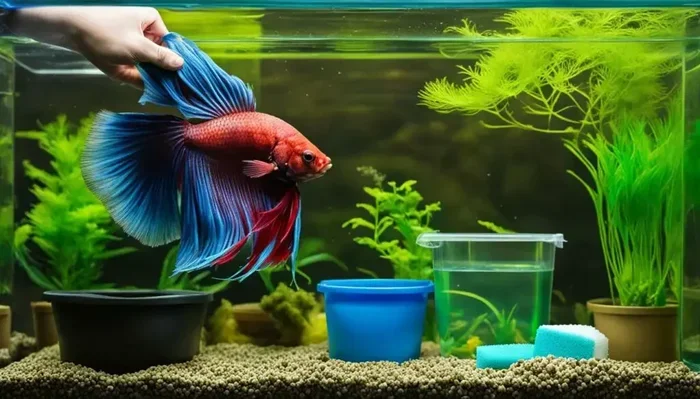
You will need a few basic items before you start:
- A water conditioner or water purifier
- A clean bucket dedicated to fish use only
- A water test kit (liquid or strip)
- A thermometer to check water temperature
- A siphon or gravel vacuum for water changes
Having everything ready makes the process smooth and fast. Never use soap or household cleaners on anything that touches your fish water. Residue can be toxic.
Step 2: Let the Water Sit (If Using Tap Water)
If you are using tap water, let it sit in an open container for 24 hours. This allows some chlorine to evaporate. However, this method does not remove chloramine. Chloramine is a combination of chlorine and ammonia. It does not evaporate easily. This is why using a water conditioner for betta fish is a better and faster option.
Letting water sit also helps the water reach room temperature. Betta fish prefer water between 76 and 82 degrees Fahrenheit. Sudden temperature changes can shock your fish.
Step 3: Add Water Conditioner
This is the most important step in how to purify water for betta fish. Add the recommended dose of water conditioner to your bucket of water. Stir it gently. The conditioner neutralizes chlorine, chloramine, and heavy metals instantly.
Most conditioners work within minutes. Read the label on your product for dosing instructions. A little goes a long way. Using too much conditioner will not harm your fish, but it is a waste of product.
Step 4: Test the Water
After treating the water, test it with your water test kit. Check for pH, ammonia, nitrite, and nitrate levels. These numbers tell you if the water is safe:
- pH: 6.5 to 7.5 is ideal for betta fish
- Ammonia: 0 ppm (parts per million)
- Nitrite: 0 ppm
- Nitrate: Below 20 ppm
If any levels are off, you may need to adjust. Some conditioners include buffering agents that help stabilize pH. This makes testing and treating easier.
Step 5: Match the Temperature
Use your thermometer to check that the treated water matches your tank temperature. If it is too cold, let it warm up in a safe place. If it is too warm, add a small amount of room-temperature water to cool it down.
Never add hot or cold water directly to the tank. Temperature shock is one of the leading causes of betta stress and illness.
Step 6: Add the Water to the Tank
Slowly pour the treated water into your tank. Use a plate or plastic bag to diffuse the flow and prevent disturbing your betta. If you are doing a partial water change, remove old water first using a siphon.
Always treat new water before adding it. Even if your tank already has clean water, new water may contain different chemicals or bacteria.
Common Water Purification Methods Compared
There are several ways to purify water for betta fish. Each method has pros and cons. Here is a quick comparison to help you choose the best option.
| Method | Cost | Effectiveness | Best For |
|---|---|---|---|
| Water Conditioner Drops | Low | High for chlorine/chloramine | Daily use and water changes |
| Letting Water Sit | Free | Low (removes chlorine only) | Emergency backup only |
| Activated Carbon Filter | Medium | High for impurities | Ongoing tank filtration |
| RO/DI System | High | Very high | Advanced setups and full control |
| UV Sterilizer | Medium-High | High for pathogens | Killing bacteria and parasites |
The most popular and affordable method is using water conditioner drops. They are fast, effective, and easy to use. For most betta fish owners, this is all you need. How to purify water for betta fish does not have to be complicated or expensive.
If you want more control over your water quality, consider an RO/DI system. These systems remove almost everything from the water. You then add back the minerals your betta needs. This method is popular among breeders and serious hobbyists.
Using a Water Filter in Your Tank
A good filter helps keep water clean between water changes. Filters remove debris, support beneficial bacteria, and improve water clarity. However, some filters are too strong for betta fish. Bettas prefer calm water because they are labyrinth fish that breathe from the surface. Choose a filter with adjustable flow or add a sponge pre-filter to reduce current.
Beneficial Bacteria and Water Cycling
Beneficial bacteria play a huge role in keeping water safe. These bacteria break down ammonia and nitrite into less harmful nitrate. This process is called cycling the tank. A fully cycled tank has a healthy colony of beneficial bacteria that works 24/7 to keep water clean.
You can boost beneficial bacteria by adding a bacterial starter culture. This helps your tank cycle faster. Never skip the cycling process before adding your betta. Uncycled tanks have high ammonia levels that can kill fish quickly.
How Often Should You Purify and Change Water?
Water purification is not a one-time task. It is an ongoing process. Regular maintenance keeps your betta fish healthy and happy.
For most betta tanks, a 25-50% water change for betta fish every week is ideal. This removes built-up waste, excess food, and dissolved chemicals. During each water change, you treat the new water with conditioner before adding it to the tank.
Some tanks need more frequent changes. Tanks smaller than 5 gallons may need water changes twice a week. Larger tanks with good filtration can go longer between changes. Always test your water to know for sure.
If you notice cloudy water, bad smells, or your betta acting strangely, do a water change right away. These are signs that your water quality has dropped. Quick action can save your fish’s life.
Signs Your Water Needs Purification
Watch for these warning signs that your water is not clean:
- Cloudy or murky water
- Unpleasant odor coming from the tank
- Your betta staying at the surface and gasping
- Loss of color or faded fins
- White spots or fuzzy growth on the body
- Refusing to eat or hiding more than usual
If you see any of these signs, test your water immediately. Treat the tank with the appropriate solution and do a partial water change. Acting fast can prevent serious health problems for your betta.
Common Mistakes to Avoid When Purifying Water
Even experienced fish keepers make mistakes. Here are the most common errors people make when purifying water for betta fish.
Using Untreated Tap Water Directly
This is the number one mistake. Tap water contains chlorine and chloramine that will harm or kill your betta. Always treat tap water before adding it to the tank. It takes only a few seconds to add conditioner. There is no excuse for skipping this step.
Using Too Much Conditioner
While conditioner is safe, using way too much can lower oxygen levels in the water. Follow the dosing instructions on the bottle. More is not better. A little conditioner goes a long way.
Ignoring Water Temperature
Bettas are tropical fish. They need warm, stable water. Adding cold water during a water change can cause temperature shock. Always match the temperature of new water to your tank water.
Not Testing Water Regularly
You cannot see ammonia, nitrite, or nitrate with the naked eye. Testing your water regularly is the only way to know if it is safe. Get a liquid test kit. They are more accurate than test strips. Testing takes just a few minutes and gives you peace of mind.
Using Soap or Household Cleaners
Never wash your fish bucket, thermometer, or siphon with soap. Soap residue is toxic to fish. Rinse all equipment with plain water. Keep a dedicated set of supplies for your fish tank only.
Forgetting to Remove Chloramine
Some water treatment plants switched from chlorine to chloramine. Chloramine does not evaporate when you let water sit. You must use a conditioner that specifically removes chloramine. Most quality conditioners do both. Check the label to be sure.
Expert Tips for Long-Term Water Quality
Keeping your betta’s water clean is about more than just water changes. Here are some expert tips that make a big difference over time.
- Do not overfeed your betta. Excess food decays and raises ammonia levels. Feed small amounts twice a day.
- Use a gravel vacuum during water changes. This removes debris from the substrate where waste collects.
- Add live plants if possible. Plants absorb nitrates and produce oxygen naturally.
- Keep your filter running 24/7. Turn it off only for cleaning. Filters house beneficial bacteria that purify water.
- Quarantine new fish before adding them to the tank. New fish can introduce diseases and parasites that affect water quality.
- Store water conditioner in a cool, dark place. Heat and light can reduce its effectiveness over time.
Following these tips will keep your tank water crystal clear and your betta fish healthy. Purifying water for betta fish becomes second nature once you build a routine. Consistency is the key to success.
Final Thoughts
How to purify water for betta fish is one of the most important skills you will learn as a fish owner. Clean water means a healthy betta, bright colors, active behavior, and a longer life. You do not need expensive equipment or advanced knowledge. A simple water conditioner, a test kit, and a consistent routine are all you need.
Start with the basics. Treat your tap water with conditioner. Do regular water changes. Test your water parameters. Watch your betta for signs of stress. These small habits add up to big results.
Your betta fish trusts you to provide a safe home. Taking the time to purify water for betta fish properly is the best way to honor that trust. Your fish will thank you with vibrant colors, energetic swimming, and a long, healthy life.
Now that you know how to purify water for betta fish, you are ready to take your fish care routine to the next level. Start today. Your betta will feel the difference.
Frequently Asked Questions
Can I use tap water directly for my betta fish?
No, you should never use tap water directly. Tap water contains chlorine and chloramine that are harmful to betta fish. Always treat tap water with a water conditioner before adding it to the tank.
How long should I let water sit before adding it to the tank?
If you are letting water sit to remove chlorine, 24 hours is recommended. However, this method does not remove chloramine. Using a water conditioner is faster and more effective for complete purification.
What is the best water conditioner for betta fish?
Look for a conditioner that removes chlorine, chloramine, and heavy metals. Brands like Seachem Prime and API Tap Water Conditioner are popular choices. Read reviews and follow the dosing instructions on the label.
Do I need to purify water for a betta bowl?
Yes, bowls need water purification too. In fact, bowls are even more vulnerable to water quality problems because they are small. Treat all water before adding it to a betta bowl, and do water changes more frequently.
Can I use bottled water for my betta fish?
Bottled spring water can work, but you should test it first. Some bottled waters have high mineral content or incorrect pH levels. Always check the parameters before using bottled water in your betta tank.
How do I know if my betta’s water is safe?
Use a liquid water test kit to check pH, ammonia, nitrite, and nitrate levels. Safe water has 0 ppm ammonia, 0 ppm nitrite, pH between 6.5 and 7.5, and nitrate below 20 ppm. Test your water weekly to stay on top of water quality.