How to Make Better Fishing Videos
Want to make better fishing videos that actually grab attention? This guide walks you through everything from choosing the right gear to editing like a pro. You will learn simple filming tricks, editing hacks, and storytelling tips that turn ordinary fishing clips into engaging fishing videos people love to watch.
Fishing is one of the most popular outdoor activities on the planet. Millions of people watch fishing content every single day on YouTube, TikTok, and Instagram. Whether you are a weekend angler or a serious bass hunter, making better fishing videos can help you share your passion with the world.
But here is the truth. Filming a great fishing trip is not as simple as pointing a phone at the water and hitting record. You need the right setup, a good eye for composition, and a solid editing workflow. The good news? You do not need expensive gear to get started. With a few smart choices, you can create fishing content that stands out from the crowd.
In this guide, we will cover everything you need to know about making better fishing videos. From picking the right camera to telling a story that keeps viewers watching, we have got you covered. Let us dive in.
Key Takeaways
- Right Gear Matters: A decent camera and waterproof setup make a huge difference in video quality.
- Lighting and Angles Are Key: Natural light and low camera angles create cinematic fishing footage.
- Storytelling Drives Views: A good narrative keeps viewers hooked from start to finish.
- Editing Makes or Breaks It: Clean cuts, music, and pacing turn raw clips into polished content.
- Consistency Builds an Audience: Posting regularly and finding your niche helps you grow as a fishing content creator.
📑 Table of Contents
Choose the Right Gear for Fishing Videos
Gear matters, but it does not have to break the bank. The best setup is the one you can afford and actually use. Start with what you have and upgrade over time as you grow more comfortable with filming.
Camera Options for Fishing Content
You do not need a professional cinema camera to make great fishing videos. A modern smartphone can produce stunning footage if you know how to use it. Here are some options to consider:
- Smartphones: iPhones and Android phones now shoot 4K video. They are lightweight, easy to carry, and perfect for on-the-go fishing content.
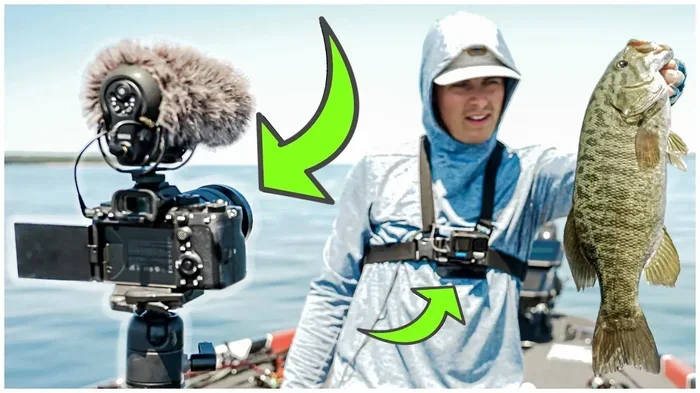
- Action Cameras: GoPro and similar cameras are waterproof and rugged. They are ideal for kayak fishing or capturing underwater footage while you catch fish better on the water.
- DSLR or Mirrorless Cameras: These give you more control over depth of field and low-light performance. Great for cinematic fishing vlogs.
Essential Accessories
A few affordable accessories can level up your fishing videos instantly. A waterproof phone case protects your device from splashes. A small tripod or suction cup mount keeps your camera steady while you focus on casting. A clip-on microphone helps capture the sounds of the water, birds, and bites clearly.
Quick Tip: Always carry extra batteries and memory cards. Nothing kills a great fishing day like a dead camera at the worst possible moment.
Master the Art of Filming on the Water
Filming on the water comes with unique challenges. Wind, glare, and movement can all ruin your footage if you are not prepared. Here are some proven techniques to get clean, cinematic shots every time.
Use Natural Light to Your Advantage
The best time to film fishing videos is during the golden hours. This is the period right after sunrise and just before sunset. The light is warm, soft, and flattering. It makes the water glow and brings out the colors of your tackle and surroundings.
Avoid filming at midday when the sun is directly overhead. The harsh light creates unflattering shadows and washes out the colors in your footage. If you must film during midday, look for shaded areas near trees or boat covers.
Frame Your Shots with Purpose
Every shot in your fishing video should serve a purpose. Before you hit record, ask yourself what story you are trying to tell. Are you showing the excitement of a big catch? Or are you sharing a peaceful morning on the lake?
Try these framing techniques:
- Low Angles: Place the camera near the water level to make your casts look dramatic and powerful.
- Wide Shots: Capture the full scenery to give viewers a sense of place and atmosphere.
- Close-Ups: Zoom in on the lure hitting the water or the reel dragging as you hook a fish.
Stabilize Your Camera
Shaky footage is the enemy of good fishing videos. A small handheld gimbal can smooth out your shots dramatically. If you do not have a gimbal, brace your arms against your body and move slowly. Walking with a wide stance also helps absorb movement and keeps your footage steady.
Expert Insight: Many successful fishing creators film from a stable position on a boat or dock. This eliminates most of the shake and lets you focus on capturing the action when a fish bites.
Tell a Story That Keeps Viewers Watching
This is where most fishing videos fall flat. People film great catches but fail to tell a story. Viewers do not just want to see fish. They want to feel something. A good fishing video takes the audience on a journey.
Start with a Hook
The first three seconds of your video are the most important. If you do not grab attention immediately, viewers will scroll past. Start with the most exciting moment, a stunning shot of the water, or a bold statement about your fishing trip.
For example, instead of starting with a boring wide shot of the lake, open with the splash of a bass breaking the surface. Then pull back to show the full scene. This creates curiosity and draws the viewer in.
Build a Simple Narrative Arc
Every good fishing video follows a basic story structure:
- Setup: Introduce the location, the weather, and your goal for the day.
- Conflict or Challenge: Show the difficulty. Maybe the fish are not biting, or the weather is turning.
- Climax: The big catch or the breakthrough moment.
- Resolution: Show the result and share what you learned.
This structure works whether you are filming a five-minute vlog or a thirty-second TikTok. It gives your content shape and keeps people watching until the end.
Edit Your Fishing Videos Like a Pro
Editing is where the magic happens. Raw footage is just that, raw. Editing is what turns clips into a polished, watchable video. You do not need expensive software to get great results.
Keep It Tight and Clean
One of the biggest mistakes beginner fishing videographers make is keeping too much dead air. Cut out the moments where nothing is happening. If you are waiting for a bite, skip ahead to the action. Your viewers want excitement, not three minutes of you staring at a bobber.
Use jump cuts to move the story forward quickly. But be careful not to cut too aggressively or the video will feel choppy. Find a rhythm that feels natural.
Add Music and Sound Effects
Music sets the tone for your fishing video. Use upbeat tracks for exciting catch compilations and calm, ambient sounds for peaceful fishing scenes. Many editing apps come with free music libraries that are safe to use without copyright issues.
Sound effects are equally important. The splash of a lure hitting the water, the reel clicking, and the wind blowing through the trees all add depth to your video. These small details make a big difference in how professional your content feels.
Color Correct and Enhance
Simple color correction can transform your footage. Boost the saturation slightly to make the water look more vibrant. Increase the contrast to make your subject stand out. Most free editing apps like CapCut, DaVinci Resolve, or iMovie have built-in color tools that are easy to use.
Quick Tip: Do not overdo the filters. Natural-looking footage always performs better than overly processed clips. Viewers can tell the difference, and they prefer authenticity.
Optimize Your Videos for Discovery
Making great fishing videos is only half the battle. You also need to make sure people can find them. Search engine optimization and platform algorithms play a huge role in how many views your content gets.
Write Compelling Titles and Descriptions
Your video title is the first thing people see. Make it clear, specific, and exciting. Instead of “My Fishing Trip,” try “How I Caught 10 Bass in One Hour on a Quiet Lake.” The second title tells a story and promises value.
In your description, naturally include keywords like how to make better fishing videos, fishing tips, and the specific species or location you are featuring. This helps search engines understand what your video is about and recommend it to the right audience.
Use Hashtags Strategically
Hashtags help your fishing videos reach new audiences. Use a mix of broad and specific tags. Broad tags like #fishing and #fishingvideos reach a large audience. Specific tags like #bassfishing or #kayakfishing target viewers who are genuinely interested in your content.
Also consider filming content around conditions that affect fishing success. For example, many viewers search for advice on whether it is better to go fishing before or after rain, and videos covering this topic tend to perform well. Similarly, content about how rain affects fishing can attract viewers looking for practical advice.
Common Mistakes to Avoid When Making Fishing Videos
Learning what not to do is just as important as learning what to do. Here are some common mistakes that hurt fishing videos:
- Filming with the sun directly behind you: This creates lens flare and washes out your image. Always position the sun to the side or behind your subject.
- Ignoring audio quality: Wind noise can ruin a great video. Use a windscreen on your microphone or film in calm conditions when possible.
- Too much talking, not enough action: Viewers came to see fishing, not a lecture. Keep your narration short and let the footage speak for itself.
- No call to action: Tell your viewers what to do next. Ask them to like, comment, or subscribe. This simple step grows your audience over time.
- Inconsistent upload schedule: Viewers return to channels they can rely on. Even posting once a week builds trust and momentum.
Remember, every great fishing creator started somewhere. Your first videos will not be perfect, and that is okay. The key is to keep improving with each upload. Focus on telling a good story, using clean footage, and connecting with your audience. Over time, your skills will develop and your channel will grow.
Final Thoughts on Making Better Fishing Videos
Making better fishing videos is a journey, not a destination. Every trip to the water is a chance to practice your filming and storytelling skills. Start with the basics, stay consistent, and keep learning from both your successes and your mistakes.
The fishing community is full of passionate people who love to share their knowledge. Use that energy to fuel your creativity. Try new angles, experiment with editing styles, and most importantly, have fun with it. When you enjoy the process, it shows in your content, and viewers can feel that authenticity.
So grab your camera, head to your favorite fishing spot, and start creating. The world is waiting to see your fishing videos. You just need to take the first step.
Frequently Asked Questions
What camera is best for making fishing videos?
A smartphone with 4K capability is the best starting point for most beginners. If you want more durability on the water, an action camera like a GoPro is a great choice. For cinematic quality, a mirrorless camera with a waterproof housing works well.
How do I get good audio in windy fishing conditions?
Use a shotgun microphone with a windscreen or deadcat cover. You can also film in sheltered spots like under a boat canopy or near tree lines where the wind is blocked. Post-production audio tools can help reduce wind noise too.
How long should a fishing video be?
It depends on the platform. For YouTube, aim for 5 to 15 minutes. For TikTok and Instagram Reels, keep it under 60 seconds. Short, engaging clips perform best on social media, while longer videos work well for in-depth storytelling on YouTube.
Do I need expensive gear to make good fishing videos?
Not at all. Many successful fishing creators started with just a smartphone and a cheap tripod. Focus on storytelling and good lighting first. You can always upgrade your gear as your channel grows and you start earning revenue.
What makes a fishing video go viral?
Viral fishing videos usually have a strong hook in the first few seconds, a clear and exciting story, and high-quality visuals. A big catch, a funny moment, or stunning scenery can all trigger shares. Consistency and authenticity also play a big role in building a loyal audience over time.
How often should I post fishing videos?
Posting at least once a week is a solid goal for growing your channel. Consistency matters more than quantity. Even if you only have time to film a short clip, regular uploads keep your audience engaged and signal to algorithms that your channel is active.