How Often Do I Feed a Baby Betta Fish
How often do i feed a baby betta fish? Baby bettas need small, frequent meals — typically 3 to 5 times per day — in tiny portions. Unlike adult bettas, fry require high-protein, easily digestible food served in micro-portions to support their rapid growth. Following the right feeding schedule and avoiding overfeeding are the keys to raising strong, healthy betta fry.
Welcoming a baby betta fish into your aquarium is exciting. These tiny, colorful creatures are full of energy and potential. But one of the biggest challenges new betta owners face is figuring out the right feeding routine. If you have ever wondered, how often do i feed a baby betta fish, you are not alone. This guide walks you through everything you need to know about baby betta fish feeding to keep your little fry happy and healthy.
How often do i feed a baby betta fish depends on their age, size, and development stage. Newborn bettas have very small stomachs and super fast metabolisms. They simply cannot eat one big meal like adult bettas do. Instead, they need multiple small feedings throughout the day. Getting this right from day one sets the foundation for a strong, vibrant fish. Let us dive into the details so you can feel confident about your betta fry care routine.
Key Takeaways
- Feed 3 to 5 times daily: Baby bettas need frequent small meals to fuel their fast growth and high metabolism.
- Portion size matters: Each meal should be tiny — no bigger than what fits on the tip of a pin.
- Use the right food: Baby brine shrimp, crushed flakes, and specialized fry food are the best options for newborn bettas.
- Watch for overfeeding signs: Cloudy water, uneaten food, and bloated fry are clear warning signs you are feeding too much.
- Maintain water quality: Frequent feeding means more waste, so regular tank cleaning is essential for betta fry health.
- Adjust as they grow: Reduce feeding frequency gradually as your baby betta transitions into an adult.
- Consistency is key: Stick to a regular feeding schedule to keep your betta fry on a healthy growth track.
📑 Table of Contents
Understanding Baby Betta Fish Nutritional Needs
Before we get into the exact schedule, it helps to understand what baby bettas actually need to eat. Newborn betta fish are very different from adults in terms of diet. Their tiny bodies are growing rapidly, which means they need a protein-rich diet that is easy to digest.
Why Baby Bettas Need Frequent Meals
Baby bettas have extremely small stomachs. Think about the size of their eye — that is roughly the size of their stomach. Because of this, they cannot process large amounts of food at once. Their bodies burn through energy quickly, which is why frequent small meals work best. Skipping meals or giving them too much at once can cause serious health problems.
The goal of how often do i feed a baby betta fish is to mimic their natural feeding pattern. In the wild, baby bettas would graze on tiny organisms throughout the day. Your job is to recreate that in a home aquarium. This means offering food in small amounts multiple times daily.
Best Foods for Baby Betta Fish
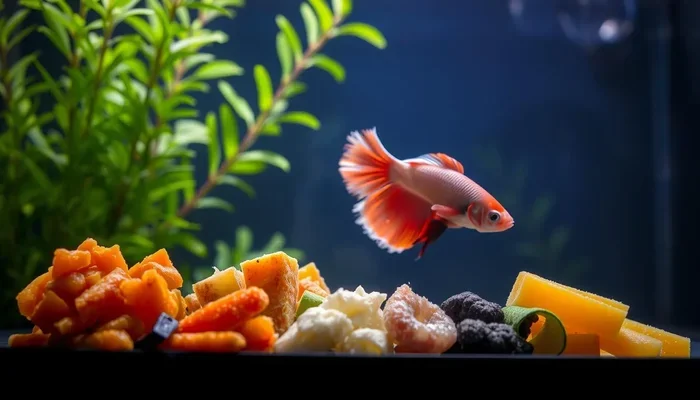
Not all fish foods are created equal for newborns. Here are the top options for your betta fry diet:
- Baby brine shrimp: This is the gold standard for newborn bettas. The tiny size and high protein content make it perfect.
- Crushed betta flakes: Regular flakes work, but you need to crush them into a fine powder first.
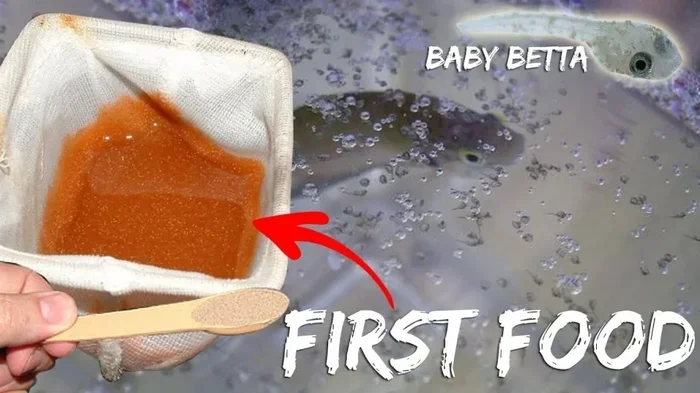
- Specialized fry food: Commercial fry powders are designed specifically for baby fish and absorb water easily.
- Microworms: These tiny live worms are an excellent source of protein for growing betta fry.
- Infusoria: These microscopic organisms are a natural first food for very young bettas.
Avoid feeding adult betta pellets to newborns. They are too large and hard to digest. If you are ever unsure about can you feed a baby betta fish a certain food, always choose something smaller and softer.
How Often Should You Feed a Baby Betta Fish
Now we get to the core question. How often do i feed a baby betta fish at each stage of development? The answer changes as your betta grows. Here is a clear breakdown.
Newborn Stage (0 to 2 Weeks Old)
During the first two weeks of life, baby bettas need to eat almost constantly. At this stage, feed them 5 to 6 times per day. Each feeding should be incredibly small — just a few grains of crushed flake food or a tiny sprinkle of fry powder.
Newborn bettas are still absorbing their yolk sacs for nutrition in the first few days. After that, they need external food. Start with infusoria or liquid fry food and gradually introduce baby brine shrimp as they grow a bit larger.
Early Growth Stage (2 to 4 Weeks Old)
Between two and four weeks old, your betta fry can handle slightly larger meals. Feed them 4 times per day. You can introduce crushed flakes and microworms at this point. The portions should still be very small, but you will notice your fry getting more active and hungry.
During this stage, pay close attention to how much food your fry consume. Remove any uneaten food within a few minutes to keep the water clean. Poor water quality is one of the biggest threats to baby bettas.
Juvenile Stage (4 to 8 Weeks Old)
From four to eight weeks, you can reduce feedings to 3 times per day. Your bettas are now bigger and their stomachs can handle slightly more food. You can start offering small pieces of baby brine shrimp and finely crushed pellets.
This is also the stage where you can begin to see your bettas’ colors developing. Proper nutrition plays a huge role in vibrant coloration, so do not skip feedings or cut portions too early.
How Much Should You Feed a Baby Betta Fish
Frequency and portion size go hand in hand. Even if you feed your baby betta the right number of times, giving too much at each meal can be harmful. So how much is the right amount?
The Pinch Rule
A good rule of thumb is to offer only what your fry can eat in 2 to 3 minutes. For newborn bettas, this might be just a few specks of food. For older fry, it could be a slightly larger pinch of crushed flakes or a couple of microworms.
Remember, a baby betta’s stomach is about the size of its eye. Keeping portions tiny prevents overfeeding, which leads to dirty water and health issues. If you are ever in doubt, it is always better to underfeed slightly than to overfeed.
Signs You Are Overfeeding Your Baby Betta
Overfeeding is one of the most common mistakes new betta owners make. Watch out for these warning signs:
- Cloudy or dirty water shortly after feeding
- Food floating uneaten after several minutes
- Bloated or distended bellies on the fry
- Lethargic behavior after meals
- Fungal growth in the tank from decomposing food
If you notice any of these signs, reduce the portion size immediately. Clean the tank to remove uneaten food and check your water parameters. For more information on keeping the environment clean, check out our guide on how often to clean a betta fish tank.
Creating the Perfect Feeding Schedule
Consistency is one of the most important aspects of baby betta fish feeding. Bettas thrive on routine, and a predictable schedule helps them stay healthy and stress-free. Here is how to set up a reliable feeding routine.
Sample Daily Feeding Schedule
Here is a simple schedule you can follow for your betta fry:
- 7:00 AM: First feeding — small portion of crushed flakes or fry food
- 11:00 AM: Second feeding — a few baby brine shrimp or microworms
- 3:00 PM: Third feeding — small pinch of crushed food or liquid fry food
- 7:00 PM: Fourth feeding — tiny portion of brine shrimp or crushed flakes
For newborns, you may want to add a fifth feeding around 9:00 PM. As your betta grows past four weeks, you can drop to three feedings per day. The key is to space meals evenly throughout the day so your fry are never going too long without food.
Tips for Sticking to the Schedule
Life gets busy, and sometimes you might miss a feeding. That is okay. Here are a few tips to make it easier:
- Set phone alarms for each feeding time
- Prepare food in advance so it is ready to go
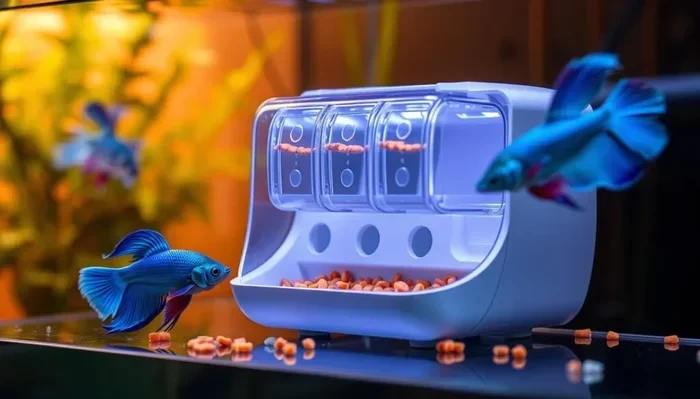
- Use an automatic feeder if you need to be away for a few hours
- Keep a feeding log to track what and when you feed your fry
If you plan to be away from home, make sure you have a plan for your betta. You can learn more about feeding your betta while traveling in our article on how do i feed my betta fish on vacation.
Common Feeding Mistakes to Avoid
Even experienced fish keepers make mistakes when feeding baby bettas. Here are the most common errors and how to avoid them.
Feeding Too Much at Once
This is the number one mistake. It is tempting to give your fry a big meal, especially when they swim toward the food eagerly. But remember, their stomachs are tiny. Large portions expand in their stomachs and can cause bloating, constipation, and even death in severe cases. Always go small and frequent.
Skipping Feedings
On the flip side, skipping feedings can stunt your betta fry’s growth. Baby bettas need consistent nutrition to develop properly. If you know you will be busy, prepare food ahead of time or ask someone to help with feedings. For more on general care routines, visit our guide on how do i take care of a betta fish.
Using the Wrong Food Size
Adult betta food is not suitable for newborns. Pellets and large flakes will simply pass through your fry uneaten or cause digestive issues. Always use food specifically designed for baby fish or crush everything to a fine powder. Check out our article on how many pellets to feed a betta fish for more portion guidance as your fish grows.
Ignoring Water Quality
Frequent feeding means more waste in the tank. If you do not keep up with water changes and cleaning, ammonia levels will rise quickly. Baby bettas are extremely sensitive to poor water conditions. For detailed cleaning guidance, read our article on how often to clean a betta fish tank.
How Feeding Changes as Your Betta Grows
Understanding how feeding needs evolve is important for long-term betta fish care. Your baby betta will not need the same schedule forever. Here is how the transition works.
From Fry to Juvenile
Around eight weeks old, your betta is considered a juvenile. You can reduce feedings to 2 to 3 times per day and start introducing larger food items like small pellets and frozen bloodworms. The portions can also increase slightly at this stage.
From Juvenile to Adult
By three to four months old, your betta is approaching adulthood. At this point, feed them 2 times per day with standard betta pellets or a varied diet of flakes, pellets, and occasional treats like frozen or live food.
Always monitor your betta’s body condition. A healthy betta should have a rounded but not bloated belly. If you notice your betta is not eating well or looks thin, you may need to adjust the diet or consult a fish health resource. Our article on how do you know a betta fish is dying can help you identify serious health concerns early.
Expert Tips for Raising Healthy Betta Fry
Beyond just feeding, there are a few extra steps that make a big difference in raising healthy baby bettas. Here are some expert-backed tips:
- Keep the water warm: Baby bettas need temperatures between 78 and 80 degrees Fahrenheit for optimal growth.
- Use a sponge filter: This prevents strong currents that can exhaust tiny fry while keeping the water clean.
- Separate aggressive fry: Some bettas grow faster and may bully slower siblings. Be prepared to separate them if needed.
- Perform small water changes: Replace 10 to 20 percent of the water every few days to maintain pristine conditions for your fry.
- Be patient: Baby bettas grow slowly at first. Give them time, consistent care, and proper nutrition.
For a complete overview of betta care essentials, check out our article on how do you care for a betta fish. It covers everything from tank setup to feeding to health monitoring.
Conclusion
Figuring out how often do i feed a baby betta fish does not have to be overwhelming. The key is to feed small, frequent meals using the right food for your betta’s age. Newborn fry need 5 to 6 feedings per day, while older juveniles can transition to 3 times daily. Always watch your fry for signs of overfeeding or underfeeding and adjust accordingly.
Remember, proper nutrition is just one part of the equation. Clean water, consistent temperatures, and a stress-free environment all play vital roles in raising healthy bettas. By following the feeding schedule and tips in this guide, you are giving your baby betta the best possible start in life. Stick with it, stay consistent, and enjoy watching your tiny fry grow into beautiful, vibrant adult bettas.
Frequently Asked Questions
How many times a day should I feed a baby betta fish?
Newborn baby bettas should be fed 5 to 6 times per day. As they grow into juveniles (around 4 weeks old), you can reduce this to 3 to 4 times per day. By the time they reach 8 weeks, twice-daily feedings are usually sufficient. The key is offering small portions at each feeding.
What is the best food for baby betta fish?
The best foods for baby bettas include baby brine shrimp, crushed betta flakes, microworms, infusoria, and specialized fry food powder. These options are small enough for tiny mouths and high in protein to support rapid growth. Avoid adult pellets and large flakes until your betta is at least 4 weeks old.
Can overfeeding kill a baby betta fish?
Yes, overfeeding can be fatal for baby bettas. Uneaten food decays in the water, raising ammonia levels that are toxic to delicate fry. Overfed bettas can also become bloated, constipated, or develop swim bladder issues. Always offer tiny portions and remove any uneaten food within a few minutes.
How do I know if my baby betta fish is hungry?
Hungry baby bettas will swim actively toward the food surface and may show increased pacing or begging behavior. If your fry are ignoring food or seem lethargic, they may have been fed recently or the water conditions may need checking. A consistent feeding schedule helps you recognize natural hunger cues.
Should I feed my baby betta fish the same food as adult bettas?
No, baby bettas need different food than adults. Their tiny stomachs and developing digestive systems require smaller, softer, and more protein-rich foods. Adult pellets and large flakes are too big for newborns. Start with infusoria or liquid fry food, then gradually introduce crushed flakes and baby brine shrimp as they grow.
How long can a baby betta fish go without eating?
Baby bettas should not go more than a few hours without food during their first few weeks of life. Unlike adult bettas, fry have very little energy stored and need frequent meals. If you need to be away, arrange for someone to feed your fry or use a reliable automatic feeder designed for small portions.