How Often Do Betta Fish Get Fed

Knowing how often do betta fish get fed is one of the most important parts of betta fish care. Most bettas thrive on two small meals per day, but the right schedule depends on age, diet, and activity level. This guide covers everything from feeding frequency to portion size, helping you keep your betta healthy and vibrant.
If you own a betta fish, you probably wonder how often do betta fish get fed. It is one of the most common questions new fish owners ask. And honestly, it is not as simple as “just sprinkle some food in the tank.” The betta fish feeding schedule you follow can make a huge difference in your fish’s health, color, and lifespan.
Feeding a betta is not just about putting food in the water. It is about understanding your fish’s needs, watching its behavior, and building a routine that works for both of you. In this guide, we will walk through everything you need to know about how often to feed betta fish, what to feed them, and the mistakes most people make.
Whether you just brought home your first betta or you have had one for years, this article will give you practical, actionable advice you can use today. Let us dive in.
Key Takeaways
- Feed adult bettas twice a day with small portions that they can finish in 2 minutes.
- Young betta fish need more frequent meals — up to 3 times daily — to support rapid growth.
- Overfeeding is the #1 mistake and can lead to obesity, constipation, and poor water quality.
- A balanced betta diet includes pellets, flakes, and occasional live or frozen treats.
- Watch for hunger cues like begging behavior and adjust portions accordingly.
- Skip one meal per week to help prevent digestive issues and keep your betta healthy.
📑 Table of Contents
Why Feeding Frequency Matters for Betta Fish
The feeding frequency for betta fish matters more than most people realize. Bettas are small tropical fish with a digestive system that works best on small, frequent meals. Unlike larger aquarium fish, bettas cannot handle large amounts of food all at once.
When you feed your betta the right amount at the right times, you support healthy digestion, steady energy, and vibrant colors. But when you overfeed or underfeed, problems start to appear quickly. Betta fish care starts with getting the basics right, and feeding is right at the top of that list.
The Betta Digestive System
Bettas have short digestive tracts. This means they process food quickly and efficiently. But it also means they can only handle small portions at a time. A betta’s stomach is roughly the size of its eye. That gives you a clear picture of how much food is appropriate.
Feeding too much at once can cause bloating, constipation, and even swim bladder issues. On the other hand, feeding too little can lead to malnutrition and low energy. Finding the right balance is the key to a long, healthy life for your fish.
How Feeding Schedule Affects Behavior
Bettas are intelligent fish. They quickly learn when mealtime comes. A consistent feeding routine helps reduce stress and keeps your betta active and curious. Many bettas will start “begging” for food when they sense feeding time is near.
This behavior is actually a great indicator of your fish’s overall well-being. If your betta stops showing interest in food, it could signal illness, stress, or poor water conditions. Paying attention to these cues is an essential part of responsible fish keeping.
How Often Do Betta Fish Get Fed: The Ideal Schedule
The short answer to how often do betta fish get fed is twice a day for adults. But the full picture is a bit more nuanced. Let us break it down by age and living situation so you can tailor the schedule to your specific fish.
Adult Betta Fish Feeding Schedule
For adult bettas (over 6 months old), two small meals per day is the gold standard. Feed your betta once in the morning and once in the evening. Each meal should be small enough that your fish can finish it within 2 minutes.
This twice-daily schedule mimics the natural eating patterns of bettas in the wild, where they would forage for small meals throughout the day. It also gives the digestive system time to process food between feedings, which supports better nutrient absorption.
Many experienced fish keepers also recommend skipping one meal per week. This fasting period helps clear the digestive tract and can prevent common issues like constipation and bloating. You can read more about do betta fish get constipated in our dedicated guide.
Young Betta Fish Feeding Schedule
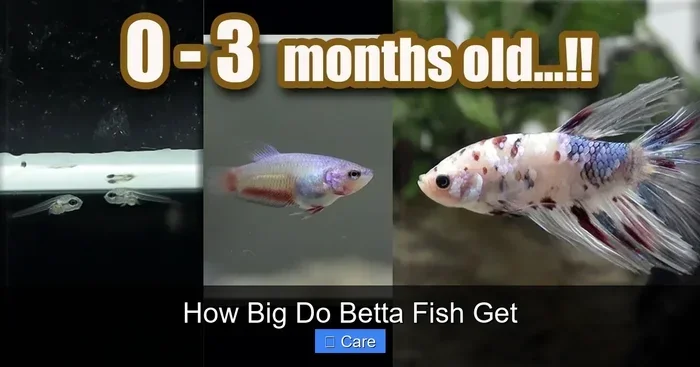
Baby and juvenile bettas grow quickly, and fast growth requires more fuel. Young bettas under 6 months old benefit from three to four small meals per day. Each meal should be even smaller than what you would feed an adult.
The goal is to provide steady nutrition without overwhelming the young fish’s digestive system. As your betta grows, you can gradually reduce the number of daily feedings down to two. This transition usually happens naturally between 4 and 6 months of age.
Betta Fish in Tanks vs. Bowls
Where your betta lives also plays a role in feeding frequency. Fish in larger tanks with stable water quality can handle a more consistent feeding schedule. The environment is less stressful, and the fish tends to be more active and hungry.
Bettas kept in smaller bowls or vases may have a slightly slower metabolism due to cooler water temperatures. In these cases, two small meals per day still works, but you may need to reduce portion sizes slightly. Learn more about maintaining clean water in our guide on how often do you clean a betta fish bowl.
What to Feed Your Betta Fish
Getting the frequency right is only half the battle. What you feed your betta matters just as much. A betta fish diet should be varied and nutritionally balanced to support overall health, bright colors, and strong immunity.
High-Quality Betta Pellets
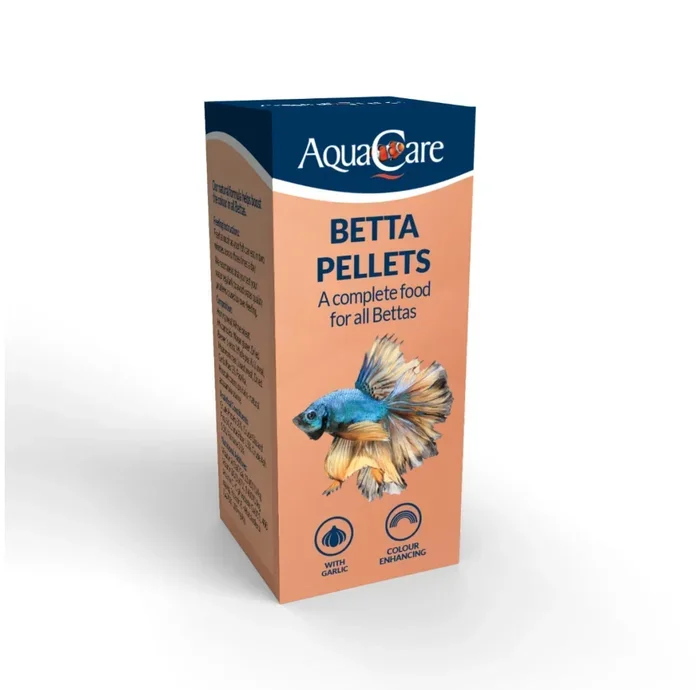
Betta pellets are the foundation of a good feeding plan. Look for pellets specifically formulated for bettas. These are typically high in protein and low in fillers. A quality pellet should list fish meal or whole fish as the first ingredient.
Feed 2 to 3 pellets per meal for an adult betta. You can adjust the number based on how quickly your fish eats and its body condition. Pellets are convenient, shelf-stable, and easy to portion, making them the go-to choice for most fish owners.
Betta Flakes
Betta flakes are another popular option, especially for beginners. They are easy to find and simple to use. However, flakes tend to lose nutritional value quickly once the container is opened. They also break apart in water faster than pellets, which can lead to waste and poor water quality.
If you choose flakes, feed a small pinch and remove any uneaten flakes after a few minutes. For more detailed guidance, check out our article on how often do you feed betta fish flakes.
Live and Frozen Foods
Live and frozen foods are excellent treats that can boost your betta’s health and appetite. Good options include bloodworms, brine shrimp, and daphnia. These foods are rich in protein and closely mimic what bettas would eat in the wild.
Use live or frozen foods as supplements, not staple meals. Feed them 1 to 2 times per week as a special treat. Overfeeding these rich foods can cause digestive upset and contribute to weight gain. Find out more about keeping your betta at a healthy weight in our article on do betta fish get fat.
Homemade and Alternative Foods
Some fish keepers like to offer blanched vegetables like peas or zucchini as occasional treats. These can help with digestion and add variety to the diet. Just make sure to remove any uneaten portions quickly to avoid fouling the water.
You can also find freeze-dried options like bloodworms and tubifex worms at most pet stores. These are convenient and long-lasting. Just remember to soak them in tank water before feeding to prevent air from getting into your betta’s digestive system.
Portion Size: How Much Should You Feed a Betta Fish?
Portion control is one of the most important aspects of betta fish feeding. It is easy to overfeed, especially when your fish is staring at you with those big, eager eyes. But discipline here pays off in a big way.
The general rule is to feed only what your betta can consume in 2 minutes. For pellets, this usually means 2 to 4 pellets per meal. For flakes, a small pinch is enough. If there is food left in the tank after 2 minutes, you have given too much.
Uneaten food decays quickly in water, releasing ammonia and nitrites that harm your fish. This is why portion control directly impacts your water quality as well. It is a two-for-one benefit of feeding responsibly.
The Eye Test
A handy trick many experienced keepers use is the “eye test.” Look at your betta’s eye. The portion of food you offer should be roughly the size of the fish’s eyeball. It sounds simple, but it is surprisingly effective for judging the right amount.
This method works well for both pellets and flakes. It takes the guesswork out of feeding and helps you build confidence in your routine. Over time, you will get a feel for what works best for your specific fish.
Common Feeding Mistakes to Avoid
Even experienced fish keepers can fall into bad habits when it comes to feeding. Here are the most common mistakes and how to avoid them.
Overfeeding
Overfeeding is the number one killer of betta fish, and it is entirely preventable. Many people think a full belly means a happy fish, but that is not the case. Excess food sits in the tank, rots, and pollutes the water. This leads to ammonia spikes, which stress and can kill your betta.
Signs of overfeeding include a swollen belly, lethargy, and food sitting at the bottom of the tank for long periods. If you notice these signs, reduce the portion size immediately and consider a fasting day.
Underfeeding
Underfeeding is less common but still a concern, especially with new fish owners who are afraid of doing something wrong. A consistently underfed betta will lose color, become lethargic, and may start losing weight.
If you are worried about overfeeding, remember that a small, controlled portion twice a day is enough. You can always offer a tiny bit more if your betta finishes everything quickly. Just use caution and observe your fish’s response.
Inconsistent Feeding Times
Bettas thrive on routine. Feeding at random times throughout the day can stress your fish and disrupt its internal clock. Try to feed at the same times each day, ideally once in the morning and once in the evening.
If you travel or are away from home, use an automatic fish feeder or ask a trusted friend to feed your betta while you are gone. Most bettas can safely go 2 to 3 days without food, so short trips are usually not a problem.
Feeding the Wrong Foods
Not all fish food is created equal. Generic tropical flakes or goldfish flakes do not meet the nutritional needs of bettas. Bettas are carnivores and need a diet high in protein. Always choose foods specifically designed for bettas or other carnivorous fish.
Read the ingredients list before buying. Avoid foods heavy in fillers like wheat, corn, or soy. These provide little nutritional value and can cause digestive problems over time.
How Feeding Connects to Overall Betta Health
Feeding is not just about nutrition. It is deeply connected to your betta’s overall health and well-being. A proper feeding routine supports a strong immune system, healthy digestion, and bright, vivid colors.
When your betta is well-fed but not overfed, it has the energy to explore its environment, build bubble nests, and display its full range of behaviors. A stressed or malnourished betta, on the other hand, becomes withdrawn and susceptible to illness.
If you ever notice changes in your betta’s eating habits, pay attention. A sudden loss of appetite can be an early warning sign of illness. Pairing good nutrition with clean water and a stress-free environment gives your betta the best chance at a long, happy life.
Signs Your Feeding Routine Is Working
How do you know your betta fish feeding schedule is on track? Look for these positive signs:
- Your betta eagerly comes to the front of the tank at feeding time
- Food is consumed within 2 minutes
- Your betta maintains a healthy, streamlined body shape
- Colors remain bright and vibrant
- Your betta is active and curious throughout the day
- Regular bubble nest building (in males)
If you are seeing these signs, you are doing a great job. Keep up the good work and continue to monitor your fish’s behavior and appetite. Small adjustments over time can make a big difference.
Key Takeaways
- Adult bettas should be fed twice a day with small, controlled portions.
- Young bettas need more frequent meals — three to four times daily — to support growth.
- Overfeeding is the most common mistake and can lead to serious health and water quality problems.
- A varied diet of quality pellets, occasional flakes, and weekly treats keeps your betta healthy and happy.
- Portion size matters — offer only what your betta can eat in 2 minutes.
- Consistency is key — feed at the same times each day to reduce stress and build routine.
- Skip one meal per week to support healthy digestion and prevent constipation.
Conclusion
So how often do betta fish get fed? The answer is simple: twice a day for adults, more often for young fish, with small portions each time. But behind that simple answer is a world of nuance that every betta owner should understand.
Getting the feeding frequency, portion size, and food quality right sets the foundation for a healthy, happy betta. It is one of the simplest yet most impactful things you can do as a fish owner. When you pair good feeding habits with clean water and a comfortable environment, your betta will thrive.
Start today by evaluating your current feeding routine. Are you feeding at consistent times? Are the portions appropriate? Is the food high quality? Small changes can lead to big improvements in your betta’s health and happiness. Your fish will thank you with vibrant colors, playful behavior, and years of companionship.
Frequently Asked Questions
How many times a day should I feed my betta fish?
For adult bettas, twice a day is ideal. Feed once in the morning and once in the evening with small portions. Young bettas under 6 months old may need three to four small meals per day to support their rapid growth. Always adjust portion sizes so your fish finishes the food within 2 minutes.
Can I feed my betta fish once a day?
Yes, once a day can work, especially if you skip a meal one day per week for digestive health. However, twice a day is generally preferred because it better mimics a betta’s natural eating patterns and provides more consistent energy throughout the day. If you feed once a day, make sure the portion is nutritionally dense.
What happens if I overfeed my betta fish?
Overfeeding can cause bloating, constipation, and swim bladder issues in bettas. Excess food also decays in the tank, polluting the water and raising ammonia levels. This creates a stressful environment that weakens your fish’s immune system and can lead to illness. Always feed only what your betta can consume in 2 minutes.
How long can a betta fish go without eating?
A healthy adult betta can go 2 to 3 days without food without any problems. In fact, a short fasting period once a week can benefit digestion. However, young bettas and fish with health issues should not go more than a day without food. If your betta refuses food for more than 3 days, check water parameters and look for signs of illness.
Is it okay to feed my betta flakes every day?
Flakes can be fed daily, but they should not be the only food in your betta’s diet. Flakes tend to lose nutritional value quickly and can create more waste than pellets. For the best results, use high-quality pellets as the staple diet and offer flakes as a supplement or treat. You can read more about feeding flakes specifically in our guide on how often do you feed betta fish flakes.
How can I tell if my betta is hungry?
Bettas display clear hunger cues like swimming to the front of the tank and begging for food. However, begging does not always mean your fish needs more food — it is often just learned behavior. Check your betta’s body shape; a healthy betta should have a streamlined body, not a bloated one. If you are unsure, reduce portion sizes slightly and observe how your fish responds over several days.