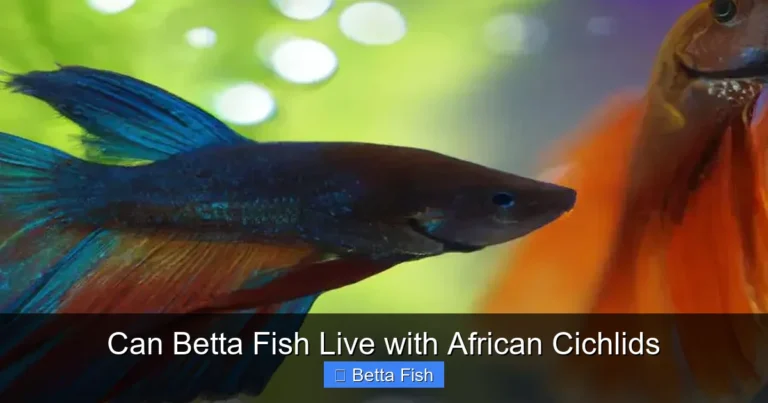
How Much Room Does 1 Betta Fish Need

A single betta fish needs at least a 5-gallon tank to live a healthy, happy life. Many people mistakenly keep bettas in tiny bowls, but these colorful fish need adequate swimming space, stable water parameters, and room to explore. This guide covers the exact space requirements, tank setup essentials, and proven tips to give your betta the best home possible.
You love your betta fish. Those flowing fins, the vibrant colors, the curious personality — it is hard not to fall for these stunning creatures. But here is something many new betta owners overlook: how much room does 1 betta fish need. The answer might surprise you.
A lot of people think bettas can live in tiny cups or small bowls. Pet stores sometimes display them in containers smaller than a soda can. But that is not a life. That is survival. A betta fish kept in proper space will be healthier, more active, and live significantly longer. In this article, we will walk through everything you need to know about betta fish space requirements, the best tank sizes, and how to set up a home your fish will truly thrive in.
Let us get into it, because your betta deserves a lot more than a cramped little bowl.
Key Takeaways
- Minimum Tank Size: A 5-gallon tank is the absolute minimum for one betta fish. Larger is always better.
- Bowl Keeping Is Harmful: Small bowls restrict movement, destabilize water, and shorten your betta’s lifespan.
- Tank Shape Matters: Wider tanks offer more surface area for oxygen exchange than tall, narrow tanks.
- Filtration and Heating Are Essential: A gentle filter and a heater set to 78–80°F keep your betta healthy.
- Overcrowding Is a Common Mistake: Never house multiple male bettas together, and research tank mates carefully.
- More Space Means Less Maintenance: Larger tanks dilute waste and keep water parameters stable longer.
📑 Table of Contents
- How Much Room Does 1 Betta Fish Need
- The Problems With Small Bowls and Vases
- Ideal Tank Sizes for One Betta Fish
- What Else Goes Into a Proper Betta Setup
- Common Mistakes That Waste Your Betta’s Room
- How Space Affects Your Betta’s Health and Lifespan
- Quick Tips for Maximizing Your Betta’s Space
- Final Thoughts on Betta Fish Room Requirements
How Much Room Does 1 Betta Fish Need
The short answer is that a single betta fish needs a minimum of a 5-gallon tank. But the full answer is a bit more nuanced. The right amount of room depends on several factors, including your betta’s age, activity level, and whether you plan to keep any tank mates.
When we talk about room, we are really talking about three things: physical swimming space, water stability, and environmental enrichment. Each of these plays a big role in your fish’s overall well-being. Let us break them down one by one.
Why 5 Gallons Is the Minimum
A 5-gallon tank gives your betta enough room to swim freely in all directions. It also provides enough water volume to dilute waste products like ammonia and nitrite. In a smaller container, these toxins build up fast, even with regular water changes. That means your fish is constantly exposed to harmful chemicals that stress its immune system.
Here is a simple way to think about it. Imagine living in a closet. You could survive, but you would not be happy or healthy. Now imagine moving into a small apartment. That is the difference between a 1-gallon bowl and a 5-gallon tank. Your betta gets room to explore, rest, and be a fish.
The Problems With Small Bowls and Vases
You have probably seen bettas kept in small glass bowls or decorative vases. They look pretty in pet store displays, and they might seem convenient. But these tiny setups come with serious problems that every betta owner should understand.
Water Quality Falls Apart Fast
In a small bowl, water parameters swing wildly. Temperature drops quickly when the room gets cold. Ammonia spikes after just one feeding. There is almost no room for beneficial bacteria to establish a stable nitrogen cycle. This means you are constantly fighting to keep the water safe for your fish.
Even if you change the water every day, small bowls create a rollercoaster of conditions that stress your betta over time. Stress leads to disease, faded colors, and a shorter lifespan.
Your Betta Cannot Be a Fish
Bettas are active swimmers. In the wild, they move through rice paddies, slow streams, and flooded fields. They explore, they hunt, they claim territory. A tiny bowl strips away all of that natural behavior. Your fish may seem fine at first, but over weeks and months, you might notice it becoming lethargic, hiding, or losing its vibrant colors.
If you want your betta to truly live — not just survive — it needs proper space. Learn more about what a betta fish truly needs to live a full and healthy life.
Ideal Tank Sizes for One Betta Fish
While 5 gallons is the minimum, bigger tanks offer real advantages. Let us look at the common tank sizes and what each one means for your betta.
| Tank Size | Pros | Cons |
|---|---|---|
| 3–5 gallons | Easy to place, affordable, good for beginners | Water parameters can shift quickly, limited swimming room |
| 10 gallons | More stable water, room for plants and décor, easier to heat evenly | Takes up more space, slightly higher cost |
| 20 gallons | Excellent water stability, room for tank mates, lots of enrichment options | Requires more room in your home, heavier setup |
Most experts agree that a 10-gallon tank is the sweet spot for a single betta. It gives your fish plenty of swimming room while keeping water parameters steady. A 10-gallon tank also opens up possibilities for live plants, gentle filtration, and a comfortable heater — all things that make a huge difference in your betta’s quality of life.
If you are serious about betta care, you should also check out our guide on how big a betta fish tank needs to be for more detailed tank size recommendations.
Does Tank Shape Matter?
Yes, it does. Wide, long tanks are better than tall, narrow ones. Bettas are not deep-water fish. They swim horizontally and need space to move side to side. A wide tank also provides more surface area, which means better oxygen exchange at the water’s surface. Your betta will thank you for that extra room to glide around.
What Else Goes Into a Proper Betta Setup
Room is just one piece of the puzzle. A proper betta setup includes several elements that work together to create a healthy environment. Let us walk through the essentials.
Filtration Without the Strong Current
Bettas do not like strong water flow. Their long fins make them slow swimmers, and a powerful filter can tire them out quickly. The solution is to use a gentle filter, like a sponge filter or a hang-on-back filter with the flow turned way down. Some people even baffle the outflow with a sponge or piece of filter media to soften the current.
Filtration is important because it helps remove waste and supports the beneficial bacteria that keep your water safe. Without any filter, you would need to do water changes much more frequently, which can also stress your fish.
Heating for Comfort and Health
Bettas are tropical fish. They need warm water to stay healthy and active. The ideal temperature range is between 78°F and 80°F. A small aquarium heater with a thermostat makes this easy to maintain, especially in larger tanks where the temperature stays more stable.
In a 5-gallon tank or smaller, temperature can drop quickly at night if the room gets cold. A heater prevents that dangerous fluctuation and keeps your betta comfortable around the clock.
Plants, Hides, and Enrichment
Your betta needs places to explore and rest. Live plants like java fern, anubias, and amazon sword provide natural cover and help keep the water clean. Silk plants also work well if you prefer low-maintenance options. Just avoid rough plastic plants with sharp edges that can tear your betta’s delicate fins.
Caves, driftwood, and leaf litter give your fish spots to hide and claim as its own territory. These enrichments reduce stress and encourage natural behaviors. A stimulated, engaged betta is a happy betta.
Common Mistakes That Waste Your Betta’s Room
Even with a properly sized tank, mistakes in setup and maintenance can ruin the benefits of having enough space. Here are the most common errors betta owners make.
- Overcrowding: Adding too many fish to a tank is the fastest way to ruin water quality. A single betta in a 5-gallon tank should be the only fish. If you want tank mates, research carefully and choose peaceful species that share similar water needs.
- Overfeeding: Extra food creates extra waste. In a small tank, uneaten food can spike ammonia levels within hours. Feed your betta small amounts once or twice a day, and remove any leftovers after a few minutes.
- Skipping Water Changes: Even in a well-filtered tank, regular water changes are essential. Aim for a 25–30% water change every one to two weeks to keep the environment fresh and clean.
- Using the Wrong Substrate: Rough or sharp gravel can damage your betta’s fins and make cleaning harder. Fine gravel, sand, or planted substrates are much better choices for a betta tank.
Want to dive deeper into feeding habits? Check out our article on how much a betta fish should eat to make sure you are feeding the right amount for a healthy, happy fish.
How Space Affects Your Betta’s Health and Lifespan
This is where it all comes together. The amount of room your betta has directly impacts its physical health, mental well-being, and how long it lives. A well-spaced betta in a proper tank can live 5 to 7 years — sometimes even longer. A betta stuck in a tiny bowl often survives only 1 to 2 years, and those years are usually filled with stress and illness.
When a betta has enough room, it swims more, explores more, and eats better. The water stays cleaner longer, which means fewer disease outbreaks. The stable environment supports a strong immune system. All of these factors add up to a fish that not only lives longer but actually enjoys its life.
If you are curious about how long bettas can live in different setups, we have a detailed guide on how long betta fish live that covers the impact of tank size, diet, and care on lifespan.
Quick Tips for Maximizing Your Betta’s Space
- Go as big as your space and budget allow. A 10-gallon tank is ideal, but even upgrading from a 1-gallon bowl to a 5-gallon tank makes a massive difference.
- Use a gentle filter. Sponge filters are perfect for betta tanks because they provide biological filtration without a strong current.
- Add live plants. They improve water quality, provide natural hiding spots, and make the tank look beautiful.
- Keep the water warm and stable. A reliable heater and thermometer are non-negotiable for betta health.
- Test your water regularly. A simple liquid test kit helps you catch problems before they become serious.
- Give your betta something to do. A few caves, some plants, and occasional new décor keep your fish mentally stimulated and active.
Final Thoughts on Betta Fish Room Requirements
Giving your betta enough room is one of the simplest and most impactful things you can do as a fish owner. A 5-gallon tank is the starting point, but if you can go bigger, your betta will reap the benefits for years to come. Forget the tiny bowls and cramped cups. Your betta is a living creature that deserves space to swim, explore, and be itself.
The right setup — proper tank size, gentle filtration, stable heat, live plants, and thoughtful décor — creates an environment where your betta can truly flourish. It is not about having the fanciest equipment. It is about giving your fish the basics it needs to live a good life.
Start with what you can. Even a small upgrade makes a big difference. Your betta will show you how grateful it is through brighter colors, more energy, and a personality that shines every time you walk past the tank.
Frequently Asked Questions
Can a betta fish live in a 1-gallon tank?
A betta can survive in a 1-gallon tank, but it is not a good long-term home. Such a small volume makes it very hard to keep water parameters stable, and your fish will experience constant stress. A 5-gallon tank is the true minimum for a healthy, happy betta.
How often should I clean a 5-gallon betta tank?
You should do a 25–30% water change every one to two weeks. This removes waste buildup and keeps the water fresh without disrupting the beneficial bacteria that keep your tank cycled. Always use a gravel vacuum during water changes to clean the substrate.
Can two betta fish live together in a bigger tank?
Two male bettas should never be housed together, no matter how large the tank. They will fight and can seriously injure or kill each other. A single male betta can sometimes live with female bettas or certain peaceful tank mates in a 10-gallon or larger tank, but this requires careful planning and plenty of hiding spots.
Does a betta fish need a heater in its tank?
Yes, bettas are tropical fish and need warm water between 78°F and 80°F. Even in a small tank, a heater helps maintain a stable temperature. Temperature swings can weaken your betta’s immune system and make it more susceptible to illness.
What is the best filter for a betta fish tank?
A sponge filter is the best choice for most betta tanks. It provides gentle biological filtration without creating a strong current that can exhaust your betta. If you prefer a hang-on-back filter, simply reduce the flow by baffling the outflow with a sponge or filter media.
Can I keep plants in my betta’s tank to save space?
Absolutely. Live plants are a great addition to any betta tank. They do not take away from swimming space — instead, they make the environment more natural and enriching. Plants also help absorb nitrates and produce oxygen, which improves overall water quality for your betta.