How Much Does a Betta Fish Cost at Petland
The cost of a betta fish at Petland typically ranges from $5 to $35, depending on the variety, color, and fin type. Standard bettas are the most affordable, while rare varieties like crowntails and halfmoons can cost significantly more. This guide covers everything you need to know about betta fish pricing at Petland, including setup costs and ongoing care expenses.
If you are thinking about adding a betta fish to your home, one of the first questions you probably have is: how much does a betta fish cost at Petland? The answer is not as simple as a single number. Several factors play into the final price, from the fish’s variety to its color and fin type. In this guide, we break down everything you need to know about betta fish pricing at Petland, so you can make a smart and informed purchase.
Petland is one of the most well-known pet store chains in the United States. They carry a wide selection of freshwater fish, and bettas are always among their popular offerings. Whether you are a first-time fish owner or a seasoned aquarist, understanding the cost of a betta fish at Petland helps you plan your budget and set up a healthy home for your new pet. Let us dive right in.
Key Takeaways
- Basic betta fish at Petland: Prices start around $5 for standard varieties and can go up to $35 for rare types.
- Variety affects cost: Crowntail, halfmoon, and veiltail bettas have different price points based on rarity and appearance.
- Setup costs matter: A proper tank, heater, and filter add $30 to $80 to your initial investment.
- Ongoing expenses are low: Food and water conditioner cost around $10 to $20 per month.
- Health checks are essential: Always inspect the fish for signs of illness before purchasing.
- Petland vs. other stores: Petland prices are competitive but may vary by location and availability.
- Budget for extras: Plants, decorations, and water testing kits improve your betta’s quality of life.
📑 Table of Contents
- Understanding Betta Fish Pricing at Petland
- Average Betta Fish Prices at Petland
- What Else You Need to Budget For
- Why Choose Petland for Buying a Betta Fish
- Tips for Choosing a Healthy Betta at Petland
- Common Mistakes to Avoid When Buying a Betta Fish
- How to Keep Your Betta Fish Healthy After Purchase
- Final Thoughts on Betta Fish Cost at Petland
Understanding Betta Fish Pricing at Petland
The betta fish cost at Petland is influenced by several key factors. Not all bettas are created equal, and their price reflects their unique traits. Here is a closer look at what drives the price tag.
Variety and Breed
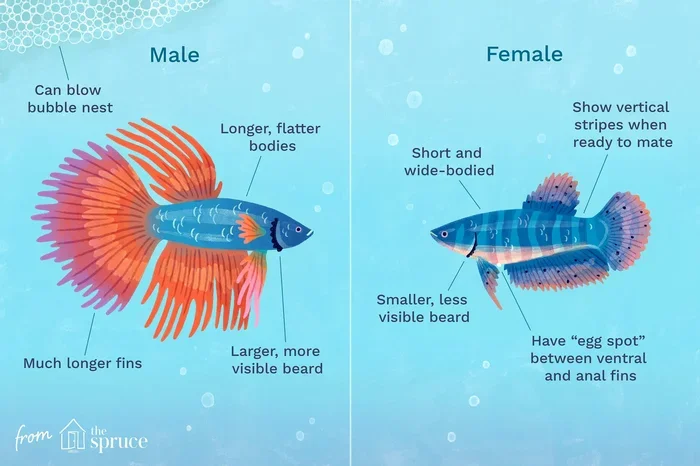
Betta fish come in many varieties, and each one has its own price range. The most common type you will find at Petland is the veiltail betta. These are the classic bettas with long, flowing fins that hang down like a curtain. They are usually the most affordable option.
Other popular varieties include the crowntail betta, the halfmoon betta, and the plakat betta. Crowntail bettas have spiky, crown-like fins that make them stand out. Halfmoon bettas have fins that spread out to form a perfect half-circle. These varieties are often more expensive because they are considered more visually striking.
Plakat bettas, on the other hand, have shorter fins and a more streamlined body. They are closer to the wild-type betta and tend to be priced lower than their long-finned cousins.
Color and Pattern
Color plays a huge role in betta fish pricing. Solid colors like red, blue, and green are common and generally affordable. But if you are looking for rare colors like metallic purple, turquoise, or chocolate, you will pay more.
Patterns also affect the price. Betta fish with butterfly patterns, marble patterns, or koi colorations are highly sought after. The more unique and vibrant the color, the higher the price tag at Petland.
Age and Size
Younger bettas tend to be less expensive than mature ones. Petland typically sells bettas that are a few months old. These fish are still developing their full color and finnage, which makes them more affordable.
Larger, more mature bettas with fully developed fins will cost more. If you see a particularly impressive specimen at Petland, expect to pay a premium for it.
Average Betta Fish Prices at Petland
Here is a general breakdown of what you can expect to pay for a betta fish at Petland. Keep in mind that prices may vary slightly depending on the store location and current inventory.
| Betta Variety | Average Price Range |
|---|---|
| Standard Veiltail | $5 – $15 |
| Crowntail | $10 – $25 |
| Halfmoon | $15 – $35 |
| Plakat | $5 – $20 |
| Rare Color Variants | $20 – $40+ |
As you can see, the betta fish price at Petland covers a wide range. A basic veiltail is a great option if you are on a tight budget. But if you want something more exotic, be prepared to spend a bit more.
It is also worth noting that Petland sometimes runs promotions or discounts on fish. Signing up for their rewards program or checking their weekly flyers can help you save a few dollars on your purchase.
What Else You Need to Budget For
The cost of the fish itself is only part of the equation. To keep your betta healthy and happy, you need to budget for a proper setup. Here is what you should expect to spend beyond the fish.
Tank and Equipment
Many people make the mistake of buying a tiny bowl for their betta. While bettas can survive in small spaces, they thrive in larger tanks. A proper tank for a betta should be at least 5 gallons. At Petland, you can find starter kits that include a tank, filter, and heater for around $30 to $60.
If you already have a tank, you may just need to buy a heater and a filter. A basic aquarium heater costs around $15 to $25, and a small filter runs about $10 to $20. These are essential investments for your betta’s health.
Water Conditioner and Supplies
Betta fish need clean, treated water. A bottle of water conditioner costs around $5 to $10 and lasts for several weeks. You should also pick up a water testing kit to monitor ammonia, nitrite, and nitrate levels. These kits typically cost $10 to $15.
Food and Ongoing Costs
Feeding your betta is inexpensive. A small container of betta pellets or flakes costs around $3 to $8. You will also want to mix in some frozen or live foods like bloodworms or brine shrimp as treats. These cost about $5 to $10 per pack and last for weeks.
Overall, the monthly cost of caring for a betta fish is quite low compared to other pets. Most owners spend less than $20 per month on food and supplies.
Why Choose Petland for Buying a Betta Fish
There are several reasons why Petland is a popular choice for buying betta fish. Here are some of the benefits you can expect.
- Healthy fish: Petland takes pride in the health of their animals. Their bettas are usually well-cared for and free from common diseases.
- Knowledgeable staff: The employees at Petland can answer your questions about betta care and help you choose the right fish.
- Wide selection: Petland carries multiple varieties and colors, so you have plenty of options to choose from.
- Accessories available: You can grab everything you need for your betta’s tank in one trip, from filters to decorations.
- Warranty and support: Petland often offers a guarantee on their fish, which gives you peace of mind after your purchase.
That said, it is always a good idea to compare prices at other stores and online retailers before making your final decision. Sometimes local fish stores or online breeders offer better deals on specific varieties.
Tips for Choosing a Healthy Betta at Petland
When you visit Petland to pick out your betta, keep these tips in mind to ensure you bring home a healthy fish.
- Look for bright, vibrant colors. A healthy betta should have vivid, well-defined colors. Faded or dull coloring can be a sign of illness or stress.
- Check the fins and tail. The fins should be intact and free from tears or ragged edges. Clamped fins (fins held close to the body) can indicate a health problem.
- Watch the fish’s behavior. A healthy betta should be active and curious. It should swim around the tank and respond to movement. A lethargic fish that stays at the bottom may be sick.
- Inspect the tank conditions. Look at the water clarity and cleanliness. A dirty tank can lead to illness in the fish. If the tank looks poorly maintained, that is a red flag.
- Ask the staff about the fish’s history. Find out how long the fish has been at the store and what it has been fed. This information can help you make a better choice.
Taking your time to choose the right betta pays off in the long run. A healthy fish from the start is easier to care for and will bring you more enjoyment.
Common Mistakes to Avoid When Buying a Betta Fish
Buying a betta fish seems simple, but there are a few common mistakes that new owners make. Avoiding these pitfalls will save you money and heartbreak.
Buying the Cheapest Option Without Research
It is tempting to grab the cheapest betta at Petland, but the lowest price does not always mean the best value. A very cheap fish may have underlying health issues that show up after you bring it home. Always inspect the fish carefully before purchasing.
Underestimating Setup Costs
Some people think a betta fish only needs a small bowl and some food. In reality, a proper setup with a heated tank and filter is essential. Budgeting for the full setup upfront prevents surprises after your purchase.
Overcrowding the Tank
Bettas are territorial and do not do well with other bettas. Avoid adding multiple male bettas to the same tank. If you want to add other fish, choose peaceful species that can coexist with a betta. Before adding any tank mates, research how big a betta fish tank needs to be to ensure everyone has enough space.
Skipping the Quarantine Period
If you already have fish at home, quarantine your new betta for at least two weeks before introducing it to your main tank. This helps prevent the spread of disease and gives your new fish time to adjust.
How to Keep Your Betta Fish Healthy After Purchase
Once you bring your betta home from Petland, proper care is essential for its long-term health. Here are some quick tips to keep your fish thriving.
- Maintain stable water temperature. Bettas need water between 76 and 82 degrees Fahrenheit. A heater helps keep the temperature consistent.
- Perform regular water changes. Change 25% of the tank water every week. This removes toxins and keeps the water fresh.
- Feed a balanced diet. Offer high-quality pellets as the staple food and supplement with frozen or live foods a few times a week. How much you feed a betta fish matters more than many people realize. Overfeeding can lead to health problems and poor water quality.
- Observe your fish daily. Watch for changes in behavior, appetite, or appearance. Early detection of health issues makes treatment much easier.
- Keep the tank clean. Use a gentle filter and avoid strong water currents. Bettas prefer calm water and can become stressed in turbulent conditions.
Taking care of a betta fish is rewarding and surprisingly affordable. With the right setup and a little attention, your betta can live a long and healthy life.
Final Thoughts on Betta Fish Cost at Petland
The cost of a betta fish at Petland is reasonable for most budgets, with prices typically ranging from $5 to $35 depending on the variety and quality. Remember that the fish is just the beginning of your investment. A proper tank setup, ongoing supplies, and quality food all add to the total cost. But the good news is that betta fish care is not expensive, and the joy they bring is priceless.
Whether you choose a simple veiltail or a stunning crowntail, your new betta will be a wonderful addition to your home. Take your time, do your research, and enjoy the process of building a happy home for your fish.
Before you go, you might want to learn more about how much space a betta fish really needs to ensure you provide the best environment. And if you are curious about feeding routines, check out how much a betta fish should eat to keep your pet healthy and active.
For those interested in breeding or learning more about betta behavior, understanding how a male betta fish fertilizes the eggs can be a fascinating topic to explore. The more you know about your betta, the better equipped you are to give it the care it deserves.
Also, if you are wondering about how long a betta fish can live, the answer might surprise you. With proper care, bettas can live for several years, making them a wonderful long-term companion. For more specific care tips, especially for male bettas, check out how to take care of a betta male fish for detailed guidance on keeping your fish happy and healthy.
Frequently Asked Questions
How much does a betta fish cost at Petland?
Betta fish at Petland typically cost between $5 and $35. Standard varieties like veiltails are on the lower end, while rarer types like halfmoons and crowntails can cost more. Prices may vary by location and the specific fish’s appearance.
What is the cheapest betta fish at Petland?
The cheapest betta fish at Petland are usually standard veiltails and plakat bettas, which can be found for as low as $5. These common varieties are widely available and make great choices for first-time fish owners on a budget.
Are betta fish at Petland healthy?
Petland is known for maintaining healthy fish in their stores. Their bettas are generally well-cared for and free from common diseases. However, it is always a good idea to inspect the fish yourself before purchasing to ensure it looks active and vibrant.
How much should I budget for a betta fish setup at Petland?
A basic betta setup at Petland will cost around $30 to $80. This includes a 5-gallon tank, a heater, a filter, water conditioner, and some initial food. You can find starter kits that bundle these items together for a better deal.
Can I find rare betta varieties at Petland?
Yes, Petland sometimes carries rare betta varieties like halfmoons, crowntails, and unique color morphs. These fish are more expensive, often ranging from $20 to $40 or more depending on the rarity and quality of the specimen.
How often should I feed my betta fish?
You should feed your betta fish once or twice a day, giving it only as much food as it can eat in two to three minutes. Overfeeding is one of the most common mistakes new betta owners make and can lead to health and water quality problems.