How Many Calories Do Betta Fish Burn
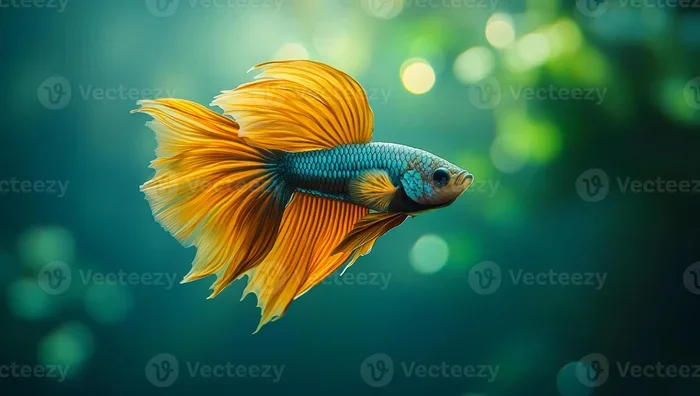
Betta fish burn calories based on their size, activity level, and water temperature. A typical betta burns around 30 to 50 calories per day through normal movement and metabolism. Understanding this helps you feed the right amount and keep your fish thriving.
Have you ever wondered how many calories do betta fish burn in a day? It is a great question that many fish owners overlook. Your betta fish may look like a tiny, lazy swimmer, but their body is constantly working. They burn energy just by swimming, breathing, and staying alive.
Understanding how many calories your betta burns helps you feed them properly. Too much food leads to obesity. Too little leads to malnutrition. Finding the right balance is the key to a long and healthy life for your fish. In this guide, we will break down everything you need to know about betta fish calorie burn.
Key Takeaways
- Betta fish burn approximately 30 to 50 calories daily: This varies based on their size, age, and activity level.
- Water temperature directly affects calorie burn: Warmer water increases metabolism and energy use.
- Overfeeding is a common mistake: Excess food leads to obesity and health problems in bettas.
- Feeding frequency matters: How many times you feed impacts how many calories your betta absorbs.
- Activity levels vary by fish: More active bettas burn more calories than sedentary ones.
- Portion control is essential: Measuring food helps prevent overfeeding and keeps your betta at a healthy weight.
📑 Table of Contents
- What Are Calories and Why Do Betta Fish Need Them?
- How Many Calories Do Betta Fish Burn Each Day?
- How Feeding Relates to Calorie Burn
- Signs Your Betta Is Burning the Right Amount of Calories
- Common Mistakes That Affect Calorie Balance
- How to Track Your Betta’s Calorie Burn
- Expert Tips for Keeping Your Betta at a Healthy Calorie Balance
- Conclusion
What Are Calories and Why Do Betta Fish Need Them?
Calories are units of energy. Just like humans, betta fish need calories to function. Every movement, every heartbeat, and every breath uses energy. Your betta gets this energy from the food you give them.
Betta fish are tropical fish that come from warm waters in Southeast Asia. Their bodies are built to be active hunters. In the wild, they chase insects, larvae, and small creatures all day long. Even in a tank, they still have that natural energy need.
The calories your betta burns come from three main sources:
- Basal Metabolic Rate (BMR): This is the energy your fish uses just to stay alive. It keeps the heart beating and organs working.
- Physical Activity: Swimming, exploring, and interacting with their environment burn extra calories.
- Thermoregulation: Betta fish need warm water. Maintaining body heat in cooler water costs extra energy.
When you feed your betta, the food provides the calories they need. If they eat more than they burn, the extra calories get stored as fat. This is why knowing the calorie burn matters so much.
How Many Calories Do Betta Fish Burn Each Day?
On average, a betta fish burns between 30 and 50 calories per day. But this number is not set in stone. Several factors change how many calories your betta actually uses.
Factors That Affect Calorie Burn
Not all bettas burn calories at the same rate. Here are the main factors that play a role:
1. Size and Weight
A larger betta fish needs more energy to maintain its body. A smaller betta will naturally burn fewer calories. Most adult bettas weigh between 2 and 5 grams, and this affects their daily energy needs.
2. Age
Young betta fish are growing. Growth requires extra energy, so younger fish burn more calories relative to their size. Older bettas slow down and burn fewer calories. A senior betta may only need 20 to 30 calories a day.
3. Activity Level
Some bettas are energetic swimmers. They zip around the tank, explore every corner, and build muscle. These active fish burn more calories. Other bettas are more laid-back and prefer to rest on plants or decor. Their calorie burn is lower.
4. Water Temperature
This is a big one. Betta fish are cold-blooded, which means their body temperature matches the water around them. When the water is warmer, their metabolism speeds up. A warmer tank means more calories burned. Cooler water slows things down and reduces calorie burn.
5. Health and Stress
A sick or stressed betta fish may burn more or fewer calories than normal. Illness can raise the metabolic rate. Stress can suppress appetite and lower energy use. Keeping your betta healthy is the best way to maintain a normal calorie burn rate.
Calorie Burn Comparison Table
Here is a simple breakdown of estimated daily calorie burn for different betta fish profiles:
- Young, active betta (3-5g): 45 to 55 calories per day
- Adult, moderate activity (2-4g): 30 to 45 calories per day
- Senior or less active betta (2-3g): 20 to 35 calories per day
- Overweight betta: 25 to 30 calories per day (needs fewer calories to lose weight)
These numbers are estimates. Every fish is different. Watching your betta’s body condition is the best way to know if you are feeding the right amount.
How Feeding Relates to Calorie Burn
Feeding is the other side of the calorie equation. You need to match how many calories your betta eats with how many they burn. Too many calories and your fish gains weight. Too few and they lose energy and health.
Most high-quality betta pellets contain about 3 to 5 calories per pellet. A single feeding of 2 to 3 pellets gives your betta roughly 6 to 15 calories. If you feed twice a day, that is about 12 to 30 calories total.
How many times do you feed a betta fish matters a lot here. Most experts recommend feeding bettas 2 times a day with small portions. This matches their natural eating pattern and keeps calorie intake steady.
Some owners also give their bettas frozen or live food like brine shrimp or bloodworms. These treats are calorie-dense. Just a few pieces can add 10 or more calories. So count treats as part of the daily total.
If you are unsure about portions, check out how many pellets to feed a betta fish daily. It is one of the best resources for getting the right amount every time.
Signs Your Betta Is Burning the Right Amount of Calories
How do you know if your betta is getting the right amount of calories? You watch their body and behavior. Here are the signs to look for:
Healthy Weight: Your betta should have a smooth, slightly rounded body. There should be no visible fat rolls or bloat. The body tapers gently from the head to the tail.
Good Energy Levels: A well-fed betta is active and curious. They swim around the tank, explore, and interact with you. If your betta seems sluggish, they might not be getting enough calories.
Stable Appetite: A healthy betta eats eagerly at feeding time. If they refuse food, it could mean they are getting too much or something is wrong.
Bright Colors: Proper nutrition keeps betta colors vibrant. A fish that is underfed or overfed may look dull or faded.
Regular Waste: This might sound gross, but it is a good sign. A betta that produces normal waste is processing food properly. Constipation or no waste can signal a calorie or fiber problem.
Common Mistakes That Affect Calorie Balance
Many betta owners make mistakes that throw off their fish’s calorie balance. Here are the most common ones:
Overfeeding
This is the number one mistake. Betta fish have small stomachs. They look at you with big eyes and beg for more food. But giving in leads to obesity. Overfeeding can also foul the water and cause health problems. Stick to the recommended portion size every time.
Skipping Meals
Some owners think skipping a day or two is good for bettas. While bettas can survive a day without food, regular skipping is not ideal. It can stress the fish and lower their metabolism. This actually reduces how many calories they burn and can lead to health issues.
Feeding the Wrong Food
Not all fish food is equal. Cheap flakes often have fillers with little nutritional value. Your betta needs protein-rich food that matches their natural diet. How many fish flakes per betta is a common question because flakes vary so much in calorie content. Pellets designed for bettas are usually a better choice.
Ignoring Water Temperature
If your tank is too cold, your betta’s metabolism slows down. They burn fewer calories and may become sluggish. Keep the water between 76 and 82 degrees Fahrenheit for the best metabolic function.
No Exercise or Enrichment
A betta in a bare tank with nothing to do will burn fewer calories. Adding plants, caves, and open swimming space encourages activity. More activity means more calories burned. It also keeps your fish mentally stimulated and happy.
How to Track Your Betta’s Calorie Burn
You do not need fancy equipment to track your betta’s calorie burn. A little observation goes a long way. Here is what you can do:
- Weigh your fish regularly: Use a small digital scale. Weigh your betta weekly to track any weight changes.
- Keep a feeding log: Write down what and how much you feed each day. This helps you see patterns.
- Watch the body shape: Look at your betta from above. A healthy betta has a streamlined body, not a round one.
- Monitor activity: Note how much your betta swims and explores. Changes in activity can signal a calorie imbalance.
- Adjust as needed: If your betta is gaining weight, reduce portions slightly. If they look thin, add a tiny bit more food.
Consistency is key. Make small adjustments over time rather than big changes all at once. Your betta’s body will tell you if something is off.
Expert Tips for Keeping Your Betta at a Healthy Calorie Balance
Here are some expert-backed tips to make sure your betta burns and consumes the right amount of calories:
- Feed smaller meals more often: Instead of one large feeding, split the daily food into 2 to 3 small meals. This mimics natural eating and helps with digestion.
- Use a measuring tool: A small spoon or tweezers help you control portions. Eyeballing food leads to overfeeding.
- Choose high-protein food: Look for betta pellets with at least 30% protein. This gives your fish the nutrients they need without empty calories.
- Limit treats to 10% of the diet: Treats like bloodworms or daphnia are high in calories. Use them sparingly.
- Keep the tank clean and warm: A healthy environment supports a healthy metabolism. Regular water changes and proper temperature make a big difference.
- Provide enrichment: Plants, caves, and gentle water flow keep your betta moving. More movement means more calories burned.
For more on how often to clean your betta’s bowl, check out how often do you clean a betta fish bowl. Clean water supports a healthy metabolism and helps your fish stay active.
Conclusion
So, how many calories do betta fish burn? The answer is around 30 to 50 calories per day for most adult bettas. But this number shifts based on size, age, activity, and water temperature. The key is to observe your fish, feed them properly, and make adjustments as needed.
A well-balanced diet and a healthy tank environment go hand in hand. When you get the calorie balance right, your betta fish will be active, colorful, and full of life. Keep learning about your betta’s needs and you will be rewarded with a happy, thriving fish.
Remember, every betta is unique. What works for one fish might not work for another. Pay attention to your individual betta and you will find the perfect balance. Your fish will thank you with years of vibrant health and beautiful displays.
Want to learn more about betta care? Check out how often do you feed a betta fish for more feeding tips that complement your calorie knowledge. Also, understanding how many pellets to feed a betta fish daily helps you put these calorie guidelines into practice right away.
Frequently Asked Questions
How many calories does a betta fish burn in a day?
Most adult betta fish burn between 30 and 50 calories per day. This depends on their size, age, activity level, and the water temperature in their tank. Younger and more active bettas tend to burn more calories than older, sedentary ones.
Can overfeeding a betta fish cause health problems?
Yes, overfeeding is one of the most common causes of health issues in bettas. Extra calories lead to obesity, bloating, and poor water quality. It can also shorten your betta’s lifespan. Always feed small, measured portions to avoid these problems.
How does water temperature affect how many calories a betta burns?
Warmer water speeds up a betta’s metabolism, causing them to burn more calories. Cooler water slows the metabolism down and reduces calorie burn. Keep your tank between 76 and 82 degrees Fahrenheit for the best metabolic balance.
What is the best way to measure food for my betta fish?
Use small measuring tools like a tiny spoon or tweezers to control portions. Most betta pellets contain about 3 to 5 calories each. Feeding 2 to 3 pellets per meal, twice a day, is a good starting point for most adult bettas.
Do betta fish burn more calories in a bigger tank?
Yes, generally bettas in larger tanks with more space swim more and burn more calories. A bigger tank also provides enrichment that encourages activity. However, the tank size alone does not determine calorie burn. Your betta’s natural activity level plays a big role too.
How can I tell if my betta is getting too many calories?
Signs of overfeeding include a round or bloated body, lethargy, and uneaten food sinking to the bottom. If your betta looks like it has fat rolls near the tail or seems less active than usual, reduce the portion size and check how many times you are feeding them each day.