How Many Betta Fish Are Sold Each Year

Every year, millions of betta fish are sold worldwide, making them one of the most popular ornamental fish in the global aquarium trade. The betta fish industry is a multi-million dollar market driven by pet stores, online retailers, and breeding farms. Understanding betta fish sales numbers helps us appreciate the scale of this booming trade and what it means for fish welfare and sustainability.
Key Takeaways
- Massive global sales: Millions of betta fish are sold annually across the world, making them a top choice in the aquarium trade.
- Multiple sales channels: Pet stores, online platforms, and specialized breeders all contribute to the high volume of betta fish transactions.
- Demand drives supply: The popularity of betta fish continues to grow, fueled by social media, affordability, and their striking appearance.
- Sustainability matters: The scale of betta fish sales raises important questions about ethical breeding, overpopulation, and environmental impact.
- Regional differences exist: Sales numbers vary significantly by country, with Asia leading production and North America and Europe being major markets.
- Buyer awareness is growing: More consumers are learning about proper betta fish care before purchasing, which affects long-term fish health.
📑 Table of Contents
How Many Betta Fish Are Sold Each Year
Have you ever wondered about the sheer number of betta fish sold each year? These colorful, flowing-finned creatures have captured the hearts of millions of fish lovers worldwide. The betta fish industry is enormous, and the numbers behind it are truly staggering. In this article, we will dive deep into global betta fish sales, explore what drives the demand, and look at how this trade impacts fish welfare and the aquarium hobby.
Whether you are a curious fish keeper or someone considering buying your first betta fish, understanding the scale of the trade gives you valuable context. You will learn where these fish come from, how they reach pet stores, and why certain regions dominate the market. Let us explore the fascinating world of betta fish commerce together.
The Global Scale of Betta Fish Sales
The global aquarium trade handles billions of dollars annually, and betta fish represent a huge slice of that pie. Experts estimate that millions of betta fish are sold around the world every single year. Some reports suggest the number could be in the tens of millions when you factor in all sales channels.
These fish are primarily bred in Southeast Asia, especially in countries like Thailand, Vietnam, and Malaysia. Thailand alone has a long history of betta fish breeding, and many local farms supply both domestic and international markets. The fish are then shipped to pet stores, online retailers, and wholesalers across the globe.
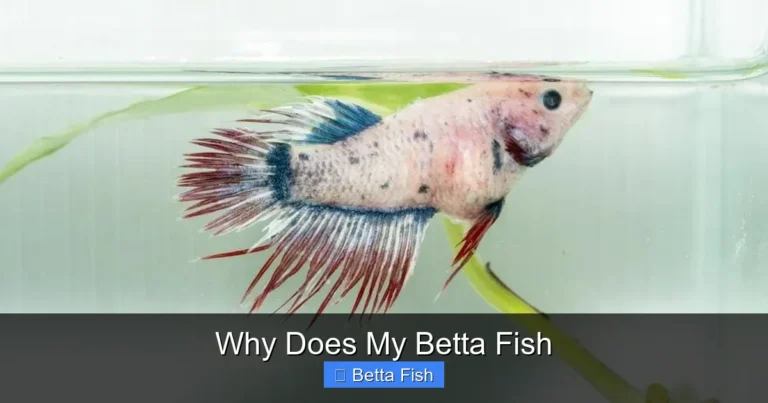
What makes betta fish so popular? Their vibrant colors, long flowing fins, and relatively low maintenance needs make them perfect for beginners and experienced hobbyists alike. Unlike many other tropical fish, bettas can thrive in smaller tanks, which makes them appealing for people with limited space.
Where Do Betta Fish Sales Happen
Betta fish sales happen through several different channels. Each channel plays a unique role in getting these beautiful fish into the hands of buyers. Let us break down the main ways betta fish are sold each year.
Pet Stores
Traditional pet stores remain one of the biggest sellers of betta fish. Chains like PetSmart, Petco, and smaller local fish shops stock bettas in small cups or tanks near the checkout area. These stores purchase fish in bulk from distributors and breeders.
The convenience of buying a betta fish on a shopping trip keeps pet store sales high. Many customers impulse-buy these colorful fish because they are eye-catching and affordable. However, this also means that proper care education sometimes gets overlooked at the point of sale.
Online Retailers
Online sales of betta fish have grown rapidly in recent years. Websites and platforms dedicated to live fish shipping have made it easier than ever to buy betta fish online. Buyers can choose from hundreds of color variations and fin types without leaving their homes.
Shipping live fish comes with challenges, but reputable online sellers use careful packaging and fast shipping methods to ensure fish arrive healthy. The online betta fish market has expanded the reach of breeders far beyond their local regions.
Specialized Breeders
Dedicated breeders sell directly to customers through their own websites, social media, and local fish club events. These breeders often focus on specific varieties like crowntail, halfmoon, or plakat bettas. Many buyers prefer purchasing from breeders because they can get healthier fish with better genetics.
Breeders also play a key role in developing new color morphs and fin shapes. This continuous innovation keeps the hobby exciting and drives demand for rare betta fish varieties.
What Drives the Demand for Betta Fish
Several factors contribute to the high demand for betta fish each year. Understanding these drivers helps explain why sales remain so strong.
Affordability is a huge factor. Betta fish are one of the most inexpensive pets you can buy. A single betta typically costs between $5 and $20, depending on the variety. This low price point makes them accessible to almost anyone interested in keeping fish.
Social media has also fueled the betta fish craze. Platforms like Instagram, TikTok, and YouTube are filled with stunning betta fish videos and photos. Beautifully aquascaped tanks with show-quality bettas attract thousands of likes and shares. This online exposure introduces new audiences to the hobby every day.
Space efficiency matters too. Many apartment dwellers and people in small homes want pets but lack room for larger animals. A betta fish in a properly sized tank fits perfectly into a small living space. This practical advantage makes bettas a go-to choice for urban pet owners.
Low maintenance needs also play a role. While bettas do need proper care, they are hardier than many other tropical fish. Their ability to breathe atmospheric air means they can tolerate conditions that would stress other species. This resilience makes them appealing to first-time fish keepers.
The Betta Fish Supply Chain
The journey of a betta fish from breeder to buyer involves a complex supply chain. Understanding this chain gives you insight into how betta fish distribution works on a global scale.
It starts at breeding farms, primarily in Thailand and neighboring countries. These farms can range from small family operations to large commercial facilities. Breeders select parent fish based on color, fin length, and body shape to produce the next generation of show-quality and pet-quality fish.
From the farms, juvenile fish are transported to local wholesalers. These wholesalers then sell to international distributors who ship fish to pet stores and online retailers worldwide. The entire process can take several weeks, and survival rates during transport are an important concern for the industry.
Many breeders and advocacy groups are working to improve conditions throughout this supply chain. Efforts include better packaging for shipping, healthier holding conditions at wholesale facilities, and education for retailers about proper betta care.
Regional Differences in Betta Fish Sales
Betta fish sales vary significantly from one region to another. Some areas are major producers, while others are huge consumers. Let us look at the key regions involved in the global betta fish trade.
| Region | Role in Trade | Key Details |
|---|---|---|
| Southeast Asia | Primary Breeding Hub | Thailand, Vietnam, and Malaysia produce the majority of betta fish sold worldwide |
| North America | Major Consumer Market | High demand through pet stores and online retailers |
| Europe | Significant Market | Strong hobby culture with many specialty breeders and shops |
| Asia (excluding SE Asia) | Growing Market | Increasing interest in ornamental fish keeping in Japan, China, and India |
| Australia and Oceania | Steady Market | Strict import regulations but consistent demand for quality fish |
Thailand stands out as the global leader in betta fish breeding and export. The country has perfected the art of selective breeding over centuries. Thai breeders have developed hundreds of color variations and fin types that are now standard in the global market.
In North America, betta fish consistently rank among the top-selling aquarium fish. Pet store chains dedicate significant shelf space and marketing efforts to promoting bettas. The North American betta market is worth millions of dollars annually.
The Impact of High Betta Fish Sales
The massive scale of annual betta fish sales brings both positive and negative consequences. Let us explore what this trade means for fish welfare, the environment, and the aquarium hobby.
Positive Impacts
- Supports livelihoods: Thousands of families depend on betta fish breeding and selling for their income.
- Promotes the aquarium hobby: High sales bring new enthusiasts into fish keeping, growing the hobby overall.
- Drives innovation: Demand for new varieties encourages breeders to develop healthier and more beautiful fish.
- Educational opportunities: Selling betta fish creates opportunities to teach new owners about proper fish care.
Negative Impacts
- Overbreeding concerns: High demand can lead to overbreeding, which may compromise fish health and genetics.
- Poor welfare in supply chain: Some fish experience stress and disease during transport and in crowded holding facilities.
- Impulse buying: Low prices lead to purchases without proper research, resulting in neglect and high mortality rates.
- Environmental strain: Large-scale breeding operations can have environmental footprints if not managed responsibly.
The industry is slowly addressing these concerns. Many reputable breeders now prioritize fish health over quantity. Some organizations promote responsible buying practices and encourage buyers to learn about proper betta fish care before making a purchase.
What You Should Know Before Buying a Betta Fish
If you are thinking about adding a betta fish to your home, there are a few important things to keep in mind. Making an informed decision benefits both you and your new pet.
First, always buy from a reputable source. Whether you choose a local breeder, a trusted pet store, or a reliable online seller, do your research. Look for sellers who prioritize fish health and provide clear care information.
Second, prepare your tank before bringing your betta home. A minimum 5-gallon tank with a heater and filter is recommended. Many people make the mistake of keeping bettas in tiny bowls, which is harmful to their health and well-being.
Third, learn about proper feeding and water maintenance. Feeding your betta the right amount of food at the right frequency is essential. Regular water changes keep the tank clean and your fish healthy. You can find detailed feeding guides to help you get started.
Finally, be patient and observant. Watch your betta for signs of stress or illness, especially in the first few weeks after bringing it home. A healthy betta fish will have bright colors, active swimming behavior, and a good appetite.
The Future of Betta Fish Sales
The betta fish market shows no signs of slowing down. As more people discover the joy of keeping these beautiful fish, sales are likely to continue growing. However, the industry is evolving in response to consumer awareness and ethical concerns.
We are seeing a shift toward more responsible breeding practices and better welfare standards. Online education about betta fish care is becoming more accessible, which helps new owners provide better homes for their fish. The rise of betta fish rescue organizations also highlights a growing commitment to the well-being of these animals.
Technology is playing a role too. Smart aquarium devices, automated feeding systems, and water quality monitors make it easier than ever to maintain a healthy betta tank. These innovations lower the barrier to entry for new fish keepers and improve outcomes for the fish.
Sustainability is another key trend. Some breeders and retailers are exploring eco-friendly packaging for shipping and working to reduce the carbon footprint of the global fish trade. As consumers become more environmentally conscious, these practices will likely become standard.
The betta fish industry has a bright future, but it depends on the choices we make as buyers and sellers. By choosing ethical sources, learning proper care, and spreading awareness, we can help ensure that betta fish sales remain sustainable and humane for years to come.
Conclusion
The answer to how many betta fish are sold each year is truly in the millions. These captivating fish have become a cornerstone of the global aquarium trade, connecting breeders, sellers, and hobbyists across continents. The betta fish sales numbers reflect not just a commercial industry but a deep human connection with these remarkable creatures.
Whether you are buying your first betta or have kept them for years, understanding the scale and impact of this trade empowers you to make better choices. Choose reputable sellers, provide proper care, and share your knowledge with others. The more we learn about betta fish care and sales, the better we can support a thriving and responsible aquarium community.
Frequently Asked Questions
How many betta fish are sold globally each year?
Experts estimate that tens of millions of betta fish are sold worldwide annually. The exact number varies by source, but the global aquarium trade handles a massive volume of betta fish each year through pet stores, online retailers, and breeders.
Which country sells the most betta fish?
Thailand is the leading producer and exporter of betta fish in the world. The country has a long history of selective breeding and supplies betta fish to pet stores and online retailers across North America, Europe, and beyond.
Why are betta fish so popular in the pet trade?
Betta fish are popular because they are affordable, visually stunning, and relatively easy to care for. Their vibrant colors and flowing fins appeal to both beginners and experienced hobbyists, and they can thrive in smaller tanks compared to many other tropical fish.
Are betta fish sales increasing or decreasing?
Betta fish sales have generally been increasing over the past decade. Social media exposure, the growing popularity of the aquarium hobby, and the rise of online fish retailing have all contributed to higher demand for betta fish worldwide.
How does buying from a reputable breeder help?
Buying from a reputable breeder ensures you get a healthier fish with better genetics. Reputable breeders prioritize fish welfare, provide proper care information, and often offer guarantees. This supports ethical practices in the betta fish industry and helps reduce overbreeding.
What can I do to support ethical betta fish sales?
You can support ethical sales by educating yourself about proper betta care before buying, choosing sellers who prioritize fish health, and sharing information about responsible fish keeping with others. Avoid impulse purchases and always research the seller’s reputation before buying.