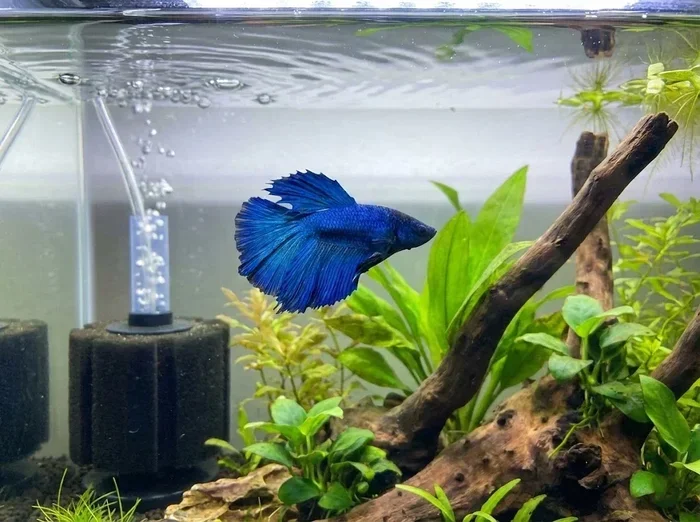
How Many Babies Will a Betta Fish Have

A betta fish can have anywhere from 10 to over 500 babies per spawning cycle, depending on the female’s size, age, and health. Betta fish reproduce by laying eggs, not giving birth to live young, and the entire process from mating to free-swimming fry takes about 3 to 4 weeks. Understanding betta fish reproduction helps you prepare for the journey ahead and gives your fry the best chance of survival.
If you have ever wondered how many babies will a betta fish have, you are not alone. This is one of the most common questions among betta fish owners, especially those considering breeding their fish for the first time. The answer might surprise you. A single female betta can produce a remarkable number of offspring in one spawning cycle.
Betta fish breeding is a fascinating process. It involves careful preparation, the right tank setup, and a good understanding of betta fish reproduction. Whether you are a curious hobbyist or an aspiring breeder, knowing what to expect makes all the difference. In this guide, we will walk you through everything you need to know about betta fish babies, from egg count to fry care.
Betta fish do not give birth to live babies. Instead, they reproduce by laying eggs. The male betta fish plays a crucial role in this process. He builds a bubble nest at the surface of the water, and once the female releases her eggs, he fertilizes them and places them gently into the nest. This whole process is called betta spawning, and it is truly remarkable to watch.
Key Takeaways
- A single spawning can produce 10 to 500+ eggs: The number varies based on the female’s age, size, and overall health.
- Betta fish lay eggs, not live babies: The male betta builds a bubble nest and fertilizes the eggs externally.
- Fry survival depends heavily on tank conditions: Proper water quality, temperature, and feeding routines make a huge difference.
- Separate the female after spawning: Male bettas can become aggressive toward the female once eggs are laid.
- Newborn fry need infusoria or liquid fry food: Regular betta pellets are too large for tiny baby bettas.
- Breeding bettas requires patience and preparation: Setting up a proper breeding tank before starting is essential for success.
- Not all eggs will hatch: A healthy hatch rate is around 50 to 70 percent under good conditions.
📑 Table of Contents
- How Many Eggs Does a Betta Fish Lay?
- How Many Fry Do Betta Fish Have?
- Do Betta Fish Have Live Babies or Eggs?
- Setting Up the Right Tank for Betta Fry
- How Long Does It Take for Betta Babies to Grow?
- Common Mistakes to Avoid When Breeding Betta Fish
- Expert Tips for Maximizing Betta Fry Survival
- Final Thoughts
How Many Eggs Does a Betta Fish Lay?
The number of eggs a female betta lays in one spawning session is the starting point for answering how many babies will a betta fish have. On average, a healthy female betta can lay between 30 and 100 eggs per spawn. However, some larger, well-conditioned females can produce 200 or more eggs in a single cycle.
Here are the key factors that influence egg count:
- Age: Younger females between 4 and 12 months tend to produce more eggs than older fish.
- Size: A larger, well-fed female carries more eggs at one time.
- Health and diet: A nutrient-rich diet boosts egg production significantly.
- Water conditions: Clean, warm water encourages healthy spawning.
- Experience: First-time spawning females may release fewer eggs than experienced ones.
It is also important to understand that not all eggs will hatch. Some eggs may be unfertilized, and others may not develop properly. A healthy hatch rate usually falls between 50 and 70 percent. So if your female lays 100 eggs, you might see 50 to 70 fry successfully hatch. For more details on egg counts specifically, check out our guide on how many eggs a betta fish lays.
What Happens During Betta Spawning?
The spawning process itself is relatively quick. When the female is ready, she releases eggs in batches. The male follows closely behind, fertilizing each batch immediately. He then collects the eggs in his mouth and places them into the bubble nest. This cycle repeats several times over a few hours until all eggs are released and secured.
After spawning is complete, the female should be removed from the breeding tank. The male becomes very protective of the eggs and may become aggressive toward the female. Leaving them together after spawning can lead to stress and even injury to the female.
How Many Fry Do Betta Fish Have?
Once the eggs hatch, you enter the fry stage. How many fry survive depends on several factors, including tank conditions, feeding, and care. On average, a successful spawn can result in 20 to 100 healthy fry that grow to maturity. Some experienced breeders report even higher numbers with optimal care.
For a deeper look at fry numbers specifically, visit our article on how many fry betta fish have. The survival rate in the first few weeks is the most critical period. Fry are extremely tiny and vulnerable during this time.
The First Week of a Betta Fry’s Life
Newborn betta fry are incredibly small. They are barely visible to the naked eye and spend the first few days attached to the bubble nest or hiding in the tank. During this time, they absorb their yolk sac for nutrition. After the yolk sac is fully absorbed, usually around day 3 to 5, the fry become free-swimming.
At this point, you need to start feeding them appropriate food. Infusoria or liquid fry food works best for the first week. As they grow, you can gradually introduce baby brine shrimp and micro worms. Regular betta pellets are far too large for newborn fry and should be avoided until they are at least two weeks old.
Do Betta Fish Have Live Babies or Eggs?
This is a common point of confusion for many fish keepers. Betta fish have eggs, not live babies. The female releases eggs into the water, and the male fertilizes them. The male then cares for the eggs by placing them in his bubble nest until they hatch. This is very different from livebearing fish like guppies, which give birth to fully formed young.
If you want to understand the full picture of betta reproduction, our article on do betta fish have live babies explains the differences in detail. Knowing whether your fish lays eggs or gives birth helps you set up the right environment and feeding schedule from day one.
Common Misconceptions About Betta Babies
Many people assume that betta fish carry their babies inside them like mammals do. This is not true. The female betta releases eggs into the water column, and the male handles all the nest-building and egg-care duties. Another misconception is that betta fish can have babies without a male. While rare cases of parthenogenesis have been reported, normal betta reproduction always requires both a male and a female.
Setting Up the Right Tank for Betta Fry
Creating the perfect environment for betta fry is essential if you want to maximize survival rates. A dedicated breeding tank makes a big difference in how many babies make it to adulthood.
Tank Size and Setup
You do not need a large tank for breeding bettas. A 5 to 10 gallon tank works perfectly. The water temperature should be kept between 78 and 80 degrees Fahrenheit. Use a sponge filter for gentle water flow, as strong filters can harm tiny fry. Add a few floating plants or a spawning mop to give the fry places to hide and graze on microorganisms.
Keep the water clean with small, frequent water changes of about 10 to 20 percent daily. Fry are very sensitive to ammonia and nitrite, so maintaining pristine water quality is non-negotiable.
Feeding Schedule for Baby Bettas
Feeding betta fry properly is one of the biggest challenges new breeders face. Here is a simple feeding guide:
- Days 1 to 5: Infusoria or commercial liquid fry food, fed 3 to 4 times daily in tiny amounts.
- Days 6 to 14: Baby brine shrimp nauplii, fed 2 to 3 times daily.
- Weeks 3 to 4: Microworms and finely crushed flake food can be introduced.
- Week 5 and beyond: Gradually transition to standard betta pellets, crushed into powder.
Overfeeding is a common mistake. Uneaten food decays quickly in a small fry tank and can spike ammonia levels. Always feed only what the fry can consume within a few minutes.
How Long Does It Take for Betta Babies to Grow?
Betta fry grow surprisingly fast. Within the first month, they develop their first colors and begin to look like miniature versions of adult bettas. By 3 to 4 months old, males will start showing off their long, flowing fins. Females tend to develop more muted colors and shorter fins.
Most betta fry reach sexual maturity around 3 to 4 months of age. At this point, they should be separated by sex to prevent accidental breeding. How long betta fish live also plays a role in breeding decisions. With proper care, bettas can live 3 to 5 years, giving you plenty of time to enjoy your fry as they grow.
Growth Milestones to Watch For
- Week 1: Fry absorb yolk sacs and become free-swimming.
- Week 2: First tiny color patches appear.
- Week 4: Fins begin to grow and fry start to swim actively.
- Month 2: Distinct color patterns emerge.
- Month 3 to 4: Males develop longer fins and more vibrant colors.
Patience is key during the growing process. Not every fry will make it to adulthood, and that is completely normal. Even experienced breeders lose some fry along the way.
Common Mistakes to Avoid When Breeding Betta Fish
Breeding bettas can be rewarding, but it also comes with pitfalls. Here are some common mistakes that can reduce your fry count or lower survival rates.
Skipping the Conditioning Phase
Before introducing a male and female for breeding, both fish should be conditioned with high-quality foods for 1 to 2 weeks. This prepares their bodies for spawning and increases the number of healthy eggs the female produces. Skipping this step often leads to fewer eggs and weaker fry.
Using the Wrong Tank Size
Some beginners try to breed bettas in large community tanks. This is a bad idea. The breeding tank should be small, warm, and quiet. A large tank makes it difficult for the male to maintain the bubble nest and increases stress for both fish.
Neglecting Water Quality
Fry are extremely sensitive to water changes. Even small amounts of ammonia can be lethal to newborn betta fry. Test your water regularly and perform small water changes daily during the first two weeks after hatching.
Feeding the Wrong Foods Too Early
As mentioned earlier, regular betta pellets are too large for newborns. Feeding the wrong food size is one of the leading causes of fry death in the first week. Always start with infusoria or liquid fry food and scale up as the fry grow.
Expert Tips for Maximizing Betta Fry Survival
If you want the best results from your breeding efforts, consider these expert-backed tips:
- Use a separate breeding tank: This gives you control over water parameters and reduces stress for all fish involved.
- Keep the lights dim: Bright lights can stress both the breeding pair and newborn fry.
- Monitor the bubble nest daily: If the nest breaks apart, the male may need to rebuild it. A damaged nest means eggs are exposed and vulnerable.
- Remove dead eggs promptly: Fungus-infected eggs can spread and harm healthy ones. Use a turkey baster to gently remove them.
- Be patient: Breeding bettas is a journey. Not every spawn will be perfect, and that is okay.
For more tips on raising healthy betta fish, explore our guides on how many babies do betta fish have and general betta fish care resources.
Final Thoughts
How many babies will a betta fish have depends on many factors, including the female’s health, age, size, and the quality of care you provide. From egg laying to fry independence, the entire breeding process takes dedication and patience. A single spawning can produce anywhere from 30 to over 200 eggs, with survival rates varying based on your setup and feeding routine.
The key to success lies in preparation. Set up the right tank, feed the fry appropriately, and maintain excellent water quality from day one. Betta breeding is not just about numbers, it is about giving each baby the best possible start in life. With the knowledge you have gained from this guide, you are well-equipped to embark on this rewarding journey.
Remember, every fry you raise is a small miracle. Whether you plan to keep them, share them with fellow hobbyists, or simply enjoy watching them grow, breeding bettas is one of the most fulfilling experiences in the fishkeeping hobby. Start small, learn from each spawn, and enjoy the process.
Frequently Asked Questions
How many babies can a betta fish have in one spawn?
A healthy female betta can lay between 30 and 100 eggs per spawn, with some larger females producing over 200. Not all eggs will hatch, so expect around 20 to 100 surviving fry per spawn under good conditions.
Do betta fish give birth to live babies?
No, betta fish do not give birth to live babies. They reproduce by laying eggs. The male fertilizes the eggs externally and places them in a bubble nest he builds at the water surface until they hatch.
How long does it take for betta eggs to hatch?
Betta eggs typically hatch within 24 to 72 hours after spawning. The male betta guards the eggs in the bubble nest during this time, and the fry remain in the nest for another day or two before becoming free-swimming.
What should I feed newborn betta fry?
Newborn betta fry need very small foods like infusoria, liquid fry food, or freshly hatched baby brine shrimp. Regular betta pellets are too large and should only be introduced once the fry are at least two weeks old.
Can a female betta fish have babies without a male?
In rare cases, a female betta may produce eggs without a male present, but these eggs will not be fertilized and will not hatch. Normal betta reproduction requires both a male and a female fish.
How can I improve the survival rate of my betta fry?
To improve fry survival, maintain pristine water quality with daily small water changes, feed appropriately sized foods multiple times a day, keep the tank warm and quiet, and separate the female from the male immediately after spawning is complete.