How Long Do Healthy Betta Fish Live
Healthy betta fish typically live 3 to 5 years with proper care, but some can reach 7+ years under ideal conditions. Your betta’s lifespan depends heavily on tank setup, water quality, diet, and genetics. This guide covers everything you need to know to help your betta fish thrive for years to come.
Betta fish captivate us with their flowing fins and vibrant colors. These beautiful creatures bring life to any space they inhabit. But if you’re a betta owner or considering becoming one, you might wonder about how long do healthy betta fish live. Understanding your betta’s potential lifespan helps you provide the best possible care.
The average betta fish lifespan spans three to five years. However, this number varies based on several important factors. With proper care, some bettas exceed expectations and live even longer. This guide explores everything from tank setup to diet choices that affect how long your colorful companion will thrive.
Many new betta owners don’t realize their fish can live for years with the right approach. The secret lies in understanding their needs and creating an environment that mimics their natural habitat. Let’s dive into the details of extending your betta’s life naturally.
Key Takeaways
- Average Lifespan: Healthy betta fish live 3 to 5 years on average
- Maximum Potential: With excellent care, some bettas can reach 7 to 10 years
- Tank Size Matters: A minimum 5-gallon tank significantly impacts longevity
- Water Quality: Clean, properly filtered water is essential for betta health
- Diet Affects Lifespan: Varied, high-quality food prevents common health issues
- Stress Reduction: Proper tank setup and compatible tank mates reduce stress
- Genetics Play a Role: Some bloodlines naturally live longer than others
📑 Table of Contents
Understanding Betta Fish Lifespan
How long do healthy betta fish live depends on many variables. The average lifespan ranges from three to five years. But some dedicated fish keepers report bettas living seven years or more.
The betta fish lifespan starts from the day you bring your fish home. However, the care your betta received before purchase also matters. Pet stores often keep bettas in small cups with suboptimal conditions. This early stress can impact their long-term health.
Factors That Influence Betta Longevity
Several key factors determine how long your betta will live. Let’s examine each one closely.
Genetics play a significant role in betta health. Some bloodlines naturally produce hardier fish with longer lifespans. When you buy from reputable breeders, you often get fish with better genetic foundations.
Tank environment affects your betta’s daily stress levels. A well-planned aquarium with proper filtration reduces disease risk. Poor water conditions lead to illness and shortened lifespan.
Diet quality directly impacts your betta’s overall wellness. Nutritious food supports immune function and organ health. Malnourished bettas develop health problems faster.
Water parameters like temperature and pH stability matter greatly. Betta fish thrive in warm, stable environments. Sudden changes cause stress and weaken their immune system.
Setting Up the Ideal Betta Habitat
Creating the perfect home for your betta is crucial for longevity. The tank setup you choose affects every aspect of your fish’s daily life.
Tank Size Requirements
Many people believe bettas thrive in tiny bowls. This myth harms betta health significantly. A minimum 5-gallon tank provides enough space for healthy swimming and stable water quality.
Larger tanks offer even better results. A 10-gallon tank gives your betta room to explore while maintaining stable parameters. The extra space makes it easier to keep water conditions consistent.
Small containers cause rapid changes in water chemistry. Ammonia spikes happen faster in tiny volumes. This instability stresses your fish and weakens their immune response.
Essential Equipment for Longevity
Proper equipment makes a huge difference in betta health. Here’s what your tank needs:
- Heater: Maintains temperature between 78-80°F consistently
- Filter: Gentle flow removes toxins without stressing your betta
- Thermometer: Helps you monitor temperature daily
- Gravel vacuum: Makes water changes easier and more effective
- Water conditioner: Removes chlorine and chloramine from tap water
Investing in these basics pays off in extended betta fish lifespan. Quality equipment prevents problems before they start.
Water Quality and Maintenance
Clean water forms the foundation of betta health. How long do healthy betta fish live often correlates directly with water quality maintenance.
The Nitrogen Cycle Explained
The nitrogen cycle processes harmful waste in your tank. Beneficial bacteria convert toxic ammonia into less harmful nitrate. This biological filtration keeps your betta safe from poisoning.
New tanks need time to establish this bacterial colony. This process called cycling takes four to six weeks. Never add bettas to an uncycled tank. The ammonia levels will quickly reach dangerous levels.
Water Change Schedule
Regular water changes remove accumulated nitrates and pollutants. Follow this simple maintenance routine:
- Weekly: Replace 20-25% of tank water
- Bi-weekly: For smaller tanks, do 30-40% changes
- Monthly: Deep clean substrate with a gravel vacuum
Always treat new water with conditioner before adding it to the tank. This step removes harmful chemicals from tap water that can damage your betta’s gills and fins. Consistent maintenance prevents the water quality fluctuations that stress fish and shorten their lifespan.
Nutrition and Diet for Longevity
What you feed your betta directly impacts how long they live. Healthy betta fish diet choices support organ function and immune strength.
Best Foods for Betta Fish
Variety in diet leads to better betta health. Consider offering these nutritious options:
- High-quality pellets: Formulated specifically for betta nutritional needs
- Frozen bloodworms: Rich in protein and excellent as an occasional treat
- Brine shrimp: Provide essential nutrients and encourage natural hunting behavior
- Live foods: Offer the most nutritional value when available
- Daphnia: Acts as a gentle digestive aid
Avoid feeding only flake food or cheap pellets. These often lack essential nutrients and contain fillers. Overfeeding causes constipation and pollutes water quickly. Feed small amounts twice daily, only what your betta consumes in two minutes.
Common Feeding Mistakes
Many betta owners unknowingly harm their fish through poor feeding habits. Overfeeding creates excess waste that degrades water quality within hours. Uneaten food rots and releases ammonia into the tank.
Feeding the same food daily leads to nutritional gaps. Just like humans, bettas need variety for optimal health. Skipping meals occasionally also benefits bettas. In nature, they don’t eat every single day. A fasting day once a week helps prevent constipation.
Health Monitoring and Common Issues
Watching for early warning signs helps you catch problems before they shorten your betta’s life. Regular observation becomes second nature after a few weeks of ownership.
Signs of a Healthy Betta
Healthy bettas display specific characteristics that indicate good wellness:
- Vibrant colors: Bright, intense coloration shows good health
- Active swimming: Smooth, purposeful movement throughout the tank
- Good appetite: Eagerly eats food at feeding times
- Intact fins: No tearing, clamping, or deterioration
- Clear eyes: Eyes should be bright and free of cloudiness
Potential Health Threats
Several common issues threaten betta longevity. Fin rot appears as ragged or discolored fins. This bacterial infection often stems from poor water conditions. Early treatment with aquarium salt usually resolves the problem quickly.
Ich presents as white spots covering the body. This parasite thrives in stressed fish with weakened immune systems. Temperature raises to 82°F combined with medication typically cure ich effectively.
Constipation shows as a swollen abdomen and difficulty swimming. This results from overfeeding or low-fiber diets. Feeding blanched peas often provides relief within 24 hours.
Prompt treatment of any illness significantly improves recovery chances. Knowing how long do healthy betta fish live also means understanding that quick responses to health issues add years to their lifespan.
Comparing Betta Lifespan: Wild vs Captivity
Wild betta fish face different challenges than their captive counterparts. Understanding these differences helps you appreciate the care you provide.
In the wild, bettas typically live two to three years. Harsh conditions, predators, disease, and competition shorten their natural lifespan. They face constant environmental stressors that captive fish avoid.
Captive bettas with proper care often exceed their wild cousins in longevity. The stable environment, regular feeding, and immediate medical attention when needed all contribute to longer lives. How long do healthy betta fish live in captivity depends largely on the care quality you provide.
| Factor | Wild Betta | Captive Betta |
|---|---|---|
| Average Lifespan | 2-3 years | 3-5 years |
| Maximum Lifespan | 4-5 years | 7-10 years |
| Main Threats | Predators, disease, drought | Poor water quality, improper diet |
| Environment | Variable, harsh | Stable, controlled |
| Food Access | Inconsistent | Regular, nutritious |
The data shows that proper captivity significantly extends betta lifespan. Your dedication to good care makes a measurable difference in your fish’s life expectancy.
Extending Your Betta’s Life Naturally
Want to maximize your betta’s lifespan? Several proven strategies help your fish live longer, healthier lives.
Daily Care Routine
Consistency matters more than perfection in betta care. Simple daily habits build strong foundations for longevity:
- Feed appropriately: Small amounts twice daily, varied diet
- Observe behavior: Watch for changes in swimming or eating patterns
- Check temperature: Ensure heater maintains 78-80°F range
- Visual inspection: Look for any signs of illness or injury
Stress Reduction Techniques
Stress dramatically shortens betta lifespan. Minimizing stressors creates a peaceful environment where your fish can thrive. Keep tank lights on a consistent schedule to maintain natural rhythms. Avoid placing tanks near loud noises or high-traffic areas. Use gentle filtration that doesn’t create strong currents bettas dislike.
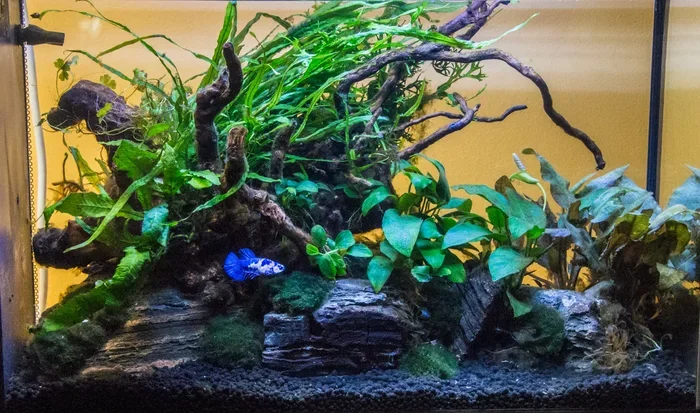
Consider adding live plants to your betta tank. Plants provide hiding spots and improve water quality naturally. They also create a more natural environment that reduces stress. Proper tank setup remains the single most important factor in betta longevity.
When to Seek Veterinary Care
Some health issues require professional intervention. If home treatments don’t improve symptoms within 48 hours, consult an aquatic veterinarian. Early professional care prevents minor issues from becoming fatal conditions. Many fish diseases respond well to treatment when caught early.
Conclusion
How long do healthy betta fish live depends largely on the care you provide. With proper tank setup, consistent water maintenance, quality nutrition, and attentive health monitoring, your betta can exceed the average lifespan expectations significantly.
Remember that each betta is unique. Genetics, early life conditions, and daily care all contribute to individual longevity. Focus on what you can control: the environment, diet, and prompt response to any health concerns. Your dedication gives your betta the best chance at a long, healthy life full of vibrant colors and active swimming.
Start implementing these tips today. Small improvements in care accumulate into years of additional life for your beloved betta fish. The investment you make in proper husbandry pays dividends in happy, healthy years with your colorful companion.
Frequently Asked Questions
What is the average betta fish lifespan?
Healthy betta fish typically live 3 to 5 years with proper care. However, some well-cared-for bettas reach 7 years or more. The average depends heavily on tank conditions, diet quality, and genetics.
Can betta fish live longer than 5 years?
Yes, betta fish can live beyond 5 years with excellent care. Dedicated fish keepers report bettas reaching 7 to 10 years old. Consistent water quality, proper nutrition, and stress reduction all contribute to extended longevity.
How does tank size affect betta lifespan?
Larger tanks provide more stable water parameters and reduce stress. A minimum 5-gallon tank supports healthy betta life. Smaller bowls lead to rapid water quality changes that shorten lifespan significantly.
What role does diet play in betta longevity?
High-quality, varied nutrition supports organ health and immune function. Poor diet leads to malnutrition and disease susceptibility. Feeding premium pellets supplemented with occasional frozen or live foods promotes longer, healthier betta fish life.
Do male and female bettas have different lifespans?
Generally, male and female bettas have similar lifespans when given equal care. Some evidence suggests females might live slightly longer on average. However, individual care quality matters more than gender in determining how long bettas live.
How can I tell if my betta is aging?
Older bettas may show faded colors, reduced activity, and slower swimming. They might eat less enthusiastically and develop fin deterioration. These natural aging signs typically appear in bettas past their 4th or 5th year of life.