How Does a Betta Fish Tank Filter Go In
Installing a filter in your betta fish tank is one of the most important steps you can take for your fish’s health. This guide walks you through choosing the right filter, placing it correctly, and setting it up without stressing your betta. You will learn about filter types, flow rates, and common mistakes to avoid.
Setting up a betta fish tank filter might seem simple, but there is a lot more to it than just dropping a filter into your tank. The way you install your filter affects water quality, flow rate, and most importantly, how comfortable your betta feels. A betta fish tank setup that includes the right filter can mean the difference between a happy, healthy fish and one that struggles with stress and illness.
Many beginners make the mistake of buying any filter they find on the shelf. But bettas are tropical fish that need calm, clean water. Strong currents from the wrong filter can exhaust your betta and make it hard for them to swim. This guide shows you exactly how a betta fish tank filter goes in, which type to choose, and how to keep everything running smoothly.
Whether you are setting up a brand new tank or upgrading an existing one, understanding filter installation is essential. Let us walk through every step so you can set up your aquarium filter with confidence and give your betta the best home possible.
Key Takeaways
- Choose the right filter type: Sponge filters and hang-on-back filters work best for betta tanks because they provide gentle filtration.
- Flow rate matters: A betta tank needs a filter with adjustable flow to prevent strong currents that stress your fish.
- Proper placement is key: Position the filter intake away from your betta and direct output toward the water surface for oxygenation.
- Maintenance keeps it running: Clean your filter media regularly but never replace all of it at once to preserve beneficial bacteria.
- Not all filters are equal: Some filters are too powerful for small betta tanks, so match the filter size to your tank volume.
- Filter media makes a difference: Mechanical, biological, and chemical media each play a unique role in keeping water clean.
- Setup order counts: Always cycle your tank before adding your betta, and install the filter first during the setup process.
📑 Table of Contents
- Why Your Betta Fish Tank Filter Matters
- Choosing the Right Filter for Your Betta Tank
- How a Betta Fish Tank Filter Goes In: Step-by-Step
- Common Mistakes When Installing a Betta Fish Tank Filter
- How to Maintain Your Betta Fish Tank Filter
- Comparing Filter Types for Betta Tanks
- Expert Tips for a Healthy Filtered Betta Tank
- Final Thoughts on Installing Your Betta Fish Tank Filter
Why Your Betta Fish Tank Filter Matters
A betta fish tank filter does three critical jobs. First, it removes debris and waste from the water. Second, it hosts beneficial bacteria that break down harmful toxins. Third, it helps circulate water so oxygen reaches every corner of the tank. Without proper filtration, your betta lives in dirty water that can cause disease and shorten its lifespan.
Many people wonder, “Can betta fish live in a tank without a filter?” The answer is yes, but only with very frequent water changes. A filter makes your life easier and keeps your betta healthier long term. If you are curious about betta tank maintenance without a filter, check out our guide on how to clean a betta fish tank without a filter.
How Filtration Works in a Betta Tank
Filtration happens in three stages. Mechanical filtration catches physical debris like uneaten food and fish waste. Biological filtration uses beneficial bacteria to convert toxic ammonia into less harmful substances. Chemical filtration removes odors, discoloration, and dissolved impurities through activated carbon or other media.
For a betta fish tank filter, you want all three types working together. However, the biological filter is the most important. It creates a stable environment that mimics natural water conditions. This is why you should never rinse all your filter media at once. Doing so wipes out the good bacteria that keep your tank safe.
Choosing the Right Filter for Your Betta Tank
Not every filter works well for a betta tank. The wrong choice can create too much flow, make noise, or even suck your betta into the intake. Here are the best filter types for betta tanks and how each one fits into your betta fish tank setup.
Sponge Filter
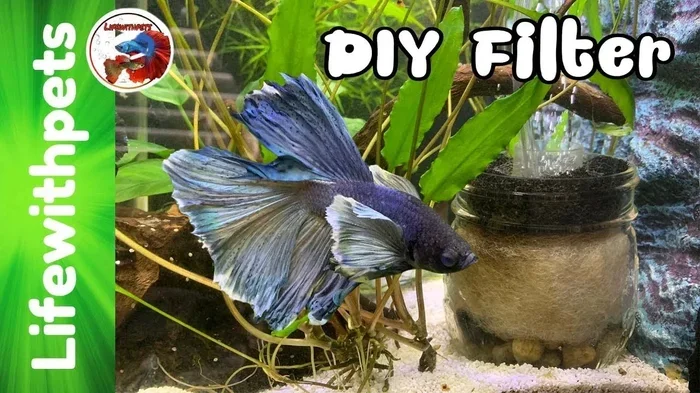
A sponge filter is often the top choice for betta tanks. It sits inside the tank and uses an air pump to draw water through a porous sponge. The sponge traps debris and provides a surface for beneficial bacteria to grow. Because the flow is very gentle, your betta will never feel stressed by a strong current.
Sponge filters are simple to clean. You just squeeze the sponge in old tank water during your routine maintenance. They are also affordable and nearly silent. If you are using a betta fish tank filter for a small tank, a sponge filter is hard to beat.
Hang-On-Back Filter
A hang-on-back filter, or HOB filter, clips onto the back of your tank. It pulls water up through a siphon tube, passes it through filter media, and returns it to the tank. HOB filters offer excellent mechanical and biological filtration in one unit.
The downside is that some HOB filters create strong flow. For bettas, look for a model with an adjustable output. You can turn the flow down to a gentle trickle that keeps your betta comfortable. Make sure the intake tube has a sponge pre-filter so your fish cannot get too close.
Canister Filter
A canister filter sits outside the tank and connects to the tank with tubes. It offers powerful filtration and a large media capacity. However, canister filters are usually too strong for small betta tanks. They also cost more and require more effort to maintain. Unless you have a large planted betta tank, a canister filter may not be the best choice.
How a Betta Fish Tank Filter Goes In: Step-by-Step
Now that you have chosen your filter, it is time to install it. Follow these steps carefully to make sure your betta fish tank filter goes in correctly and safely.
Step 1: Prepare Your Tank
Before you install anything, make sure your tank is ready. Add your substrate, decorations, and plants first. Fill the tank with dechlorinated water. If you have not yet cycled the tank, do that before adding your betta. A tank cycling process builds the beneficial bacteria your filter needs to work properly.
You can also add filter media at this stage. Rinse new media in dechlorinated water to remove dust. Do not use tap water because chlorine kills beneficial bacteria. Place your biological media in the filter chamber according to the manufacturer’s instructions.
Step 2: Position the Filter
Where you place your filter inside the tank matters a lot. For a sponge filter, position it in a corner of the tank near the back wall. The air line should reach the top of the tank where your air pump sits outside the water.
For a HOB filter, attach it to the back rim of the tank. Make sure it is level and secure. The intake tube should be fully submerged. Direct the water output so it gently agitates the surface. This increases oxygen exchange, which is vital for your betta’s health.
Step 3: Adjust the Flow Rate
Flow rate is one of the most important factors in betta fish tank filter installation. Bettas are slow swimmers and do not like strong currents. If the flow is too powerful, your betta will struggle to swim and may hide constantly.
Most quality filters have an adjustable flow knob. Turn it down until the water moves gently. A good test is to place your hand near the output. The current should feel like a light ripple, not a strong stream. If your filter does not have adjustable flow, you can baffle the output with a sponge or valve.
Step 4: Prime and Start the Filter
Before turning on your filter, prime it if needed. HOB filters usually need you to fill the filter chamber with tank water to start the siphon. Follow the priming instructions that come with your filter. Once you turn it on, check for leaks around the intake and output tubes.
Watch how the water moves in the tank for a few minutes. Your betta should be able to swim comfortably without being pushed around. If the flow is too strong, go back and adjust it. The goal is gentle, consistent water movement that keeps the tank clean without stressing your fish.
Common Mistakes When Installing a Betta Fish Tank Filter
Even experienced fish keepers sometimes make mistakes with filter setup. Here are the most common errors and how to avoid them.
Choosing a Filter That Is Too Powerful
Many people buy a filter rated for a tank much larger than theirs. While strong filtration sounds good, it creates a punishing current for a betta. Always match the filter to your tank size and choose one rated for your exact volume or slightly below. A filter that is too strong is worse than no filter at all for a betta.
Skipping the Pre-Filter Sponge
Without a pre-filter sponge on the intake tube, your betta risks getting stuck. Bettas have long fins that can easily get caught. A simple sponge pre-filter solves this problem. It also prevents small debris from being sucked into the filter motor. These sponges are cheap and easy to clean once a week.
Not Cleaning the Filter Regularly
A dirty filter stops working properly. However, cleaning it the wrong way can crash your tank cycle. Never rinse all your filter media in tap water. Instead, gently squeeze mechanical media in a bucket of old tank water. Leave biological media alone as much as possible. Only replace media when it physically falls apart.
Forgetting to Replace Filter Media
Over time, filter media wears out. Chemical media like activated carbon loses its effectiveness after four to six weeks. Biological media can become clogged with debris. Replace media in stages, never all at once. This preserves the beneficial bacteria colony that keeps your water quality stable.
How to Maintain Your Betta Fish Tank Filter
Once your betta fish tank filter is installed, ongoing maintenance keeps it running efficiently. A well-maintained filter means cleaner water and a healthier betta.
Weekly Maintenance Routine
Every week during your water change, check the filter intake for clogs. Remove any debris you find. Gently clean the pre-filter sponge if it looks dirty. Check that the filter is running quietly and the output is still directed correctly.
Also test your water parameters weekly. A good filter should keep ammonia and nitrite at zero. If these levels rise, your filter may not be working properly or the media needs attention. Regular testing helps you catch problems early before they harm your betta.
Monthly Deep Cleaning
Once a month, do a deeper check of your filter. Remove the filter media and rinse mechanical media in old tank water. Inspect biological media for buildup and gently loosen any compacted areas. Check all hoses and connections for wear or leaks.
If your filter has a motor, wipe it down to remove any algae or residue. Never submerge the motor housing unless it is rated for submersion. Keeping the motor clean extends its life and keeps your filtration system running strong.
For more tips on keeping your tank clean, see our article on how to clean a betta fish tank with a filter. Proper cleaning techniques make all the difference in your tank’s long-term health.
When to Replace Your Filter
Even with good care, filters eventually wear out. If your filter is making unusual noises, leaking, or no longer providing strong flow, it may be time for a replacement. Choose a new filter that matches your tank size and betta needs. Always cycle your new filter before relying on it for water quality.
Comparing Filter Types for Betta Tanks
Choosing the right filter can feel overwhelming with so many options. This comparison table breaks down the most popular filter types for betta tanks.
| Filter Type | Best For | Flow Control | Maintenance Level | Price Range |
|---|---|---|---|---|
| Sponge Filter | Small betta tanks | Adjustable via air pump | Low | $5 – $15 |
| Hang-On-Back Filter | Medium betta tanks | Adjustable output valve | Medium | $15 – $40 |
| Canister Filter | Large planted tanks | Adjustable intake valve | High | $40 – $100+ |
| Internal Filter | Small tanks or hospital tanks | Limited adjustment | Low | $5 – $20 |
For most betta tanks under 10 gallons, a sponge filter or a small HOB filter works best. Larger tanks may need a bigger HOB or a canister filter. Always consider your betta’s comfort first. A filter that is too strong causes more harm than good. You can learn more about how big a betta fish tank needs to be in our size guide.
Expert Tips for a Healthy Filtered Betta Tank
Here are some expert insights that go beyond basic filter installation. These tips help you get the most out of your betta fish tank filter and create the best possible environment for your fish.
- Add live plants to your tank. Plants absorb nitrates and produce oxygen naturally. They work alongside your filter to keep water quality high. Some great options for betta tanks include java fern, anubias, and live moss.
- Use a pre-filter sponge on every intake. This simple addition protects your betta’s delicate fins and prevents small objects from entering the filter mechanism. Replace the sponge every few months when it starts to break down.
- Do not over-filter. Some hobbyists think more filtration is always better. For bettas, gentle and consistent filtration beats powerful filtration every time. Your betta needs calm water to thrive.
- Monitor your water flow visually. Your betta should be swimming freely and comfortably. If you notice your betta hiding behind decorations or struggling against the current, reduce the flow immediately.
- Keep spare filter media on hand. When you need to replace media, having spare biological media from an established tank helps maintain your bacterial colony. This prevents sudden water quality drops.
Final Thoughts on Installing Your Betta Fish Tank Filter
Installing a betta fish tank filter properly sets the foundation for a healthy, thriving aquarium. From choosing the right filter type to adjusting the flow rate and maintaining it regularly, every step matters. Your betta depends on clean, well-oxygenated water, and a properly installed filter delivers exactly that.
Remember to match your filter to your tank size, always use a pre-filter sponge, and maintain your equipment on a consistent schedule. A well-maintained filter saves you time, protects your betta, and keeps your tank looking beautiful. If you are still deciding whether your betta needs a filter, read our article on do betta fish have to be in a filtered tank for more insights.
With the right betta fish tank filter in place, you can enjoy a vibrant, clean aquarium for years to come. Your betta will thank you with bright colors, active swimming, and a long, healthy life. Start your filter setup today and give your betta the home it deserves.
Frequently Asked Questions
Can a betta fish live without a filter?
Yes, bettas can survive without a filter, but they need very frequent water changes to stay healthy. A filter makes maintenance easier and keeps water quality stable. For the best long-term health, a betta fish tank filter is highly recommended.
What type of filter is best for a betta fish tank?
Sponge filters and hang-on-back filters work best for betta tanks. They provide gentle filtration without creating strong currents. Avoid canister filters for small betta tanks because they are usually too powerful.
How do I reduce filter flow for my betta?
Most filters have an adjustable output valve. Turn it down until the water moves gently across the surface. You can also baffle the output with a sponge or valve to soften the flow. Your betta should swim comfortably without struggling against the current.
How often should I clean my betta fish tank filter?
Rinse mechanical media weekly during water changes. Do a deeper inspection monthly. Never replace all filter media at once because this destroys beneficial bacteria. Clean only what is visibly dirty and always use old tank water.
Can I put two betta fish in the same filtered tank?
Male bettas should never be housed together because they will fight. Female bettas can sometimes live in groups called sororities with enough space and hiding spots. For more details, check our guide on can you put two betta fish in a tank together.
Does filter media need to be replaced regularly?
Yes, filter media wears out over time. Chemical media like activated carbon should be replaced every four to six weeks. Biological media can last longer but should be gently rinsed when clogged. Replace media in stages to preserve your tank’s beneficial bacteria colony.
=== CONCLUSION ===
Installing a betta fish tank filter is a straightforward process when you know the right steps. Choose a gentle filter type, position it correctly, adjust the flow to a comfortable level, and maintain it regularly. Your betta will thrive in clean, well-oxygenated water that a properly installed filter provides. Follow the tips in this guide and you will have a healthy, beautiful tank that both you and your betta can enjoy.