How Do Betta Fish Look Like When They Are Healthy

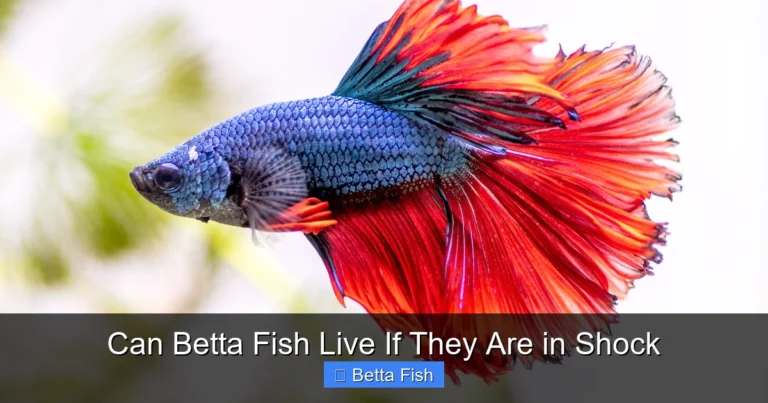
A healthy betta fish displays bright, vivid colors, smooth and flowing fins, clear eyes, and an active swimming pattern. Their appetite is strong, their skin is clean without white spots or fraying, and they respond to their surroundings with curiosity and energy. Understanding these betta fish appearance markers helps you catch health issues early and keep your fish thriving.
Key Takeaways
- Vibrant Colors: A healthy betta shows rich, intense colors across its body and fins without fading or discoloration.
- Flowing, Intact Fins: Fins should be full, smooth, and free from tears, white edges, or clamping.
- Clear, Bright Eyes: Healthy bettas have alert, clear eyes without cloudiness or swelling.
- Active Swimming: A well betta fish moves gracefully through the water with steady energy and curiosity.
- Healthy Appetite: Eating eagerly and consistently is one of the strongest signs of wellness.
- Clean Scales and Skin: Smooth scales without raised patches, white dots, or visible parasites indicate good health.
- Bubble Nests Signal Happiness: Building bubble nests is a natural behavior that shows your betta feels safe and content.
📑 Table of Contents
- How Do Betta Fish Look Like When They Are Healthy
- Vibrant Colors and Rich Pigmentation
- Flowing Fins and Healthy Fin Structure
- Bright and Clear Eyes
- Active Swimming and Natural Behavior
- Healthy Appetite and Eating Habits
- Clean Scales and Smooth Skin
- Bubble Nests and Breathing Patterns
- How to Maintain Your Betta’s Health
- Conclusion
How Do Betta Fish Look Like When They Are Healthy
If you own a betta fish or are thinking about getting one, you probably want to know what a healthy betta looks like. After all, these stunning fish are known for their bright colors and elegant fins. But when something looks off, it can be hard to tell if your fish is just resting or actually sick.
A healthy betta fish has a very distinct look. Their colors pop, their fins flow beautifully, and they move with purpose. In this guide, we will walk you through every sign of a thriving betta. By the end, you will know exactly what to look for and how to keep your fish looking its best.
Understanding betta fish appearance is not just about aesthetics. The way your fish looks is a direct reflection of its overall wellness. A dull, lethargic betta is sending a signal that something in its environment or care routine needs attention. On the other hand, a vibrant and active fish tells you that everything is right in its world.
Let us dive into the specific signs that tell you your betta is in great shape. We will cover everything from body color and fin condition to behavior and appetite. You will also learn what separates a healthy betta from one that is struggling.
Vibrant Colors and Rich Pigmentation
The first thing you notice about a healthy betta fish is its color. A well cared for betta displays deep, rich hues that seem almost glowing. Whether your fish is blue, red, green, purple, or a mix of colors, the pigmentation should be even and intense across its entire body.
What Healthy Colors Look Like
A thriving betta shows strong, saturated coloration. Think of a bright royal blue that almost shimmers under light. Or a deep crimson red that covers the body from nose to tail. These colors should not fade or look washed out. If your betta looks pale or faded, it could be a sign of stress or illness.
Some bettas also display metallic or iridescent scales. These shimmery patches are a great indicator of good health. When a betta is stressed or unwell, these metallic tones dull down significantly. You might also notice color changes during mood shifts or breeding periods, but these are temporary and natural.
Color Changes to Watch For
Not all color changes are bad. Bettas can naturally change color as they age. However, sudden or patchy color loss is a red flag. White spots, yellowish patches, or dark blotches can indicate fungal infections, bacterial issues, or parasites. If you notice any of these, it is time to check your water parameters and consider a closer look at your fish.
Keeping your betta in proper water temperature and clean conditions helps maintain its vibrant palette. A clean tank with the right parameters allows your fish to express its full color potential.
Flowing Fins and Healthy Fin Structure
One of the most beautiful features of a betta is its fins. When a betta fish is healthy, its fins spread out gracefully like a flowing cape. The fin rays are strong, and the webbing between them is intact. There should be no tearing, fraying, or clamping.
What Healthy Fins Look Like
Healthy fins are smooth and full. They extend naturally without curling or folding inward. A betta with good fin health will fan its fins out while swimming or resting, showing off their full width. The edges should be clean and transparent, not ragged or white.
Here are some signs of fin health you should look for:
- Full, extended fins that move freely through the water
- No white edges or red lines along the fin rays
- No clamping, which is when fins are held close to the body
- No missing chunks or torn fin membranes
- Symmetrical fin growth on both sides of the body
Common Fin Problems
Fin rot is one of the most common issues bettas face. It starts as a white or ragged edge on the fins and can progress quickly if not treated. Poor water quality is usually the culprit. Another issue is fin nipping, which can happen in tanks with aggressive tank mates. If you notice your betta’s fins looking short or damaged, check the water conditions and remove any stressors from the environment.
Some people wonder do betta fish fins get smaller when they get old. The answer is yes, fins can naturally shorten with age, but this happens gradually and is not the same as damage from disease or poor conditions.
Bright and Clear Eyes
A healthy betta has bright, clear eyes that look alert and curious. The eyes should be shiny and free from cloudiness. When your fish is swimming around its tank, its eyes should move smoothly and track your movements or any nearby activity.
Signs of Eye Health
Clear eyes are one of the easiest ways to judge your betta’s wellness. Here is what to look for:
- Bright and shiny surface with no haziness
- Even pupil size on both eyes
- No swelling or bulging around the eye area
- No cloudiness or a milky film over the eye
- Active eye movement that tracks objects naturally
If you notice any cloudiness, swelling, or if one eye looks larger than the other, these could be signs of infection or injury. Early detection makes treatment much easier. Keeping the tank clean and avoiding sharp decorations can prevent most eye-related issues.
Active Swimming and Natural Behavior
How your betta moves through the water tells you a lot about its health. A healthy betta fish is an active swimmer. It moves around the tank with purpose, exploring its environment and interacting with decorations and plants.
What Normal Behavior Looks Like
A well betta fish spends part of its day exploring, part of its day resting, and part of its day building bubble nests. This natural rhythm is a sign of a content and healthy fish. Your betta should swim steadily without struggling or drifting sideways.
Here are some behavioral signs of a healthy betta:
- Curious exploration of the tank and its decorations
- Graceful swimming with smooth fin movements
- Bubble nest building, which shows your fish feels safe
- Responsive to stimuli like your presence or food
- Regular resting periods on leaves or near the bottom
If your betta spends most of its time hiding, lying at the bottom, or floating listlessly, these are warning signs. A betta that does not want to move may be suffering from poor water conditions, illness, or stress. You can learn more about what betta fish like in their tanks to create the ideal environment that encourages natural, healthy behavior.
When to Be Concerned
Sometimes a betta will rest on a leaf or sit at the bottom of the tank. This is normal and not always a cause for concern. Bettas need rest just like any other animal. The key difference is that a healthy resting betta will still respond when you approach or when food is offered. A sick betta will ignore food and show little reaction to anything happening around it.
Healthy Appetite and Eating Habits
A strong appetite is one of the clearest signs that your betta is feeling good. A healthy betta fish gets excited at feeding time and eats eagerly. Most bettas enjoy a varied diet of pellets, frozen bloodworms, and brine shrimp.
What a Healthy Eating Routine Looks Like
Feeding your betta once or twice a day is standard. A healthy fish will eat within a few minutes of food being added. It should consume most or all of what you offer. After eating, your betta should appear satisfied and return to its normal activities.
Here are some tips for maintaining a healthy feeding routine:
- Feed small amounts twice a day rather than one large meal
- Variety is key — rotate between pellets, frozen, and live foods
- Remove uneaten food after five minutes to keep the tank clean
- Watch for excitement at feeding time, which shows a healthy appetite
- Skip a day occasionally to support digestion and prevent overfeeding
If your betta refuses food for more than two days, something is wrong. Loss of appetite can be caused by poor water quality, stress, illness, or temperature issues. You can read more about what to do when your betta fish won’t eat for practical steps to address feeding problems.
Clean Scales and Smooth Skin
A healthy betta has smooth, clean scales that lie flat against its body. The skin should be free from any white spots, raised patches, or visible parasites. When you look at your fish closely, the body should appear sleek and well-formed.
Signs of Good Skin and Scale Health
Here is what to check for when examining your betta’s body:
- Smooth scales that lie flat without lifting or peeling
- No white dots which could indicate ich or white spot disease
- No red streaks or open sores on the body
- Even body shape without bloating or severe thinning
- No visible parasites like tiny worms or crawling organisms
Bettas can develop several skin conditions, including ich, fin rot, and fungal infections. Most of these are preventable with proper tank maintenance. Regular water changes, appropriate filtration, and a stable environment go a long way in keeping your fish’s skin and scales in top condition.
If you ever notice unusual bumps, colorless patches, or any kind of growth on your betta’s body, it is best to act quickly. Early treatment of skin issues is much easier than dealing with advanced infections. You can learn more about maintaining your fish’s health in our guide on how to make your betta fish healthy again.
Bubble Nests and Breathing Patterns
A happy and healthy betta often builds bubble nests at the surface of the water. These clusters of tiny bubbles are a natural behavior that shows your fish feels safe and content. Even male bettas who live alone build these nests as part of their instinctual behavior.
Healthy bettas also breathe normally at the surface. You may notice your fish taking quick gulps of air now and then. This is perfectly normal because bettas have a special organ called the labyrinth that allows them to breathe atmospheric air. However, if your fish is gasping constantly or staying at the surface for long periods, this could indicate low oxygen levels or poor water quality.
You can also check whether betta fish breathe when sleeping to understand their normal respiratory patterns and ensure there are no hidden health concerns.
How to Maintain Your Betta’s Health
Now that you know what a healthy betta looks like, let us talk about how to keep it that way. Prevention is always better than treatment, and a good care routine makes all the difference.
Tank Setup and Size
A 10 gallon tank is the minimum recommended size for a single betta. Larger tanks provide more stable water parameters and more space for swimming. Add live or silk plants, hiding spots, and gentle filtration to create a comfortable environment.
Water Quality and Parameters
Keep the water temperature between 76 and 82 degrees Fahrenheit. The pH should be between 6.5 and 7.5. Regular water changes of 25 to 30 percent every week help maintain clean conditions. Always use a water conditioner to remove chlorine and chloramine before adding new water.
Diet and Nutrition
Feed a balanced diet that includes high-quality pellets as the staple. Supplement with frozen or live foods like bloodworms and brine shrimp a few times a week. Avoid overfeeding, which can lead to bloating and poor water quality.
Stress Reduction
Bettas are sensitive to stress. Keep the tank in a quiet area away from loud noises and direct sunlight. Avoid aggressive tank mates and sudden changes in lighting or décor. A calm environment helps your fish stay vibrant and active.
If you are wondering about the overall well-being of your fish, you can read more about are betta fish healthy in general and what factors contribute to their long-term wellness.
Conclusion
Knowing what a healthy betta fish looks like empowers you to provide better care and catch problems early. From vibrant colors and flowing fins to clear eyes and an active swimming pattern, every detail matters. Your betta’s appearance and behavior are your best tools for monitoring its wellness.
Keep up with regular tank maintenance, offer a nutritious diet, and watch your fish closely. A healthy betta is a beautiful, lively companion that brings joy to any home. With the right care, your betta can thrive for years and continue to display its stunning colors and graceful movements.
Remember that every betta is unique. Some are more colorful, some are more active, and some are more laid back. What matters most is that your fish shows consistent signs of wellness and enjoys a clean, comfortable environment. Trust your observations and act quickly if anything seems off.
Frequently Asked Questions
How can I tell if my betta fish is healthy?
A healthy betta displays bright colors, clear eyes, flowing fins, and an active swimming pattern. It eats eagerly and builds bubble nests. These are the most reliable signs that your fish is feeling good and thriving in its environment.
What does a sick betta fish look like?
A sick betta may look pale, have clamped fins, cloudy eyes, or white spots on its body. It might stop eating, stay at the bottom of the tank, or breathe rapidly at the surface. These are warning signs that need immediate attention.
How often should I check my betta’s appearance?
You should observe your betta daily during feeding time. A quick visual check every day helps you catch changes early. A more thorough inspection, including fins, eyes, and scales, should be done weekly.
Can a betta fish recover from looking unhealthy?
Yes, many bettas recover fully when their water conditions improve and they receive proper treatment. Early intervention is key. The sooner you address the issue, the better the chances of a full recovery.
Do betta fish change color when they are stressed?
Yes, stressed bettas often look faded or dull. Their colors lose intensity when they are unhappy or unwell. Reducing stressors and improving tank conditions usually brings their colors back to full vibrancy.
What should I do if my betta stops eating?
First, check your water parameters and temperature. If the tank is clean and conditions are right, try offering a different food type. If your betta still refuses food after two days, look for other symptoms and consider consulting a fish health guide or veterinarian.