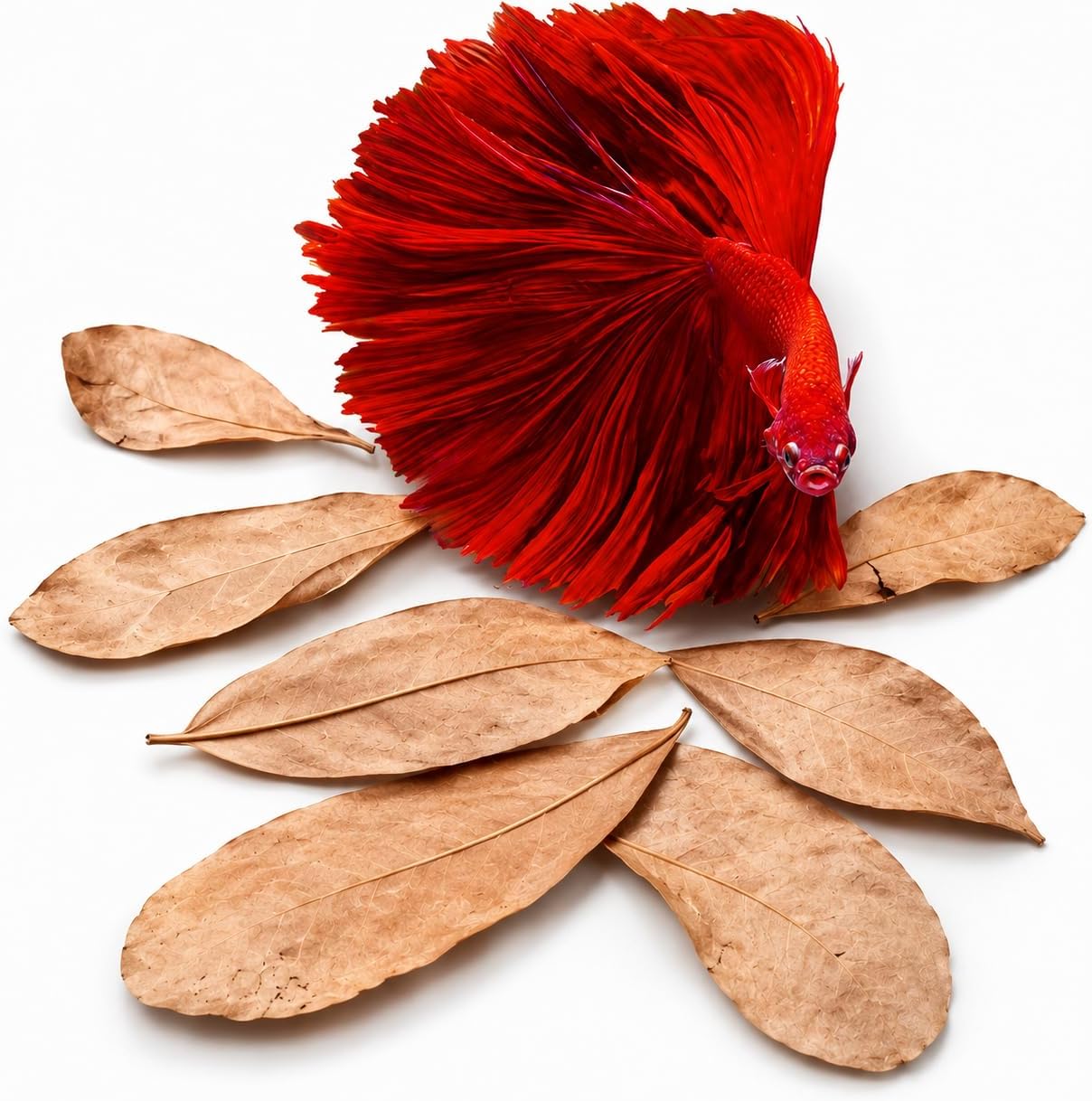
How Do Betta Fish Attack

So, how do betta fish attack? Betta fish use flaring, biting, and fin nipping to defend territory or respond to stress. Understanding betta fish aggression helps you prevent fights and keep your aquarium peaceful. This guide covers the real reasons behind attacks, common triggers, and practical steps to stop aggressive behavior before it starts.
Key Takeaways
- Betta fish attack for specific reasons: territory, stress, overcrowding, and mistaken identity are the top triggers.
- Flaring and biting are normal behaviors: they show dominance or fear, not always outright aggression.
- Tank setup matters hugely: proper hiding spots and space reduce attack chances dramatically.
- Choosing the right tank mates prevents fights: some fish trigger betta attacks while others coexist peacefully.
- Early warning signs save lives: recognizing stress and aggression early lets you act fast.
- Prevention is always easier than treatment: simple changes to habitat and feeding routines stop most attacks.
📑 Table of Contents
- How Do Betta Fish Attack: Understanding Aggressive Behavior
- Why Do Betta Fish Attack?
- How Do Betta Fish Attack Other Fish?
- Do Betta Fish Attack Humans?
- How to Prevent Betta Fish Attacks
- What to Do If Your Betta Is Attacking Other Fish
- Common Mistakes That Trigger Betta Attacks
- Expert Insights on Betta Aggression
- Conclusion
How Do Betta Fish Attack: Understanding Aggressive Behavior
Betta fish are beautiful, colorful creatures that many people love to keep at home. But beneath those flowing fins lies a fish with a strong personality. How do betta fish attack? They use a mix of visual displays, chasing, biting, and fin nipping to communicate dominance, fear, or territorial instinct.
Understanding betta fish aggression is not just interesting. It is essential for keeping your fish healthy and your aquarium peaceful. Whether you are a new fish owner or a seasoned hobbyist, knowing what triggers attacks helps you prevent problems before they start. In this article, we break down the real reasons bettas attack, the warning signs to watch for, and what you can do about it.
Betta fish aggression is more common than most people think. These fish are naturally territorial, especially males. In the wild, they claim small patches of water and defend them fiercely. In a home aquarium, that same instinct can lead to fights, stress, and even injury. The good news is that with the right setup and knowledge, you can manage and reduce this behavior effectively.
What Does a Betta Fish Attack Look Like?
Before diving into the reasons, let us first understand what an actual attack looks like. Many people confuse normal betta behavior with aggression. A betta flaring its gills at its own reflection is not the same as chasing another fish across the tank.
Here are the most common signs of a betta fish attack:
- Flaring: The betta spreads its gills and fins wide to look bigger and more intimidating.
- Chasing: The betta pursues another fish relentlessly around the tank.
- Biting: The betta nips at fins, tails, or even the bodies of other fish.
- Fin Nipping: Edges of fins get torn or frayed from repeated biting.
- Locking Jaws: Two fish grip each other and roll, which often leads to injury.
Not all of these behaviors mean your fish is being violent. Flaring, for example, is a natural response. But chasing and biting are clear signs that something in the environment needs to change.
Why Do Betta Fish Attack?
How do betta fish attack and what drives them to do it? The answer lies in their biology and environment. Several factors trigger aggressive behavior, and understanding each one helps you address the root cause.
Territorial Instincts
Betta fish are territorial by nature. In their native habitats across Southeast Asia, they claim small areas of shallow water. When another fish enters that space, the betta sees it as a threat. This is the number one reason for attacks in home aquariums.
Male bettas are especially territorial. They will attack anything that looks like a rival, including their own reflection. Even female bettas can show territorial behavior, though it is usually less intense.
Stress and Poor Water Conditions
Stressed fish are aggressive fish. When water quality drops, bettas become irritable and defensive. High ammonia levels, wrong temperatures, and dirty tanks all contribute to stress. A stressed betta is more likely to attack other fish or even lash out at decorations.
Common stress triggers include:
- Overcrowded tanks
- Sudden changes in water temperature
- Bright lights or constant noise near the tank
- Lack of hiding spots
- Bullying from tank mates
Mistaken Identity and Mirror Responses
Betta fish do not always recognize other fish as different creatures. Sometimes they see a colorful fish and think it is a rival male betta. This mistaken identity leads to unprovoked attacks. Similarly, a betta may flare and snap at its own reflection in the glass, thinking it is an intruder.
Why do betta fish attack each other so often? Because they cannot tell the difference between a rival and a peaceful species. Their instinct kicks in before their brain can reason.
Breeding and Hormonal Changes
During breeding season, male bettas become extra aggressive. Hormones surge, and their need to protect a nesting area increases. Even normally calm bettas may show sudden aggression during this time. If you notice your betta attacking more than usual, check whether it is breeding season.
How Do Betta Fish Attack Other Fish?
Do betta fish attack fish of other species? Yes, they absolutely can. Betta fish are not picky about who they target. Any fish that enters their perceived territory can become a target. However, some species are more vulnerable than others.
Fish with long, flowing fins often attract betta attention. The betta may see the fins as a rival’s tail and try to bite them. Small, slow-moving fish are also easy targets. Here is a quick look at common scenarios:
| Tank Mate Type | Attack Risk | Reason |
|---|---|---|
| Fish with long fins | High | Betta mistakes fins for a rival |
| Small, slow fish | Medium | Easy target, less able to escape |
| Brightly colored fish | Medium | Triggers territorial response |
| Bottom-dwelling fish | Low | Less overlap in territory |
| Fast-moving fish | Low | Hard to catch, less interesting |
Understanding these patterns helps you choose better tank mates. If you want peaceful community tanks, pick species that stay out of the betta’s way and avoid flashy colors or long fins.
Also, do betta fish attack frogs or other non-fish creatures? Yes, they sometimes do. Frogs that wander into a betta’s space may get nipped at. The same goes for catfish and other bottom dwellers if they cross paths with a territorial betta.
The Difference Between Playful and Aggressive Behavior
Not every chase or nip means your betta is being aggressive. Sometimes bettas playfully nip at each other or explore their surroundings with quick movements. The key difference is intensity and frequency.
Watch for these clues to tell the difference:
- Playful: Short bursts of chasing, no fin damage, both fish seem relaxed.
- Aggressive: Constant chasing, torn fins, one fish hiding or refusing to eat.
If you see persistent aggressive behavior, it is time to intervene. Ignoring it can lead to serious injury or even death.
Do Betta Fish Attack Humans?
Do betta fish attack humans? This is one of the most common questions new fish owners ask. The short answer is no. Betta fish do not attack people. They are far too small to cause any real harm.
However, bettas may flare at fingers that reach into the tank. This is not an attack. It is a defense response. The betta thinks your hand is a threat entering its territory. Over time, most bettas get used to their owner’s presence and stop flaring.
Some people even train their bettas to follow their finger or eat from their hand. This shows that bettas can learn to associate human hands with positive experiences, not threats.
If you want to handle your betta safely, always move slowly and avoid sudden movements. Wash your hands before reaching in to remove any soap or lotion that could irritate the fish. Gentle handling builds trust over time.
How to Prevent Betta Fish Attacks
Prevention is always better than dealing with the aftermath of a fight. There are several simple steps you can take to reduce betta fish aggression and keep your aquarium peaceful.
1. Provide Enough Space
A cramped tank is a recipe for disaster. Betta fish need room to claim their own territory without feeling constantly threatened. A tank of at least 5 gallons is recommended for a single betta. If you plan to keep tank mates, go even larger.
More space means fewer confrontations. Each fish can establish its own zone without overlapping into another’s territory.
2. Add Hiding Spots and Plants
Live or silk plants give bettas places to retreat when they feel threatened. Caves, driftwood, and decorations also break up lines of sight. This reduces the chances of one fish spotting another and launching an attack.
Try to fill about 40 to 50 percent of the tank with plants and decorations. This creates natural boundaries that help fish coexist.
3. Choose Tank Mates Carefully
Not every fish can live with a betta. Avoid fish that are colorful, have long fins, or are known to be fin nippers. Good tank mates include:
- Corydoras catfish
- Neon tetras (in larger tanks)
- Snails like nerite or mystery snails
- Ghost shrimp
- Kuhli loaches
Always introduce new fish slowly. Use a divider or quarantine tank first to see how your betta reacts before making permanent arrangements.
4. Keep Water Quality High
Clean water keeps stress levels low. Test your water regularly for ammonia, nitrite, and nitrate. Perform partial water changes weekly, about 25 percent at a time. A stable environment leads to a calmer, less aggressive betta.
5. Feed Properly and Consistently
Hungry fish are more aggressive. Feed your betta a balanced diet of high-quality pellets and occasional treats like bloodworms or brine shrimp. Feed small amounts twice a day rather than one large meal. This keeps your betta satisfied and less likely to lash out at tank mates.
What to Do If Your Betta Is Attacking Other Fish
If your betta is already showing aggressive behavior, do not panic. There are steps you can take right now to stop the attacks and protect your other fish.
First, separate the aggressor. Move the betta to a different tank or use a divider in the existing tank. This gives the other fish time to recover and prevents further injury.
Next, assess the tank setup. Are there enough hiding spots? Is the tank too small? Make changes as needed. Sometimes simply rearranging decorations can reset territorial boundaries and reduce tension.
If the aggression continues, consider whether your betta is simply not suited for a community tank. Some bettas are naturally more aggressive than others. In these cases, keeping the betta alone in its own tank is the safest option for everyone.
Common Mistakes That Trigger Betta Attacks
Many fish owners unknowingly set up conditions that encourage aggressive behavior. Here are the most common mistakes to avoid:
- Too small a tank: A tiny bowl or vase gives the betta no room to establish boundaries.
- No hiding spots: Fish that cannot escape feel trapped and become defensive.
- Overcrowding: Too many fish in one tank raises stress and competition.
- Inconsistent feeding: Hungry bettas take out their frustration on tank mates.
- Ignoring water changes: Dirty water causes stress and triggers aggression.
- Placing the tank in a high-traffic area: Constant movement outside the tank keeps the betta on edge.
Avoiding these mistakes goes a long way in maintaining a peaceful aquarium. Simple adjustments make a huge difference in your fish’s behavior and overall health.
Expert Insights on Betta Aggression
Experienced aquarists agree that betta fish aggression is manageable with the right approach. The key is understanding that aggression is not random. It always has a cause, whether it is territorial instinct, stress, or a poor environment.
Many experts recommend observing your betta daily. Watch how it interacts with its surroundings and other fish. Catching early warning signs gives you time to adjust before a fight breaks out. Regular observation also helps you learn your individual betta’s personality. Some bettas are calm and curious, while others are bold and defensive.
Remember that every betta is different. What works for one fish may not work for another. Patience and observation are your best tools for managing aggression in any aquarium.
Conclusion
How do betta fish attack? They flare, chase, bite, and nip fins when they feel threatened, territorial, or stressed. Understanding these behaviors is the first step toward preventing them. With the right tank size, proper mates, clean water, and consistent feeding, you can keep your betta calm and your aquarium harmonious.
Always watch for warning signs of aggression and act quickly if you notice problems. A little prevention goes a long way in protecting both your betta and its tank mates. Apply the tips in this guide, and you will create a peaceful home where your betta fish can thrive.
Frequently Asked Questions
Why do betta fish attack each other?
Betta fish attack each other primarily because of territorial instincts. Male bettas especially see other males as rivals and will defend their space aggressively. This behavior is deeply rooted in their nature and is the main reason why bettas should never be housed together in small tanks.
Can a betta fish hurt a human?
No, betta fish cannot hurt humans. They are too small and their teeth are tiny. Even if a betta bites your finger, it usually feels like a light tickle. The flaring and snapping they do toward hands is a defense response, not an actual attack meant to cause harm.
How can I stop my betta from attacking other fish?
Start by increasing tank size and adding more hiding spots. Rearrange decorations to reset territorial boundaries. If aggression continues, separate the betta using a divider or move it to its own tank. Consistent feeding and clean water also help reduce stress-driven attacks.
Do betta fish attack snails?
Betta fish rarely attack snails. Snails are usually safe tank mates because they stay at the bottom and move slowly. However, a very aggressive betta might nip at a snail’s antenna if it wanders into the betta’s territory. Overall, snails make excellent peaceful companions for bettas.
What should I do if my betta bites another fish?
Remove the injured fish to a quarantine tank right away. Check the wound for signs of infection and treat if needed. Then assess why the attack happened. Was the tank too small? Were there not enough hiding spots? Fixing the root cause prevents future biting incidents.
Are female betta fish less aggressive than males?
Generally yes, female bettas are less aggressive than males. However, females can still show territorial behavior, especially when kept in groups. A group of female bettas needs enough space and hiding spots to establish a stable hierarchy without constant fighting.