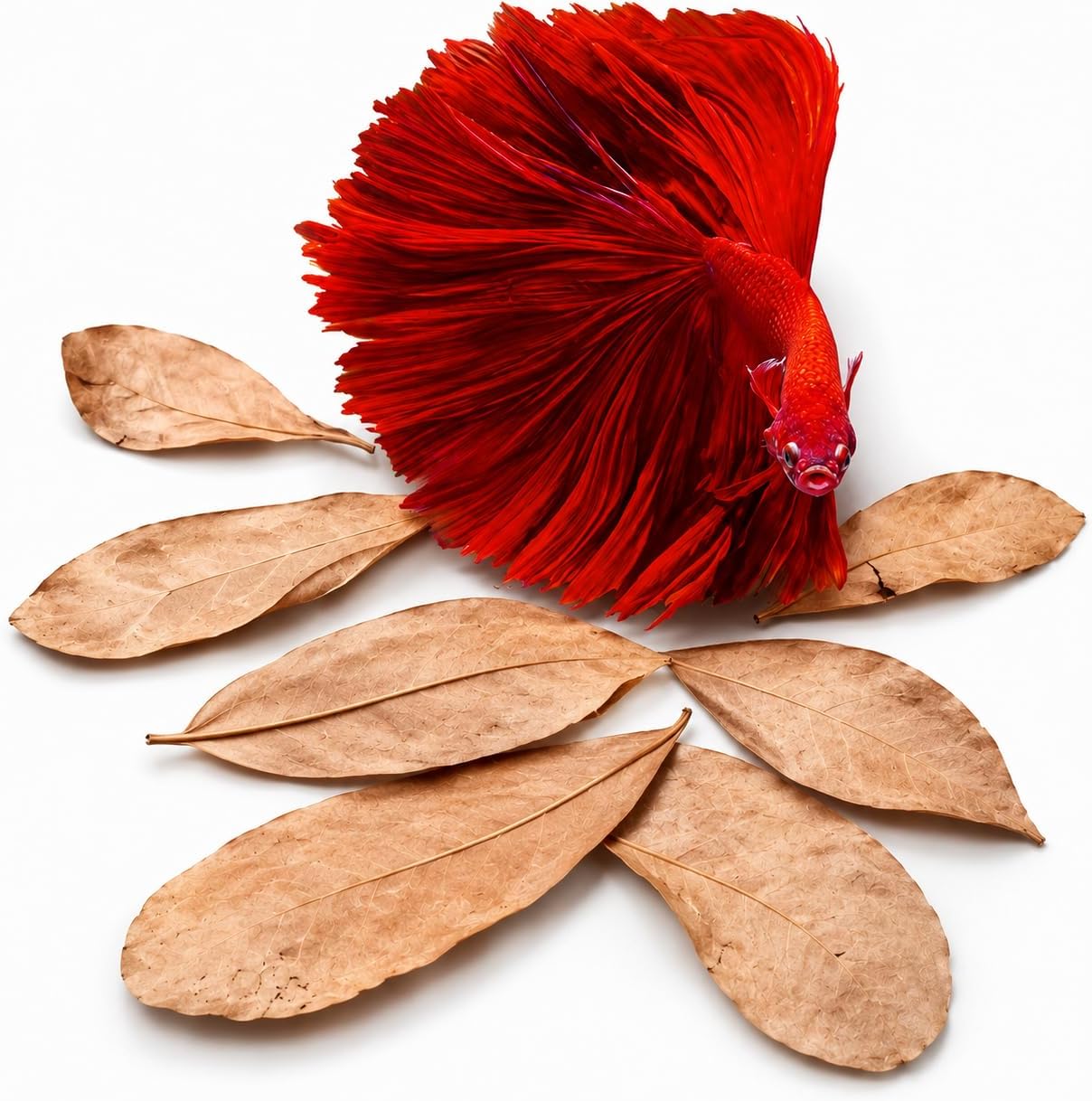
How Can U Tell If Your Betta Fish Is Happy

Knowing how can u tell if your betta fish is happy comes down to watching their colors, activity, appetite, and bubble nests. A happy betta fish displays vibrant fins, swims with energy, eats eagerly, and builds bubble nests regularly. This guide covers every sign you need to look for to keep your betta healthy and joyful.
Your betta fish is more than just a pretty face swimming around a tiny bowl. These little creatures have personalities, moods, and clear ways of telling you how they feel. If you have ever wondered how can u tell if your betta fish is happy, you are in the right place.
A happy betta fish shows its joy through bright colors, active swimming, a good appetite, and even bubble nest building. On the flip side, a stressed or unhappy betta will fade in color, hide in corners, and stop eating. Learning to read these signals is one of the best things you can do as a fish owner.
Whether you just brought home your first betta or you have had one for years, this guide will walk you through every sign of a content, healthy betta. We will cover behavior, tank setup, feeding habits, and common mistakes that can ruin your fish’s mood. By the end, you will know exactly what to look for and how to keep your betta thriving.
Key Takeaways
- Bright, vivid colors and spread fins are the clearest signs your betta is feeling good and comfortable in its environment.
- Active swimming and curiosity show that your betta fish is engaged, healthy, and exploring its tank.
- A healthy appetite and eager feeding behavior mean your betta is happy and free from stress or illness.
- Bubble nest building is a natural sign of contentment and a great indicator that your betta feels safe.
- A clean, warm tank with proper enrichment like plants and hiding spots makes a huge difference in betta happiness.
- Watch for stress signs like clamped fins, lethargy, or loss of color, which signal an unhappy or sick fish.
- Regular water changes and a consistent feeding routine are the foundation of long-term betta well-being.
📑 Table of Contents
Top Signs Your Betta Fish Is Happy
The easiest way to answer how can u tell if your betta fish is happy is by watching for a handful of clear behavioral and physical signs. Happy bettas are easy to spot once you know what to look for.
Vibrant Colors and Flowing Fins
A healthy, happy betta fish displays rich, intense colors. Think deep blues, bright reds, vivid greens, and stunning purples. When a betta is stressed or sick, those colors fade. The fish may look pale or washed out. A happy betta will also flare its fins occasionally, showing them off in a display of confidence and comfort.
If your betta’s colors look dull or faded, it could be a sign of stress, poor water quality, or illness. You can check our guide on how can you tell if your betta fish is sick to rule out health issues.
Active Swimming and Exploration
A happy betta moves around the tank with purpose. It explores every corner, checks out decorations, and swims gracefully through the water. You will notice smooth, flowing movements with no signs of struggling or gasping at the surface.
Happy bettas also like to investigate new things in their environment. If you add a plant or rearrange some décor, your fish might swim right up to check it out. That curiosity is a great sign of a content and engaged fish.
Healthy Appetite and Eating Enthusiasm
When it is feeding time, a happy betta gets excited. It will swim to the top of the tank eagerly and eat with enthusiasm. A good appetite is one of the strongest indicators of overall well-being. If your betta ignores food or barely touches it, something may be wrong.
You should feed your betta small amounts two times a day. Overfeeding can cause health problems, so keep portions small and remove any uneaten food after a few minutes.
Bubble Nest Building
Here is a sign that might surprise you. Male bettas build bubble nests on the surface of the water, and this behavior is a strong indicator of happiness. A betta that feels safe, comfortable, and content will build bubble nests regularly. The size and frequency of the nest can even tell you a lot about how your fish is feeling.
If your betta stops building bubble nests for a long time, it could mean the water conditions are off or the fish is stressed. Check water temperature and quality first, as these directly affect this natural behavior.
Understanding Betta Fish Behavior
Betta fish communicate through their actions more than anything else. Unlike dogs or cats, they cannot bark or purr to show how they feel. Instead, their body language and daily patterns tell the full story. Understanding these behaviors is key to answering how can u tell if your betta fish is happy on a deeper level.
Flaring: What It Means
Betta fish flare their gills and fins when they see their reflection or when they feel threatened. This is normal behavior in small doses. A quick flare now and then is perfectly fine. However, if your betta flares constantly, it may be stressed by its own reflection or by aggressive tank mates.
To reduce unnecessary flaring, avoid placing the tank near mirrors or bright lights that reflect directly into the tank. A calm environment keeps your betta relaxed.
Resting and Sleeping Patterns
Betta fish do sleep, and they need it just like any other pet. A happy betta will have a regular sleep schedule. You might notice your fish resting on a leaf or hovering near the bottom of the tank at night. Some bettas even lie flat on the substrate, which can look alarming but is perfectly normal.
If your betta sleeps more than usual or seems unusually lethargic, check the water temperature. Bettas need warm water between 76 and 82 degrees Fahrenheit to stay active and healthy.
Color Changes as Mood Indicators
Did you know that betta fish can actually change color based on their mood? Stress, illness, and aging can all cause color shifts. A happy betta maintains strong, vibrant pigmentation. If you notice your fish turning white or developing horizontal stress stripes, that is a red flag worth investigating.
For more details on recognizing illness, visit our article on how can you tell if your betta fish is sick.
Tank Setup and Environment Matters
The environment your betta lives in plays a huge role in its happiness. A poorly maintained tank will quickly lead to a stressed, unhappy fish. Getting the setup right is one of the most impactful things you can do.
Tank Size and Space
Many people keep bettas in tiny bowls, and this is one of the biggest mistakes you can make. A betta needs at least 5 gallons of water to thrive. In a larger tank, water parameters stay more stable, and your fish has room to swim and explore. More space directly equals a happier betta.
If you are currently using a bowl or a very small container, consider upgrading. Your betta will thank you with brighter colors and more energy.
Water Temperature and Quality
Betta fish are tropical creatures. They need warm, clean water to stay healthy. Use a heater to maintain a steady temperature between 76 and 82 degrees Fahrenheit. A thermometer is essential for monitoring.
Water quality is just as important. Test the ammonia, nitrite, and nitrate levels regularly. Perform partial water changes every week, replacing about 25 percent of the water. Clean water means a happy, healthy fish.
Plants, Hiding Spots, and Enrichment
Bettas love environments that mimic their natural habitat. Live or silk plants give them places to rest, hide, and explore. Caves, driftwood, and leaf litter all add enrichment that keeps your betta mentally stimulated.
Avoid sharp plastic plants that can tear their delicate fins. Soft, natural-looking décor is always the better choice. A well-decorated tank makes your betta feel safe and encourages natural behaviors like exploring and nest building.
Feeding and Appetite as Happiness Indicators
Food is more than just fuel for your betta. It is a key part of their daily happiness and overall health. How your betta responds to feeding time tells you a lot about its current state of mind.
What to Feed Your Betta
A high-quality betta pellet should form the foundation of your fish’s diet. Look for pellets with protein as the first ingredient. You can also offer variety with frozen or live foods like brine shrimp and bloodworms. These treats make feeding time more exciting and provide extra nutrition.
For more information on safe treat options, check out our guide on can you feed your betta fish brine shrimp.
How Much and How Often to Feed
Feed your betta two small meals per day, about 2 to 3 pellets each time. Overfeeding is a common mistake that leads to bloating, constipation, and poor water quality. A happy betta eats eagerly but does not gorge itself. Remove any uneaten food within five minutes to keep the tank clean.
If your betta suddenly stops eating, do not panic immediately. Check the water temperature and quality first. Sometimes a simple adjustment solves the problem. But if the refusal to eat continues for more than a couple of days, it is time to investigate further.
Common Mistakes That Make Betta Fish Unhappy
Even the most caring owners can make mistakes that affect their betta’s happiness. Knowing what to avoid is just as important as knowing what to do.
Keeping the Tank Too Small
A tiny bowl with no filter or heater is a recipe for an unhappy betta. Small volumes of water change temperature and chemistry quickly, which stresses the fish. Always aim for at least 5 gallons with a gentle filter and a reliable heater.
Ignoring Water Changes
Dirty water is the number one cause of stress in captive bettas. Ammonia and nitrite build up fast in small tanks. Skipping water changes leads to cloudy, toxic water that makes your fish miserable. Stick to a weekly partial water change schedule and your betta will stay vibrant and active.
Wrong Tank Mates
Not all fish get along with bettas. Aggressive or fin-nipping species can cause constant stress. Even some peaceful fish may bother a betta’s long fins. If you want tank mates, research carefully and choose gentle species that occupy different areas of the tank.
Lack of Enrichment
A bare tank with nothing to explore gets boring fast. Bettas are curious creatures that need mental stimulation. Plants, caves, and gentle water flow all contribute to a more engaging environment. A bored betta becomes a stressed betta.
How to Keep Your Betta Fish Happy Long-Term
Now that you know the signs of a happy betta and the mistakes to avoid, let us talk about the daily habits that keep your fish content for years to come.
First, maintain a consistent routine. Bettas thrive on predictability. Feed them at the same times each day. Perform water changes on a regular schedule. Keep the tank in a quiet area away from loud noises and direct sunlight.
Second, observe your fish every day. Spend a few minutes watching your betta’s behavior. Notice any changes in swimming patterns, eating habits, or color. Early detection of problems makes all the difference. If you ever notice something off, do not wait. Check the water parameters and look for other symptoms.
Third, keep learning. The more you understand about betta behavior and needs, the better care you can provide. Reading guides like how to make your betta fish happy gives you fresh ideas for improving your fish’s environment and quality of life.
A happy betta fish is a joy to watch. Their flowing fins, bright colors, and curious personalities bring life to any room. By paying attention to the signs and taking proactive steps, you can ensure your betta lives a long, healthy, and joyful life.
Remember, every betta is different. Some are more active, some are more laid-back. The key is to know your individual fish and respond to its unique needs. When you get that balance right, you will see the difference in every swim, every meal, and every bubble nest.
So go ahead, put these tips into practice today. Your betta fish will reward you with vibrant colors, energetic swimming, and the kind of contentment that only a well-cared-for pet can bring.
Frequently Asked Questions
How can u tell if your betta fish is happy based on color?
A happy betta displays rich, vibrant colors with no fading or paleness. If your fish’s colors look dull or washed out, it could be a sign of stress, illness, or poor water conditions. Bright, intense pigmentation is one of the most reliable happiness indicators.
How often should I feed my betta fish to keep it happy?
Feed your betta two small meals per day, about 2 to 3 pellets each time. A happy betta eats eagerly and finishes its food within a few minutes. Overfeeding can cause health problems, so stick to a consistent routine and remove uneaten food promptly.
Is bubble nest building a sign of a happy betta?
Yes, bubble nest building is a strong sign that your male betta feels safe and content. A happy betta builds nests regularly as a natural behavior tied to comfort and well-being. If nest building stops suddenly, check your water parameters and temperature.
What tank size is best for a happy betta fish?
A minimum of 5 gallons is recommended for a happy, healthy betta. Larger tanks provide more stable water conditions and give your fish room to swim and explore. A small bowl with no filtration or heating will lead to stress and unhappiness over time.
Can a betta fish be too happy or overly active?
Bettas are naturally curious and active fish. Some individuals are simply more energetic than others. As long as the swimming is smooth and the fish is eating well, high activity is a great sign. Lethargy or erratic swimming, however, warrants a closer look at water quality and health.
How do I know if my betta is stressed instead of happy?
Stressed bettas show faded colors, clamped fins, hiding behavior, loss of appetite, and rapid or labored breathing. Happy bettas display the opposite: bright colors, open fins, eager eating, and relaxed swimming. If you notice stress signs, test your water and check for environmental triggers.
=== CONCLUSION ===
So, how can u tell if your betta fish is happy? The answer lies in watching the small but meaningful details. Color, activity level, appetite, bubble nests, and overall behavior all paint a clear picture of your fish’s emotional state. A happy betta is vibrant, curious, and eager about life in its tank.
By providing a proper environment, a consistent feeding routine, and plenty of enrichment, you set the stage for a thriving, joyful fish. Avoid common pitfalls like tiny tanks, dirty water, and incompatible tank mates. And always stay observant. Your betta communicates with you every single day, you just need to know how to listen.
Use the tips in this guide to become a better betta owner. Your fish will reward you with years of beauty, personality, and companionship. Start today and watch your betta flourish.