How Can I Mate My Betta Fish

Breeding betta fish is an exciting but careful process that requires the right setup, healthy fish, and patience. This guide walks you through everything you need to know about how can I mate my betta fish, from choosing a breeding pair to caring for newborn fry. You will learn the signs of readiness, the mating process, and how to keep both parents and babies safe.
Breeding betta fish can be one of the most rewarding experiences for any fish keeper. If you have been asking yourself how can I mate my betta fish, you are in the right place. This guide covers everything from choosing the right pair to caring for baby betta fish after they hatch. Whether you are a beginner or have some experience, you will find practical tips that make the process easier and safer for your fish.
Betta fish breeding requires preparation and attention to detail. You cannot just put two bettas together and hope for the best. There are specific steps you need to follow to create the right breeding environment. This article breaks each step down into simple, easy-to-follow instructions. By the end, you will feel confident and ready to start your betta fish breeding journey.
Key Takeaways
- Know the Signs: Learn how to tell if your betta fish is ready to breed by watching for key behavior and physical changes.
- Set Up the Right Tank: A separate breeding tank with the correct water temperature and conditions is essential for success.
- Choose a Healthy Pair: Only breed betta fish that are in top health and the right age to avoid complications.
- Follow the Courtship Process: Understanding betta fish courtship helps you support the pair through each stage of mating.
- Care for the Fry: After spawning, proper feeding and tank maintenance are critical for betta fish fry survival.
- Avoid Common Mistakes: Skipping health checks or rushing the process can harm your fish and reduce breeding success.
📑 Table of Contents
Understanding Betta Fish Breeding Behavior
Before you start, it helps to understand how betta fish behave during breeding. Male and female bettas have very different roles. The male betta fish builds a bubble nest, which is where the eggs will be stored after spawning. The female betta fish releases the eggs, and the male fertilizes them. Knowing this process helps you support your fish every step of the way.
Signs Your Betta Fish Is Ready to Breed
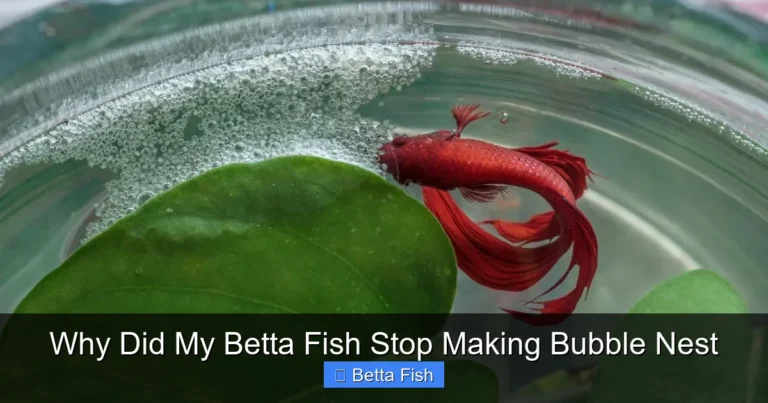
Not every betta fish is ready to breed at any given time. There are clear signs you should look for. A male betta fish ready for breeding will build a bubble nest at the surface of the water. This nest looks like a cluster of tiny bubbles stuck together. It is one of the most reliable signs that your male betta is in breeding condition.
The female betta fish will show different signs. She will develop a white egg spot on her underside. Her body may also become slightly rounder as she carries eggs. Her color might appear brighter too. These physical changes tell you she is ready to breed.
Behavior changes also matter. A ready female betta will show vertical stripes on her body, often called breeding bars. She may also become more active around the male. If you see these signs, your betta fish breeding setup can move to the next stage.
The Courtship Process
Betta fish courtship is a fascinating process to watch. The male betta fish will flare his fins and display vibrant colors to attract the female. He may also build or rebuild his bubble nest during this time. The female will approach the nest, and the pair will circle each other. This is a normal part of betta fish courtship and should not alarm you.
During courtship, the male wraps his body around the female. She releases eggs, and he fertilizes them right away. The male then collects the eggs and places them in the bubble nest. This whole process can take a few hours. It is important not to disturb the tank during this time. Keep the lights dim and the room quiet. A calm betta fish environment makes a big difference.
Setting Up the Right Tank for Breeding
A proper tank setup is the foundation of successful betta fish breeding. You should never breed bettas in a community tank. A separate breeding tank gives you control over water conditions and protects both the fish and the eggs. The right setup reduces stress and increases the chances of healthy fry.
Tank Size and Setup Requirements
A breeding tank should be at least 10 gallons. This size gives the fish enough room to move around without feeling cramped. Fill the tank with about 5 to 6 inches of water. Keep the water level low because betta fish fry are very small and can be sucked into filters or heaters if the water is too deep.
Add a sponge filter to the tank. A sponge filter provides gentle filtration without creating strong currents. Betta fish prefer calm water, especially during breeding. If you are unsure about filter choices, check out our guide on Can I Use A Filter With My Betta Fish for more details on safe filtration options.
Place a few floating plants or a spawning mop in the tank. These give the male a place to build his bubble nest. A betta fish tank with natural cover also helps the female feel safe during the process. Keep the tank covered with a lid to maintain humidity, which is important for bubble nest stability.
Water Temperature and Conditions
Water temperature plays a huge role in betta fish breeding. The ideal temperature is between 78 and 82 degrees Fahrenheit. Use an aquarium heater to maintain a steady temperature. Stable warmth encourages the male to build a bubble nest and helps the female produce healthy eggs.
The pH level should be between 6.5 and 7.0. Keep the water soft and slightly acidic for the best results. Perform a water change before introducing the pair to the breeding tank. Clean, fresh water reduces the risk of infections. If you are wondering about water sources, our article on Can I Put My Betta Fish In Warm Water offers helpful guidance on maintaining the right warmth for your fish.
Choosing the Right Breeding Pair
Not all betta fish are good candidates for breeding. Choosing a healthy, compatible pair is one of the most important steps. A poor choice can lead to stress, injury, or failed spawning. Take your time and evaluate each fish carefully before moving forward.
Male vs Female Betta Fish for Breeding
The male betta fish does most of the work during breeding. He builds the bubble nest, courts the female, and protects the eggs after spawning. A healthy male should be vibrant in color and have a fully developed finnage. He should be between 4 and 12 months old for the best breeding results.
The female betta fish needs to be in good health as well. She should be slightly plumper than a non-breeding female, which indicates she is carrying eggs. Her colors should be vivid, and her fins should be intact. Avoid breeding females that are too young or too old, as this can cause complications.
Size matters too. The male and female should be roughly the same size. A very large male with a very small female can lead to injury during spawning. Always prioritize the safety and well-being of both fish.
Health Checks Before Breeding
Before you place any betta fish into a breeding tank, check for signs of illness. A sick fish should never be used for breeding. Look for clamped fins, loss of color, white spots, or unusual swimming behavior. These can all indicate that a fish is not healthy enough for the breeding process.
If you are unsure whether your fish is healthy, it is a good idea to consult resources on How Can I Tell If My Betta Fish Is Sick. A healthy breeding pair gives you the best chance of success. Quarantine both fish for at least two weeks before introducing them to the breeding tank. This helps prevent the spread of any hidden diseases.
Feed the breeding pair high-quality food during the quarantine period. A nutritious betta fish diet boosts their condition and prepares their bodies for spawning. Live or frozen foods like brine shrimp and bloodworms work well. Rich nutrition leads to stronger eggs and more viable fry.
The Mating Process Step by Step
Once your tank is ready and your pair is healthy, it is time to introduce them. The mating process has several stages. Understanding each stage helps you know what to expect and when to intervene if needed.
Introducing the Pair
Place the female betta fish in a clear container inside the breeding tank first. Let the male see her through the glass for a few hours. This allows them to get used to each other without direct contact. You will notice the male flaring and building or reinforcing his bubble nest during this time.
After a few hours, release the female into the tank. Watch their interactions closely. Some flaring and chasing is normal. However, if the male attacks the female aggressively, separate them immediately. Not every pair is compatible, and forcing the process can cause serious harm.
If the pair gets along, the courtship will begin naturally. The male will show off his colors and guide the female toward the bubble nest. This is a beautiful process to observe. Patience is key. Do not rush things or disturb the tank.
What Happens During Spawning
During spawning, the male wraps his body around the female. She releases between 10 and 40 eggs per embrace. The male fertilizes the eggs immediately and places them in the bubble nest. This process repeats multiple times over several hours. The female will eventually become tired and should be removed once she stops releasing eggs.
After spawning is complete, remove the female from the tank. The male betta fish becomes very protective of the eggs and fry. He may become aggressive toward other fish, including the female. A separate tank for the female gives her time to recover.
If you are thinking about keeping your female betta with other fish later, our guide on Can I Put My Female Betta With Other Fish can help you plan the right tank setup for her recovery and future home.
Caring for Betta Fish Eggs and Fry
The male betta fish takes care of the eggs and fry after spawning. He will guard the bubble nest and retrieve any eggs that fall. This is a critical time, and the tank environment must remain stable. Any sudden changes can stress the male or damage the nest.
After Spawning: What to Expect
The eggs will hatch within 24 to 48 hours. At first, the fry stay attached to the bubble nest. They absorb their yolk sacs for nutrition during this time. Do not feed the fry during the first 48 hours. The yolk sac provides everything they need.
Once the fry become free-swimming, usually around day three or four, you can start feeding them. Infusoria or liquid fry food works well for the first week. As they grow, you can introduce baby brine shrimp. Small, frequent feedings are better than large meals. Overfeeding can dirty the water quickly and harm the young fry.
Keep the water clean by doing small, gentle water changes. Use a turkey baster to remove debris without sucking up the tiny fry. A stable betta fish environment with consistent temperature and clean water gives the fry the best chance of survival.
Feeding Your Betta Fish Fry
Feeding betta fish fry requires patience and precision. These baby fish are extremely small and need very fine food. Here are some feeding tips to follow:
- Feed fry 3 to 4 times a day in very small amounts.
- Use infusoria, liquid fry food, or freshly hatched baby brine shrimp.
- Remove any uneaten food after 10 minutes to keep the water clean.
- Watch the fry for signs of growth and active swimming, which indicate they are eating well.
As the fry grow, you can gradually increase the size of their food. By the time they are two weeks old, they can eat slightly larger baby brine shrimp. Maintain excellent water quality throughout this period. Poor water conditions are one of the biggest threats to betta fish fry survival.
After about one month, the fry will start to develop their own colors and fins. At this point, you can begin planning for their future. Some fry may be kept for breeding, while others can be rehomed. If you need to move them to a new tank, make sure the environment is safe and suitable for young betta fish.
Common Mistakes and How to Avoid Them
Even experienced fish keepers can make mistakes when breeding bettas. Being aware of common errors helps you avoid them. Here are the most frequent issues and how to prevent them.
Skipping the quarantine period. Never introduce a breeding pair without quarantining them first. Hidden diseases can spread quickly in a small breeding tank and harm both the fish and the eggs.
Using the wrong tank size. A tank that is too small creates stress and reduces breeding success. Always use at least a 10-gallon tank for breeding purposes.
Disturbing the bubble nest. The male betta fish works hard to build and maintain the bubble nest. Avoid tapping on the tank or making sudden movements near the breeding setup. A calm environment is essential.
Forcing incompatible pairs. If the male and female show signs of aggression, do not force them together. Not every pair will be compatible, and trying to push the process can result in injury or death.
Neglecting water quality. Dirty water leads to infections and poor hatching rates. Perform regular, gentle water changes and monitor parameters closely throughout the breeding and fry-rearing process.
Overfeeding the fry. New fry keepers often give too much food, which fouls the water rapidly. Small, frequent feedings are always better than large ones. Remove uneaten food promptly.
Removing the male too early. The male betta fish protects the eggs and fry for the first week or so. Removing him too soon can leave the eggs unprotected and reduce survival rates. Wait until the fry are free-swimming and large enough to fend for themselves.
Avoiding these mistakes will put you on the path to successful betta fish breeding. Patience and careful attention make all the difference.
Final Thoughts on Breeding Your Betta Fish
Breeding betta fish is a journey that requires preparation, patience, and genuine care for the fish. When you ask yourself how can I mate my betta fish, the answer starts with creating the right environment and choosing healthy fish. Follow the steps in this guide, and you will give your breeding pair the best possible chance of success.
Remember that not every breeding attempt will go perfectly. Even experienced breeders face setbacks sometimes. What matters is that you learn from each experience and continue to improve your betta fish care practices. The reward of watching healthy fry grow and thrive makes all the effort worthwhile.
Take your time, enjoy the process, and always put the health and safety of your fish first. With the right knowledge and a little patience, you can successfully breed betta fish and expand your aquarium family. Happy breeding, and best of luck with your betta fish breeding journey!
Frequently Asked Questions
How long does it take for betta fish eggs to hatch?
Betta fish eggs typically hatch within 24 to 48 hours after spawning. During this time, the male betta fish guards the bubble nest and keeps the eggs safe. Once they hatch, the fry will absorb their yolk sacs for the first couple of days before becoming free-swimming.
Can I breed my betta fish in a community tank?
No, you should never breed betta fish in a community tank. Breeding requires a separate tank where you can control water conditions and protect the eggs and fry from other fish. A dedicated breeding tank gives the best results and keeps all your fish safe.
How do I know if my female betta fish has eggs?
A female betta fish ready to breed will have a white egg spot on her underside. She may also appear rounder in the belly area and show vertical breeding bars on her body. Her colors might become more vivid as well. These are clear signs she is carrying eggs.
What should I feed breeding betta fish?
Feed your breeding pair high-quality betta pellets along with live or frozen foods like brine shrimp and bloodworms. A rich diet improves their health and increases the chances of successful spawning. Feed them 2 to 3 times a day in small amounts.
Should I remove the male betta fish after spawning?
No, you should keep the male in the breeding tank after spawning. He will guard the bubble nest and the eggs until they hatch and the fry become free-swimming. Remove him only once the fry are large enough to care for themselves.
What temperature is best for betta fish breeding?
The ideal water temperature for breeding betta fish is between 78 and 82 degrees Fahrenheit. Use an aquarium heater to maintain a steady temperature. Warm, stable water encourages bubble nest building and helps the breeding process go smoothly.