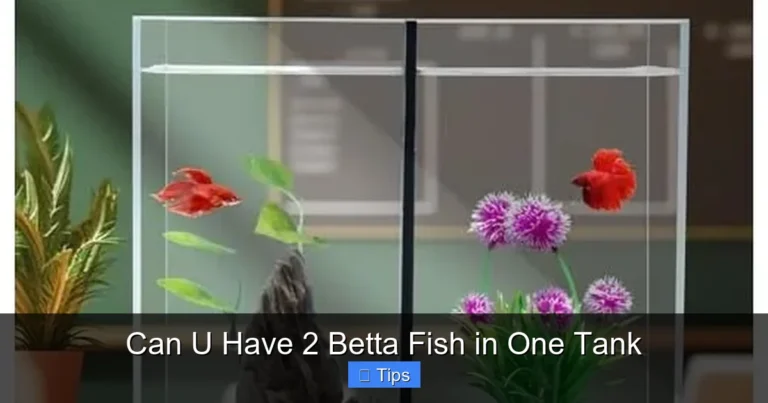
Can you put male betta fish together Discover the key facts
You should never put male betta fish together because they will fight and may die. Male bettas are territorial and aggressive by nature. Learn the facts about betta fish compatibility and safe housing options in this guide.
Betta fish are stunning creatures. Their flowing fins and bright colors catch everyone’s eye. Many fish lovers wonder if they can keep more than one male betta. The short answer is no. You should not put male betta fish together. These fish are fighters by nature. They will attack each other until one dies. This guide explains why. You will learn about betta fish behavior. You will discover safe housing options. Let us explore the facts.
Keeping bettas can be rewarding. But it requires knowledge. Many beginners make mistakes. They think big tanks solve everything. They are wrong. Male bettas need special care. Understanding their nature is key. This article covers everything you need to know. We will look at aggression. We will examine tank setups. We will discuss safe alternatives. By the end, you will know how to keep your fish safe and healthy.
Key Takeaways
- Male bettas cannot live together: They will fight to the death due to territorial aggression.
- Tank size matters: A minimum of 5 gallons per betta is essential for reducing stress.
- Visual barriers help: Plants and decorations can break line of sight between fish.
- Female groups work better: A sorority tank requires careful planning and monitoring.
- Separate tanks are safest: Individual tanks prevent injury and death.
- Watch for warning signs: Flaring, chasing, and fin nipping indicate danger.
📑 Table of Contents
Why Male Betta Fish Fight
Male bettas are aggressive. This is not just a personality trait. It is built into their DNA. In the wild, they defend territory. They fight other males for space and mates. This behavior does not disappear in captivity. Even in large tanks, the instinct remains. You cannot train it away. Understanding this helps you make better choices.
If you want to learn more about housing multiple bettas, check out our guide on can you keep two male betta fish together. It covers common mistakes and safety tips.
The Territorial Nature of Betta Fish
Betta fish come from Southeast Asia. They live in shallow waters. These areas are crowded. Fish must defend their space. Male bettas flare their gills. They spread their fins. This makes them look bigger. It is a warning to other males. If the warning fails, they attack. They bite fins and scales. This causes serious injury. In small containers, there is no escape. The weaker fish dies.
Wild bettas live in rice paddies and slow streams. These habitats are warm and shallow. Food is scarce. Territory is valuable. Males guard bubble nests. They protect eggs from rivals. This instinct is strong. It does not fade in aquariums. Your tank is still their territory. They see other males as threats.
What Happens When You House Males Together
The results are often tragic. One fish usually wins. The loser suffers badly. Injuries include torn fins and open wounds. These wounds get infected. The stress weakens the immune system. Disease spreads quickly. Even if they seem fine at first, trouble follows. Many aquarists report dead fish within hours. Some say the fighting stops. But stress continues. The fish stops eating. It hides constantly. It may die days later from shock.
The winner is not always safe either. Stress affects both fish. The winner may become hyper-aggressive. It attacks anything that moves. This behavior can transfer to other tank mates. Your peaceful community tank may suffer. One aggressive betta ruins the harmony.
Can You Put Male Betta Fish Together in a Large Tank?
Some people think a big tank fixes everything. They imagine fish swimming freely. They believe space reduces aggression. This is a dangerous myth. Male bettas do not share territory well. Even in 55 gallon tanks, fights happen. The fish still see each other. They still feel threatened. Large tanks add more hiding spots. But they do not remove the instinct to fight.
Many forums discuss can u put two male betta fish together. The answer is always the same. Do not try it. The risk is too high. Your fish will suffer.
The Myth of Big Tanks
A larger tank helps with water quality. It gives you more room for decorations. But it does not change fish behavior. Male bettas are not like tetras or guppies. They do not school peacefully. They are solitary creatures. In pet stores, they sit alone in cups. This is not cruelty. It is safety. Each fish needs its own space.
Think about it this way. You can put two strangers in a room. But they may fight. Space does not guarantee peace. Betta fish are the same. They need personal territory. A big tank does not give them separate territories. It just gives them more room to fight.
Real Risks Even in Large Aquariums
You might get lucky for weeks. Maybe months. But the risk is always there. One day, aggression flares up. A chase begins. A bite lands. Damage happens fast. Betta fins are delicate. They tear easily. Once bleeding starts, infection follows. You cannot unsee this violence. It is better to prevent it entirely.
Even with heavy planting, males find each other. They have excellent eyesight. They spot rivals from across the tank. Flaring begins. The chase follows. There is no safe distance. They will find each other. The stress is constant. Both fish live in fear.
Safe Alternatives to Housing Males Together
You have options. You do not need to keep males together. There are safer ways to enjoy multiple bettas. Let us look at the best approaches.
Individual Tanks with Visual Access
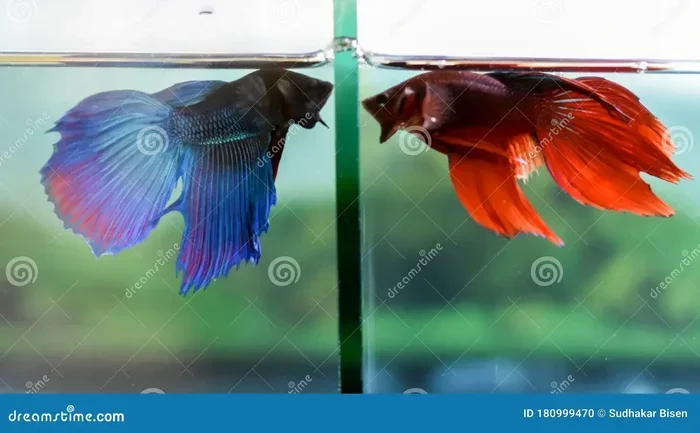
This is the gold standard. Each male gets his own tank. Place them side by side. They can see each other. They flare and display. This satisfies some instinct. But they cannot touch. Use tanks of at least 5 gallons each. Add a divider if needed. Make sure they cannot nip through bars.
This setup lets you enjoy multiple fish. You see the colors and movement. But each fish stays safe. No injuries occur. No deaths happen. It is the responsible choice.
Tank Dividers and Barriers
Dividers work well. You can buy them or make your own. Plastic mesh is popular. It blocks sight lines. Fish cannot see each other clearly. This reduces stress. Add plants on both sides. Create different landscapes. Each fish claims its own territory. They ignore the neighbor. This setup works for months or years.
Some aquarists use breeder boxes temporarily. But these are too small for long-term. Fish need space to swim. A proper divider is better. It attaches to the tank wall. It creates two separate homes. Each side has its own filter input. Water flows properly. Fish stay healthy.
Female Betta Groups (Sororities)
Female bettas can live together. But it is not easy. You need a tank of 20 gallons or more. Add at least 6 females. Lots of hiding spots are essential. Watch them closely for the first weeks. Remove any bully immediately. This is not for beginners. But it can work with patience.
For more information on mixing bettas with other species, read our article on can you put male betta with other fish. It covers safe tank mates.
Comparing Housing Options for Male Betta Fish
| Option | Safety | Cost | Difficulty |
|---|---|---|---|
| Separate Tanks | High | Medium | Easy |
| Tank Divider | Medium | Low | Medium |
| Same Tank (Males) | Dangerous | Low | Hard |
| Sorority (Females) | Medium | Medium | Hard |
Signs Your Bettas Are Not Getting Along
Even with precautions, problems arise. Watch your fish daily. Early detection saves lives. Know the warning signs.
Physical Warning Signs
Look for torn fins. Check for missing scales. Red streaks appear with stress. Clamped fins signal fear. A fish hiding constantly is scared. Loss of appetite is serious. These signs mean trouble. Act fast to separate them.
Check the fins daily. Look for white edges. This indicates fin rot. It starts from bites. Bacteria enter the wounds. The rot spreads fast. Treat with aquarium salt. Or use medication. But prevention is better. Keep males apart.
Behavioral Changes to Watch For
Flaring is normal in short bursts. Constant flaring is bad. Chasing around the tank means aggression. A fish staying in one corner is stressed. Glass surfing indicates panic. These behaviors need immediate attention. Do not wait for blood.
Watch feeding time. A fish that refuses food is stressed. A fish that eats too fast is anxious. Both are bad signs. Monitor their activity. Healthy bettas swim actively. They explore the tank. They greet you at the glass. Lethargy means trouble.
How to Set Up a Multi-Betta Aquarium
If you must house multiple bettas, plan carefully. This applies to females or mixed genders. Follow these steps for safety.
Tank Size and Layout
Start with a large tank. 20 gallons is the minimum for groups. Add thick plants. Java moss works well. Anubias and hornwort provide cover. Create visual barriers. Break up line of sight. Fish need places to hide. Open tanks cause stress.
Use dark substrate. It makes colors pop. Add driftwood for structure. Rocks are optional. Avoid sharp edges. Smooth gravel is best. Leave open swimming space too. Balance is key. Each fish needs its own retreat. Overcrowding causes fights.
Adding Hiding Spots and Plants
Use caves and tunnels. Ceramic pots work great. Driftwood adds natural cover. Spread plants across the tank. Leave open swimming space too. Balance is key. Each fish needs its own retreat. Overcrowding causes fights.
Live plants are best. They improve water quality. They give fish something to explore. Fake plants work if silk. Avoid plastic plants with sharp edges. Bettas have delicate fins. They snag and tear. Choose soft leaves. Amazon sword and java fern are great options.
Water Quality and Maintenance
Clean water reduces aggression. Test parameters weekly. Keep ammonia at zero. Nitrites should be zero. Nitrates below 20 ppm. Do regular water changes. 25% weekly is standard. Good filtration is essential. But avoid strong currents. Bettas prefer calm water.
Heat the tank to 78-80°F. Use a reliable heater. Bettas are tropical fish. Cold water makes them sick. Check the temperature daily. Stable conditions reduce stress. Stress triggers aggression. Keep the water clean. Your fish will be calmer.
Conclusion
You cannot put male betta fish together safely. They will fight. Injuries and death are likely. Respect their nature. Give each male his own space. Use dividers or separate tanks. Watch for signs of stress. Choose tank mates carefully. With proper care, your bettas will thrive. Enjoy their beauty without the risk. Your fish will live longer and happier lives.
Remember, can you put any betta fish together requires research. Male bettas are the hardest to house together. Female groups need experience. Start with one fish. Learn its personality. Then expand if you wish. Your fish will thank you.
Frequently Asked Questions
Can two male betta fish live in the same tank?
No, two male betta fish cannot live together safely. They will fight and cause serious injury or death. Always keep males in separate tanks.
What happens if you put two male bettas together?
The fish will flare, chase, and bite each other. Fins tear, scales go missing, and infections set in. One fish usually dies quickly.
Can male and female betta fish live together?
Only temporarily for breeding. Otherwise, they often fight too. A very large tank with heavy planting might work, but it is risky.
How many male bettas can you keep together?
Zero. You should never keep male bettas together. Each needs his own separate tank to stay safe and healthy.
What fish can live with a male betta?
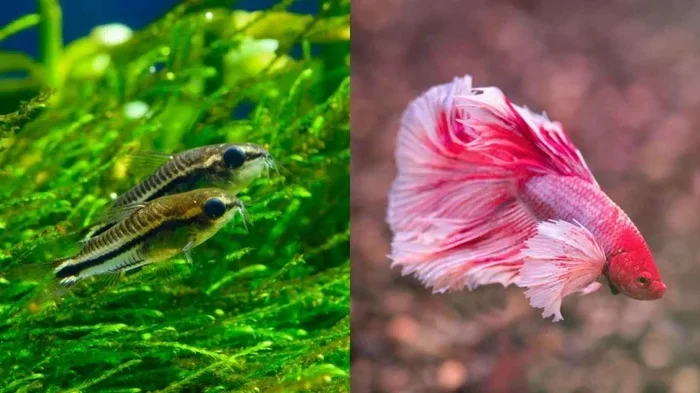
Peaceful fish like corydoras or shrimp may work. Avoid colorful fish with long fins. Always research compatibility before adding tank mates.
Can you put male betta fish together with a divider?
A divider helps reduce visual contact. But stress can still occur. It is better to use completely separate tanks side by side.