Can You Put Goldfish and Betta Fish Together The Truth
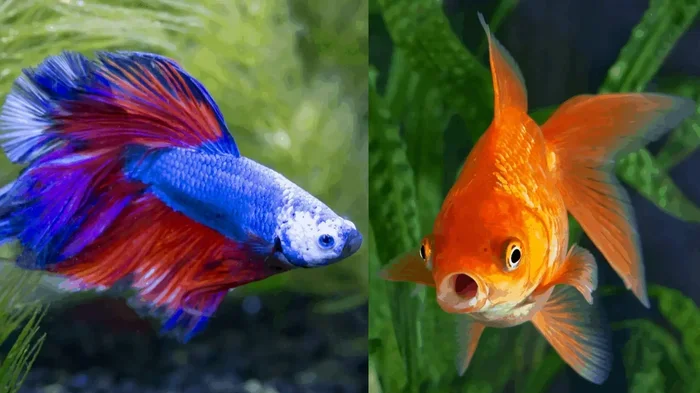
Can you put goldfish and betta fish together? In most cases, it is not recommended to house these two species in the same tank. Their different water temperature needs, tank size requirements, and behavioral differences make this pairing risky. Let us break down the full truth so you can make the best decision for your fish.
Key Takeaways
- Different temperature needs: Goldfish prefer cooler water (65-72°F), while bettas thrive in warmer water (76-82°F).
- Size difference matters: Goldfish grow much larger and produce more waste, which can overwhelm a betta’s habitat.
- Behavioral conflicts: Bettas can be territorial and aggressive, while goldfish are clumsy eaters that may stress your betta.
- Tank setup challenges: Creating an environment that satisfies both species is nearly impossible in a standard aquarium.
- Better alternatives exist: Consider keeping them separately or choosing more compatible tank mates for your betta.
- Health risks are real: Mixing these species can lead to disease, stress, and even death for both fish.
- Expert consensus: Most aquarium experts strongly advise against keeping goldfish and bettas in the same tank.
📑 Table of Contents
- Why People Want to Keep Goldfish and Betta Fish Together
- The Challenges of Housing Goldfish and Betta Fish Together
- What Aquarium Setup Works (If You Really Try It)
- Better Tank Mate Options for Betta Fish
- How to Keep Both Fish Healthy
- Common Mistakes People Make
- Expert Insights
- Final Verdict: Can You Put Goldfish and Betta Fish Together?
Why People Want to Keep Goldfish and Betta Fish Together
Many fish lovers dream of creating a beautiful community tank. You might picture colorful fish swimming happily together. The idea of pairing a betta fish with a goldfish sounds appealing at first. Both are popular pets. Both are beautiful. And many beginners assume all freshwater fish can share a tank.
But here is the honest truth. Can you put goldfish and betta fish together? The short answer is no, you really should not. These two species have very different needs. Putting them together often leads to problems. Let us explore why and what you can do instead.
The Appeal of a Mixed Aquarium
A mixed aquarium looks amazing in your living room. You want something eye-catching and low-maintenance. Goldfish are fun and personality-rich. Bettas are stunning with their flowing fins. So combining them seems like a win-win. But looks can be deceiving when it comes to fish compatibility.
Some people also think that since both fish are freshwater species, they will get along fine. That is a common misconception. Freshwater does not mean they share the same preferences. Just like cats and dogs both have fur but very different needs, these fish share water but not much else.
The Challenges of Housing Goldfish and Betta Fish Together
Understanding the challenges helps you avoid costly mistakes. Can you put goldfish and betta fish together successfully? It is extremely difficult, and here is why.
Water Temperature Preferences
This is the biggest deal-breaker. Bettas are tropical fish. They need warm water between 76°F and 82°F. Goldfish, on the other hand, prefer cooler temperatures around 65°F to 72°F. Try keeping both ranges in the same tank, and neither fish will be comfortable.
If you keep the water warm for your betta, your goldfish will become stressed. If you cool it down for the goldfish, your betta will suffer. Finding a middle ground just means both fish are unhappy. That is a lose-lose situation.
Tank Size and Space Needs
Goldfish get big. Really big. A common goldfish can grow up to 12 inches long. Even fancy goldfish reach 6 to 8 inches. They need at least a 20-gallon tank, and bigger is always better.
Bettas do best in tanks of 5 gallons or more. While a 20-gallon tank could technically work for both, the problem goes beyond size. Goldfish produce a lot of waste. Their poop pollutes the water fast. Bettas are sensitive to dirty water. This leads to health issues for your betta.
Behavioral Differences
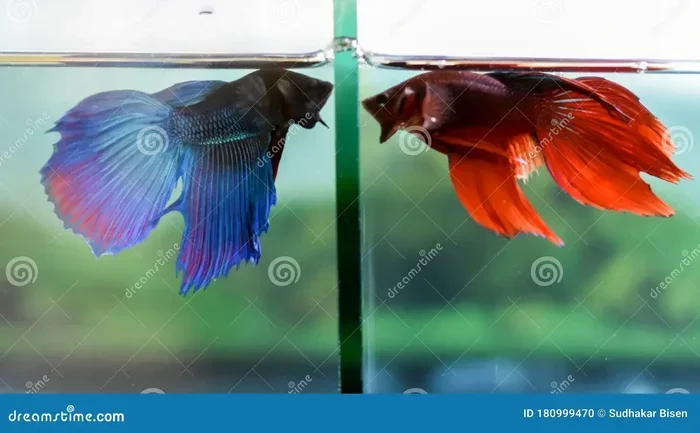
Betta fish are known for their personality. They are curious and sometimes aggressive. Males especially are territorial. They flare at their own reflection and attack other colorful or long-finned fish. A goldfish, with its round body and flowing tail, can look like a threat to a betta.
Goldfish are also slow and clumsy. They bump into things and nibble on plants. This can stress a betta that likes a calm, predictable environment. The betta might chase the goldfish. Or the goldfish might bother the betta by swimming too close. Neither outcome is pleasant.
Diet and Feeding Differences
These two species eat differently too. Goldfish are greedy eaters. They will eat everything in sight. Betta pellets and flakes are not always the best food for goldfish. And goldfish food lacks the protein bettas need.
Feeding time becomes a competition. The goldfish will eat faster and take most of the food. Your betta might not get enough to eat. Over time, this leads to malnutrition and a weak immune system. You can learn more about proper feeding in our guide on can you use betta fish food for goldfish.
What Aquarium Setup Works (If You Really Try It)
Some hobbyists still want to try keeping these fish together. If you are determined, you need the right setup. But please understand, this is not ideal. It requires a lot of effort and the right conditions.
Tank Requirements
You need a large tank. At least 30 gallons is recommended if you are attempting this pairing. The tank should have plenty of open swimming space and hiding spots. Live plants can help. They provide cover for the betta and help absorb some of the goldfish waste.
Strong filtration is a must. Goldfish produce about three times the waste of a betta. You need a filter rated for a tank much larger than yours. Regular water changes are non-negotiable. Test your water weekly for ammonia, nitrite, and nitrate levels.
Temperature Compromise
Keeping the water at a compromise temperature is tough. Around 74°F might work as a middle ground. But your betta will not be fully comfortable. And your goldfish will not be in their ideal range either. A heater with a thermostat can help maintain stability. But remember, this is still a compromise that affects both fish.
For more details on temperature and habitat needs, check out our article on bettas and water conditions.
Tank Decorations and Layout
Your tank layout matters a lot. Avoid sharp decorations that can tear betta fins. Use soft plants and smooth rocks. Leave open areas for the goldfish to swim. Bettas like to rest near the surface, so do not crowd the top of the tank. A well-planned layout can reduce stress for both fish, but it does not solve the core problems.
Better Tank Mate Options for Betta Fish
If you love the idea of a community tank, there are much better choices than goldfish. Betta tank mates can be found among many peaceful species. Let us look at some great alternatives.
Best Companions for Your Betta
- Snails: Mystery snails and nerite snails are calm. They clean algae without bothering your betta. Our detailed guide on snails and betta fish together covers everything you need to know.
- Ghost shrimp: These small, transparent shrimp are peaceful and entertaining. They stay out of the way and help clean the tank.
- Corydoras catfish: These bottom-dwellers are gentle and stay small. They keep to themselves and do not provoke bettas.
- Tetras: Neon tetras and ember tetras can work in a community tank. Choose smaller species that do not nip fins.
- Dwarf frogs: African dwarf frogs are a popular choice. Learn more in our article on keeping bettas and dwarf frogs together.
Why These Work Better
These alternatives share similar water temperature needs with bettas. They stay small and do not produce excessive waste. Most importantly, they do not trigger betta aggression. A community tank with compatible species is safer and more enjoyable for everyone.
If you are curious about other options, our article on betta fish with other fish gives you a full rundown of safe pairings.
How to Keep Both Fish Healthy
Whether you keep them together or separately, your fish need the best care. Here are practical tips to keep your betta and goldfish in top shape.
Separate Tanks Are Safer
The healthiest option is to keep each species in its own tank. A betta thrives in a 5-gallon heated tank with a filter. A goldfish needs at least a 20-gallon tank with strong filtration. This setup lets each fish live in its ideal environment. You avoid temperature fights, feeding problems, and behavioral stress.
Signs of Stress to Watch For
If you keep them together, watch for these warning signs:
- Clamped fins: Your betta may be stressed or sick.
- Hiding constantly: The fish is trying to escape the other one.
- Loss of color: Both species can fade when stressed.
- Not eating: Stress kills appetite fast.
- Rapid gilling: This can signal poor water quality or anxiety.
- Chasing behavior: Either fish might chase the other. This is never a good sign.
Water Quality and Maintenance
Test your water at least once a week. Perform 25% water changes weekly for goldfish tanks and biweekly for betta tanks. Use a water conditioner to remove chlorine and chloramine. Keep the pH stable. Goldfish prefer slightly acidic to neutral water. Bettas prefer slightly neutral to mildly alkaline. These small differences add up over time.
For more on keeping your betta comfortable, see our tips on interacting with bettas and their environment.
Common Mistakes People Make
Even experienced hobbyists sometimes make errors when mixing species. Here are the most common mistakes to avoid.
- Assuming size means safety: A big tank does not fix temperature and waste problems.
- Ignoring water parameters: Goldfish waste creates ammonia quickly. This can poison your betta.
- Overcrowding: More fish does not mean a better tank. It means more stress and dirtier water.
- Skipping quarantine: New fish should always be quarantined for two weeks. This prevents disease spread.
- Feeding the same food: Goldfish food and betta food are formulated differently. Each species needs its own diet.
Expert Insights
Most aquarium professionals will tell you the same thing. Do not keep goldfish and bettas together. Dr. Linda Foster, a noted aquatic veterinarian, has stated that temperature and waste differences make this pairing harmful. The risk of disease and chronic stress is simply too high for the average hobbyist to manage.
Experienced breeders also warn about betta aggression. Male bettas in particular may attack anything that moves near their territory. A goldfish waddling through the tank can trigger a full-on attack. Fins get torn. Scales get damaged. The stress alone can shorten your fish’s lifespan.
Final Verdict: Can You Put Goldfish and Betta Fish Together?
So, can you put goldfish and betta fish together? The honest answer is no. The temperature needs do not match. The tank size requirements conflict. The waste levels are too different. And the behavioral risks are too high. While it is physically possible to put them in the same tank, it is not in the best interest of either fish.
Your fish deserve the best environment possible. Give your betta a warm, clean, well-planted tank. Give your goldfish a spacious, cool tank with strong filtration. If you want a community setup, choose compatible species that share similar needs. Your aquarium will look just as beautiful, and your fish will live longer, healthier lives.
Remember, a good fish keeper is not the one who puts the most fish in a tank. It is the one who gives each fish the right home. Make the smart choice. Your fish will thank you.
Frequently Asked Questions
Can goldfish and betta fish live in the same tank safely?
No, it is not safe. Goldfish prefer cooler water while bettas need warm tropical temperatures. Goldfish also produce much more waste, which can harm your betta. Keeping them together creates constant stress and health risks for both fish.
What temperature do betta fish need?
Bettas thrive in water temperatures between 76°F and 82°F. They are tropical fish and need a heater in most home environments. Cold water weakens their immune system and makes them lethargic. A stable, warm environment keeps your betta healthy and active.
What tank size is best for goldfish?
A single goldfish needs at least a 20-gallon tank. Fancy goldfish can stay in a 20-gallon tank, but common goldfish grow much larger and need even more space. A 30-gallon tank or larger is ideal. Goldfish produce a lot of waste, so bigger tanks with strong filtration are essential.
Are there fish that can live with both goldfish and bettas?
Finding a fish that works with both is nearly impossible due to their different needs. However, snails and certain shrimp can sometimes adapt to a range of temperatures. They are small enough to avoid conflict and produce less waste. Still, separate tanks remain the safest option for each species.
What are the best tank mates for a betta fish?
Great betta companions include mystery snails, ghost shrimp, corydoras catfish, and small tetras. These fish share similar temperature needs and are peaceful enough not to provoke your betta. Always research compatibility before adding any new fish to your tank. Our guide on betta fish with other fish has more helpful pairings.
Can I keep a betta and goldfish together if I have a very large tank?
A large tank helps, but it does not solve the core problems. Temperature preferences still conflict. Goldfish waste still pollutes the water faster than a betta can handle. Even in a 50-gallon tank, the risk of stress, disease, and aggression remains high. It is best to keep these two species in separate tanks.
=== CONCLUSION ===
The question can you put goldfish and betta fish together has a clear answer. These two species do not make good tank mates. Their water temperature needs, waste production, size differences, and behavioral traits all work against them living together peacefully. Even with a large tank and careful maintenance, the risks far outweigh any benefits.
Instead of forcing a incompatible pairing, give each species its ideal home. A heated 5-gallon or 10-gallon tank is perfect for your betta. A spacious 20-gallon tank with strong filtration suits your goldfish perfectly. If you want a community tank, choose species that share similar needs and temperaments. Your fish will be happier, healthier, and more vibrant.
Take the time to research and plan. Your aquarium can still be beautiful and full of life. Just make sure every fish inside it is living their best life. That is what responsible fish keeping is all about.