Can You Put Betta Fish Together in a Tank Without Problems
Can you put betta fish together in a tank without problems? It’s possible, but it requires careful planning due to their aggressive nature. Male bettas should never be housed together, while female bettas can sometimes live in a “sorority” setup with the right tank size and conditions. This guide covers everything you need to know to keep bettas safely together, including tank setup, gender considerations, and alternatives.
Key Takeaways
- Male bettas are highly aggressive: Never house two male bettas together, as they will fight to the death.
- Female sororities need large tanks: Keeping multiple female bettas requires a tank of at least 20 gallons and careful monitoring.
- Tank size matters: A larger tank provides more space to reduce aggression and establish territories.
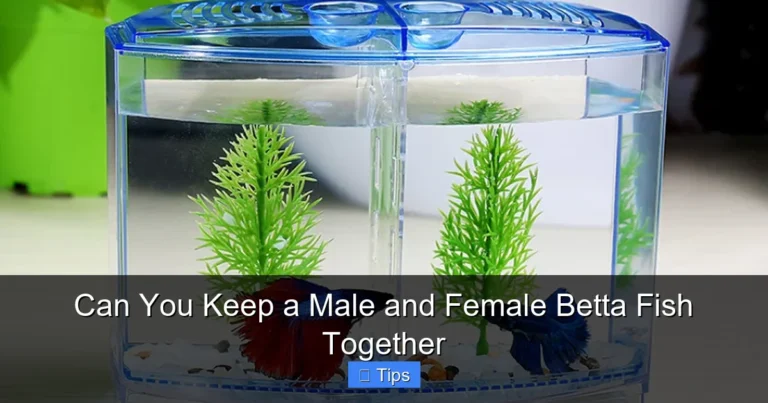
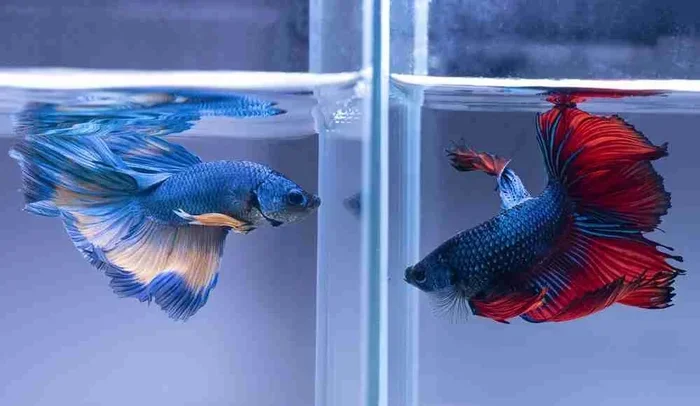
- Use tank dividers: Visual barriers or dividers can help separate aggressive bettas within the same tank.
- Monitor water quality: More bettas mean more waste, so frequent water changes are essential.
- Consider single-betta setups: For most beginners, keeping one betta per tank is the safest and easiest option.
- Choose peaceful tank mates: If you want companions, opt for non-aggressive fish like snails or tetras instead of other bettas.
📑 Table of Contents
- Can You Put Betta Fish Together in a Tank Without Problems?
- Understanding Betta Fish Aggression
- Can You Put Two Male Bettas Together?
- Can You Put Female Bettas Together?
- Tank Size and Setup for Multiple Bettas
- Alternatives: Single Betta or Other Tank Mates
- Common Mistakes When Housing Bettas Together
- Quick Tips for Success
- Expert Insights
- Conclusion
- Key Takeaways
Can You Put Betta Fish Together in a Tank Without Problems?
So, you’re wondering if you can have more than one betta fish in your tank. It’s a common question, and the answer isn’t simple. Betta fish are beautiful, but they have a reputation for being aggressive. In the wild, they live in small, shallow pools, and they can be territorial. That’s why putting them together can lead to problems.
But don’t worry. With the right knowledge, you can make informed decisions. This article will break down everything you need to know about keeping bettas together. We’ll cover male vs. female bettas, tank sizes, and safe alternatives. By the end, you’ll know how to create a peaceful setup, if that’s your goal.
Understanding Betta Fish Aggression
First, let’s talk about why betta fish are aggressive. It’s not because they’re mean; it’s survival instinct. In their natural habitat, they defend their territory from rivals. This behavior carries over to aquariums. Male bettas are especially known for their fighting nature. They will flare their fins and attack any fish that threatens their space.
Female bettas can also be aggressive, but it’s usually less intense. They might chase each other, but they often establish a hierarchy. However, without enough space, even female bettas can become stressed or injured.
What Triggers Aggression?
- Small tanks: Limited space means bettas can’t escape each other, leading to constant confrontation.
- Male-male pairs: Two males will fight relentlessly, often resulting in death.
- Poor water quality: Stress from dirty water can make bettas more aggressive.
- Lack of hiding spots: Without plants or decorations, bettas have no place to retreat, increasing tension.
Can You Put Two Male Bettas Together?
The short answer is no. You should never put two male bettas in the same tank. Their aggression is so strong that they will fight until one is dead. Even in a large tank, they might ignore each other at first, but eventually, they will clash. It’s a risk not worth taking.
If you’ve seen videos of bettas “playing” together, it’s likely a female and a male, or two females. Males are simply too territorial. For more details on this, check out this article on Can You Put Two Male Bettas In A Fish Tank.
What About Male Bettas with Other Fish?
Male bettas can sometimes live with peaceful tank mates, but it depends on the fish. Avoid any that are nippy or colorful, as bettas might mistake them for rivals. Good options include snails, tetras, or corydoras. But always introduce them slowly and monitor behavior. Learn more about Can You Put Other Fish In With A Betta Fish.
Can You Put Female Bettas Together?
Yes, you can put female bettas together in what’s called a “sorority tank.” This is a group of female bettas living in one tank. However, it’s not for beginners. It requires a large tank—at least 20 gallons—and careful planning. The goal is to give each betta enough space to establish its own territory.
When setting up a sorority, start with 4-6 females to reduce aggression. Provide plenty of hiding spots like plants and caves. Monitor them closely for signs of bullying, such as torn fins or constant chasing. If aggression occurs, be ready to separate fish.
Tips for a Female Betta Sorority
- Choose a large tank: 20 gallons is the minimum, but bigger is better.
- Add dividers: Use visual barriers to break line of sight.
- Feed them separately: This reduces competition for food.
- Quarantine new fish: Always quarantine new bettas before adding them to the sorority.
Tank Size and Setup for Multiple Bettas
Tank size is crucial when keeping multiple bettas. A small tank will almost certainly lead to aggression. For a sorority of female bettas, aim for at least 20 gallons. If you’re considering two females, 10 gallons might work, but it’s risky. More space means less stress and fewer conflicts.
The tank setup should mimic their natural environment. Include live or fake plants, driftwood, and caves. These provide hiding spots and break up sightlines. A good filter is also important to keep water clean. For advice on filters, see Can You Use A Filter In A Betta Fish Tank.
Essential Tank Elements
- Plants: Live plants like java fern or Anubias reduce stress and improve water quality.
- Hiding spots: Caves or coconut shells give bettas a place to retreat.
- Substrate: Sand or smooth gravel is safe for bettas and won’t damage their fins.
- Heater: Bettas need stable temperatures around 78-82°F.
Alternatives: Single Betta or Other Tank Mates
For most fish keepers, the safest option is to keep one betta per tank. It eliminates aggression risks and is easier to manage. If you want to add companions, choose peaceful species that won’t stress your betta. Good tank mates include:
- Neon tetras: Small, colorful, and non-aggressive.
- Harlequin rasboras: Active swimmers that ignore bettas.
- Corydoras catfish: Bottom-dwellers that stay out of the way.
- Snails or shrimp: Great for cleaning the tank without causing trouble.
Avoid putting bettas with fish that have long fins, like guppies, as they might attract aggression. Also, never house bettas with other aggressive fish like cichlids. For more on this, check Can You Put A Betta In With Tropical Fish.
Common Mistakes When Housing Bettas Together
Many beginners make errors that lead to disaster. Here are the top mistakes to avoid:
- Putting two males together: This is the biggest no-no. It always ends in fighting.
- Choosing a too-small tank: A 5-gallon tank is fine for one betta, but not for multiple.
- Ignoring water quality: More fish mean more waste, so test water regularly.
- Not providing enough hiding spots: Without retreats, bettas can’t relax.
- Introducing fish too quickly: Always quarantine and introduce slowly.
Quick Tips for Success
- Start with one betta: It’s the easiest way to learn betta care.
- Monitor aggression daily: Look for signs like fin nipping or hiding.
- Have a backup plan: Keep a separate tank ready to isolate aggressive fish.
- Research tank mates: Not all peaceful fish are safe with bettas.
Expert Insights
According to experienced betta keepers, success with multiple bettas comes from patience and preparation. “I’ve kept a sorority of 6 female bettas in a 40-gallon tank for years,” says one hobbyist. “The key is to provide lots of plants and monitor them closely. Even then, you have to be ready to separate fish if needed.”
Another expert emphasizes that betta aggression is natural. “It’s not a personality flaw; it’s their instinct. Respect that, and you can create a safe environment,” they add.
Conclusion
In summary, can you put betta fish together in a tank without problems? It’s possible with female bettas in a large, well-set-up tank, but it’s not for everyone. Male bettas should never be housed together. For most people, keeping a single betta is the best choice. If you decide to try a sorority, be prepared to monitor and adjust as needed. Remember, the happiness of your fish comes first. With the right knowledge, you can make a safe and happy home for your bettas.
Key Takeaways
- Male bettas are aggressive: Never house them together.
- Female sororities need space: A 20-gallon tank is the minimum.
- Tank setup is key: Plants, hiding spots, and good filtration are essential.
- Consider single bettas: It’s the safest option for beginners.
- Choose tank mates wisely: Peaceful fish like tetras can work, but avoid nippy species.
Frequently Asked Questions
Can you put two betta fish together in a small tank?
No, small tanks increase aggression and stress. For any chance of success, you need at least 20 gallons for multiple bettas. Smaller tanks lead to constant confrontation and poor water quality.
How many female bettas can live together?
You can keep 4-6 female bettas in a sorority tank of 20 gallons or more. The more fish you add, the more space you need to reduce aggression. Always monitor them for signs of bullying.
Can male and female bettas live together?
Yes, but only for breeding purposes and with close supervision. A male and female can be housed together temporarily, but they should be separated after breeding. Never leave them together unsupervised, as the male may harm the female.
What is the best tank size for multiple bettas?
For a sorority of female bettas, a 20-gallon tank is the minimum. Larger tanks, like 40 gallons, are better because they provide more space to establish territories and reduce aggression.
Can you use a tank divider for bettas?
Yes, tank dividers can help separate aggressive bettas within the same tank. They allow you to keep multiple bettas in one tank while preventing direct contact. Make sure the divider is secure and provides enough space on each side.
Are betta fish naturally aggressive?
Betta fish are naturally territorial and aggressive as a survival instinct. In the wild, they defend their territory from rivals. This behavior is amplified in aquariums, especially with males. Understanding this helps you create a safe environment.