Can You Put Any Fish In With A Betta Or Another Fish
The answer to “can you put any fish in with a betta” is a careful yes, but only when the tank is large enough, the water is stable, and the new fish are calm. Some bettas welcome quiet neighbors, while others guard their space and do best alone. You will learn which tank mates have the best chance, which fish to avoid, how much room they need, and how to introduce new fish without fights or stress.
If you are wondering can you put any fish in with a betta, the short answer is yes, but only in the right setup. Bettas are aware animals with strong feelings about space and routine. Some live in calm community tanks. Others want the whole tank.
This guide helps you judge the tank, choose safe tank mates, avoid risky fish, and add new fish slowly. It also shows when a solo tank is the kinder choice.
Key Takeaways
- Safe is not guaranteed: A fish may suit bettas in general but still clash with your fish.
- Space comes first: A 10-gallon tank is the usual minimum; 20 gallons gives more room.
- Choose calm groups: Small schooling fish and bottom dwellers with soft sand often work best.
- Avoid fin nippers: Barbs, some tetras, and flashy long-finned fish can cause trouble.
- Add slowly: Quarantine, acclimate, and watch the tank closely for stress.
- Have a backup plan: A spare tank or divider may be needed if peace fails.
📑 Table of Contents
Can You Put Any Fish In With a Betta?
There is no simple yes or no answer. The best choice depends on your betta, tank size, water quality, and past history. Even two fish of the same species can act in very different ways.
In the wild, bettas live among plants and shallow water. They rest, feed, and guard small areas. A home tank has walls, so space can feel limited. A bold betta may guard plants, food, and even you. A mild betta may ignore new neighbors.
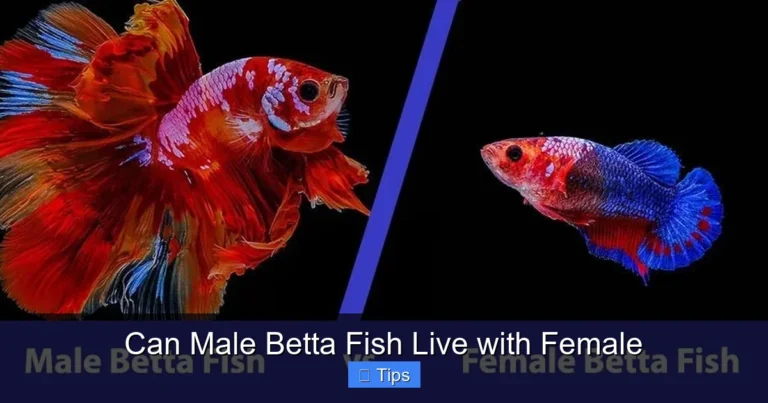
Sex also matters. Male bettas are often more territorial with other males. Female bettas may do better with some tank mates, but they are not always peaceful. A group of females, called a sorority, needs expert care and a large tank.
A betta that has lived alone for years may not welcome roommates. A young betta raised with calm fish may adapt more easily. Past experience is useful, but it does not promise future behavior.
“Another fish” can mean another species or another betta. This difference matters. Most community advice is about other species. Adding another betta is a separate choice with a much higher risk.
A community tank has a better chance when:
- The tank holds at least 10 gallons. A 20-gallon long tank is even better.
- The filter and heater keep the water clean, warm, and stable.
- The tank has plants, caves, driftwood, and other visual breaks.
- The new fish are peaceful, hardy, and kept in a proper group.
- Your betta has not shown strong aggression before.
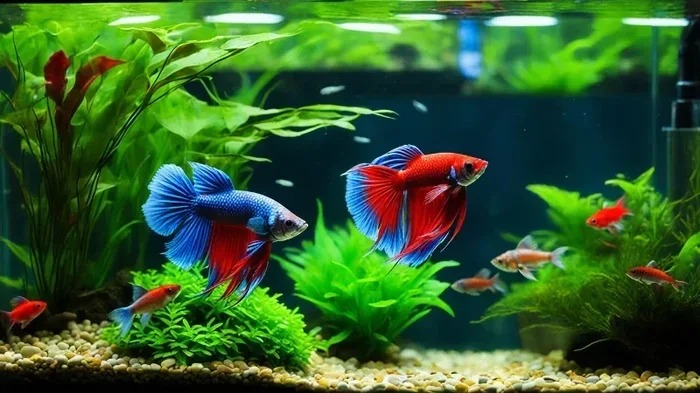
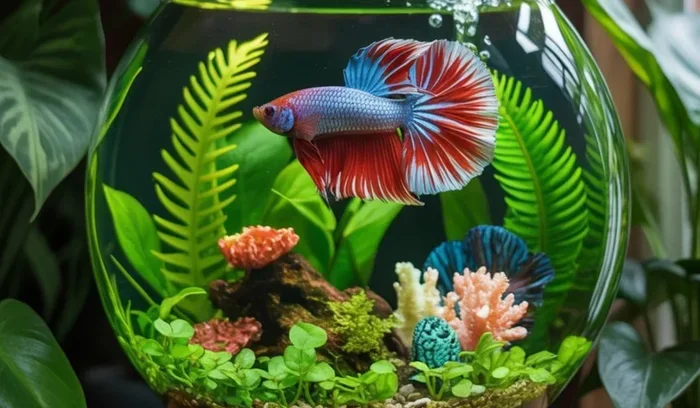
A five-gallon bowl is usually too small for a community. A solo betta can do very well there with heat, a gentle filter, and weekly water care. For a larger tank, start with our guide to putting other fish in with a betta before you choose a species. A peaceful freshwater community tank can work when the fish and the space match.
What Makes a Good Betta Tank Mate?
A good tank mate should fit the water and the space. It should also stay out of the betta’s face. Fast, calm fish that use the lower or middle parts of the tank are often better than slow fish with long fins.
Look for these traits:
- Peaceful nature: The fish should not chase, nip, or crowd the betta.
- Warm water needs: Bettas need water near 78°F to 80°F.
- Small adult size: Large fish may scare a betta or take up the same space.
- Short fins: Long, bright fins can draw a betta’s attention.
- Schooling behavior: Many small fish feel safe in groups of six or more.
- Room to hide: The fish should be able to move away from the betta.
Group size and tank shape matter too. A single rasbora or cory may feel exposed and act nervous. A group can spread out and feel safer. A long tank also gives more swimming room than a tall, narrow one.
Before buying, plan the full stocking list. A filter rating and a fish count do not tell the whole story. Leave open swimming space and do not fill every inch with decor.
Read Your Betta’s Body Language
A small flare during the first meeting is not always a crisis. Watch what comes next. A calm betta may look, swim on, and eat as usual. A stressed betta may keep flaring, chase, or hide.
Stop the trial if you see:
- constant chasing or biting
- clamped fins or pale stress bars
- fish hiding all day or refusing food
- torn fins or blood
- one fish blocking food or every hiding place
Quick Tips for a Safer Match
- Add a group, not one lonely fish.
- Keep the tank well planted.
- Use a lid because scared fish may jump.
- Feed the betta before the first meeting.
Male bettas often need extra care when choosing tank mates. This guide to fish for a male betta can help you weigh the risks before shopping.
Best Fish and Other Tank Mates for Bettas
No list can promise peace. Still, some fish have a better record than others. Buy young, healthy fish from a sound tank. Check the adult size and the space each species needs.
| Fish | Group size | Usual tank size | Why it may work |
|---|---|---|---|
| Ember tetra | 6 or more | 10 gallons or more | Small, calm, and less likely to draw attention |
| Harlequin rasbora | 6 to 8 or more | 10 to 20 gallons | A lively school; more space is better |
| Neon tetra | 6 or more | 10 to 20 gallons | Often peaceful, but each group acts differently |
| Small corydoras | 6 or more | 20 gallons | Bottom dwellers that need soft sand |
| Kuhli loach | 6 or more | 20 gallons | Quiet bottom fish that need hides and sand |
These choices are starting points, not promises. A pet shop may call a species peaceful, but the group in front of you may be bold or stressed. Watch how the fish move before you buy.
Small Schooling Fish
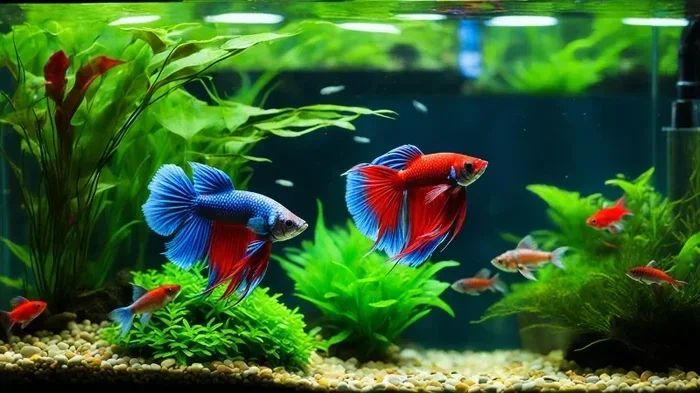
Ember tetras are often a good choice for a larger betta tank. Keep at least six in a 10-gallon or bigger tank. Harlequin rasboras do best in a longer tank and a group of eight or more. Neon tetras can work in mature water, but some groups chase. Watch the first few days.
Do not buy only two or three small fish and call it a school. A tiny group may stay huddled, dash about, or become easy targets. Give the group enough room and enough members to feel safe.
Bottom Dwellers
Small corydoras catfish can work in a 20-gallon tank with soft sand. They are social, so keep six or more. They are not tank cleaners. They make waste too, so do not add them just to clean the bottom.
Kuhli loaches are quiet and like to hide. They also do best in a group and a 20-gallon or larger tank. Add tight caves, leaf litter, and soft sand so they can rest without stress.
Snails and Shrimp
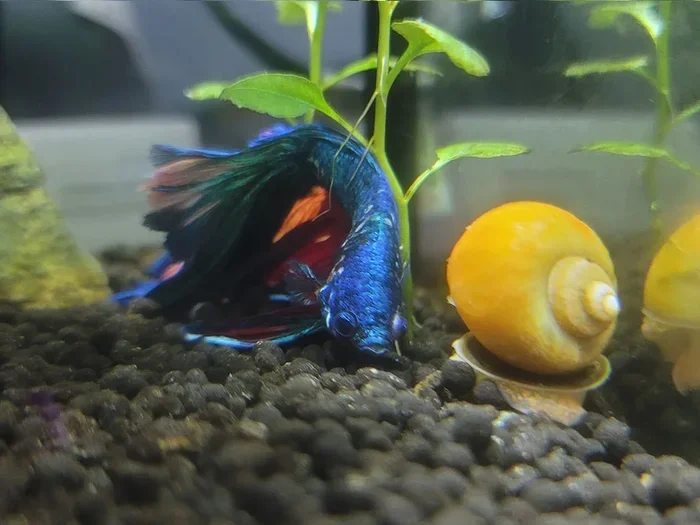
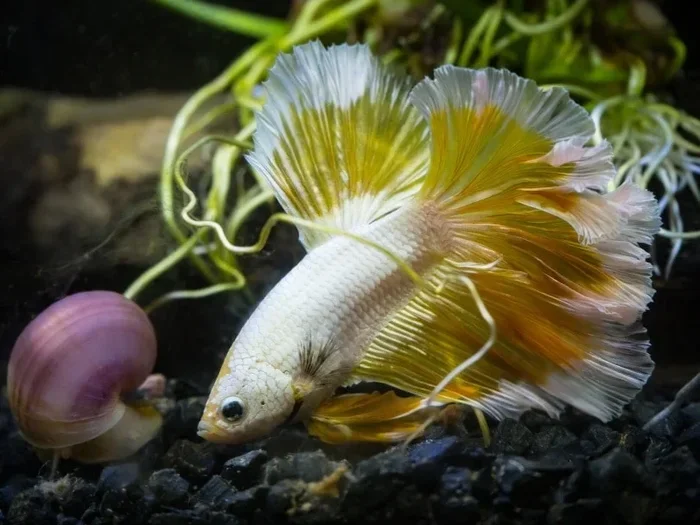
Nerite snails often do well with bettas. Mystery snails can work, but they grow larger and make more waste. Amano shrimp may help with algae, yet a hungry betta may attack or eat them. Shrimp are not fish, so judge them as separate tank mates.
Fish and Setups to Avoid With a Betta
Some fish are risky because they nip, need cool water, grow large, or look too much like a betta. A small tank can also turn a mild fish into a stressed one.
- Another male betta: Two males will often fight and can hurt or kill each other.
- Gouramis and other bettas: Similar shapes and fins can trigger rivalry.
- Tiger barbs and serpae tetras: These active fish may nip long fins.
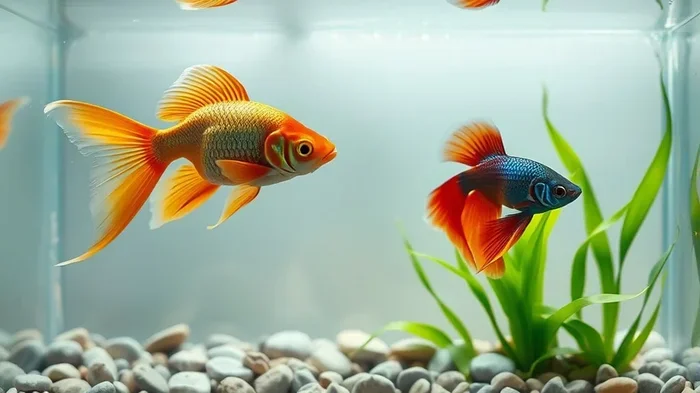
- Goldfish: They need cooler water and make a heavy waste load.
- Guppies: Bright, long fins can draw attacks, though some short-finned types do better.
- Mollies, platies, and swordtails: They often need harder water and more room than a small betta tank offers.
- Large cichlids: Many are bold, rough, and not suited to a community betta tank.
Can You Add Another Betta?
Do not keep two male bettas in one tank. A male and female should only share a tank for careful breeding, and only under expert care. Female sororities need many females, a large mature tank, close watch, and backup space.
For a closer look, read whether two betta fish can live in one tank.
Why Goldfish Do Not Belong in a Betta Tank
Goldfish and bettas need different temperatures, diets, and filtration. Goldfish also grow large and produce a lot of waste. Putting them together may harm both fish.
How to Add Fish to a Betta Tank Safely
A good plan lowers stress for every fish. Do not rush because a pet shop tank looks full or a friend says the fish are easy. New fish can bring illness, and a sudden change can upset the water.
Prepare the Tank First
Make sure the tank is cycled before adding fish. A cycled tank has helpful bacteria that turn harmful waste into less harmful forms. Test the water before shopping.
- Keep ammonia at 0 ppm.
- Keep nitrite at 0 ppm.
- Keep nitrate below 20 ppm when possible.
- Hold the water near 78°F to 80°F.
- Keep the pH stable, often near 6.5 to 7.5.
- Use a gentle filter and a secure lid.
- Add live or silk plants, caves, and floating cover.
A 10-gallon tank is a practical minimum for a small group. A 20-gallon long tank gives fish more room to avoid each other. More water also stays more stable.
If the tank already has a betta, avoid a major water change on introduction day. Make normal care changes a day or two before. This keeps the water steady while the fish meet.
Quarantine and Acclimate New Fish
Quarantine new fish in a separate tank for about 30 days if you can. This helps you spot disease before it reaches the main tank. If that is not possible, check the fish well and avoid adding cloudy tank water.
At the main tank, float the sealed bag for 15 to 20 minutes. Then mix small amounts of tank water into the bag or use a drip method. Keep the lights low. Net the fish into the tank rather than pouring store water in.
Use a Slow Introduction Plan
- Feed your betta before the new fish arrive.
- Add the new fish as a group when the room is calm and the lights are dim.
- Watch the tank for two to four hours.
- Check again after 24 and 48 hours.
- Make sure every fish can reach food and cover.
- Do small water tests during the first week.
- Keep a spare tank or divider ready if you need it.
What If the Betta Chases?
A short chase can happen while the betta checks a new fish. It should stop. Constant chasing is not normal. If fins are torn or a fish cannot rest, separate them at once.
You can try a tank divider, more plants, or a new layout. If the betta still attacks, keep the fish apart. A solo tank is not a failure. It may be the safest and kindest home.
Common Mistakes, Expert Tips, and Final Advice
Common Mistakes to Avoid
- Buying fish before testing the water
- Keeping schooling fish in groups of two or three
- Using a bowl with no heat or filter
- Choosing fish by color instead of behavior
- Adding too many fish at one time
- Ignoring torn fins, hiding, or lost color
- Trusting the label “community fish” without checking needs
Expert Tips for Long-Term Peace
Feed a varied diet, but do not overfeed. Remove uneaten food and clean the filter as its maker directs. Test the water each week at first, then on a set schedule. Stable water matters more than any special additive.
Watch the tank at feeding time. A betta that eats well and swims normally is usually settling in. A fish that hides, flares, or guards every corner may need a quieter setup. If you see a change in appetite, color, or swimming, act early.
Conclusion
So, can you put any fish in with a betta? Yes, some peaceful fish can share a warm, clean, roomy tank. The best odds come from a mature 10-gallon or larger setup, a calm betta, a proper school, and plenty of cover.
Start with the tank, not the fish. Pick species that match the water, add them slowly, and watch each fish with care. If your betta stays tense or aggressive, enjoy a species-only tank. A happy, safe betta is always better than a crowded one.
Frequently Asked Questions
Can you put any fish in with a betta?
Yes, but only with a suitable tank and a calm betta. A 10-gallon or larger cycled tank, warm water, plants, and peaceful tank mates give the best chance of success.
What are the best tank mates for a betta?
Ember tetras, harlequin rasboras, small corydoras, and kuhli loaches are common choices. They still need the right group size, tank space, and careful introduction.
How big should a betta community tank be?
A 10-gallon tank is a practical minimum for a small, carefully chosen group. A 20-gallon long tank is better because it gives each fish more room to move away.
Can two betta fish live together?
Two male bettas should not share a tank because they often fight. Male and female pairs are only for careful breeding, and female sororities need expert care and a large setup.
Can I put goldfish or guppies with a betta?
Goldfish are not a good match because they need cooler water and make a heavy waste load. Guppies can also trigger attacks because of their bright, long fins, especially in a small tank.
How do I introduce new fish to a betta tank?
Quarantine the new fish if possible, then acclimate them slowly to the tank water. Add them as a group, keep the lights low, and watch for chasing, hiding, or torn fins for several days.