User Safety safe
Putting a betta fish in a glofish tank requires careful attention to safety and water quality. This guide covers potential risks, best practices, and when separation is better than mixing. You’ll learn how to create a compatible environment where both species thrive without health problems.
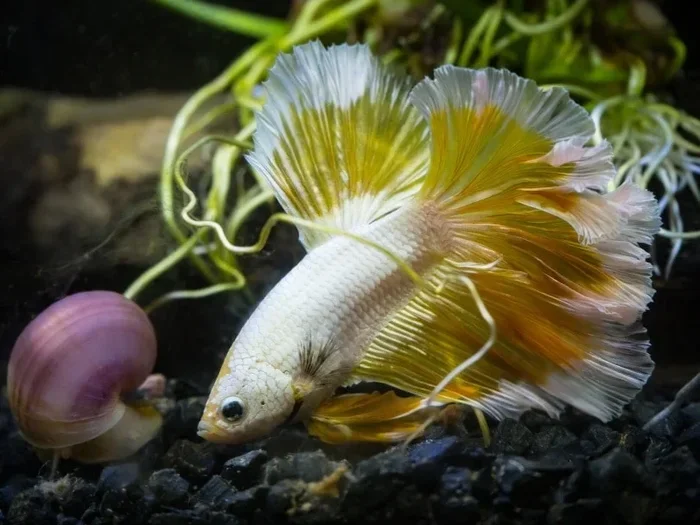
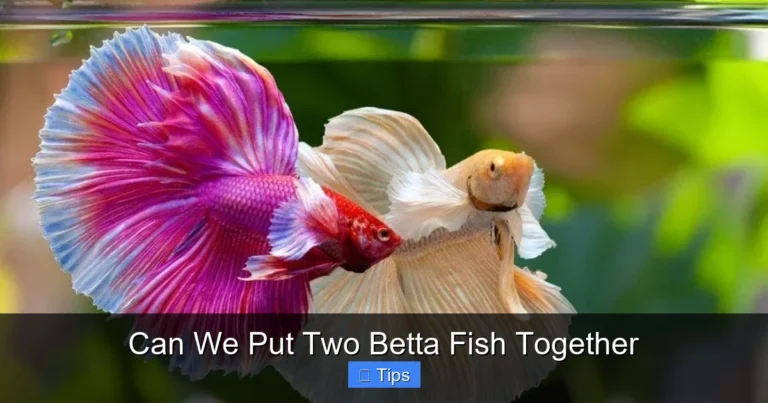
Trying to combine your cute orange betta with the vibrant colors of a glofish might seem like a fun idea. Many hobbyists dream of seeing two popular aquarium pets share the same space. However, jumping straight into a betta fish in a glofish tank without knowing the risks can lead to unhappy fish and expensive vet bills down the road. This guide breaks down everything you need to consider before making that move. We’ll look at water chemistry, tank size, species compatibility, and the most common pitfalls new owners face. By the end, you’ll feel confident about keeping both fish safe and thriving together—or decide if it’s truly worth the effort.
Why Safety Should Come First When Handling a GloFish Tank
When people think about mixing fish, the first thing they worry about is compatibility. Betta fish and glophish belong to slightly different families, which means they have unique needs. A single mistake in care can cause serious health problems for either animal. That’s why understanding the core reasons behind safety matters so much. Your betta deserves a stable home, and your glophish brings its own set of requirements. If you ignore these basics, you might end up with cloudy water, sluggish swimming, or even a sick fish you didn’t expect. Taking a slow approach to research ensures you avoid headaches later. The goal here is simple: create a balanced environment where both species can live comfortably side by side without compromising their well-being.
Understanding GloFish Tanks and Their Specific Needs
Glofish aren’t just regular goldfish; they represent a hybrid line bred for brighter colors and slower growth. These tank dwellers come from the genus Hyacinthochromis and require precise conditions to stay healthy. Like all freshwater fish, they need consistent temperatures usually between 72 to 80 degrees Fahrenheit. They also prefer low light levels since some varieties can be sensitive to intense illumination. When setting up a glophish tank, pay close attention to two critical areas: water hardness and pH balance. Both species generally prefer moderate values, but slight fluctuations can trigger stress responses. Think of it like cooking—each recipe has specific ingredients. If you skip the seasoning, the whole dish falls apart. Your betta fish in a glofish tank will follow suit if you don’t get the fundamentals right.
Potential Risks of Combining Betta and Glophish Species
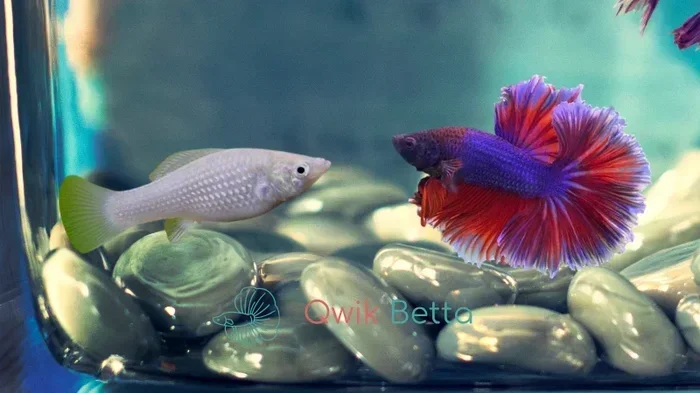
Even though both fish are popular choices for beginners, mixing them presents challenges. One major concern involves water quality management. Bettas produce more waste due to their active lifestyle and constant swimming. If you add too many food scraps or forget to change water regularly, ammonia and nitrite levels can skyrocket. These harmful chemicals cause gill damage and can be fatal for delicate species like glophish. Additionally, temperament plays a role. Bettas are territorial and can become aggressive toward other fish if they perceive threats. Glophish, being smaller and sometimes less assertive, might not stand up to a dominant male betta. This tension can lead to aggression, injuries, or chronic stress for the glophish. Watch for signs like flashing (white spots on fins) or lethargy—these are warning signals you shouldn’t ignore.
Best Practices for Safely Co-Housing a Betta and Glophish
If after careful evaluation you still want to share your aquarium, follow these guidelines closely. First, select a tank large enough to accommodate both species comfortably. Ten gallons minimum gives each fish room to swim freely without feeling cramped. Second, invest in a robust filter system that provides excellent water movement. Good flow helps remove waste particles and maintains steady oxygen levels. Third, implement a strict feeding routine. Overfeeding is a silent killer; split daily meals into small portions and remove uneaten food promptly. Fourth, monitor tank parameters weekly using reliable test kits. Checking ammonia, nitrite, and nitrate levels ensures nothing goes wrong unnoticed. Finally, observe your fish daily. Note how they interact, where they hide, and whether any species shows unusual behavior. Early detection saves lives and reduces frustration.
Comparing GloFish Tanks Versus Standard Betta Setups
Many owners assume a glophish tank looks almost identical to a regular betta habitat. While the base equipment remains similar, subtle differences matter. Standard betta tanks often feature sandy substrates and modest plant growth. Glophish enthusiasts typically prefer smooth surfaces and floating decorations that mimic their natural tropical vibe. When comparing the two, notice how light exposure differs. Glophish often tolerate lower intensity lighting, whereas bettas appreciate brighter spots if you set up artificial lights. Substrate choice also impacts behavior—some bettas dig while others simply drift. Providing variety in decor satisfies different behavioral needs without causing conflict. Remember, safety comes from matching each fish’s preference rather than forcing compromise on every detail.
Common Mistakes New Aquarium Owners Make
When beginners tackle mixed species tanks, three errors appear constantly. Overcrowding stands out as the biggest mistake. Cramming multiple fish into a small volume creates competition for food and hiding spots. This leads to fighting and poor nutrition. Second, skipping water changes is another pitfall. Even in decorative displays, biolooad builds up fast. Bettas especially generate excess ammonia. Neglecting this results in immediate danger for the glophish. Third, ignoring dietary differences causes problems. Some glophish accept pellets designed for goldfish, while bettas need higher protein content. Feeding both species incorrectly can cause malnutrition or sudden death. Avoid these traps by planning ahead and sticking to proven routines.
When Separation May Be the Smarter Choice
There are times when giving your fish their own space actually serves them better. If your glophish shows persistent stress or if aggression becomes frequent, separation becomes necessary. Rather than watching two incompatible pairs struggle, consider moving the betta to a dedicated tank equipped with its preferred temperature and decorations. Meanwhile, your glophish thrives in a simpler environment tailored to its needs. This approach prioritizes individual happiness over shared drama. Ultimately, safety for every creature in the tank outweighs the desire for a colorful display. Choose wisely and watch both friends enjoy life peacefully.
Key Takeaways
- Matching water parameters is essential for betta fish in a glofish tank to prevent illness.
- Minimum tank size of ten gallons helps reduce stress for both species.
- Regular water testing catches ammonia spikes before they harm the betta.
- Monitoring behavior reveals early signs of conflict or disease.
- Separation may be safer if species compatibility proves difficult.
- Proper filtration keeps the ecosystem stable and supports healthy growth.
- Avoid overcrowding to give each fish enough space to breathe and eat.
Frequently Asked Questions
Question?
AquaMarina: Can you put a betta fish in a glofish tank safely?
Yes, it is possible to house a betta fish in a glofish tank if you prioritize water quality, tank size, and species compatibility. Both fish require stable environments, so matching their needs ensures a healthy coexistence. Regular testing and proper filtration are key to preventing health issues.
Question?
How do I tell if my betta is stressed by living with a glophish?
Look for signs such as fin clamping, reduced appetite, hiding constantly, or rapid breathing. These behaviors indicate discomfort and should prompt immediate adjustment of the tank conditions or separation.
Question?
What is the ideal tank size for a mixed betta and glophish setup?
The minimum recommendation is ten gallons per pair. Larger volumes provide more stability and allow each fish territory, reducing the chance of conflict.
Question?
Should I use a filter in a mixture of betta and glophish?
Absolutely. A well-designed filter maintains clean water and removes debris that bettas produce. This supports overall health for both species and keeps the ecosystem balanced.
Question?
Are glophish toxic to bettas when kept together?
No, glophish are not poisonous, but improper conditions caused by the mix can indirectly harm them. Proper nutrition, water cleanliness, and stress reduction are far more important than the species relationship itself.
Question?
How often should I test water parameters in a combined betta and glophish tank?
Testing once a week is sufficient for most households. Perform tests after significant changes like food additions or water updates to catch any spikes early.
=== CONCLUSION ===
Creating a successful environment for a betta fish in a glofish tank demands careful thought and dedication. By respecting each species’ needs, maintaining pristine water, and observing closely, you can offer a safe haven that showcases both beauty and health. Remember, true safety means protecting each fish individually while enjoying the harmonious display they can create together. So measure twice, prepare properly, and watch as your colorful aquarium flourishes with confidence.