How Big Does Betta Fish Grow and What You Need to Know
Many new owners wonder how big does betta fish grow. These colorful pets usually reach 2 to 4 inches in length. The size depends on tank conditions, diet, and genetics. Proper care helps them reach their full potential.
Key Takeaways
- Average Size: Most betta fish grow to 2-4 inches long.
- Tank Impact: A larger tank supports better growth than a small bowl.
- Diet Matters: High-quality food promotes healthy development.
- Genetics: Some types are naturally bigger than others.
- Gender Differences: Males are often slightly larger than females.
- Growth Speed: Young fish grow faster than adults.
- Health Signs: Stunted growth can signal poor water quality.
📑 Table of Contents
Understanding How Big Does Betta Fish Grow
Many people buy a betta fish without knowing the answer to how big does betta fish grow. It is a common question for new owners. You might expect them to stay small forever. The truth is quite different. These fish have a specific growth path. They need the right environment to reach their full size.
Betta fish are famous for their bright colors. Their flowing fins also catch the eye. But their body size is often overlooked. Knowing their potential size helps you plan better. You can choose the right tank and food. This knowledge prevents stunted growth. It also ensures a happier life for your pet.
We will explore every detail here. You will learn about average sizes. We will discuss what affects their growth. You will also find tips for care. This guide covers everything you need. Let us dive into the facts.
Typical Size Range for Betta Fish
The size of a betta fish varies. Most healthy adults reach a specific length. You should know what to expect. This helps you track their progress. It also helps you spot health issues early.
Average Length in Inches
Most betta fish grow between 2 and 4 inches. This measurement includes the tail fin. The body itself is often smaller. A standard adult male is usually around 3 inches. Females are sometimes slightly shorter. But they can be just as wide.
Some exceptional fish might grow larger. This depends on their breed. Wild types are often smaller. Captive bred fish might reach the upper limit. It is rare for them to exceed 4 inches. If your fish is much smaller, check their care.
Body Width and Fin Span
Length is not the only measure. The width of the body matters too. A healthy betta has a robust body. Thin fish might be underfed. The fins also add to their appearance. Long fins make them look bigger. Short fins make them look compact.
Fin size depends on the type. Halfmoon bettas have wide fins. Veiltail bettas have long hanging fins. These fins can grow quite large. They might trail behind the fish. This makes the fish seem larger than it is.
Comparing Different Breeds
Not all bettas are the same. Different breeds have different sizes. Here is a quick look at common types.
| Betta Type | Average Length | Fin Characteristics |
|---|---|---|
| Veiltail | 2.5 – 3.5 inches | Long, flowing tail |
| Halfmoon | 2.5 – 3.5 inches | Wide, 180-degree tail |
| Plakat | 2 – 3 inches | Short, rounded fins |
| King Betta | 3 – 4 inches | Large body, long fins |
| Wild Type | 2 – 2.5 inches | Short, natural fins |
As you can see, variation exists. King bettas are notably larger. Plakat bettas are more compact. Choose a breed that fits your tank. This ensures they have enough space.
Factors That Influence Growth
Knowing how big does betta fish grow is only half the story. You also need to know why they grow. Several factors play a role. You can control some of these. Others are fixed by nature.
Tank Size and Environment
The tank size is crucial. A small bowl limits growth. Fish need space to swim. They also need stable water conditions. Small tanks get dirty fast. This stresses the fish. Stress stops growth. A 5-gallon tank is a good start. Larger tanks are even better. They offer more stable water. This supports healthy development.
If you want to know more about space needs, check out this guide on whether betta fish like a lot of space. It explains why room matters for their well-being.
Water Quality and Temperature
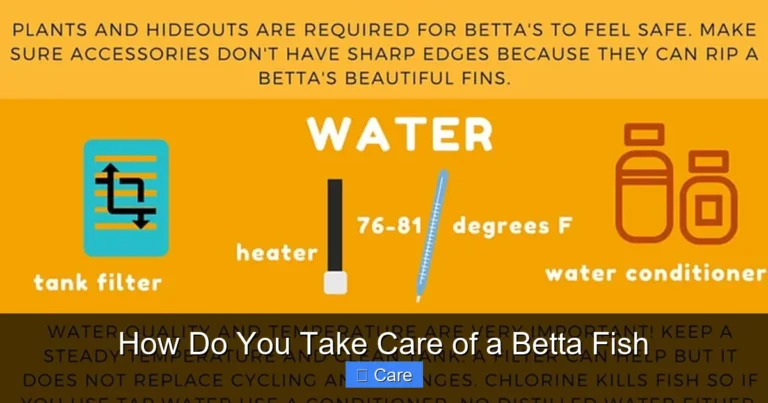
Clean water is vital. Ammonia and nitrites hurt fish. They damage gills and skin. This makes the fish use energy to heal. That energy is not used for growth. Regular water changes help. Keep the temperature warm too. Bettas are tropical fish. They need water around 78 to 80 degrees Fahrenheit. Cold water slows their metabolism. This slows growth.
Diet and Nutrition
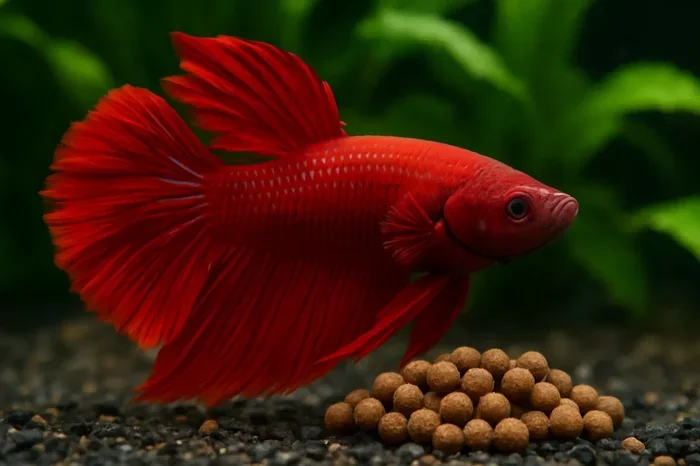
Food fuels growth. A poor diet leads to stunting. High-quality pellets are best. They contain needed nutrients. Frozen foods like brine shrimp help too. Variety is key. Do not overfeed though. Excess food pollutes the water. Feed small amounts twice a day. This keeps them healthy and growing.
Genetics and Age
Genetics set the limit. Some fish are born to be small. Others have the potential to be large. You cannot change this. But you can help them reach their limit. Age also matters. Young fish grow fast. Adults grow very slowly. Most growth happens in the first year. After that, they maintain size.
If you are curious about speed, read more on how fast betta fish grow. This gives insight into their development timeline.
Growth Stages of a Betta Fish
Betta fish go through stages. Each stage has different needs. Understanding these helps you care for them. You can adjust your care as they age.
Fry and Baby Stage
Baby bettas are very small. They are called fry. They hatch from eggs. They need tiny food. Infusoria or specialized fry food works. They grow quickly at this stage. Separation might be needed. Males and females grow differently. You can learn more about how baby betta fish grow in our detailed section.
Baby males and females have specific needs. Check out growth tips for baby boy betta fish or growth tips for baby girl betta fish for specific advice.
Juvenile Stage
As they grow, they become juveniles. Their colors start to show. Their fins develop. This is a critical time. Good water quality is key. They are sensitive to changes. They need frequent feeding. This stage lasts a few months.
Adult Stage
Adults reach their full size. Their colors are bright. Their fins are fully formed. Growth slows down significantly. Maintenance becomes the focus. Keep the tank clean. Keep feeding them well. They can live for several years.
Signs of Healthy Growth vs. Stunting
How do you know if your fish is growing well? Look for physical signs. Behavior matters too. Healthy fish act differently than stressed ones.
Physical Indicators
A growing fish looks robust. Their belly is full but not bloated. Their fins are intact. Colors are vibrant. If a fish is stunting, they look thin. Their fins might be clamped. Colors might fade. Compare your fish to others of the same age.
Sometimes damage occurs. If you notice scale loss, you might wonder, do betta fish grow their scales back. Healing is possible with good care.
Behavioral Indicators
Active fish are usually healthy. They swim around the tank. They explore their environment. Stunted fish might hide. They might lay on the bottom. They might lose interest in food. Watch their behavior daily. Changes can signal problems.
If you see them lying down often, read about if betta fish lay down when they sleep. Knowing normal sleep habits helps you spot issues.
Common Mistakes That Hinder Growth
Owners often make mistakes. These mistakes stop growth. Avoid these common pitfalls.
- Small Bowls: These restrict movement and pollute quickly.
- Overfeeding: This causes waste and health issues.
- Cold Water: This slows metabolism and immune function.
- Ignoring Filters: Stagnant water breeds bacteria.
If you use a filter, ensure it is gentle. Bettas do not like strong currents. Learn more about whether betta fish like air filters to choose the right equipment.
Tank Requirements for Maximum Growth
To help your fish grow, you need the right home. The tank setup matters a lot. It affects water quality and stress levels.
Ideal Tank Size
A 5-gallon tank is the minimum. But bigger is often better. A 10-gallon tank offers more stability. It allows for better filtration. It also gives more swimming room. Some owners worry about big tanks. You might ask, if betta fish do well in big tanks. The answer is usually yes, provided there are hiding spots.
You might also wonder, if you can put betta fish in a big tank. It is safe if the water parameters are stable.
Filtration and Heating
Filters remove waste. They keep water clean. Choose a gentle filter. Sponge filters are great. Heaters keep the water warm. Consistent warmth is key. Fluctuations stress the fish. Stress hinders growth.
Air pumps are another topic. Some people use them for surface agitation. Find out if betta fish like air pump circulation before adding one.
Decor and Hiding Spots
Bettas like to rest. They need places to hide. Plants and caves help. Smooth decorations prevent fin tears. Rough plants can damage fins. Silk plants are safer than plastic. This protects their fins as they grow.
If your fish hides a lot, check if betta fish hide under rocks normally. It might be a sign of stress if excessive.
Conclusion
So, how big does betta fish grow? Most will reach 2 to 4 inches. Some types grow larger. Genetics play a role. But care plays a bigger role. You can help them thrive. Give them a spacious tank. Keep the water clean and warm. Feed them high-quality food. Watch for signs of stress.
Healthy bettas are active and colorful. They live longer too. By understanding their needs, you become a better owner. Your fish will thank you with vibrant colors. They will grow to their full potential. Start with the right setup today. Your betta deserves the best life.
Frequently Asked Questions
How long does it take for a betta fish to reach full size?
Most betta fish reach their adult size within 6 to 12 months. Growth slows down significantly after the first year. Proper care ensures they reach their maximum potential during this time.
Can a betta fish grow bigger than 4 inches?
It is rare for a standard betta to exceed 4 inches. King bettas are an exception and can grow larger. Genetics and tank conditions limit the maximum size for most varieties.
Does tank size really affect how big a betta fish grows?
Yes, tank size impacts water quality and swimming space. A small bowl can stunt growth due to stress and poor conditions. A larger tank supports healthier development and better metabolism.
Do female betta fish grow smaller than males?
Females are often slightly smaller than males on average. However, the difference is not always significant. Body width can vary regardless of gender.
What stops a betta fish from growing properly?
Poor water quality, cold temperatures, and inadequate diet are common causes. Stress from small tanks or aggressive tank mates can also hinder growth. Regular maintenance helps prevent these issues.
How can I tell if my betta fish is still growing?
You can track size by taking photos or measuring against a ruler gently. Look for increases in body width and fin development. If the fish looks robust and active, it is likely healthy and growing.