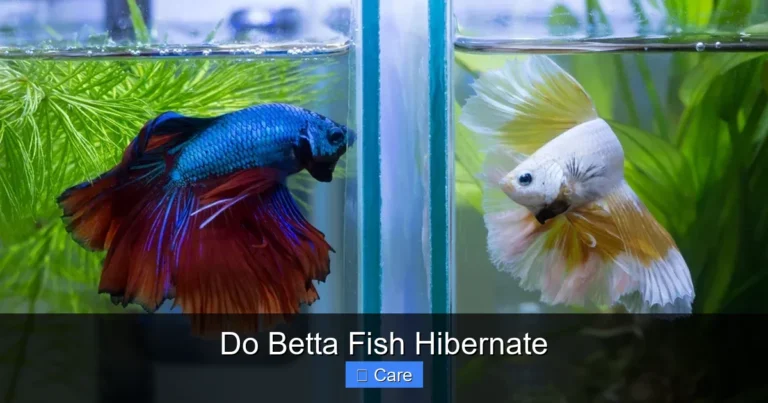
What Fish Can Be Kept With Bettas Best Tank Mates
Choosing the right companions for your betta fish can be tricky. You want a lively tank without constant fighting. This guide explains what fish can be kept with bettas safely. We cover peaceful species, tank setup tips, and common mistakes to avoid.
Key Takeaways
- Peaceful tank mates are key: Avoid aggressive or fin-nipping species.
- Tank size matters: A larger tank reduces stress and aggression.
- Hiding spots help: Plants and decor give fish places to escape.
- Watch water parameters: All fish need similar temperature and pH levels.
- Introduce slowly: Add new fish gradually to monitor behavior.
- Avoid colorful fins: Fish with long fins may trigger chasing.
- Observe daily: Watch for signs of stress or bullying early.
📑 Table of Contents
- What Fish Can Be Kept With Bettas Best Tank Mates
- Understanding Betta Behavior First
- What Fish Can Be Kept With Bettas Safely
- Tank Setup for Peaceful Community Living
- How to Introduce New Fish to Your Betta
- Common Mistakes When Choosing Tank Mates
- Expert Tips for a Harmonious Tank
- Final Thoughts on What Fish Can Be Kept With Bettas
What Fish Can Be Kept With Bettas Best Tank Mates
Keeping a betta fish is a joy. They are colorful, full of personality, and easy to care for. But many owners ask the same question. What fish can be kept with bettas? The answer is not simple. Bettas have strong personalities. Some are calm. Others are very territorial. You need to choose carefully. This guide will help you pick safe tank mates. We will look at the best options. We will also share tips for a happy, peaceful tank.
Many people think bettas must live alone. That is not always true. You can build a community tank. But you must match temperaments. You must also match water needs. Size matters too. A small tank causes stress. Stress leads to fights. We will walk through everything step by step. You will learn what works. You will learn what to avoid. Let us dive in.
Understanding Betta Behavior First
Before you add any fish, you must know your betta. Bettas are not all the same. Some are shy. Some are bold. Some will chase anything that moves. This behavior is natural. Male bettas are more aggressive. They guard their space. They also flare at rivals. Females can be calmer. But they still need space. Understanding this helps you choose wisely.
Why Aggression Happens
Bettas are territorial. They claim a spot. They defend it. This is normal. In the wild, they live in shallow waters. Space is limited. They fight to survive. In a tank, the same instinct stays. Bright colors can trigger them. Long fins look like rivals. Fast swimmers may seem like threats. You must reduce these triggers. A calm tank starts with smart choices.
Signs Your Betta Is Stressed
Watch your fish closely. Stress shows in many ways. Clamped fins are a bad sign. Hiding all day is another. Loss of color matters too. Refusing food is common. You may see constant flaring. These signs mean trouble. You may need to remove a tank mate. A peaceful setup should look relaxed. Fish should swim freely. They should eat well. They should rest without fear.
What Fish Can Be Kept With Bettas Safely
Now we get to the main question. What fish can be kept with bettas? The best tank mates are calm. They stay out of the betta zone. They do not nip fins. They do not chase. They also like similar water. Warm water is a must. Bettas need heat. Most tropical fish do too. This makes matching easier. You want peaceful bottom dwellers. You want small mid-water fish. You want species that ignore each other.
Top Peaceful Tank Mates
Some fish work very well. Here are the safest choices:
- Corydoras catfish: They stay at the bottom. They are gentle. They sift the sand. They ignore bettas.
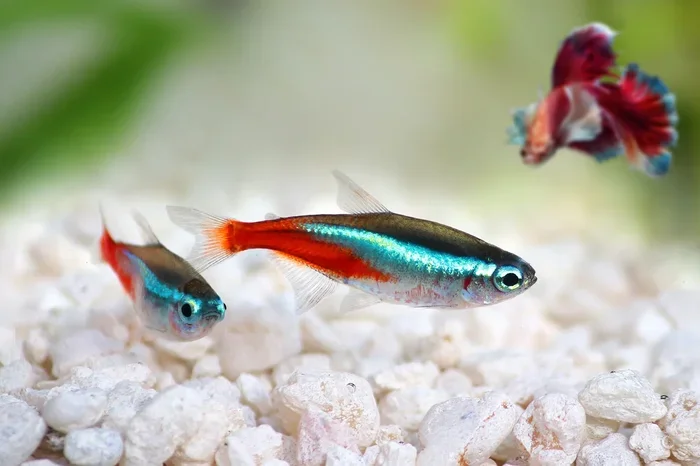
- Neon tetras: They swim in groups. They stay mid-water. They are fast but calm. They do not bother bettas.
- Harlequin rasboras: They are hardy. They are peaceful. They handle warm water well.
- Small loaches: Some species stay hidden. They are shy. They keep to themselves.
- Snails and shrimp: They are not fish. But they are great cleaners. They stay out of the way.
These choices work because they do not compete. They use different parts of the tank. They do not flash bright fins. They do not act bold. This lowers tension. You still need to watch them. Every fish has a unique personality. What works for one tank may not work for another.
Fish to Avoid
Some fish cause trouble. Skip these if you want peace:
- Guppies with long fins: They look like rivals. Bettas may chase them.
- Tiger barbs: They are fin nippers. They will hurt your betta.
- Large cichlids: They are too aggressive. They need more space.
- Goldfish: They need cooler water. They also produce too much waste.
- Fast, bold swimmers: They stress shy bettas. They steal food.
These fish create conflict. They either look like threats. Or they act like bullies. Or they need different water. Mismatched needs lead to sickness. Mismatched temperaments lead to fights. Always check behavior before you buy.
Tank Setup for Peaceful Community Living
The tank itself matters a lot. A cramped space causes fights. A bare tank causes stress. You need room. You need cover. You need good water flow. A larger tank gives fish space to spread out. A well-decorated tank breaks the line of sight. This helps a lot. Fish feel safer when they can hide. Bettas feel less need to guard everything.
Best Tank Size
Start with at least 20 gallons. Smaller tanks work for one betta. But community tanks need space. More fish mean more waste. More waste means more cleaning. More space means less conflict. A 20-gallon tank gives everyone room. It also holds heat better. It stays stable longer. Stability keeps fish healthy.
Plants and Decor Tips
Use live plants if you can. They improve water quality. They also give cover. Java fern is easy. Anubias is hardy. Hornwort grows fast. These plants do not need strong light. They also do not crowd the tank. Add driftwood or smooth rocks. Create little caves. Make sure decor has no sharp edges. Betta fins tear easily. Soft edges keep them safe.
Water Flow and Temperature
Bettas like calm water. Strong currents tire them out. Use a gentle filter. Adjust the flow if needed. Keep the temperature between 78 and 80 degrees. Most tropical tank mates like this too. Use a reliable heater. Check it daily. Sudden drops cause stress. Stable warmth keeps fish active and healthy.
How to Introduce New Fish to Your Betta
Adding fish is a big step. Do it slowly. Rushing causes shock. It also causes fights. You need a plan. A good plan lowers risk. You want both the betta and the new fish to feel safe. Take your time. Watch every step. Patience pays off.
Step by Step Process
Follow this simple routine:
- Quarantine first: Keep new fish alone for two weeks. This prevents disease.
- Match water conditions: Use similar temperature and pH. Sudden changes shock fish.
- Add at night: Fish are calmer in low light. This reduces initial aggression.
- Rearrange decor: Move plants and rocks. This breaks old territories.
- Watch closely: Stay nearby for the first hour. Look for chasing or flaring.
If you see heavy chasing, remove the new fish. Try again later. Some bettas need more time. Some need a different tank mate. There is no one-size-fits-all answer. You must read your fish. You must adjust as needed.
Monitoring Early Behavior
The first week is critical. Keep an eye on feeding. Make sure everyone eats. Watch for hiding. A little hiding is normal. Constant hiding is not. Look for torn fins. Check for spots or lumps. These may signal stress or disease. Test the water often. Ammonia spikes happen fast in new setups. Clean water keeps peace.
Common Mistakes When Choosing Tank Mates
Many owners make the same errors. These mistakes cause trouble. Knowing them helps you avoid them. A smart choice starts with good research. Do not guess. Do not rush. Learn the needs of each species. Then match them carefully.
Overcrowding the Tank
Too many fish cause stress. Stress weakens the immune system. It also triggers aggression. Fish need space to swim. They need room to hide. They need clean water. Overcrowding ruins all three. Follow simple stocking rules. Leave extra space for growth. Less is often more.
Ignoring Personality Differences
Two fish of the same species can act very different. One betta may ignore everyone. Another may chase everything. The same goes for tank mates. A calm tetra may become bold. A shy cory may hide forever. You must watch behavior. You must be ready to change plans. Personality matters more than labels.
Forgetting Water Parameter Matches
Fish need the same basics. Temperature must match. pH should be close. Hardness matters too. If one fish needs cool water and another needs heat, one will suffer. If one likes soft water and another likes hard water, health will drop. Always check the needs first. Compatibility is not just about behavior. It is also about chemistry.
Expert Tips for a Harmonious Tank
Experienced keepers follow a few simple rules. These rules build calm tanks. They also save time and money. Healthy fish cost less to treat. Peaceful tanks are easier to maintain. Use these tips to improve your setup.
Feeding Strategies
Feed in different spots. This stops one fish from hogging food. Bettas often eat at the top. Bottom dwellers need food down low. Use sinking pellets for them. Spread the food out. Watch each fish eat. This also helps you spot problems early. A fish that stops eating needs attention.
Regular Maintenance Routine
Clean water keeps peace. Change part of the water weekly. Vacuum the substrate gently. Rinse filter media in old tank water. Never use tap water on filter bacteria. Test the water often. Keep a simple log. Note temperature, pH, and ammonia. Small problems stay small when you catch them early.
When to Separate Fish
Sometimes you must act fast. Remove a bully if chasing never stops. Separate a sick fish if needed. Use a simple tank divider. Or set up a quiet hospital tank. It is better to isolate than to lose a fish. Peace is the goal. If the tank feels tense, change something. Add cover. Reduce light. Remove a fish. Do what works.
Final Thoughts on What Fish Can Be Kept With Bettas
Choosing tank mates takes thought. But it is worth it. A peaceful community tank is beautiful. It is also fun to watch. You just need to match temperaments. You need to match water needs. You need to give them space. Start with calm species. Add plants and hiding spots. Introduce fish slowly. Watch daily. Adjust when needed.
The best answer to what fish can be kept with bettas depends on your fish. Your tank size matters. Your experience matters too. Start simple. Choose proven tank mates. Build confidence over time. A calm betta is a happy betta. A balanced tank is a healthy tank. Take your time. Make smart choices. Enjoy the process.
Frequently Asked Questions
What fish can be kept with bettas in a 10 gallon tank?
A 10 gallon tank is small for community living. You can keep a betta with a few snails or shrimp. You may add one small school of peaceful fish if the tank is well planted. But space is tight. Watch for stress closely.
Can male bettas live with other fish?
Yes, but you must choose carefully. Male bettas can share a tank with calm, non-threatening species. Avoid fin nippers and bold swimmers. Always monitor behavior after adding new fish.
Can female bettas be kept with other fish?
Female bettas are often calmer than males. They can live with gentle tank mates in a larger tank. Still, personality varies. Introduce new fish slowly and watch for chasing or hiding.
What fish can be kept with bettas without fin nipping?
Pick species known for gentle behavior. Corydoras, harlequin rasboras, and some small loaches are good choices. Avoid tiger barbs and other known fin nippers. Always observe interactions in the first week.
How many fish can be kept with a betta?
It depends on tank size and filtration. A 20 gallon tank can hold a betta plus a small school of peaceful fish. Do not overcrowd. Leave room for swimming and hiding. Quality matters more than quantity.
What fish can be kept with bettas if my betta is very aggressive?
If your betta is highly territorial, keep it alone. Add only snails or shrimp if needed. A bold or busy tank may increase aggression. Sometimes a quieter setup works best for a strong-willed betta.