How to Tell if Betta Fish is Dead or Sleeping

Finding out how to tell if a betta fish is dead or sleeping can feel stressful for any fish owner. This guide walks you through clear signs like gill movement, body position, and color changes to help you check your fish safely. You will also learn what to do next, how to avoid common mistakes, and when to seek help. By the end, you will feel more confident about caring for your betta and making the right call.
Noticing that your betta fish is lying still can be scary. You may wonder if it is resting, stressed, or gone for good. The good news is that there are simple ways to check what is happening. In this guide, we will walk through how to tell if a betta fish is dead or sleeping so you can respond calmly and correctly.
Bettas are famous for their bright colors and bold personalities. They often swim around, explore their tank, and react to people. When a betta stops moving, it is easy to panic. Still, many bettas rest during the day, especially in a quiet tank with soft lighting. That is why it helps to look at several signs instead of relying on just one thing.
By the end of this article, you will know what to look for, how to check breathing, how to understand body position, and what to do next. You will also learn how water quality, temperature, and stress can affect your fish. Let’s start with the basics of betta behavior.
Key Takeaways
- Check for gill movement: A sleeping betta still breathes slowly, while a dead fish shows no breathing at all.
- Watch the body position: Dead bettas may float or sink strangely, but sleeping fish usually rest near the bottom or on leaves.
- Look for color and scale changes: Fading color, dull scales, or cloudy eyes can signal death or serious illness.
- Test responsiveness gently: A sleeping betta may react to light or movement, but a dead fish stays still.
- Avoid rushing to conclusions: Bettas can play dead, rest quietly, or look weak when stressed, so observe carefully.
- Maintain good water quality: Clean, warm, filtered water helps prevent illness and makes health checks easier.
- Know when to act: If your betta is dead, remove it quickly; if it is weak but alive, improve care and monitor closely.
📑 Table of Contents
- Understanding Normal Betta Behavior
- Key Signs Your Betta May Be Sleeping
- Warning Signs That Your Betta May Be Dead
- How to Check Your Betta Safely
- Common Reasons Bettas Look Dead but Are Not
- What to Do If Your Betta Is Sleeping
- What to Do If Your Betta Is Dead
- How to Reduce the Chances of Losing Your Betta
- Expert Insights: Reading the Small Details
- Quick Tips for Checking a Still Betta
- Common Mistakes When Checking a Betta
- Comparison Table: Sleeping Betta vs. Dead Betta
- Final Thoughts on Betta Health and Observation
Understanding Normal Betta Behavior
Before you decide whether your betta is sleeping or gone, it helps to know what normal betta behavior looks like. Bettas are not always active. In fact, they often take breaks, especially if the tank is calm and the light is dim. A resting betta may hover near the bottom, tuck itself into a plant leaf, or settle on a flat surface.
Many owners worry when they see their fish stay still for a while. But stillness alone does not mean death. Bettas can rest quietly for long periods. They may also become less active when the water is too cold, too warm, or not clean enough. If you want to understand how to tell if a betta fish is dead or sleeping, you need to compare the current behavior with your fish’s usual habits.
Typical Resting Spots
Bettas often choose safe, quiet places to rest. You may find them near broad leaves, inside caves, or along the bottom of the tank. Some bettas even sleep near the surface if they feel secure there. A resting betta usually looks relaxed, not tense. Its fins may fold slightly, but they should not look torn or damaged.
Normal Activity Levels
Bettas can be active, but they also have quiet moments. A healthy betta usually shows some reaction to movement outside the tank. It may swim over when you approach, follow your hand, or investigate a new object. If your betta is normally curious and suddenly becomes completely still, that is worth checking more closely.
Why Bettas Sometimes Look Unconscious
Bettas can seem unresponsive when they are resting deeply. They may not move right away if the room is dark or if they are sleeping. This can make them look lifeless at first glance. That is why it is important to observe carefully before assuming the worst.
Key Signs Your Betta May Be Sleeping
If you are trying to figure out how to tell if a betta fish is dead or sleeping, start by looking for signs of life that are easy to miss. A sleeping betta is still alive, so it will show small signs of breathing and body function. These signs can be subtle, but they matter.
Slow but Steady Breathing
One of the clearest signs of a sleeping betta is slow gill movement. Even when a betta rests, it still breathes. You may need to watch closely for a minute or two. If the gills move regularly, that is a strong sign your fish is alive. If there is no gill movement at all, that is a very different story.
Body Position and Relaxation
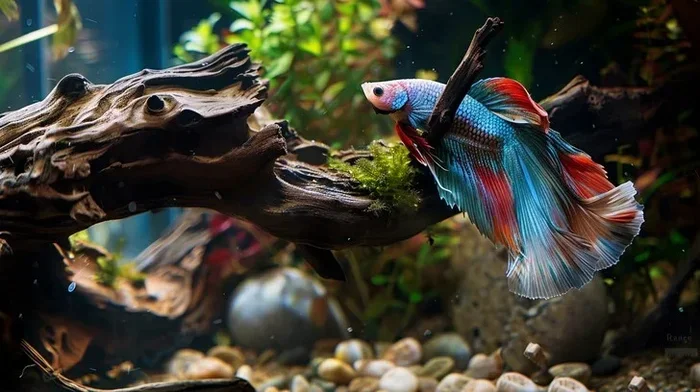
A sleeping betta often looks relaxed. It may rest on its side, but not in a stiff or unnatural way. Some bettas float gently near the bottom, while others settle against a leaf or decoration. The body should not appear rigid. A sleeping fish can still look peaceful, even if it seems unusually still.
Reaction to Light or Movement
A sleeping betta may wake up when the light changes or when you move near the tank. It does not need to swim away quickly. Sometimes it only blinks, shifts a little, or opens its fins slightly. If your fish responds in any small way, it is probably resting rather than deceased.
Color and Fin Appearance
A resting betta usually keeps much of its normal color. The fins may fold, but they should not look decayed. If your fish is still colorful and its body shape looks natural, it may simply be sleeping. On the other hand, if the color has faded sharply or the fins look damaged, you should investigate further.
Warning Signs That Your Betta May Be Dead
Sometimes the signs are harder to miss. If your betta is showing several of the following problems at once, you may be dealing with death rather than sleep. Still, it is best to check carefully before making that call.
No Gill Movement at All
If you watch your betta for several minutes and see no breathing, that is a major warning sign. A dead fish does not move its gills. This is one of the most important checks when learning how to tell if a betta fish is dead or sleeping. Be patient and look closely, because breathing can be slow in a resting fish.
No Response to Gentle Stimulation
You can try a gentle check by tapping the tank lightly or dimming and brightening the light. A living betta may react, even if only a little. If there is absolutely no response after a careful observation period, that is more concerning. Do not shake the tank or stress the fish. Just use calm, simple checks.
Unnatural Floating or Sinking
A dead betta may float to the surface or sink to the bottom in a way that looks unnatural. Some dead fish float because of gas buildup, while others sink as they lose buoyancy. If your betta is lying in a strange position and showing no movement, that is a serious sign. A sleeping fish usually rests in a more natural posture.
Cloudy Eyes or Faded Color
Dead fish often lose their bright color. Their eyes may also look cloudy or dull. This is not always immediate, but it can happen as the body breaks down. If your betta’s color has disappeared and its eyes look strange, you should treat that as a strong warning sign.
Foul Smell or Decay
A dead fish can produce an unpleasant smell, especially if it has been in the tank for a while. You may also notice visible decay. If you detect a bad odor or see that the body is deteriorating, the fish has likely passed away. In that case, remove it promptly to protect the tank.
How to Check Your Betta Safely
If you want to know how to tell if a betta fish is dead or sleeping without causing stress, use a careful approach. A few simple observations can tell you a lot. The key is to stay calm and give the fish time to show whether it is alive.
Watch for Several Minutes
Do not judge your betta after only a few seconds. Sit quietly and watch the tank for a few minutes. Look at the gills, the fins, and the overall posture. A sleeping betta may eventually move a little or adjust its position. A dead fish will not.
Check the Gills Closely
The gills are one of the best places to look. They should move gently as the fish breathes. If you cannot see movement, try viewing the fish from a slightly different angle. Sometimes gill motion is subtle, especially in low light. If there is truly no movement, that is a serious concern.
Look at the Eyes and Body
Healthy bettas usually have clear, alert-looking eyes. A dead fish may have dull or cloudy eyes. The body may also look stiff or unnatural. Compare what you see with the fish’s normal appearance. If the body looks intact and the eyes are still clear, there is a better chance your betta is simply resting.
Test Responsiveness Gently
You can try changing the light slightly or moving your hand slowly near the tank. Do not startle the fish. A living betta may react with a small movement. If nothing happens after a careful check, keep observing. Sometimes a betta is deeply resting and needs a little time to wake up.
Consider the Tank Environment
Water temperature, cleanliness, and filtration all affect betta health. A betta may look weak if the water is too cold, too hot, or poor in quality. If your fish is alive but not moving much, the tank conditions may need attention. Clean, stable water gives your betta the best chance to recover and behave normally.
Common Reasons Bettas Look Dead but Are Not
Some bettas seem dead when they are really just stressed, resting, or unwell. This can make the question of how to tell if a betta fish is dead or sleeping a little tricky. Understanding these situations can help you avoid mistakes.
Deep Sleep or Rest
Bettas can sleep quite deeply. In a quiet tank, they may stay still for a long time. This is normal, especially if they feel safe. A resting betta may not swim around, but it will still breathe and may react eventually.
Stress or Weakness
A betta that is stressed or sick may become very quiet. It may hide, lie still, or stop eating. This does not always mean the fish is dead. It may mean the fish needs better water, warmer temperatures, or medical care. If your betta is alive but weak, act quickly to improve its environment.
Illness or Shock
Illness can make a betta look lifeless. Shock from a sudden temperature change or poor water conditions can also cause extreme stillness. In these cases, the fish may still be alive, but it needs help. Watching for breathing and slight movement is important before assuming the worst.
Playing Dead or Freezing in Fear
Some bettas may freeze when they feel threatened. This can look like death, but it is a fear response. If your fish stiffens or stays completely still after a sudden disturbance, it may be reacting to stress rather than dying. Give it time and a calm environment to settle down.
What to Do If Your Betta Is Sleeping
If you determine that your betta is sleeping, the best thing to do is let it rest. Interrupting sleep too often can stress the fish. Still, there are a few helpful steps you can take to support a healthy routine.
Keep the Tank Calm
Lower the lights a bit and avoid tapping the glass. A quiet environment helps bettas rest comfortably. If the tank is in a noisy or busy area, try to reduce disturbances during rest periods.
Maintain Stable Conditions
Stable temperature and clean water make a big difference. A comfortable tank helps your betta sleep naturally and wake up active. If the water conditions are off, your fish may rest more than usual or look unusually weak.
Watch for Normal Wake-Up Behavior
When your betta wakes up, it should gradually become more alert. It may stretch its fins, swim a little, or respond to you. This is a good sign. If your fish returns to normal activity after resting, it was probably just sleeping.
What to Do If Your Betta Is Dead
If you conclude that your betta has died, handle the situation calmly and quickly. A dead fish can affect water quality if left in the tank too long. It is important to act responsibly and check the rest of the tank.
Remove the Fish Promptly
Use a net or gentle tool to remove the dead betta. This helps prevent pollution and protects other fish or tank life. Be respectful and careful while doing this.
Check Water Quality
After removing the fish, test the water if you can. Look for problems with temperature, ammonia, nitrites, and overall cleanliness. Poor water quality can sometimes contribute to a betta’s decline, so it is worth checking the tank conditions.
Look for Other Warning Signs
If one betta has died, pay close attention to the tank. Check for signs of illness, stress, or poor conditions that could affect other fish. If you have other pets in the tank, make sure they are behaving normally.
Reflect on Recent Changes
Think about any recent changes in feeding, water, temperature, or tank setup. Sometimes a pattern appears after a fish dies. Reviewing what changed can help you prevent future problems and care for your remaining fish better.
How to Reduce the Chances of Losing Your Betta
Good care lowers the risk of serious problems. While no fish owner can prevent every issue, a stable tank and regular attention make a big difference. If you want to avoid facing the question of how to tell if a betta fish is dead or sleeping too often, focus on prevention.
Keep Water Clean and Stable
Regular water changes and proper filtration help maintain a healthy environment. Bettas do best in clean water that is not too cold or too warm. Stable conditions support stronger health and better behavior.
Feed a Balanced Diet
Feed your betta appropriate food in reasonable amounts. Overfeeding can cause waste and water problems, while underfeeding can leave your fish weak. A healthy feeding routine supports energy and immunity.
Monitor Behavior Regularly
Watch your betta often so you can notice small changes. If your fish starts hiding more, losing color, or breathing differently, act early. Catching problems sooner gives your betta a better chance to recover.
Avoid Sudden Changes
Try not to make abrupt changes in temperature, water, or tank setup. Bettas can be sensitive to sudden shifts. If you need to change something, do it gradually whenever possible.
Expert Insights: Reading the Small Details
Experienced betta keepers often say that the smallest signs matter most. A tiny gill movement, a slight color shift, or a small reaction to light can tell you a lot. When you are deciding how to tell if a betta fish is dead or sleeping, details are everything.
It also helps to know your fish’s normal personality. Some bettas are bold and active, while others are calmer. If you know what is typical for your fish, you will notice changes faster. That makes it easier to respond in time.
Another helpful habit is to check the tank before assuming the fish is dead. Water temperature, cleanliness, and lighting all affect how a betta looks and acts. A stressed fish may seem lifeless when it is really just uncomfortable. A careful look at the environment can save you from a false conclusion.
Quick Tips for Checking a Still Betta
- Watch for at least a few minutes before deciding your betta is dead.
- Look closely at the gills for slow breathing.
- Check the eyes and color for dullness or cloudiness.
- Try gentle light changes to see if the fish responds.
- Keep the tank calm while you observe.
- Test water conditions if your betta seems weak but alive.
- Remove a dead fish quickly to protect water quality.
Common Mistakes When Checking a Betta
- Assuming stillness means death immediately. Many bettas rest quietly for a while.
- Checking too fast. A few seconds is not enough to see slow breathing.
- Shaking or stressing the tank. This can harm a weak but living fish.
- Ignoring water quality. Poor conditions can make a betta look lifeless.
- Missing subtle signs. Small gill movements or slight posture changes matter.
- Waiting too long to act. If your betta is weak, early care can help.
Comparison Table: Sleeping Betta vs. Dead Betta
| Sign | Sleeping Betta | Dead Betta |
|---|---|---|
| Gill movement | Slow but present | No movement |
| Body position | Relaxed, natural rest pose | Stiff, floating, or sunk oddly |
| Color | Mostly normal | Faded, dull, or changing quickly |
| Eyes | Usually clear | May look cloudy or dull |
| Response to light or movement | May react slightly | No response |
| Smell or decay | No foul smell | May develop bad odor or decay |
Final Thoughts on Betta Health and Observation
Learning how to tell if a betta fish is dead or sleeping is mostly about patience and careful observation. A sleeping betta will usually breathe slowly, keep much of its color, and may respond a little when the environment changes. A dead betta, on the other hand, will show no breathing, no response, and often looks visibly different over time.
The best approach is to stay calm, watch closely, and consider the whole situation. Look at the gills, eyes, posture, color, and tank conditions before making a decision. If your betta is alive but weak, improve the water and reduce stress as soon as you can. If your betta has died, remove it promptly and check the tank for any underlying problems.
With regular care and close attention, you can better understand your betta’s normal behavior and spot trouble earlier. That makes it easier to protect your fish, support its health, and respond wisely when something seems wrong.
Frequently Asked Questions
How long should I wait before deciding my betta fish is dead?
Wait several minutes and watch closely for gill movement or small body shifts. A sleeping betta may stay still for a while, so a short check is not enough. If there is no breathing or response after careful observation, that is more concerning.
Can a betta fish sleep on its side?
Yes, some bettas rest in a sideways position, especially when they feel safe. A sleeping betta on its side usually still breathes and may move slightly later. If it is stiff and shows no breathing, that is a different situation.
Why is my betta fish not moving but still breathing?
It may be resting, stressed, or feeling unwell. Bettas often stay quiet when the tank is calm or when conditions are not ideal. Check the water temperature and cleanliness, and keep watching for small signs of life.
How can I tell if my betta is dead or just sick?
A sick betta may still breathe, move a little, or respond weakly to light and movement. A dead betta usually shows no gill movement and no response at all. If you are unsure, observe carefully and improve the tank conditions while you watch.
What should I do if my betta fish is floating but not moving?
Check for gill movement and any reaction to gentle light changes. Floating without movement can be a sign of death, but sometimes a weak fish may still be alive. If there is no breathing, treat it as a serious warning and inspect the tank.
Can poor water quality make my betta look dead?
Yes, bad water conditions can make a betta become very still, weak, or unresponsive. Clean, warm, stable water helps your fish stay active and healthy. If your betta seems lifeless, test the tank and correct any problems as soon as possible.