How Can You Tell If A Betta Fish Is Happy And Healthy
A happy betta fish swims actively, displays vibrant colors, and shows interest in its surroundings. You can spot a content betta by watching its fin position, appetite, and interaction with you. Understanding these signs helps you maintain a healthy betta fish environment and avoid common care mistakes. By observing your fish daily, you will quickly learn what normal behavior looks like. This guide will walk you through the signs of a happy betta fish so you can keep your aquatic friend thriving.
Keeping a betta fish can be one of the most rewarding hobbies you ever try. These colorful swimmers bring life to any room, and they often develop personalities that surprise their owners. But how do you know if your betta is truly content? Many new fish keepers worry about this question, and it is a great one to ask. A content fish shows clear signs, and once you learn what to look for, you will feel much more confident in your care routine.
This guide will help you recognize the everyday behaviors of a thriving betta. We will cover movement, color, appetite, and tank habits. You will also learn how water quality, tank setup, and gentle interaction shape your fish mood. By the end, you will know exactly what to watch for and how to support a joyful home for your betta.
Key Takeaways
- Active swimming: A happy betta moves around the tank with purpose and curiosity.
- Vibrant colors: Healthy bettas show bright, clear scales without dull patches.
- Fin posture: Relaxed, spread fins indicate comfort, while clamped fins signal stress.
- Strong appetite: Eager feeding and regular eating habits reflect good health.
- Environmental engagement: Bettas that investigate plants, decorations, and the surface are usually content.
- Clean water matters: Stable temperature and filtered, dechlorinated water keep stress low.
- Avoid overhandling: Minimal touching and gentle observation support long-term wellbeing.
📑 Table of Contents
- Recognizing the Signs of a Happy Betta Fish
- Behavioral Clues That Show Your Betta Is Content
- Water Quality and Habitat Factors That Affect Happiness
- Common Mistakes That Can Make a Betta Unhappy
- How to Encourage a Happy, Healthy Betta
- Key Signs to Watch Every Day
- Final Thoughts on a Happy Betta Fish
Recognizing the Signs of a Happy Betta Fish
The fastest way to gauge your betta mood is to watch how it moves. A happy betta fish usually swims with confidence. It explores the tank, checks out plants, and returns to favorite spots without looking stressed. You will see steady motion rather than constant hiding or frantic darting. These patterns tell you that your fish feels secure in its space.
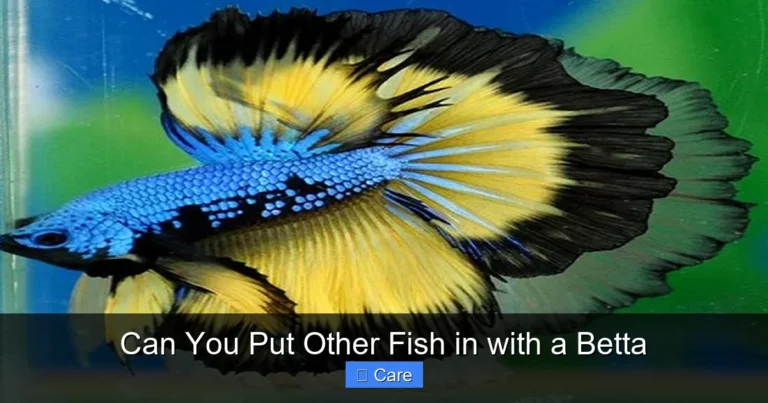
Color is another strong clue. A healthy betta fish often shows rich, vivid hues that catch the light. When a betta feels well, its scales look polished and its fins flow naturally. Dull coloring can happen for many reasons, including stress, poor water, or illness. If your betta brightens up after a water change or a tank adjustment, that is a great sign that your care is working.
Active Swimming and Exploration
A curious betta will move around the tank with purpose. It may glide near the surface, investigate the bottom, or pause near a plant. This kind of movement shows comfort and interest. You might even notice your betta following your finger or watching you from across the room. That kind of engagement is a wonderful indicator that your fish feels safe.
Of course, bettas are not always in motion. They also rest on leaves, hover near the bottom, or settle near the surface. Resting is normal. The key is to notice what is typical for your fish. When your betta alternates between exploring and resting in a calm way, that balance usually points to a happy state.
Healthy Fin Position and Color
Fins tell a clear story. When a betta is relaxed, its fins often spread in a gentle, natural shape. You may see the tail fan out and the side fins flow smoothly. This open posture suggests comfort. On the other hand, clamped fins can signal discomfort or worry. If the fins stay tight against the body for long periods, it is worth checking your water and tank setup.
Color changes also matter. A vibrant betta usually looks strong and lively. If you notice fading, spots, or unusual patches, take a closer look at the environment. Good lighting helps you see true color, so observe your fish during the day and under normal tank lighting. A bright, steady appearance is one of the best visual signs that your betta is doing well.
Behavioral Clues That Show Your Betta Is Content
Behavior goes beyond swimming and color. A content betta often shows interest in daily life around the tank. It may react to movement outside the glass, approach during feeding, or settle into a routine that feels calm and predictable. These little habits help you understand your fish comfort level over time.
Feeding behavior is especially helpful. A betta that swims to the surface when it sees you, takes food eagerly, and eats at a steady pace is usually in good shape. Regular meals support energy and color. If your betta ignores food for a long time, that can be a warning sign. On the other hand, a reliable appetite is one of the simplest ways to see that your fish is feeling well.
Interaction With You and the Tank Environment
Bettas can be surprisingly interactive. Some will follow a finger along the glass. Others will move toward the front of the tank when you walk by. These responses suggest curiosity and comfort. You do not need to force interaction. Gentle observation is enough. If your betta seems alert and responsive, that is a positive sign.
The tank setup also affects behavior. Plants, soft decorations, and calm water flow give your betta places to rest and explore. A well-placed leaf near the surface can become a favorite nap spot. Smooth edges on decorations help protect delicate fins. When the environment feels safe, your betta is more likely to show relaxed, happy behavior.
Appetite and Feeding Patterns
Feeding time is a great moment to observe your betta. A happy fish usually shows excitement for food. It may rise quickly, take flakes or pellets, and return for more if the portion is appropriate. Consistent eating supports energy and helps maintain strong color. It also gives you a daily check-in point for your fish condition.
Keep portions small and steady. Overfeeding can cause waste buildup and discomfort. Underfeeding can leave your betta sluggish. A balanced routine helps your fish stay active and content. If you ever wonder how can you tell if a betta fish is happy, mealtime behavior is one of the easiest places to start.
Water Quality and Habitat Factors That Affect Happiness
Water is the foundation of betta wellbeing. Even a beautiful tank can cause stress if the water is too warm, too cold, or filled with irritants. Stable conditions help your fish stay calm and active. When the water feels right, your betta can focus on exploring instead of surviving.
Temperature matters a lot. Bettas prefer warm, stable water that matches their natural preferences. Sudden changes can shock the fish and cause stress. A reliable heater and a thermometer help you keep conditions steady. When the temperature stays consistent, your betta is more likely to show relaxed behavior and strong color.
The Role of Clean, Stable Water
Clean water supports every part of your betta health. It helps the gills work well, keeps the scales bright, and reduces irritation. Regular water changes remove waste and refresh the tank. Testing the water gives you a clearer picture of what your fish is experiencing. If you are asking how can you tell if a betta fish is happy, start by checking the water. A calm fish often means the environment is stable.
If you are wondering about water sources, it helps to know what works best for a home tank. Many keepers ask how can you tell if a betta fish is happy when they are still setting up their tank, and the answer often begins with the water they choose. You can learn more about safe water choices in resources like using tap water in a betta fish tank and using well water for a betta fish. The right water choice can make daily care easier and help your betta stay comfortable.
Temperature, Filtration, and Tank Size
Filtration can be helpful when it is chosen carefully. A gentle filter keeps water moving without creating strong currents that tire your betta out. If you are unsure whether filtration suits your setup, you may want to review guidance on using a filter in a betta fish tank. The right flow supports clean water while still letting your betta swim comfortably.
Tank size also matters. A larger tank gives your betta more room to move and more stable water conditions. Small containers can warm up and cool down quickly, which adds stress. A bigger space often makes it easier to maintain a happy environment. If you are considering a larger setup, you can explore more in articles about putting betta fish in a big tank. More room usually means more opportunity for natural behavior.
Common Mistakes That Can Make a Betta Unhappy
Even with good intentions, it is easy to make small mistakes that affect your betta comfort. The good news is that most of these issues are fixable. Once you know what to avoid, you can create a calmer home and reduce stress. A little attention goes a long way.
One common mistake is choosing a tank that is too small or too bare. Another is using strong decorations that can tear fins. Some keepers also overlook water temperature or change the water too abruptly. These issues can make a betta feel unsafe or uncomfortable. When you spot the problem early, you can adjust the setup and help your fish settle back into a happier routine.
Overcrowding and Incompatible Tank Mates
Bettas are often kept alone, and many do best with plenty of space to themselves. Adding too many fish or the wrong types of companions can create tension. If you are thinking about companions, it helps to research carefully before making changes. You can read more about compatible choices in guides like putting other fish with a female betta and putting schooling fish with a betta. The right choices depend on your tank size, your betta personality, and the other fish needs.
Overcrowding can also reduce swimming space and increase waste. That combination can stress your betta quickly. A simpler setup often works better, especially if you are still learning your fish habits. When in doubt, fewer companions usually means a calmer environment.
Poor Tank Setup and Sharp Decorations
Sharp rocks, rough plastic plants, and jagged ornaments can damage delicate fins. Even if a decoration looks pretty, it may not be safe. Smooth surfaces and soft plants are usually better choices. A careful setup helps your betta move without worry. If you are choosing substrate or hardscape, you can check advice on using a sand substrate for betta fish and putting rocks in a betta fish bowl.
Another mistake is neglecting routine care. Dirty water, inconsistent feeding, and sudden environment changes can all lower comfort. A simple schedule helps prevent these problems. Small, steady actions often create the biggest improvements in your betta mood.
How to Encourage a Happy, Healthy Betta
Creating a happy betta life is mostly about consistency. Good water, a safe setup, and calm observation build trust over time. You do not need fancy tricks to support your fish. Simple habits repeated daily make a strong difference. The goal is to give your betta a predictable, comfortable home.
Start with a routine. Feed at similar times, check the temperature, and watch your fish behavior. Keep water changes gentle and regular. Maintain decorations that are safe and easy to navigate. These steps help your betta feel secure. When the environment stays steady, your fish can relax and show more natural behavior.
Routine Care and Gentle Observation
Daily observation is one of the best tools you have. Spend a few minutes watching your betta without disturbing the tank. Notice how it swims, rests, and reacts. This habit helps you catch small changes early. If your betta starts hiding more or eating less, you can respond before the problem grows.
Gentle interaction can also help. Some bettas enjoy watching their owner from the front of the tank. You can try moving slowly and speaking softly near the glass. Avoid tapping the tank or making sudden movements. Calm presence often works better than active play. If you are curious about physical contact, you can read more in discussions about touching a pet betta fish and putting your hand inside a betta fish bowl.
Enrichment, Plants, and Safe Decor
Enrichment gives your betta reasons to explore. Live or silk plants can soften the tank and create resting spots. A leaf near the surface can be especially useful. Smooth caves or simple decorations add interest without creating danger. The best setup gives your fish options for resting, swimming, and observing.
You can also rotate small elements occasionally if your betta seems bored. Keep changes gentle so the fish does not feel startled. Enrichment should support comfort, not overwhelm the tank. A balanced environment encourages natural behavior and helps your betta stay engaged.
When to Seek Help for a Struggling Betta
Sometimes a betta needs extra attention. If you see clamped fins for a long time, loss of color, labored breathing, or refusal to eat, take a closer look at the tank. Check the temperature, test the water, and review recent changes. Quick action can make a big difference. If you are worried about a serious decline, you may find helpful context in resources about saving a betta fish from dying.
It is also smart to keep a simple log of what you notice. Write down feeding, color, and behavior. Over time, this record helps you spot patterns. When you know what normal looks like, you can recognize trouble sooner. That awareness is one of the strongest ways to support a long, healthy life for your betta.
Key Signs to Watch Every Day
Daily checks do not need to be complicated. A quick glance at your betta can tell you a lot. Look for steady swimming, bright color, open fins, and a steady appetite. Notice whether your fish uses the tank comfortably and rests in calm spots. These simple observations help you answer the big question of how can you tell if a betta fish is happy.
You can also watch for small improvements after care changes. Maybe your betta becomes more active after a water change. Maybe its color looks stronger after the temperature stabilizes. These little wins show that your efforts are working. Over time, you will learn your fish personality and feel more confident in your care routine.
Quick Tips for Reading Betta Mood
- Watch your betta at the same time each day for consistent observations.
- Check fins first. Open, flowing fins usually suggest comfort.
- Notice color shine. Bright, clear scales often reflect good condition.
- Observe feeding response. Eager, steady eating is a positive sign.
- Look for calm resting spots. A betta that rests without hiding is usually relaxed.
- Keep water steady. Stable temperature and clean water support better mood.
Common Mistakes to Avoid
- Do not use sharp decorations that can damage fins.
- Do not make sudden water changes that shock the fish.
- Do not overcrowd the tank with incompatible companions.
- Do not overfeed, since excess food can harm water quality.
- Do not ignore small changes in behavior or appearance.
Final Thoughts on a Happy Betta Fish
A happy betta fish is usually easy to recognize once you know what to look for. Active movement, bright color, relaxed fins, and a steady appetite all point to comfort. Clean water, a safe setup, and gentle routine care create the foundation for that happiness. When you pay attention to these details, you give your betta the best chance to thrive.
The best part is that learning these signs gets easier with practice. Soon you will notice your fish habits and understand what feels normal. That knowledge helps you respond quickly and care with confidence. If you keep asking how can you tell if a betta fish is happy, the answer will become clearer every day. A calm, curious betta is often the best sign that your tank is a good home.
Frequently Asked Questions
What are the easiest signs of a happy betta fish?
The easiest signs are active swimming, bright color, open fins, and a steady appetite. A content betta also explores the tank and rests calmly instead of hiding all day. Watching these behaviors daily helps you understand your fish mood.
Does a betta fish sleep, and what does normal resting look like?
Yes, bettas do rest, and they often pause near the surface, on a leaf, or among plants. Normal resting looks calm and occasional, not constant hiding or sinking to the bottom in a weak way. If your betta wakes and swims normally afterward, that is usually a good sign.
Can a betta fish be happy in a small bowl?
A betta may survive in a small bowl, but a larger, filtered, and heated tank usually supports better comfort and stability. Small containers can make water conditions harder to manage, which can increase stress. More space and cleaner water often lead to a more relaxed fish.
How do I know if my betta is stressed?
Stress often shows up as clamped fins, dull color, hiding, sluggish movement, or reduced interest in food. Sudden changes in behavior are worth checking right away. Start by reviewing water quality, temperature, and tank setup.
Should I tap the glass to interact with my betta?
It is better to avoid tapping the glass, since sudden vibrations can startle your fish. Gentle movement near the tank and slow observation are calmer ways to interact. A relaxed approach usually supports a more comfortable betta.
When should I worry about my betta fish health?
You should worry if your betta refuses food for an extended time, breathes heavily, loses color, or shows damaged fins and unusual spots. Quick checks of the water and temperature can help you spot the cause. If symptoms continue, it is wise to take action early.