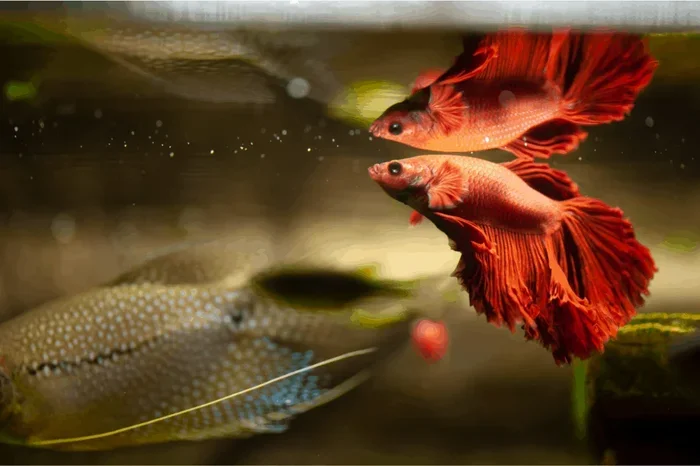
What Does a Betta Fish Eat for a Healthy Happy Life
Knowing what does a betta fish eat is the secret to a vibrant, long-lived pet. These colorful swimmers need a mix of high-protein pellets, frozen treats, and occasional live snacks to thrive. Feeding them the right diet prevents disease and brings out their stunning colors. Avoid overfeeding and choose quality foods designed for their specific needs.
Key Takeaways
- Primary Diet: High-quality betta pellets should make up the bulk of their daily meals.
- Protein Needs: As carnivores, they require protein-rich foods like bloodworms and brine shrimp.
- Feeding Frequency: Feed small portions once or twice a day to prevent obesity.
- Treats: Frozen or live foods serve as excellent occasional treats for variety.
- Avoid Overfeeding: Uneaten food pollutes the water and harms your fish health.
- Fasting: Skipping one meal a week helps their digestive system reset.
- Water Quality: Clean water is just as important as a proper diet for longevity.
📑 Table of Contents
Understanding What Does a Betta Fish Eat for Optimal Health
Owning a betta fish is a joyful experience. Their vibrant colors and flowing fins make them stunning pets. But keeping them healthy requires more than just a pretty tank. You need to understand their dietary needs deeply. Many new owners ask what does a betta fish eat to stay strong and active.
These fish are not like your average goldfish. They have specific requirements that must be met. Ignoring their diet can lead to serious health issues. Poor nutrition causes dull colors and lethargy. It can even shorten their lifespan significantly. We want your finned friend to live a long life.
In this guide, we will break down everything you need to know. We will cover the best foods and feeding schedules. You will learn about treats and common mistakes. By the end, you will feel confident in feeding your pet. Let us dive into the world of betta nutrition.
The Core Diet: High-Quality Pellets and Flakes
When you walk into a pet store, you see many options. It can feel overwhelming to choose the right one. The foundation of a good diet is high-quality pellets. These are formulated specifically for betta fish needs. They contain the right balance of protein and nutrients.
flakes are also an option, but they have downsides. They dissolve quickly in water. This can dirty your tank faster than pellets. Pellets sink slowly, allowing your fish to catch them easily. Always look for brands that list protein as the first ingredient. Protein is essential for muscle growth and energy.
Here are some tips for choosing the best pellets:
- Check the Label: Ensure whole fish or shrimp meal is listed first.
- Size Matters: Choose pellets small enough for your fish to swallow easily.
- Ingredients: Avoid fillers like corn or wheat that offer little nutrition.
Some owners wonder if they can use food meant for other fish. You might ask, do betta fish eat tropical fish food? While they might nibble on it, it is not ideal. Tropical fish food often lacks the high protein bettas need. It is better to stick with food made for them. This ensures they get the right vitamins every day.
Frozen and Live Foods for Variety
Pellets are great for daily meals, but variety is key. Just like humans, fish enjoy different textures and flavors. Frozen foods are an excellent choice for this. They are convenient and nutritious. You can keep them in your freezer until needed.
Live foods mimic what bettas eat in the wild. In their natural habitat, they hunt for insects and larvae. Offering live food triggers their natural hunting instincts. This provides mental stimulation as well as nutrition. However, live food carries a slight risk of parasites. Frozen options are safer while still offering great benefits.
Popular frozen and live options include:
- Bloodworms: A favorite treat rich in protein.
- Brine Shrimp: Great for conditioning fish before breeding.
- Daphnia: Helps with digestion and acts as a laxative.
Many people also wonder, do betta fish eat shrimp pellets? Yes, they often enjoy them. Shrimp-based foods are high in protein. Just ensure they are sized appropriately for your betta. Mixing these into their routine keeps mealtime exciting.
How Often and How Much to Feed Your Betta
Knowing what to feed is only half the battle. You also need to know how often to feed them. Overfeeding is a common mistake among new owners. It leads to bloating and dirty water. A good rule of thumb is to feed small amounts frequently.
Most experts suggest feeding adult bettas once or twice a day. Younger fish may need more frequent meals. Their stomachs are roughly the size of their eye. This is a small amount of food. It is easy to overestimate how much they need. Watch your fish during feeding time to gauge their appetite.
Here is a simple feeding schedule you can follow:
- Morning: Offer a small pinch of pellets.
- Evening: Provide a treat or a second small meal.
- Once a Week: Skip a meal to help digestion.
You might be asking, can betta fish eat once a day? Yes, once a day is perfectly fine for adults. Some owners prefer this to prevent overfeeding. The key is ensuring the meal is nutritious enough. Consistency is more important than frequency. Stick to a routine your fish can rely on.
Signs of Overfeeding and Underfeeding
Your fish will show you if their diet is off. Watch their behavior and physical appearance closely. An overfed betta may look swollen or bloated. They might stop swimming as much as usual. Uneaten food sitting at the bottom of the tank is another sign.
Underfeeding is less common but still possible. A hungry fish may become lethargic or lose color. They might also become aggressive during feeding time. Their ribs might become visible if they are too thin. Adjust portions based on what you observe daily.
Common signs to watch for include:
- Bloated Belly: Indicates too much food or constipation.
- Lethargy: Could mean illness or poor nutrition.
- Visible Spine: Suggests the fish is not getting enough food.
If you notice bloating, consider fasting your fish for a day. You can also feed them a cooked pea without the skin. This helps clear their digestive tract. Always monitor water quality when adjusting food amounts.
Safe Treats and Human Foods to Avoid
Sometimes you want to spoil your pet with a special snack. There are many safe treats available for bettas. Frozen bloodworms are a classic choice. They are rich in protein and easy to store. Live brine shrimp are another exciting option for them.
You might wonder about vegetables or human foods. Do betta fish eat peas? Yes, but only as a remedy for constipation. They are not a standard food source. Boil the pea, remove the skin, and mash it slightly. This should only be done occasionally, not daily.
There are many foods you should never give your betta. Some human foods are toxic or hard to digest. Bread is a common mistake owners make. It expands in the stomach and offers no nutrition. Dairy products are also harmful to fish health.
Foods to strictly avoid include:
- Bread or Crackers: They swell in the stomach and cause issues.
- Processed Meats: High salt and preservatives are dangerous.
- Citrus Fruits: The acidity can harm your fish.
- Dairy: Fish cannot digest lactose properly.
Some owners ask, do betta fish eat rice? It is not recommended. Rice lacks the necessary nutrients they need. It can also expand in their stomachs. Stick to foods designed for aquatic pets. This keeps your fish safe and healthy.
Do They Eat Plants or Tank Decorations?
Bettas are carnivores, so they do not eat plants for nutrition. However, they might nibble on soft leaves out of curiosity. Some owners worry about this damaging their aquascape. Generally, live plants are safe and beneficial for the tank. They help improve water quality by absorbing nitrates.
You might ask, do betta fish eat the roots of plants? Usually, they do not. They might rest on them or hide behind them. If you see them chewing on roots, it could be boredom. Ensure they have enough stimulation in their tank.
There are many questions about what else they might consume. For example, do betta fish eat their poop? They might investigate it, but they do not digest it. It is waste material and holds no nutritional value. You need to remove waste manually during water changes. Similarly, do betta fish eat their rocks? No, they do not eat stones. They might move them while exploring their environment.
Creating a Healthy Feeding Environment
Where you feed your fish matters just as much as what you feed. Bettas are surface feeders by nature. They have a special organ called a labyrinth organ. This allows them to breathe air from the surface. Feeding them at the top mimics their natural behavior.
Water quality is crucial for digestion and overall health. Dirty water causes stress and illness. Uneaten food decays and produces ammonia. This is toxic to fish even in small amounts. Always remove uneaten food after a few minutes. This keeps the tank clean and safe.
Consider these environmental factors for feeding:
- Tank Size: Ensure they have enough room to swim and hunt. Do betta fish like a lot of space? Yes, they thrive in larger tanks with stable temperatures.
- Filtration: Clean water is vital. Do betta fish have to be in a filtered tank? Yes, filtration helps maintain water quality between changes.
- Temperature: Cold water slows down their metabolism. Keep the water warm for proper digestion.
Some owners worry about tank mates affecting feeding. If you have other fish, ensure the betta gets enough food. Bettas can be aggressive during meal times. Do betta fish kill and eat other fish? They might attack fin-nippers or brightly colored fish. Keep an eye on interactions during feeding. Separate them if aggression becomes a problem.
Expert Insights on Betta Nutrition
Experienced aquarists emphasize variety in the diet. Feeding only one type of food can lead to deficiencies. Rotate between pellets, frozen bloodworms, and brine shrimp. This ensures they get a wide range of nutrients. It also keeps them interested in their meals.
Another expert tip is to observe your fish daily. Changes in appetite often signal health issues first. If your betta stops eating, check the water parameters. Stress from poor water quality is a common cause. Illness can also suppress their hunger.
Here is a quick comparison of food types:
| Food Type | Pros | Cons |
|---|---|---|
| Pellets | Nutrient dense, less mess | Can be hard if too large |
| Flakes | Easy to find, affordable | Dissolves quickly, messy |
| Frozen Bloodworms | High protein, tasty | Requires freezer storage |
| Live Brine Shrimp | Natural hunting, nutritious | Risk of parasites, harder to find |
Remember that every fish is unique. What works for one betta might not work for another. Pay attention to how your fish reacts to different foods. Adjust their diet based on their health and activity levels.
Common Mistakes to Avoid When Feeding
Even well-meaning owners make mistakes. Avoiding these pitfalls helps your fish live longer. The most common error is overfeeding. It is tempting to give them more because they look hungry. But their stomachs are very small.
Another mistake is using the wrong type of food. Goldfish food is too low in protein. It does not meet the carnivorous needs of a betta. Stick to foods labeled specifically for bettas or carnivorous fish. This ensures they get the right balance of vitamins.
Here are more mistakes to watch out for:
- Ignoring Water Quality: Dirty water leads to poor health regardless of diet.
- Feeding Inconsistently: Regular schedules help regulate their metabolism.
- Skipping Fasting Days: A weekly fast helps prevent constipation.
- Using Old Food: Expired food loses nutritional value and can spoil.
Some owners worry about their fish eating things they shouldn’t. Do betta fish eat there tails? Sometimes they nip their own fins due to stress. This is not eating for food but rather a behavioral issue. Ensure their environment is calm and clean. Do betta fish eat themselves? No, but stress can cause self-harm behaviors. Reduce stressors to prevent this.
You might also wonder about their biology. Do betta fish have a skeleton? They have bones, but their structure is different from mammals. They do not have a heavy skeleton like land animals. This makes them lightweight and agile swimmers. Understanding their biology helps you respect their physical needs.
Conclusion
Feeding your betta fish correctly is one of the best ways to show you care. By understanding what does a betta fish eat, you ensure they stay vibrant and active. A diet rich in protein, combined with variety, supports their growth. Avoid overfeeding and keep their water clean for the best results.
Remember to offer high-quality pellets as a staple. Use frozen or live treats to add excitement to their week. Watch for signs of overfeeding or illness closely. With the right care, your betta can live a long and happy life. Enjoy watching your beautiful fish thrive in their healthy home.
Frequently Asked Questions
What is the best food for a betta fish?
The best food is high-quality pellets made specifically for bettas. These provide the right balance of protein and nutrients they need daily. You can supplement this with frozen treats like bloodworms occasionally.
Can I feed my betta fish once a day?
Yes, feeding an adult betta once a day is generally sufficient. Some owners prefer twice a day with very small portions. Ensure the portion size is small enough for their tiny stomach.
Do betta fish eat vegetables?
Bettas are carnivores and do not need vegetables in their diet. They can eat boiled peas occasionally to help with digestion issues. Avoid feeding them leafy greens or other plant matter regularly.
How do I know if I am overfeeding my betta?
Signs include a swollen belly, lethargy, and uneaten food floating in the tank. You should remove any food left after a few minutes. Adjust portion sizes if you notice these symptoms.
Can betta fish eat live insects?
Yes, live insects like fruit flies or mosquito larvae are excellent treats. They mimic the natural diet of bettas in the wild. Just ensure the insects are free from pesticides or chemicals.
Why is my betta fish not eating?
Loss of appetite can be caused by stress, poor water quality, or illness. Check your tank parameters and ensure the water temperature is warm enough. If the problem persists, consult a vet or experienced aquarist.