Is It Better to Fish at High or Low Tide for More Fish
Is it better to fish at high or low tide? The answer depends on your target species, location, and how water movement affects bait behavior. Most anglers find that moving tides trigger feeding activity, but the exact timing matters more than the tide level alone. Understanding how currents shift, where fish hold, and when baitfish concentrate will help you plan smarter trips and land more fish.
If you have ever stood on a dock or walked a shoreline and wondered when to cast, you are not alone. Many anglers ask the same question before every trip: is it better to fish at high or low tide for more fish? The short answer is that neither extreme is always best. What matters most is how the water moves, where the bait goes, and how your target species reacts to those changes.
Tides shift the entire underwater picture. They change depth, current speed, water temperature, and the way food drifts through an area. When you understand those changes, you can pick the right spot and the right time. That simple shift in planning often makes the difference between a slow day and a great one.
In this guide, we will break down how tides affect fish behavior, which stages tend to work best, and how to adjust your strategy for different places. You will also find practical tips, common mistakes to avoid, and a few quick answers to frequent questions. Let’s get into it.
Key Takeaways
- Tide movement drives feeding: Fish respond to current changes, so the transition between high and low tide often produces the best bites.
- Location changes everything: Bays, estuaries, rocky shores, and open beaches each react differently to tidal shifts.
- Moving water beats still water: Slack periods usually slow down activity, while incoming and outgoing flows push bait and trigger strikes.
- Match your approach to the tide: Use different lures, depths, and spots depending on whether the water is rising or falling.
- Time of day still matters: Early morning and late evening often combine well with favorable tides for stronger feeding windows.
- Watch local patterns: Tide charts, moon phases, and recent weather help you predict when fish will be most active.
- Test and adjust: Keep notes on what works at your favorite spots during different tide stages to build a reliable routine.
📑 Table of Contents
Understanding How Tides Affect Fishing
Tides are the rise and fall of water caused by the pull of the moon and sun. That movement creates current, and current is what gets fish feeding. When water moves, it carries food. It also changes where fish feel comfortable holding. That is why tide timing matters so much.
Why Water Movement Matters
Moving water stirs up crabs, shrimp, worms, and small baitfish. It also pushes that food into predictable places like points, channels, and edges. Predatory fish follow the food. They use the current to save energy while waiting for a meal to drift by. When the water stops moving, feeding often slows down too.
A strong tide does not always mean better fishing. Very fast water can make it hard to present bait naturally. Very weak water can leave fish inactive. The sweet spot is usually a steady, moderate flow that carries bait without making casting and retrieval difficult.
High Tide vs Low Tide Basics
High tide brings water closer to shore and covers more structure. That can open up new feeding areas, especially in shallow bays and around rocks. Low tide pulls water back and exposes channels, holes, and drops where fish may hold. Each stage has value, but the best bites often happen when the water is changing.
Think of it this way:
- Incoming tide: Water rises and pushes bait toward shore and into shallows.
- Outgoing tide: Water falls and pulls bait out through channels and cuts.
- Slack tide: Current slows near peak high or low, and activity often drops.
The exact pattern depends on your spot. A grassy flat, a rocky point, and a deep estuary channel will all respond differently. That is why local knowledge matters so much.
Is It Better to Fish at High or Low Tide?
This is the big question, and the honest answer is that both can work when you use them the right way. The better choice depends on where you fish, what you target, and how the water behaves at that location. Instead of chasing a single best tide, focus on the moving water around high and low points.
When High Tide Can Be Better
High tide is often great when you want to reach new water. As the tide rises, fish can move into shallows, around mangroves, over grass beds, and along sandy banks. That expansion gives you more places to cast. It also helps if you are fishing structure that only becomes useful when covered.
High tide can be especially useful when:
- You are fishing tight to shore or around shoreline cover.
- Your target species likes shallow water during certain parts of the day.
- Bait gets pushed into pockets, coves, and protected areas.
- You want to present topwater or shallow lures with good coverage.
One thing to watch is that high tide can spread fish out. When water covers a lot of area, fish may scatter. That means you may need to cover more ground to find the active ones.
When Low Tide Can Be Better
Low tide is useful when fish gather in deeper channels, cuts, and holes. As water pulls away, bait often gets funneled into narrower paths. Predators know this and wait in the drop-offs. If you can find the right depth and current line, low tide can produce strong bites.
Low tide often works well when:
- You are fishing estuaries, rivers, and tidal creeks with clear channels.
- Bait is concentrated in deeper water or around drain points.
- You want to target holding spots where fish wait for food.
- You can safely access rocky areas, oyster bars, or exposed structure.
The challenge with low tide is access and coverage. Some good spots may become unreachable, and fish may be more concentrated, which is good if you find them and bad if you miss the right area.
The Moving Tide Advantage
Many experienced anglers pay the most attention to the change itself. The incoming and outgoing periods often create the most active feeding windows. During these times, current moves bait, fish position themselves strategically, and your presentation can look natural in the flow.
If you want a simple rule, try this: fish the first part of the incoming tide and the last part of the outgoing tide. Those transitions often line up with increased movement and better feeding. The exact timing will vary, but the idea holds true in many places.
Best Tide Stages for Different Fishing Locations
Not all waters work the same way. A tidal bay, a rocky coast, and a river mouth each have their own rhythm. Matching your tide choice to the place you fish will improve your results a lot.
Bays and Estuaries
In bays and estuaries, water moves in and out through channels and shallow flats. Fish often follow that movement to feed. Incoming tides can push bait into shallow grass and marsh edges. Outgoing tides can pull bait through cuts and drains where predators wait.
Good spots to try in bays and estuaries include:
- Channel edges where deep water meets shallow flats.
- Points that stick out into the flow.
- Creek mouths and drainage cuts.
- Edges of grass beds and oyster bars.
Beaches and Surf Zones
On open beaches, tides change where the wave energy breaks and where bait gets carried. Higher water can bring fish closer to shore and over sandbars. Lower water may concentrate activity near deeper troughs and cuts. Surf fishing often improves when tide movement helps push bait around those features.
Look for:
- Sandbars and the deeper holes beside them.
- Waves breaking over structure or uneven bottom.
- Areas where currents meet and create rips.
- Places where bait schools are visible or birds are working.
Rocky Shores and Piers
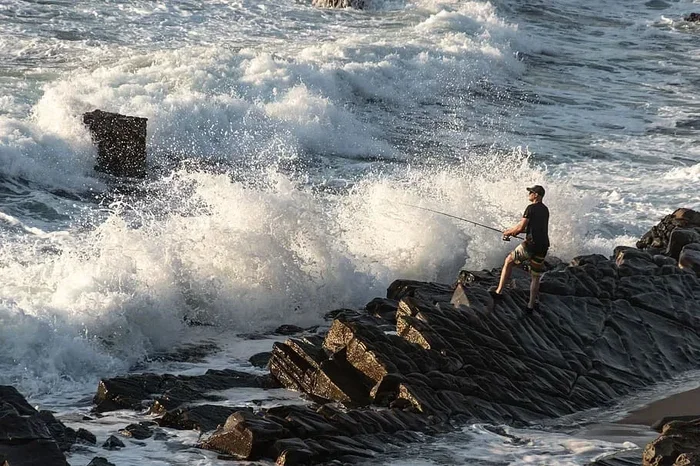
Rocky areas and piers give fish cover and current breaks. Tide flow around rocks creates eddies and seams where bait can collect. Higher water may let fish move closer to shore-side structure. Lower water may expose deeper pockets where fish hold. Either way, current seams are worth targeting.
Try casting near:
- Rock edges and drop-offs.
- Pillars, pilings, and other vertical structure.
- Current lines where fast water meets slower water.
- Shadows and covered spots where bait can hide.
How to Choose the Right Tide for Target Species
Different fish use tides in different ways. Some species love moving water. Others prefer calmer periods. Some chase bait into shallows, while others hold deep and wait. Knowing your target helps you pick the right tide stage.
Species That Like Moving Water
Many predators feed aggressively when current is present. They use the flow to ambush bait and conserve energy. If you are chasing active hunters, plan around the moving tide rather than the still tide.
These species often respond well to current changes:
- Species that feed on drifting bait and small crustaceans.
- Predators that patrol channel edges and current seams.
- Fish that follow bait pushed by incoming or outgoing flow.
Species That Prefer Calmer Periods
Some fish are more comfortable when water is steady or slow. They may still feed during tides, but they can be less active when the flow gets too strong. In those cases, the periods just before or after peak current may work better.
Watch for:
- Fish holding tight to cover during heavy flow.
- Feeding that picks up when current eases.
- Better success with slower presentations in calm water.
Matching Depth and Current to the Species
Depth matters as much as tide stage. A shallow flat may hold fish only during higher water. A deep channel may hold fish during lower water. Current speed also changes how fish react. If the water moves too fast, some species will slow down. If it moves just enough, they may feed hard.
A simple approach is to match your target to the water it uses most. If your species likes shallow feeding, focus on rising water. If it likes deep holding areas, focus on falling water or the channels that stay productive all tide long.
Tide Timing Tips for Better Catch Rates
Good tide fishing is part timing and part presentation. You can improve your results by planning around the flow and adjusting how you fish. Here are practical ways to make the most of each tide.
Plan Around the Change, Not Just the Peak
Peak high and peak low are not always the best times. The movement before and after those points often creates the best action. If you can be on the water as the tide starts moving, you may catch the start of the feed. If you stay through the shift, you can follow the fish as they change position.
Use Current to Your Advantage
Current can help or hurt your presentation. In stronger flow, use heavier sinkers, deeper presentations, or lures that stay steady in the water. In lighter flow, you can fish more slowly and keep your bait in the strike zone longer. The goal is to keep your offering natural and reachable.
Focus on Transition Areas
Fish often sit where different water types meet. That includes edges where deep meets shallow, where fast current meets slow current, and where clean water meets stained water. These transition areas are often the most productive places to cast during moving tides.
Keep an Eye on Bait and Birds
Bait movement is one of the best signs of where fish may be. If you see bait jumping, birds working, or water breaking in a specific spot, that area may be holding predators. Tides can stack bait in one place, and predators will follow.
Adjust Your Retrieve and Depth
When the tide is strong, a faster retrieve or deeper presentation may work better. When the tide slows, a slower approach can trigger more bites. Small changes in speed, depth, and lure choice can make a big difference.
Common Mistakes When Fishing Tides
Even experienced anglers can miss opportunities if they misread the tide. Avoiding a few common mistakes will help you spend more time fishing the right water.
Fishing Only the High or Only the Low
Some anglers show up only for high tide or only for low tide and miss the better moving periods. Instead of locking into one stage, plan for the full cycle. The transitions often matter more than the peak itself.
Ignoring Local Conditions
Tide charts give you a starting point, but local wind, weather, and bottom shape can change how the water behaves. A strong wind can push water one way or flatten current. A recent storm can shift sand and alter channels. Always adjust for what you see on the water.
Staying in One Spot Too Long
If the tide changes and the bite slows, the fish may have moved. Staying in one place for too long can waste valuable time. Be ready to shift depth, move to a new edge, or try a different current line.
Using the Wrong Presentation for the Flow
A lure that works in calm water may not work in moving water. If current is strong, your bait may need more weight or a different shape to stay in the zone. If current is weak, a slower and more delicate presentation may be better.
Overlooking Safety and Access
Tides change more than fish behavior. They also change access, footing, and water depth. Low tide can expose sharp structure or leave you stranded in the wrong place. High tide can cover hazards and change how waves break. Always plan for safe entry and exit before you cast.
Expert Insights and Quick Tips
Here are a few field-tested ideas that can help you make tide fishing more consistent.
- Arrive early: Get on the water before the tide starts moving so you can watch the change unfold.
- Start with edges: Cast to channel edges, points, and current seams first.
- Follow the bait: Where bait gathers, predators usually follow.
- Try both directions: If one tide stage is slow, test the opposite flow before leaving.
- Keep a simple log: Note the tide stage, spot, depth, and what worked. Patterns show up fast.
- Watch the moon: Stronger spring tides often create more current, while weaker neap tides can mean slower water.
- Stay flexible: Wind, weather, and barometric changes can shift fish behavior even on a good tide.
If you want one practical habit, make it this: learn how your local spot behaves during each tide stage. The same beach or bay can fish very differently from one tide to the next. Once you know those patterns, you will spend less time guessing and more time catching.
Conclusion
So, is it better to fish at high or low tide? The best answer is that moving water usually matters more than the exact tide level. High tide can open up shallow feeding areas and help you reach new structure. Low tide can concentrate bait and point you toward deeper holding spots. In many places, the incoming and outgoing periods offer the strongest feeding windows because current pushes food and triggers strikes.
The smartest approach is to match the tide to your location, your target species, and the way the water moves there. Watch the current, follow the bait, and adjust your presentation as the tide changes. When you do that, you will not just ask whether high or low tide is better. You will know which tide stage gives you the best chance at more fish on your next trip.
Frequently Asked Questions
Is it better to fish at high or low tide for beginners?
For beginners, the moving tide is usually more helpful than choosing only high or low tide. Incoming and outgoing periods often push bait and create better feeding chances. Start by fishing edges and current lines, then adjust as you learn how your local spot behaves.
What tide stage produces the most fish?
The strongest bites often happen when the tide is changing, especially during the first part of the incoming tide and the last part of the outgoing tide. These stages move bait and get predators feeding. Peak high or low can still work, but current changes usually matter more.
Can you fish successfully during slack tide?
Yes, but slack tide is often slower because the current has dropped. Fish may still bite, especially if they are already in a feeding mood. During slack periods, try slower presentations and focus on spots where fish were already holding.
Do tides affect freshwater fishing too?
Tides mainly affect saltwater and brackish areas, but some connected rivers and estuaries can still show tidal influence. In those places, current and water level changes can affect fish movement. In purely freshwater lakes and ponds, tides are not a major factor.
How far in advance should I check the tide chart?
It helps to check the tide chart the day before and again on the morning of your trip. That way, you can plan around the best moving periods and adjust for weather or wind. Local conditions can change the schedule, so always compare the chart with what you see on the water.
Should I fish the same spot on every tide?
Not always. The best spot can change with the tide stage, current speed, and bait location. A place that works on an incoming tide may not be ideal on a falling tide. If the bite slows, try a different depth, edge, or current line before moving on.