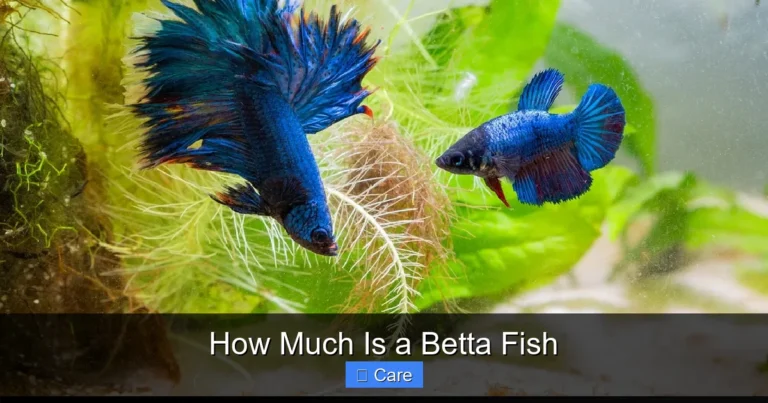
Do Betta Fish Get Excited to See You Signs Your Fish Knows
Do betta fish get excited to see you? Many owners notice their fish swimming to the front of the tank when they walk in. This behavior often shows that your betta recognizes you and feels comfortable in your presence. In this guide, you will learn the signs your betta fish knows you, how fish memory works, and simple ways to strengthen your bond. We will also cover tank setup, feeding routines, and what to avoid so your fish stays happy and healthy. By the end, you will know how to read your fish and enjoy a closer connection every day.
Key Takeaways
- Bettas can recognize their owners: They learn your face, voice, and routine over time.
- Signs of excitement include: Swimming to the front, flaring gently, and following your movements.
- Consistent routines build trust: Regular feeding and calm interactions help your fish feel secure.
- Tank setup matters: Clean water, good temperature, and hiding spots reduce stress.
- Not all movements mean excitement: Some behaviors show stress, hunger, or curiosity instead.
- Patience is key: Bonding takes time, especially with new fish or shy individuals.
- Watch your fish closely: Small changes in behavior tell you how your betta feels.
📑 Table of Contents
- Do Betta Fish Get Excited to See You?
- How Betta Fish Recognize Their Owners
- Clear Signs Your Betta Fish Knows You
- Do Betta Fish Get Excited or Just Hungry?
- How to Encourage a Strong Bond With Your Betta
- Common Misunderstandings About Betta Excitement
- Tank Conditions That Support Happy Behavior
- When Your Betta Seems Shy or Distant
- Key Signs to Watch Every Day
- Final Thoughts on Betta Recognition
Do Betta Fish Get Excited to See You?
Do betta fish get excited to see you? Many people ask this question when their fish swims to the glass as they walk by. The short answer is yes, bettas can show excitement, and they often recognize their owners. These fish are smarter than many people think. They notice patterns, remember routines, and respond to familiar faces.
This behavior usually means your fish feels safe and interested. It may also mean your betta expects food or simply enjoys your presence. Either way, it is a good sign. A happy betta will often show curiosity instead of hiding all day. When you understand these signs, you can build a better relationship with your fish.
In this article, we will look at how betta fish recognize people, what excitement looks like, and how to encourage positive behavior. We will also cover common mistakes and simple ways to keep your fish calm and engaged. If you want a fish that seems to greet you, the right care and routine make a big difference.
How Betta Fish Recognize Their Owners
Bettas have good eyesight and can learn to identify shapes and colors. They notice the person who feeds them most often. Over time, they connect that person with safety and food. This is why your fish may swim forward when you approach the tank.
They also notice movement and routine. If you visit at the same time each day, your betta will expect you. Some owners even notice their fish reacting to their voice or footsteps. These small details help your fish learn who you are.
Vision and Memory in Bettas
Bettas see well in clear water. They can detect motion and contrast. This helps them notice you walking nearby. They also remember patterns for weeks or longer. That memory helps them link you with good experiences, like feeding time or gentle interaction.
This does not mean your fish thinks like a dog or cat. Still, bettas show learning and recognition. They can tell the difference between familiar people and strangers. They may act more boldly with the person they trust.
Why Routine Matters
A steady routine helps your fish feel secure. Feed at similar times. Keep lighting and cleaning on a schedule. Move around the tank in a calm way. These habits help your betta predict what happens next. Predictability lowers stress and builds comfort.
If you change your routine too often, your fish may become cautious. That can make it harder to see excitement. A stable environment gives your betta a chance to relax and respond naturally.
Clear Signs Your Betta Fish Knows You
You can spot recognition in a few simple ways. Your betta may swim to the front of the tank when you approach. It may follow your hand or face the glass. Some bettas flare a little when they see a familiar person, which can be a sign of interest rather than anger.
Another clue is confidence. A fish that knows you may explore more openly. It may not hide as much when you are near. It may also show more color and activity during your visits. These small changes suggest your fish feels safe with you.
Swimming to the Front of the Tank
This is one of the most common signs. Your betta moves toward the glass as you come close. It may pause and watch you. This behavior often means your fish notices you and wants to check what you are doing. It can also mean your fish expects food, so timing matters.
If your fish does this every day at feeding time, it may be linking you with meals. That is still recognition. The key is to watch for calm, alert movement rather than frantic darting. Calm anticipation is a positive sign.
Following Your Movements
Some bettas track motion outside the tank. They turn their heads or swim side to side as you move. This shows attention. Your fish is watching and reacting to your presence. It is a simple but clear sign that your betta notices you.
This behavior works best when the tank is not too crowded or stressful. A quiet room and a clean setup help your fish focus. If your betta follows you often, it may be enjoying the interaction.
Do Betta Fish Get Excited or Just Hungry?
This is a smart question. Sometimes a betta swims to the front because it is hungry, not because it is excited. The two can look similar. The difference is in the details. Hunger often comes with quick movement, repeated pacing, or searching the water column. Excitement is usually calmer and more observant.
You can tell the difference by changing your routine for a day or two. If your fish still swims to the front when you approach but you do not feed it right away, watch its reaction. A relaxed, curious response suggests recognition. A frantic, desperate response may point to hunger or a feeding routine that is too intense.
Reading Body Language
Body language tells you a lot. A happy betta usually holds its fins naturally and moves smoothly. It may glide toward the glass and then drift back. A stressed fish may hide, clamp its fins, or dart around. A hungry fish may search repeatedly and look less relaxed.
Color can also help. Bright, clear color often suggests comfort. Dull color or faded patches may show stress. Of course, color changes can happen for many reasons, so look at the whole picture. Movement, posture, and timing all matter.
Avoiding Overfeeding Cues
If your fish only reacts when it expects food, try varying your visits. Walk by the tank at different times without feeding. This helps your betta learn that your presence is not always about meals. Over time, you may see more genuine curiosity and less food-focused rushing.
Keep feeding amounts steady and appropriate. A betta that is overfed may still act eager, but that eagerness is driven by expectation, not excitement. Balanced feeding supports better behavior and better health.
How to Encourage a Strong Bond With Your Betta
You can build trust with simple habits. Start by keeping the tank clean and stable. A healthy fish is more likely to show curiosity. Next, spend time near the tank without making sudden moves. Let your fish get used to your face and voice.
Talk softly if you like. Some owners notice their fish respond to calm speech. You can also train small behaviors with patience. For example, you can teach your betta to swim through a hoop or follow a gentle target. If you want a step-by-step approach, you can read more about whether you can train a betta fish to do tricks. Training should always be gentle and short.
Best Practices for Interaction
- Move slowly near the tank. Sudden gestures can startle your fish.
- Keep a regular schedule. Regular feeding and care build familiarity.
- Offer treats occasionally. Variety can make feeding time engaging.
- Watch for stress signs. If your fish hides or looks tense, give it space.
- Keep the water clean. Good water quality supports calm behavior.
These habits help your betta feel safe. A safe fish is more likely to show interest. Over time, your fish may swim to the front more often and seem more alert when you arrive. That is a strong sign of recognition.
Using Enrichment in the Tank
A tank with variety gives your fish more to do. Add plants, smooth decorations, and open swimming space. A bare tank can feel boring and stressful. Enrichment encourages natural movement and exploration. If your fish seems bored, you may want to learn more about whether betta fish get bored in a tank.
Change decorations slowly if you do decide to rearrange the tank. Some fish react to changes in their space. If you want to know how your betta may respond to new items, you can read about whether betta fish get mad when you change their decorations. Small, gradual changes usually work best.
Common Misunderstandings About Betta Excitement
People often misread fish behavior. A betta that swims fast may not be happy. A betta that hides may not be angry. Fish behavior is subtle, and context matters. It helps to look at the whole day, not just one moment.
Stress is a big factor. Poor water quality, loud noise, strong light, or too much traffic can make a fish nervous. A nervous fish may still swim to the glass, but in a tense way. That is not the same as excitement. If you wonder whether stress is affecting your fish, you can explore whether betta fish get stressed and what that looks like.
Signs That Are Not Excitement
- Pacing or frantic swimming: This can show stress or overstimulation.
- Hiding all day: This may mean fear, illness, or a tank that feels unsafe.
- Clamped fins: This often suggests discomfort or poor water conditions.
- Gasping at the surface often: This can indicate water quality issues or low oxygen.
- Loss of color or appetite: These changes deserve close attention.
If you see these signs, check your tank first. Test the water, review your temperature, and make sure the filter is working well. If you are unsure whether filtration is necessary, you can learn more about whether betta fish have to be in a filtered tank. Good basics make behavior easier to read.
When Excitement Looks Like Aggression
Bettas can flare their gills or spread their fins when they see movement. This can look intense, but it is not always anger. Sometimes it is a reaction to motion or a display of alertness. The key is to watch the rest of the body. Relaxed fins and calm swimming suggest curiosity. Rigid posture and repeated attacks suggest agitation.
If your fish seems upset by your presence, step back and give it space. Reduce noise and movement around the tank. Over time, your fish may settle down and show more relaxed interest.
Tank Conditions That Support Happy Behavior
A calm fish is easier to bond with. Start with stable water. Keep the temperature in a healthy range and avoid big swings. Make sure the tank is sized well for your fish. A cramped space can increase stress and limit natural movement.
Lighting matters too. Too much brightness can overwhelm a betta. Too little light can make the tank feel unsafe. A balanced day and night cycle helps your fish rest and stay active at the right times. If you have ever wondered whether bettas sleep, you can read more about whether betta fish go to sleep and how rest works for them.
Water Quality and Comfort
Clean water supports clear behavior. Dirty water can make a fish sluggish or irritable. Regular partial water changes help keep conditions steady. If you are unsure how often to change water, you can check whether betta fish have to have water changes and plan a routine that fits your setup.
Water type also matters. Some tap water needs treatment before it is safe for fish. If you want to know whether your fish needs special water, you can read whether betta fish have to have special water. The right water helps your fish stay comfortable and active.
Air and Breathing Needs
Bettas are known for coming to the surface. They do need access to air. If you want to understand this better, you can explore whether betta fish have to come up for air and whether betta fish have to breathe air. A tank with good surface access and proper conditions supports healthy breathing.
If your fish seems to gasp a lot or stays at the top constantly, check the water quality and temperature. Those signs can mean your fish is uncomfortable, not just breathing normally.
When Your Betta Seems Shy or Distant
Not every betta greets its owner right away. Some fish are cautious by nature. Others need time to adjust to a new home. If your fish stays hidden, do not force interaction. Let it settle in and watch from a distance.
You can help a shy fish by reducing disturbances. Keep the tank in a quieter spot if possible. Avoid tapping the glass. Feed at consistent times and stay visible in a calm way. Slowly, many shy bettas become more confident.
Building Trust Over Time
Trust grows through repetition. Your fish learns that you are not a threat. It learns that you bring food and steady care. This can take days or weeks. Be patient. A fish that starts out shy can still become responsive and alert.
If your fish seems lonely or bored, look at the whole setup. Some bettas do better with more enrichment or a more stable routine. If you want to understand whether bettas can feel lonely, you can read whether betta fish get lonely. Even if they do not need tank mates, they can still benefit from a stimulating environment.
Key Signs to Watch Every Day
Daily observation helps you learn your fish. Look for steady swimming, normal appetite, and clear eyes. Notice how your betta reacts when you approach. Does it glide to the glass? Does it follow your hand? Does it seem relaxed? These details tell you a lot.
Keep notes if you like. Write down feeding times, behavior changes, and anything unusual. This makes it easier to spot patterns. If your fish changes behavior suddenly, you will have a better idea of what happened.
Quick Tips for Reading Your Fish
- Watch the fins. Smooth fins usually suggest comfort.
- Watch the eyes. Alert but calm eyes suggest interest.
- Watch the pace. Gentle movement is better than frantic darting.
- Watch the schedule. Predictable routines help your fish feel secure.
- Watch the water. Clean, stable water supports better behavior.
These small checks help you understand your betta more deeply. Over time, you will notice what is normal for your fish. That makes it easier to spot excitement, stress, or changes in health.
Final Thoughts on Betta Recognition
So, do betta fish get excited to see you? They can. Many bettas learn to recognize their owners and show interest in familiar faces. They may swim to the front, follow movement, or seem more alert when you arrive. That does not mean they feel excitement exactly like a mammal does, but they do show clear signs of recognition and comfort.
The best way to encourage this behavior is to create a stable, clean, and calm environment. Keep a steady routine. Move gently. Feed appropriately. Give your fish time to adjust. If you do these things, your betta is more likely to respond in positive ways.
Pay attention to the whole picture. Excitement is easier to see when your fish is healthy and relaxed. Stress, hunger, and poor water quality can blur the signs. When you read your fish carefully, you will understand its behavior much better. That understanding makes caring for your betta more rewarding.
If you want to keep learning about betta behavior, you can explore more topics like whether betta fish get excited, whether betta fish get mad at you, and whether betta fish get scared. Each topic adds another piece to the picture. The more you observe, the better your bond can become.
Frequently Asked Questions
Do betta fish really recognize their owners?
Yes, bettas can learn to recognize their owners over time. They often connect a familiar person with feeding, safety, and routine. This is why many bettas swim to the front of the tank when their owner approaches.
How do I know if my betta is excited or just hungry?
Excitement is usually calmer and more observant, while hunger often looks frantic or repetitive. If your fish follows you without rushing or pacing, it may be showing interest. If the behavior only happens right before feeding, hunger may be part of it.
Why does my betta swim to the glass when I walk by?
This often means your betta notices you and wants to check what you are doing. It can also mean your fish expects food or feels comfortable with your presence. Calm movement and regular routines make this behavior more likely.
Can betta fish get bored or lonely in a tank?
Bettas can become less active if their tank is bare or their routine is dull. They may not need tank mates, but they can still benefit from enrichment and stable care. A tank with plants, open space, and gentle interaction usually supports better behavior.
What should I do if my betta hides all the time?
Start by checking the water quality, temperature, and tank setup. Hiding can mean stress, illness, or a space that feels unsafe. Give your fish time, reduce disturbances, and make sure it has places to rest and explore.
Do betta fish need special care to feel comfortable with people?
They need clean water, stable temperature, and a calm environment. Gentle movement, regular feeding, and a predictable routine help them feel secure. A comfortable betta is more likely to show curiosity and recognition.