Do Betta Fish Live Easy in Small Areas Find Out Here
Do betta fish live easy in small areas? The short answer is no, not really. While bettas can survive in tight spaces, they do not thrive there. You will learn why tank size matters, how water quality changes in small volumes, and what your fish truly needs to stay healthy and active.
Many new fish keepers ask the same question: do betta fish live easy in small areas? It is a fair question. Pet stores often display these colorful fish in tiny cups or narrow bowls. That setup looks simple and cheap. It also seems convenient for beginners. But simple does not always mean healthy. In this guide, we will break down what really happens when a betta lives in a small space. You will learn how water quality, temperature, oxygen, and behavior all connect to tank size. By the end, you will know how to set up a home that keeps your fish calm, active, and vibrant.
Bettas are tough little fish. They can breathe air from the surface thanks to a special organ called the labyrinth. That trait helps them survive in low-oxygen water for short periods. Survival is not the same as thriving, though. A fish that merely survives may hide more, swim less, and show dull color. A fish that thrives explores, eats well, and displays bright fins. If you want the second outcome, you need to understand how space affects daily life underwater.
Key Takeaways
- Small bowls limit oxygen exchange: Tight spaces hold less dissolved oxygen, which stresses your betta over time.
- Water quality drops fast in tiny tanks: Ammonia and nitrites build up quickly, making frequent water changes essential.
- Temperature swings hurt bettas: Small volumes lose heat quickly, especially in unheated rooms.
- Bigger tanks reduce maintenance stress: A stable 5-gallon setup is easier to manage than constant bowl cleaning.
- Enrichment matters for behavior: Plants, hiding spots, and gentle flow keep bettas active and less stressed.
- Filtration helps but must be gentle: Strong currents tire bettas, so choose a low-flow filter or sponge option.
- Long-term health improves with space: More room supports better immunity, color, and natural swimming patterns.
📑 Table of Contents
- Do Betta Fish Live Easy in Small Areas Understanding the Reality
- Do Betta Fish Live Easy in Small Areas and Water Quality
- Do Betta Fish Live Easy in Small Areas and Behavior
- Do Betta Fish Live Easy in Small Areas Compared to Larger Tanks
- Do Betta Fish Live Easy in Small Areas and Common Care Mistakes
- Do Betta Fish Live Easy in Small Areas Final Thoughts
Do Betta Fish Live Easy in Small Areas Understanding the Reality
The honest answer is that bettas do not live easy in small areas for long. They may look fine for a week or two. After that, the limits of a tiny space start to show. Small volumes hold less water, which means waste builds up faster. That waste changes the chemistry of the water. It also reduces the comfort of the fish. A small area can work for a short trip or a temporary hospital setup. It is not ideal for everyday living.
Think of it like a tiny room with no window. You can stay there for a bit. You will not feel your best, though. Your betta feels the same way. Limited swimming room, unstable temperature, and quick water changes all add up. The good news is that you do not need a huge aquarium to see a big improvement. A modest upgrade often solves most of the stress.
Why Small Spaces Feel Easier at First
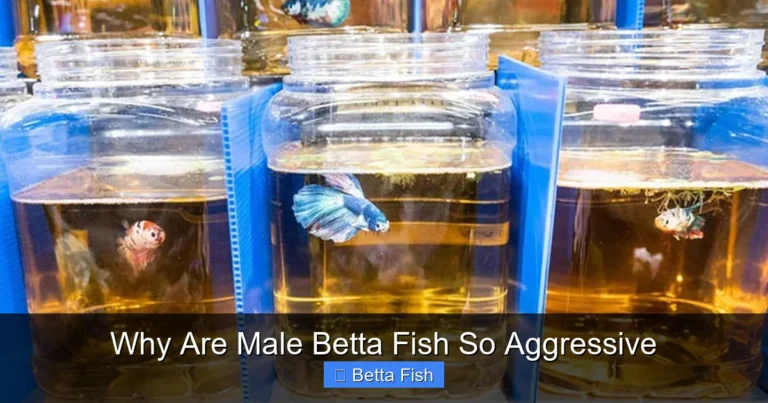
Small bowls and cups look simple. You fill them, drop in the fish, and done. There is no filter to buy. There is no heater to plug in. That simplicity is tempting. It also creates a false sense of ease. The setup is easy on day one. The upkeep becomes harder later. You will need to change water more often. You will need to watch the temperature closely. You will need to spot problems fast.
Another reason people choose small spaces is cost. A tiny bowl costs less upfront. That matters when you are on a budget. Still, the hidden costs show up in water conditioners, test kits, and more frequent cleaning supplies. A slightly larger tank often costs about the same over time, but it gives you a much more stable home.
What Stress Looks Like in a Betta
Stress is not always loud. Fish do not whine or pace like some pets. They show stress in subtle ways. You may notice your betta hiding near the bottom. You may see clamped fins that stick close to the body. You may notice less interest in food. Color can fade, especially in vibrant strains. These signs do not always mean disease. They often mean the environment is not comfortable.
If you want to understand how bettas behave in tight spaces, it helps to read about whether they get bored in a tank. Boredom and stress often overlap. A fish with nothing to do and nowhere to go may settle into a dull routine. That routine is not a good sign for long-term health.
Do Betta Fish Live Easy in Small Areas and Water Quality
Water quality is the biggest factor in small setups. Less water means waste has a bigger impact. Fish produce ammonia through their gills and waste. Ammonia is toxic. In a small bowl, ammonia can rise quickly between cleanings. That spike irritates the gills and stresses the whole body. Even low levels can cause damage over time.
Temperature also changes faster in small water volumes. A room that feels comfortable to you can still be too cool for a tropical fish. Bettas prefer steady warmth. When the water drifts down, their metabolism slows. They become less active and less interested in food. A small space makes it harder to keep things steady.
The Hidden Problem of Ammonia Spikes
Ammonia spikes are sneaky. You may not see them unless you test the water. Clear water is not always safe water. That is why many beginners get surprised when their fish suddenly looks sick. The problem was building for days. In a small area, the margin for error is thin. One skipped cleaning or one overfeeding session can push things too far.
If you are wondering whether bettas must live in filtered tanks, the answer depends on your routine. A filter helps move water through beneficial bacteria that break down waste. That process makes the tank more stable. Without a filter, you must replace old water more often to keep ammonia low. Both paths can work, but one is much easier to manage. You can learn more about whether bettas have to be in a filtered tank to decide what fits your lifestyle.
Temperature Stability in Tiny Volumes
Small water cools down faster than large water. That is simple physics. If your room gets chilly at night, a tiny bowl follows that drop. A betta stuck in cool water may become sluggish. It may also face more immune stress. Warm, steady water supports better digestion and better color. A small heater can help, but only if the container is large enough to hold heat. Very small bowls lose warmth too quickly for a heater to do much good.
Some keepers ask if bettas can live in unheated bowls. The short version is that it depends on your room. If your home stays warm and steady, a betta might cope. If temperatures swing, the fish pays the price. Unheated setups are riskier, not impossible. You can read more about whether bettas can live in an unheated bowl if you are considering that route.
Oxygen and Surface Area
Bettas can gulp air, which helps them in low-oxygen water. That does not mean they prefer it. Good surface movement helps gas exchange. In a tiny bowl with no flow, the surface can become stale. A gentle ripple improves oxygen levels and keeps the water fresher. Too much flow, though, tires a betta. The goal is calm movement, not a strong current.
If you are curious about unfiltered setups, you may want to explore whether bettas can live in unfiltered water. Some people manage it with very frequent changes. It takes commitment. A low-flow filter often makes the routine easier and the water more stable.
Do Betta Fish Live Easy in Small Areas and Behavior
Behavior tells you a lot about comfort. A relaxed betta swims around, investigates objects, and reacts to you. A stressed betta may stay in one corner. It may hide behind a plant or under a decoration. It may flare less or more than usual, depending on the situation. These changes are clues. They help you see whether the space feels right.
Small areas often limit natural behavior. Bettas like to patrol a territory. They like to explore the top, middle, and bottom of the water column. In a cramped space, those options shrink. The fish may feel boxed in. That feeling can lead to more hiding and less activity. If you notice your betta spending a lot of time in rocks or decorations, you may want to read about whether bettas hide in rocks to understand what normal hiding looks like.
Activity Levels and Swimming Space
More space usually means more natural movement. That does not mean you need a giant tank. It means the fish should have room to turn, glide, and explore. A wider surface area helps too. Bettas spend time near the top because they breathe air. A long tank often works better than a tall, narrow one. Length gives the fish more horizontal room to move.
Some people assume bigger tanks overwhelm small fish. In reality, many bettas do well in larger setups when the environment is calm. If you are wondering whether bettas do well in big tanks, the answer is often yes, as long as the tank is not overstocked and the flow is gentle. A spacious tank can actually make life easier for the fish. You can check out whether bettas do well in big tanks for a deeper look.
Enrichment Makes a Big Difference
Enrichment means giving your fish things to interact with. Live or silk plants offer soft places to rest. Smooth decorations provide visual breaks. A quiet bubble stream or gentle filter flow adds interest without stress. Even rearranging a plant now and then can spark curiosity. These small changes matter because they break up the monotony of a tiny space.
If you are thinking about decorations, you may also wonder whether bettas dig in rocks. Some do sift through substrate or nudge objects. That behavior is normal for many fish. The key is to use smooth, safe materials that will not tear fins. Sharp plastic can cause injury, so choose carefully.
Do Betta Fish Live Easy in Small Areas Compared to Larger Tanks
Let’s compare the two setups side by side. A small bowl is easy to buy and easy to place. A larger tank takes more room and more initial setup. But the larger tank usually wins on stability. It holds temperature better. It dilutes waste better. It gives the fish more room to behave naturally. That means fewer emergencies and less daily worry.
The tradeoff is simple. Small setups save space and money at the start. Larger setups save time and stress later. If your goal is a fish that looks healthy and acts lively, the larger setup is usually the better bargain. If your goal is a temporary holding spot, a small container can work for a short time. Just do not treat it as a forever home.
Quick Comparison Table
Here is a simple comparison to help you decide:
- Small bowl or cup: Low upfront cost, limited stability, frequent water changes, faster temperature swings, less swimming room.
- 5-gallon tank with gentle filter: Moderate upfront cost, better stability, easier routine care, steadier temperature, more natural behavior.
- Larger planted tank: Higher initial effort, excellent stability, more enrichment options, better long-term health, more space for activity.
The right choice depends on your goals. If you want the easiest path to a healthy fish, a modest tank with a gentle filter is a strong middle ground. It is not too big, and it is much more forgiving than a tiny bowl.
When a Small Setup Can Work Temporarily
There are times when a small area makes sense. Transport is one example. A temporary hospital setup is another. If you are isolating a sick fish, a smaller container can make medication and observation easier. Short-term use is fine. Long-term use is where problems start. Just remember that temporary means days or a couple of weeks, not months.
If you ever need to move your betta into tap water for a brief period, be careful. Chlorine and chloramines can harm fish. A conditioner is essential. Some keepers ask whether bettas can live in tap water for one day. The answer is that untreated tap water is risky, even for a short time. If you must use tap water, treat it first. You can read more about whether bettas can live in tap water for one day before you make that choice.
Do Betta Fish Live Easy in Small Areas and Common Care Mistakes
Several common mistakes make small setups harder than they need to be. The first is overfeeding. Extra food turns into extra waste. In a small volume, that waste spikes ammonia faster. Feed small portions and remove uneaten bits. The second mistake is skipping water tests. Clear water can still be unsafe. A simple test kit tells you what your eyes cannot see.
The third mistake is using sharp decor. Bettas have flowing fins that tear easily. Rough plastic plants and jagged ornaments can cause nicks and fraying. If you are worried about fin damage, it helps to understand whether bettas feel pain in their fins. Fin injuries are uncomfortable and can lead to infection if the water is poor. Smooth materials are safer.
Quick Tips for Healthier Water
Use these simple habits to keep water steadier:
- Change a portion of the water regularly instead of waiting for problems.
- Vacuum the substrate gently to remove leftover food and waste.
- Match new water to the tank temperature before adding it.
- Use a water conditioner if your source contains chlorine or chloramines.
- Test ammonia, nitrite, and nitrate when you are learning the routine.
These habits are useful in any tank size. They matter even more in small volumes because the margin for error is smaller. Consistency beats perfection. A steady routine keeps your fish calmer than occasional deep cleanups.
Choosing the Right Tank Shape
Shape matters more than many people think. A wide tank gives more surface area for gas exchange. It also gives the betta more horizontal room. A tall, narrow container may look nice on a shelf, but it does not offer the same benefits. If you are choosing between options, prioritize length and surface area over height. Your fish will use the space more naturally.
If you are wondering whether bettas can stay in small volumes of water, the answer is that they can for a while, but it is not ideal. They need enough room for stable conditions and normal movement. A small volume can work for a short period, but it is not the easiest path for long-term care. You can explore whether bettas can stay in small volumes of water if you want to compare the tradeoffs in more detail.
Do Betta Fish Live Easy in Small Areas Final Thoughts
So, do betta fish live easy in small areas? Not really. They can survive there, but survival is not the same as comfort. Small spaces make water quality harder to manage, temperature less stable, and behavior more limited. A modest upgrade to a larger tank with gentle filtration and a warm, steady environment makes a big difference. It reduces stress, supports better color, and gives your fish room to act like a fish.
If you are starting out, do not feel pressured to buy the biggest tank on the shelf. Start with something stable and manageable. Focus on clean water, gentle flow, safe decorations, and regular care. Those basics matter more than fancy gear. Once you see your betta explore and relax, you will understand why space and stability are worth the effort.
Frequently Asked Questions
Do betta fish live easy in small areas?
Not really. Small areas can work for a short time, but they make water quality and temperature harder to manage. A larger, stable tank is usually easier on the fish.
Can betta fish live in small bowls?
They can survive in small bowls, but bowls often create unstable water and temperature conditions. A filtered tank with more water volume is generally a healthier long-term choice.
Do betta fish need a filter?
A filter is not always mandatory, but it helps a lot. It keeps water moving and supports beneficial bacteria that break down waste. Without a filter, you need more frequent water changes.
How often should I change water in a small tank?
In a small setup, partial water changes are usually needed more often than in a larger tank. Test the water regularly so you can catch problems before they get serious.
What temperature do betta fish prefer?
Bettas prefer warm, steady water. Sudden cool drops can make them sluggish and stressed. A stable temperature supports better appetite and overall health.
Can betta fish live with other fish in a small tank?
Small tanks are usually not ideal for tank mates because space and water quality become harder to manage. If you want company for your betta, a larger, well-planned setup is safer.