Can I Feed My Betta Fish Shrimp
Yes, you can absolutely feed your betta fish shrimp! Shrimp is a fantastic, protein-rich treat that closely mimics what bettas eat in the wild. Whether you choose freeze-dried, frozen, or live shrimp, it can be a wonderful addition to your betta’s diet when fed in moderation alongside high-quality pellets.
Key Takeaways
- Shrimp is a natural food source: In the wild, bettas eat small crustaceans like shrimp, making it a biologically appropriate and nutritious treat.
- Brine shrimp is the top choice: Brine shrimp (Artemia) is the most popular and recommended type of shrimp for betta fish due to its high protein content and digestibility.
- Variety is key to health: Shrimp should be a supplement, not a staple. A balanced diet of high-quality betta pellets with occasional shrimp treats is ideal.
- Preparation matters: Always thaw frozen shrimp and rehydrate freeze-dried shrimp before feeding to prevent digestive issues like bloating.
- Portion control is critical: Feed only 2-3 small pieces of shrimp per serving, no more than 1-2 times per week, to avoid overfeeding.
- Live shrimp offer enrichment: Live shrimp can stimulate your betta’s natural hunting instincts, providing mental and physical exercise.
- Watch for allergies or sensitivities: Some bettas may not tolerate shrimp well. Introduce it slowly and monitor your fish for any adverse reactions.
📑 Table of Contents
- Can I Feed My Betta Fish Shrimp? The Complete Guide
- Why Shrimp is a Great Treat for Your Betta
- What Types of Shrimp Can You Feed Your Betta?
- How to Prepare and Feed Shrimp to Your Betta
- The Benefits of Feeding Shrimp to Your Betta
- Potential Risks and How to Avoid Them
- Shrimp vs. Other Common Betta Treats
- Frequently Asked Questions About Feeding Shrimp to Bettas
- Conclusion: A Shrimp a Day Keeps the Boredom Away
Can I Feed My Betta Fish Shrimp? The Complete Guide
So, you’re staring at your betta fish, and you’re wondering, “Can I feed my betta fish shrimp?” It’s a fantastic question, and the answer is a resounding yes! Shrimp is not only safe for your betta, but it’s also one of the healthiest treats you can offer. Think of it as a delicious, protein-packed snack that your betta will absolutely love.
In their natural habitat—the shallow, warm waters of Southeast Asia—bettas are opportunistic carnivores. They munch on insects, larvae, and yes, small crustaceans like shrimp. Feeding your betta shrimp is like bringing a little piece of their wild home into your aquarium. It’s a way to provide enrichment, boost their nutrition, and add some variety to their diet. But, like with any treat, there are right and wrong ways to do it. Let’s dive into everything you need to know about feeding shrimp to your betta fish.
Why Shrimp is a Great Treat for Your Betta
The Nutritional Powerhouse
Shrimp is packed with high-quality protein, which is essential for your betta’s muscle development, energy, and overall vitality. It also contains essential amino acids, vitamins, and minerals that support a strong immune system and vibrant coloration. For a small fish with a big personality, a protein-rich diet is non-negotiable.
Unlike some processed fish foods, shrimp is a whole food. This means your betta gets a more natural and digestible form of nutrition. It’s especially beneficial for bettas that may be recovering from illness or need a little extra boost during breeding conditioning.
Mimicking a Natural Diet
One of the best things about feeding shrimp is that it closely replicates what bettas eat in the wild. This natural diet promotes healthier digestion and can even enhance your betta’s natural colors. When you feed your betta shrimp, you’re not just giving them a treat; you’re providing an experience that taps into their primal instincts.
This is also why many betta breeders and enthusiasts swear by shrimp as a conditioning food before breeding. The high protein content helps females develop eggs and gives males the energy they need to build bubble nests.
What Types of Shrimp Can You Feed Your Betta?
Brine Shrimp (Artemia)
Brine shrimp is the gold standard when it comes to feeding shrimp to bettas. You can find them in three main forms: live, frozen, and freeze-dried (or freeze-dried cubes). Each has its pros and cons, but all are excellent choices.
- Live Brine Shrimp: The most stimulating option. Hunting live shrimp provides mental and physical enrichment. However, they can be more expensive and require a bit of effort to hatch or maintain.
- Frozen Brine Shrimp: A convenient and nutritious option. They are easy to store and portion. Just make sure to thaw them in a small cup of tank water before feeding.
- Freeze-Dried Brine Shrimp: The most shelf-stable option. They are lightweight and easy to store. The key is to rehydrate them in tank water for a few minutes before feeding to prevent them from expanding in your betta’s stomach.
For a deeper dive into this specific type, check out our guide on can you feed brine shrimp to betta fish.
Mysis Shrimp
Mysis shrimp are another excellent option. They are slightly larger than brine shrimp and have a harder exoskeleton. They are typically available frozen and are a great source of protein and fiber. Because of their size, you may need to chop them into smaller, betta-friendly pieces.
Krill
Krill is a type of small crustacean that is very similar to shrimp. It’s incredibly nutrient-dense and can be a fantastic occasional treat. Like mysis shrimp, krill is usually available frozen and should be chopped into small pieces. Be aware that krill can be a bit messier than brine shrimp, so you’ll want to remove any uneaten portions promptly to keep your water clean.
Other Shrimp Varieties
You might also come across other options like glass shrimp or ghost shrimp. While these can be fed, they are often larger and have a tougher shell. It’s best to stick with the smaller, softer options like brine shrimp for easier digestion. If you’re interested in keeping shrimp as tank mates instead of food, you can read more about can betta fish live with shrimp.
How to Prepare and Feed Shrimp to Your Betta
Step-by-Step Preparation Guide
Proper preparation is crucial to ensure your betta can digest the shrimp easily and avoid any health issues like bloating or constipation. Here’s a simple guide for each type of shrimp:
For Frozen Shrimp:
- Take a small cube or a portion of the frozen shrimp block.
- Place it in a small cup or container with a little bit of water from your aquarium.
- Let it thaw completely. This usually takes about 5-10 minutes.
- Use a pipette, turkey baster, or a small spoon to pick up a tiny amount of the thawed shrimp.
- Gently release the shrimp into the tank near your betta.
For Freeze-Dried Shrimp:
- Take a few pieces of freeze-dried shrimp from the container.
- Place them in a small cup with tank water.
- Let them soak for 3-5 minutes until they are fully rehydrated and soft.
- Feed the rehydrated shrimp to your betta.
For Live Shrimp:
- Use a small net to catch a few live shrimp from their container.
- Rinse them gently with dechlorinated water.
- Introduce them directly into the betta tank.
- Enjoy watching your betta hunt!
Portion Size and Frequency
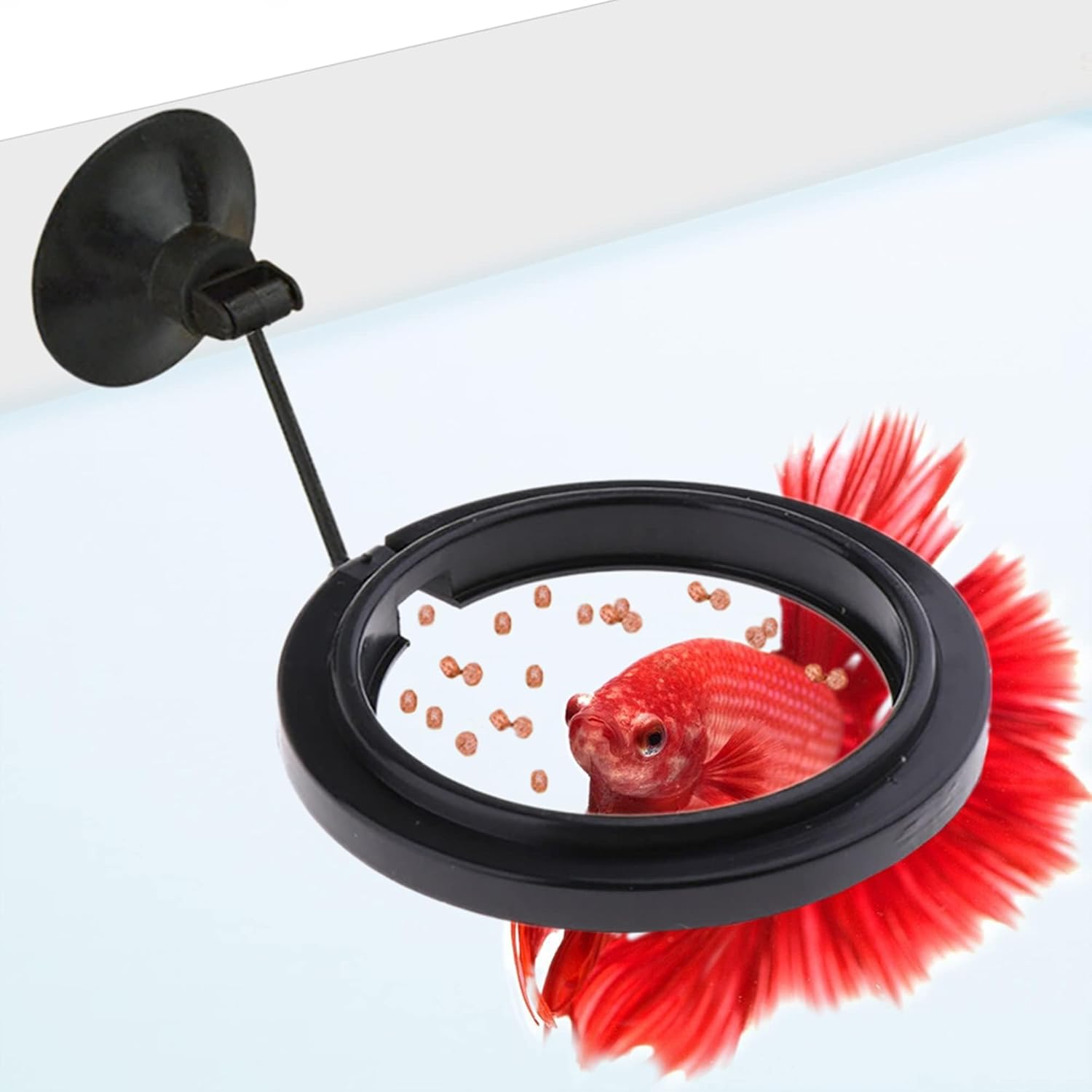
This is where many betta owners make mistakes. It’s easy to overfeed, especially with a treat as enticing as shrimp. A good rule of thumb is to feed your betta an amount of shrimp that is roughly the size of their eye. This is a tiny amount!
For frequency, 1-2 times per week is perfect. Shrimp should be a supplement to their main diet of high-quality betta pellets, not a replacement. Overfeeding can lead to obesity, bloating, and poor water quality. If you’re unsure about how much to feed, our article on how much should I feed my betta fish can provide more general guidance.
The Benefits of Feeding Shrimp to Your Betta
Enhanced Coloration
The natural pigments in shrimp, called carotenoids, can help enhance your betta’s color. Reds, oranges, and yellows can become more vibrant with a diet that includes shrimp. This is a well-known trick among betta show enthusiasts.
Improved Digestion
Shrimp is a natural, easily digestible protein source. Unlike some fillers found in low-quality fish foods, shrimp is gentle on your betta’s digestive system. This can be especially helpful for bettas that are prone to constipation.
Mental and Physical Stimulation
Especially with live shrimp, the act of hunting provides excellent mental and physical exercise. A bored betta is an unhappy betta. Chasing live shrimp around the tank can help keep your fish active and engaged, which is a key part of how can I tell if my betta fish is happy.
Conditioning for Breeding
If you’re planning to breed your betta, feeding shrimp is almost a must. The high protein content helps condition both males and females for the rigors of spawning and raising fry. It’s a staple in most breeding programs.
Potential Risks and How to Avoid Them
Overfeeding and Bloating
The biggest risk is overfeeding. Bettas have tiny stomachs, about the size of their eye. Too much shrimp, especially freeze-dried shrimp that hasn’t been rehydrated, can expand in their stomach and cause bloating or constipation. Always stick to the recommended portion size and frequency.
Water Quality Issues
Uneaten shrimp will decompose and quickly foul your water, leading to ammonia and nitrite spikes. This is very dangerous for your betta. Always remove any uneaten shrimp within 5-10 minutes of feeding. A turkey baster or a small siphon is great for this.
Parasites and Diseases
This is primarily a concern with live shrimp from unreliable sources. Always purchase your live or frozen shrimp from a reputable aquarium store or online retailer. Avoid collecting wild shrimp, as they can carry parasites or diseases that could harm your betta.
Choking Hazards
For larger shrimp varieties like mysis or krill, the pieces may be too big for your betta to swallow. Always chop them into small, bite-sized pieces. If your betta is struggling to eat a piece, it’s too big.
Shrimp vs. Other Common Betta Treats
Shrimp vs. Bloodworms
Bloodworms are another popular betta treat. While they are also high in protein, they are higher in fat than shrimp. Shrimp is generally a leaner, more balanced treat. It’s good to alternate between the two for a varied diet.
Shrimp vs. Daphnia
Daphnia, or water fleas, are another excellent live food. They are a great source of fiber and can help with digestion. Shrimp is higher in protein, while daphnia is better for digestive health. Again, variety is key.
Shrimp vs. Pellets
High-quality betta pellets should be the staple of your betta’s diet. They are formulated to provide a complete and balanced nutritional profile. Shrimp is a supplement, not a replacement. Think of pellets as the main course and shrimp as the dessert.
Frequently Asked Questions About Feeding Shrimp to Bettas
Can betta fish eat raw shrimp from the grocery store?
It’s not recommended. Raw shrimp from the grocery store may contain preservatives, salt, or other additives that are harmful to your betta. It can also carry bacteria or parasites. Stick to shrimp specifically sold for aquarium use.
Can I feed my betta shrimp every day?
No, you should not feed shrimp every day. Shrimp is a treat and should be fed in moderation, 1-2 times per week. Overfeeding can lead to health problems and water quality issues.
My betta won’t eat the shrimp. What should I do?
Some bettas can be picky eaters. Try a different form (e.g., if they don’t like freeze-dried, try frozen). You can also try fasting your betta for a day to increase their hunger. If they still refuse, don’t worry. A high-quality pellet diet is sufficient.
Can baby bettas eat shrimp?
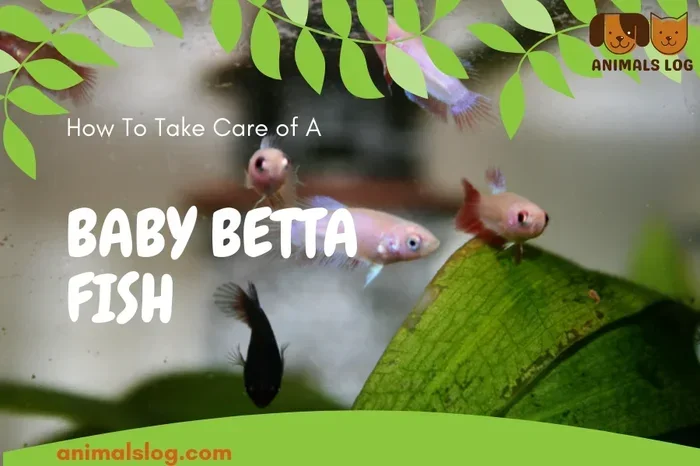
Baby bettas, or fry, have very small mouths. Newly hatched brine shrimp (baby brine shrimp or BBS) is the perfect size for them. Larger shrimp should be avoided until the betta is fully grown.
Conclusion: A Shrimp a Day Keeps the Boredom Away
So, can you feed your betta fish shrimp? Absolutely! It’s a nutritious, natural, and enriching treat that your betta will thrive on. By choosing the right type of shrimp, preparing it correctly, and feeding it in moderation, you can provide your betta with a diet that is both healthy and exciting.
Remember, the key is balance. A staple diet of high-quality pellets, supplemented with occasional treats like shrimp, bloodworms, or daphnia, is the recipe for a long, healthy, and vibrant life for your betta. Happy feeding!
Frequently Asked Questions
Can I feed my betta fish shrimp?
Yes, you can feed your betta fish shrimp. It is a highly nutritious and natural food source that is rich in protein and other essential nutrients. Shrimp should be offered as a treat, not a staple food, and fed in moderation.
What is the best type of shrimp for betta fish?
Brine shrimp is widely considered the best type of shrimp for betta fish. It is highly digestible, packed with protein, and available in live, frozen, and freeze-dried forms. Mysis shrimp and krill are also good options.
How often should I feed my betta shrimp?
You should feed your betta shrimp no more than 1-2 times per week. It is a treat and should be part of a balanced diet that primarily consists of high-quality betta pellets. Overfeeding can lead to health issues.
Do I need to prepare the shrimp before feeding?
Yes, preparation is important. Frozen shrimp should be thawed in tank water. Freeze-dried shrimp must be rehydrated in tank water for a few minutes to prevent digestive issues. Live shrimp can be fed directly after a gentle rinse.
Can I feed my betta freeze-dried shrimp?
Yes, freeze-dried shrimp is a convenient and safe option. However, it is crucial to rehydrate it in tank water before feeding. If fed dry, it can expand in your betta’s stomach and cause bloating or constipation.
What are the benefits of feeding live shrimp to my betta?
Feeding live shrimp provides mental and physical stimulation for your betta. It allows them to exercise their natural hunting instincts, which can reduce boredom and stress. It is also a highly nutritious and palatable food source.