Algae-eating fish can share a tank with bettas, but success depends on species, tank size, and careful setup. Choose peaceful algae eaters, provide plenty of hiding spots, and monitor behavior to keep both parties healthy and stress‑free.
Key Takeaways
- Species matters: Not all algae eaters are betta‑friendly; smaller, calm species work best.
- Tank size is crucial: A minimum of 10 gallons gives enough space for territories.
- Water parameters must match: Keep temperature, pH, and hardness within the overlap of both species.
- Provide plenty of cover: Plants, driftwood, and ornaments reduce aggression.
- Introduce gradually: Use a quarantine or side‑tank to let fish get used to each other.
- Watch for signs of stress: Faded colors, torn fins, or hiding indicate trouble.
- Regular maintenance: Clean water and control algae so the algae eaters stay busy and the betta isn’t forced to compete.
📑 Table of Contents
- Introduction: Why the Question Pops Up
- Understanding Betta Behavior and Needs
- What Are “Algae Fish”?
- Choosing the Right Algae Eater for a Betta
- Setting Up the Tank for Harmony
- Introducing Algae Fish to a Betta
- Common Problems and How to Solve Them
- Real‑World Example: A Successful Community Tank
- Conclusion: Can Algae Fish Live with Betta Fish?
Introduction: Why the Question Pops Up
If you’ve ever watched a betta flaunt its shimmering fins, you know they’re beautiful but also a bit territorial. At the same time, algae can quickly turn a pristine tank into a green mess. Many hobbyists wonder: Can algae fish live with betta fish? The short answer is yes—if you choose the right algae eaters and set up the tank properly.
In this guide we’ll break down the biology of bettas, explore the most compatible algae‑eating fish, and give you step‑by‑step tips for a harmonious community tank. Think of it as a friendly chat over coffee, where we’ll share real‑world examples, handy checklists, and a few cautionary tales.
Understanding Betta Behavior and Needs
Territorial instincts
Bettas (Betta splendens) are native to the shallow rice paddies of Thailand. In the wild they defend small pockets of water, which translates to strong territorial behavior in the aquarium. Males, in particular, flare their gills and show off vivid colors when they feel threatened.
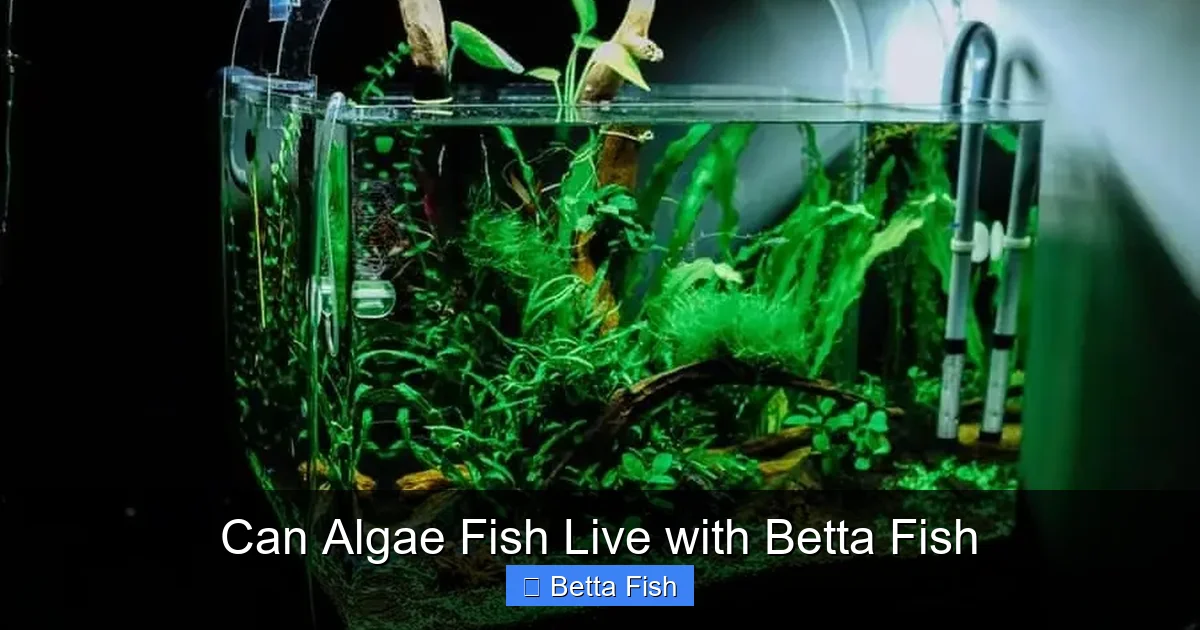
Visual guide about Can Algae Fish Live with Betta Fish
Image source: bettasource.com
Ideal water conditions
Most bettas thrive in water that is:
- Temperature: 76‑82°F (24‑28°C)
- pH: 6.5‑7.5
- Soft to moderately hard water
Keeping these parameters stable is essential not only for the betta but also for any tank mates.
What Are “Algae Fish”?
Definition and purpose
“Algae fish” is a loose term for species that naturally graze on algae, helping keep tanks clean. They are not a separate taxonomic group, but rather a functional role. Common examples include:
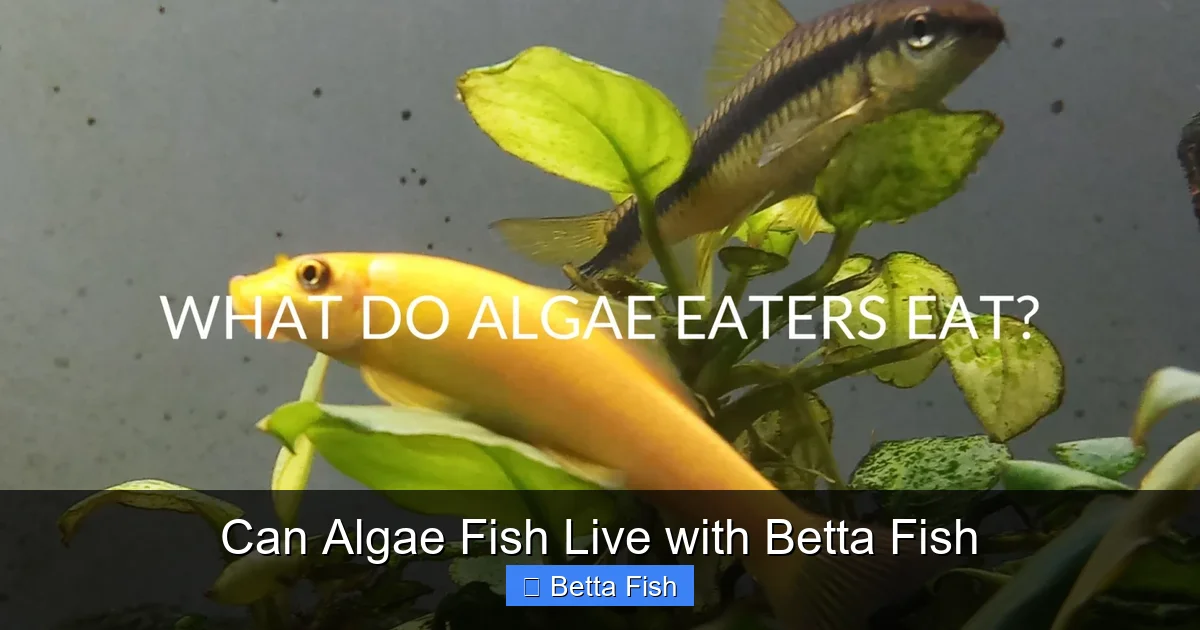
Visual guide about Can Algae Fish Live with Betta Fish
Image source: bettacarefishguide.com
- Otocinclus catfish (Otocinclus spp.)
- Aspidoras (commonly called “dwarf corydoras”)
- Snails (though not fish, they are popular algae cleaners)
- Bristlenose plecos (small pleco varieties)
Why they’re popular with betta owners
Algae eaters reduce the need for aggressive chemical cleaners, creating a more natural environment. When paired correctly, they can coexist peacefully with a betta, adding movement and interest to the tank.
Choosing the Right Algae Eater for a Betta
Top compatible species
Below are the best algae‑eating fish to consider for a betta tank:
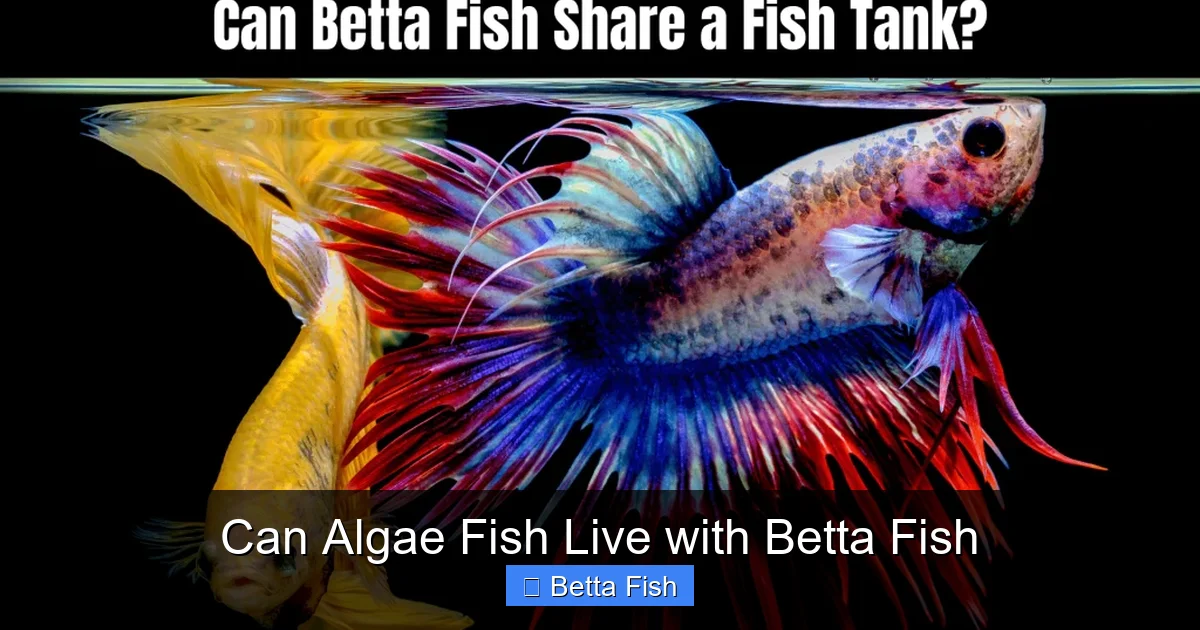
Visual guide about Can Algae Fish Live with Betta Fish
Image source: aniimad.com
- Otocinclus catfish: Tiny (1‑2 inches), very peaceful, and love to graze on soft algae.
- Bristlenose pleco (small varieties): Grows to about 4‑5 inches, stays low‑key, and prefers driftwood for grazing.
- Aspidoras (dwarf corydoras): Peaceful bottom dwellers that nibble on algae and leftover food.
These species are small enough not to intimidate a betta and generally keep to themselves.
Species to avoid
Big or aggressive algae eaters can trigger a betta’s defensive instincts. Stay away from:
- Large plecos (e.g., common pleco, 12‑15 inches)
- Messier fish like Siamese algae eaters that may become territorial.
- Fast‑swimming surface feeders that could compete for space.
Setting Up the Tank for Harmony
Tank size and layout
A 10‑gallon tank is the minimum for a betta plus one or two small algae eaters. Larger tanks (20 gallons) give each fish more territory and reduce stress.
Plants, driftwood, and décor
Live plants such as Java fern, Anubias, and mosses provide hiding spots and surface area for algae growth—perfect for your algae eaters. Add driftwood and caves to create visual barriers between the betta and its tank mates.
Water parameters checklist
| Parameter | Betta Range | Algae Eater Range |
|---|---|---|
| Temperature | 76‑82°F | 72‑80°F (most overlap 76‑80°F) |
| pH | 6.5‑7.5 | 6.0‑7.5 |
| Hardness | Soft‑moderate | Soft‑moderate |
Keeping the tank within these overlapping ranges satisfies both parties.
Introducing Algae Fish to a Betta
Quarantine and health check
Always quarantine new fish for at least two weeks. This prevents disease spread and lets you observe any hidden health issues.
Gradual introduction technique
1. Place the algae eater in a separate container inside the betta’s tank (a “bag method”).
2. Allow the betta to see the new fish for several hours.
3. Slowly open the bag and let the betta approach at its own pace.
4. After 24‑48 hours, gently release the algae eater into the main tank.
Monitoring behavior
Watch for signs of aggression: flaring, chasing, or nipped fins. If tension persists after 48‑72 hours, consider a larger tank or a different species.
Common Problems and How to Solve Them
Algae overgrowth despite eaters
Even the best algae eaters need a balanced light schedule and regular water changes. Reduce lighting to 8‑10 hours a day and perform 25% water changes weekly.
Betta fin nipping
If the betta repeatedly nips at the algae eater, increase hiding spots and consider a taller tank with vertical space.
Health concerns for algae eaters
Otocinclus are sensitive to poor water quality. Keep ammonia and nitrite at zero, and provide a diet of bio‑film or supplemental algae wafers.
Real‑World Example: A Successful Community Tank
Sarah, a first‑time betta owner, added a pair of otocinclus to her 12‑gallon tank. She followed these steps:
- Set up a planted tank with Java moss and driftwood.
- Quarantined the otocinclus for 10 days.
- Introduced them using the bag method.
- Monitored for two weeks; the betta showed curiosity but no aggression.
Result? The algae cleared within a month, and both the betta and otocinclus displayed vibrant colors and active behavior. Sarah’s story mirrors many hobbyists who succeed with careful planning.
Conclusion: Can Algae Fish Live with Betta Fish?
Yes—provided you choose peaceful, small algae eaters, give them enough space, and maintain stable water conditions. The key is matching temperaments, offering plenty of cover, and introducing the fish gradually. With these steps, you’ll enjoy a clean, lively tank where both the betta and its algae‑eating companions thrive.
Frequently Asked Questions
Can a betta fish live with an algae eater?
Yes, many small algae eaters such as otocinclus or dwarf plecos can coexist peacefully with a betta when the tank is properly sized and decorated.
What is the best algae eater for a betta tank?
Otocinclus catfish are often recommended because they stay small, are gentle, and focus on soft algae without challenging the betta’s territory.
How large should the tank be for a betta and algae fish?
A minimum of 10 gallons is advised; larger tanks (20 gallons) provide more room for territories and reduce the chance of aggression.
Do bettas and algae fish need the same water temperature?
Both prefer temperatures in the mid‑70s to low‑80s°F. Keeping the tank at 78°F usually satisfies both species.
What should I do if my betta attacks the algae eater?
Increase hiding places, ensure the tank is large enough, and consider removing the algae eater if aggression persists after a few days.
Can I keep more than one algae eater with a betta?
Yes, a small group of otocinclus (3‑5) can share the tank, but avoid overcrowding; always monitor water quality and behavior.

