Can a Betta Fish and an Algae Eater Live Together
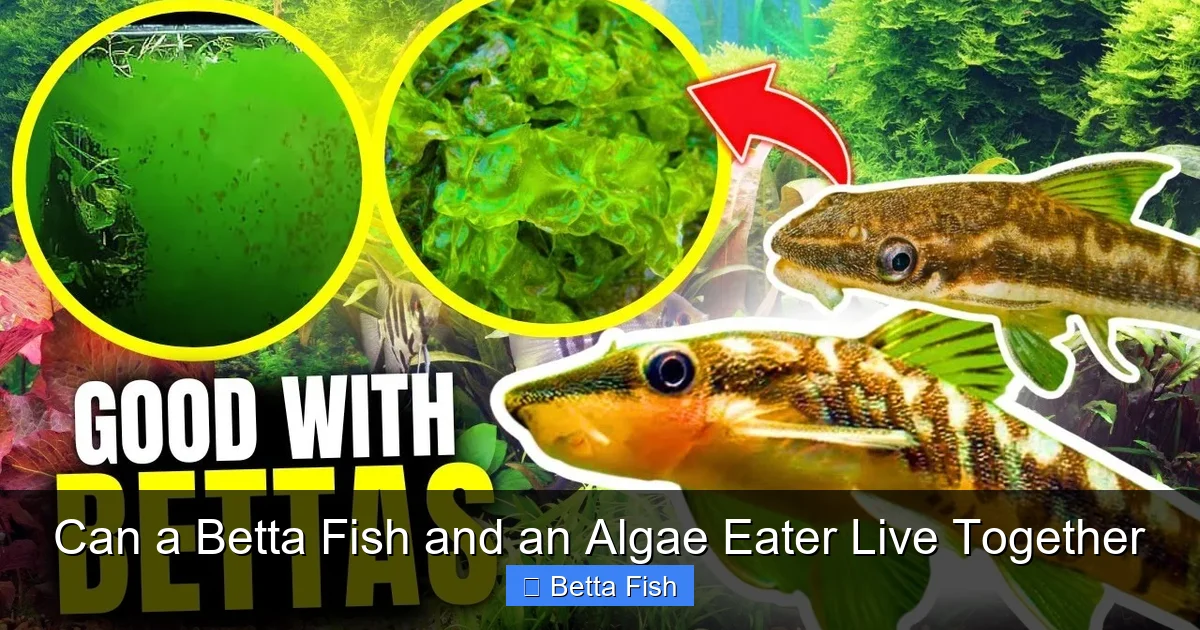
Betta fish can share a tank with certain algae eaters, but success depends on species, tank size, and careful introduction. Choosing peaceful, small‑bodied algae grazers and providing plenty of hiding spots greatly reduces aggression.
Key Takeaways
- Compatibility varies by species: Not all algae eaters are safe roommates for a betta.
- Tank size matters: A minimum of 10‑20 gallons gives both fish enough space.
- Water parameters must match: Keep temperature, pH, and hardness within the betta’s preferred range.
- Provide plenty of cover: Plants, driftwood, and caves help reduce stress and territorial fights.
- Introduce gradually: Use a quarantine or divider method to let fish get used to each other.
- Monitor behavior daily: Early signs of stress mean it’s time to re‑evaluate the setup.
- Choose the right algae eater: Small, peaceful grazers like Nerite snails or Otocinclus catfish are top picks.
📑 Table of Contents
- Introduction: Why the Question Comes Up
- Understanding Betta Behavior
- What Is an Algae Eater?
- Choosing the Right Algae Eater for a Betta
- Tank Setup Essentials
- Introducing the Algae Eater
- Signs of Compatibility and Red Flags
- Maintaining a Peaceful Community
- When It Doesn’t Work: Alternatives
- Conclusion
Introduction: Why the Question Comes Up
If you’ve just set up a beautiful planted tank for your betta, you probably noticed a thin green film forming on the glass. Algae is a common nuisance, and many hobbyists wonder if adding an algae‑eating companion could keep the water clear without harming their prized fish.
Betta fish (Betta splendens) are known for their vibrant colors and feisty personalities. This reputation often leads people to keep them in solitary bowls, but bettas can thrive in community tanks when paired with the right tank mates. The key is understanding the betta’s temperament and the habits of potential algae eaters.
Understanding Betta Behavior
Territorial instincts
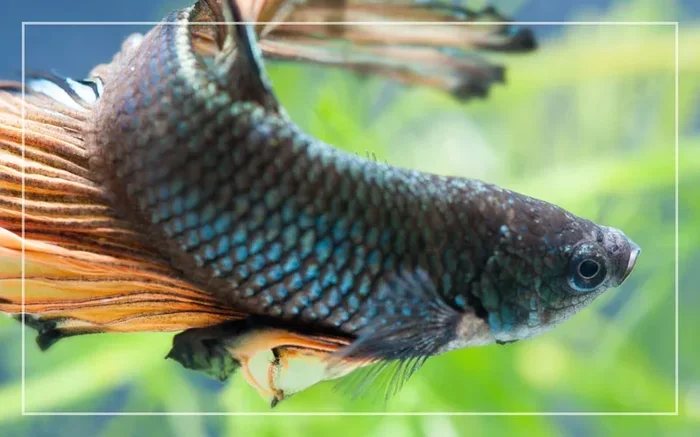
Male bettas, in particular, guard their space fiercely. In the wild, they defend a small patch of water called a sib. In a tank, this translates to defending the surface and any decorations that block their view. A betta will flare its fins, gill‑cover them, and may even bite if it feels threatened.
Visual guide about Can a Betta Fish and an Algae Eater Live Together
Image source: diyseattle.com
Peaceful versus aggressive individuals
Not every betta is a raging bull. Some are naturally calmer, especially females or young males. Observing your betta’s reactions to mirrors or new objects can give clues about its aggression level before adding a roommate.
What Is an Algae Eater?
Common algae‑eating species
- Nerite snails – Excellent at scrubbing glass and decorations; they do not reproduce in freshwater.
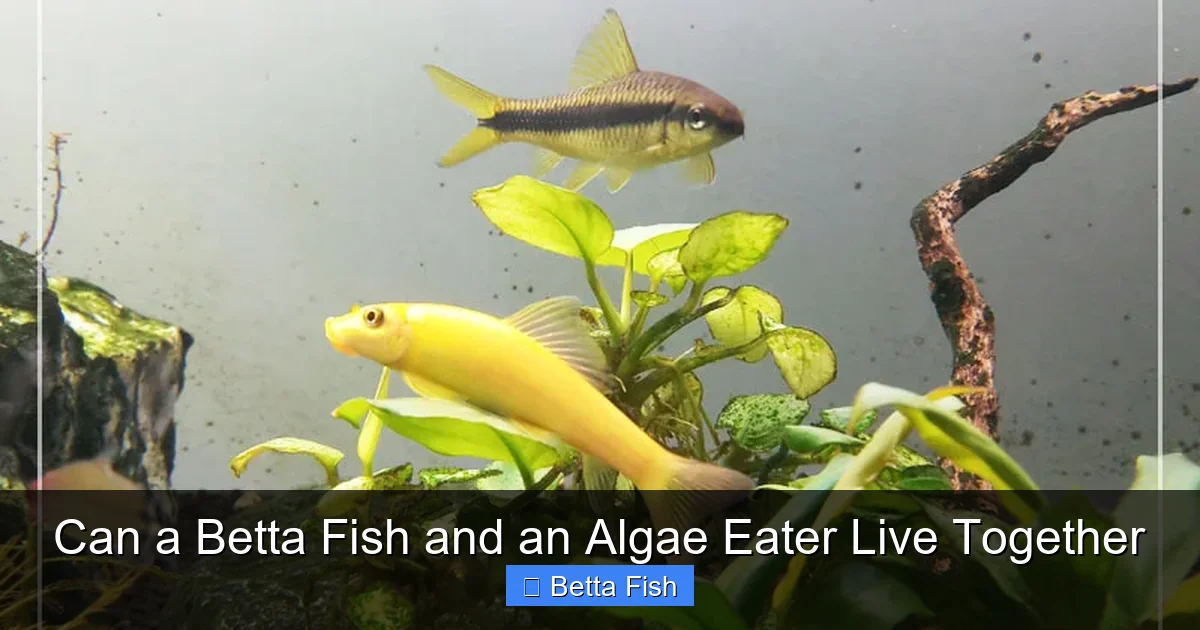
- Otocinclus catfish – Small (1‑2 inches), shy, and love to graze on algae on plants.
- Amano shrimp – Not a fish, but a prolific cleaner that eats filamentous algae.
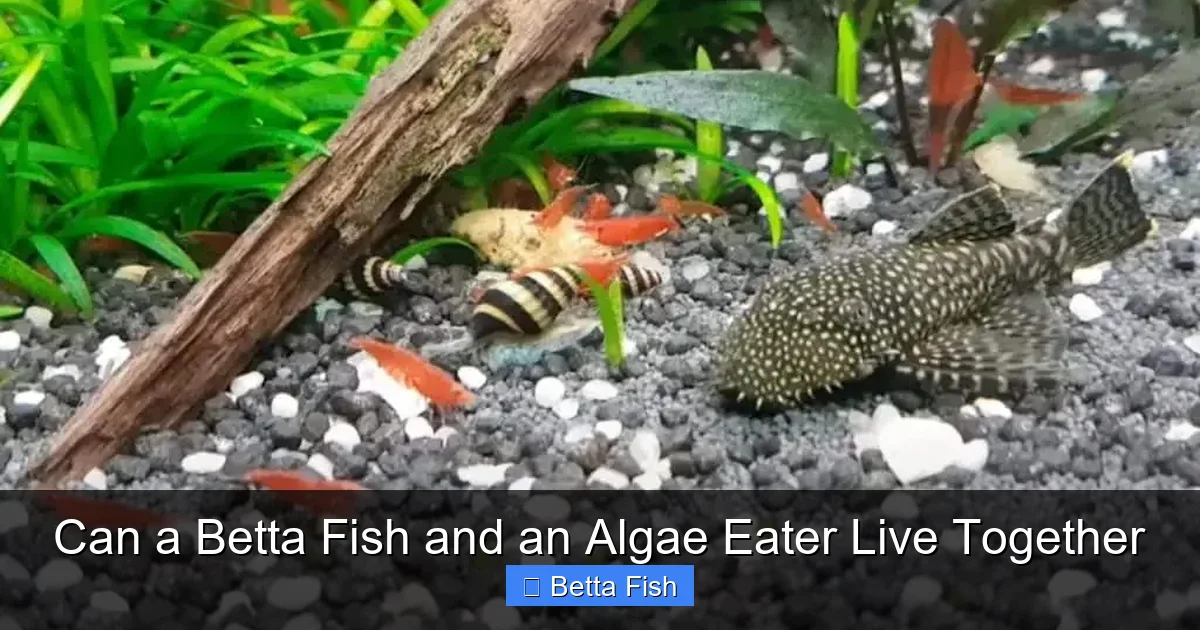
- Pleco “dwarf” varieties – Such as the Bristlenose; they need more space but are effective algae grazers.
Why they’re popular
These creatures help keep the tank clean, reduce the need for frequent water changes, and add visual interest. However, each has its own temperament and size, which influences whether a betta will accept them.
Visual guide about Can a Betta Fish and an Algae Eater Live Together
Image source: smartaquariumguide.com
Choosing the Right Algae Eater for a Betta
Size matters
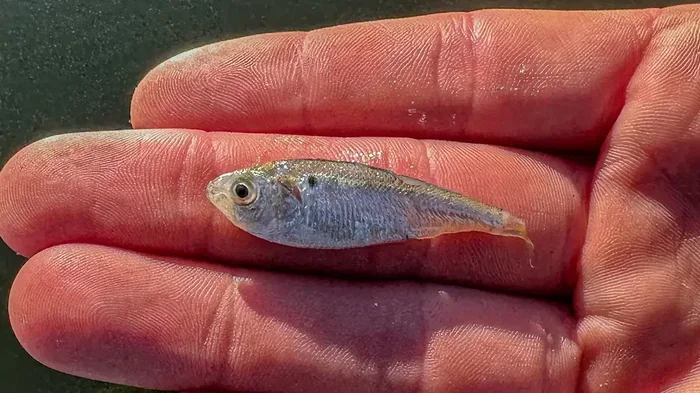
Betas are roughly 2‑3 inches long. Choose algae eaters that are significantly smaller or have a body shape that makes them less likely to be seen as a rival. A 1‑inch Otocinclus or a 0.5‑inch Nerite snail is ideal.
Visual guide about Can a Betta Fish and an Algae Eater Live Together
Image source: japanesefightingfish.org
Temperament matters
Peaceful, non‑aggressive species are a must. Avoid larger or more active plecos that may trigger the betta’s territorial instincts.
Water parameter compatibility
Most algae eaters thrive in the same temperature range as bettas (76‑82 °F). They also prefer slightly harder water, but many adapt well to the soft water bettas enjoy. Always check the specific needs of the species you choose.
Practical recommendation
For most beginners, a small group of Nerite snails combined with a few Otocinclus catfish provides a balanced algae‑eating crew without overwhelming the betta.
Tank Setup Essentials
Tank size and shape
A 10‑gallon long tank is the absolute minimum for a betta and one or two algae eaters. Larger tanks (20‑gallons) give the betta more room to establish a territory and reduce the chance of encounters.
Plants and décor
Live plants like Java fern, Anubias, and Cryptocoryne not only absorb excess nutrients but also create visual barriers. Dense planting mimics the betta’s natural habitat and offers hiding spots for shy algae eaters.
Filtration and flow
Betas prefer gentle water movement. Use a sponge filter or a low‑flow hang‑on‑back filter. This also keeps the water clean for the algae eaters, who are sensitive to poor water quality.
Lighting
Moderate lighting (8‑10 hours a day) encourages plant growth without spurring excessive algae. Adjustable LED fixtures let you fine‑tune the intensity.
Introducing the Algae Eater
Quarantine first
All new inhabitants should spend at least a week in a separate quarantine tank. This prevents the spread of disease and lets you observe the newcomer’s health.
Use a tank divider
Place a clear acrylic divider in the main tank. This lets the betta see the algae eater without direct contact. Watch for signs of aggression (flaring, chasing) over a 48‑hour period.
Gradual release
If the betta remains calm, remove the divider during a feeding time. The distraction of food often reduces territorial behavior. Continue to monitor closely for the first week.
Signs of Compatibility and Red Flags
Positive indicators
- The betta ignores the algae eater and continues its normal routine.
- Both species are eating and appearing active.
- No visible damage (fin nipping, missing shells).
Warning signs
- Betta repeatedly flares, chases, or bites the algae eater.
- Algae eater hides constantly, shows signs of stress (pale color, erratic swimming).
- Physical injuries appear on either animal.
When red flags appear, consider moving the algae eater to a separate tank or providing additional hiding places.
Maintaining a Peaceful Community
Regular water changes
Even with algae eaters, a 20‑25 % weekly water change keeps nitrate levels low and supports both fish and invertebrates.
Feeding strategies
Feed the betta its staple (high‑protein pellets or frozen foods) and offer algae‑eating snacks (blanched zucchini, algae wafers) for the companions. Feeding in opposite corners can reduce competition.
Monitoring growth
Algae eaters reproduce quickly under the right conditions. If snail numbers explode, control the food supply and consider adding a few more snail predators like small loaches—though only if they are also betta‑compatible.
When It Doesn’t Work: Alternatives
Switching species
If your betta remains aggressive, try a different algae eater. Some hobbyists have success with tiny Ghost shrimp or a single Amano shrimp.
Separate tanks
Keeping the algae eater in a small, filtered “nano” tank with a flow‑through system can still help reduce overall algae in the room while keeping the betta safe.
Non‑living solutions
Manual algae removal, magnetic scrubbers, and regular water changes are reliable methods that don’t involve tank mates.
Conclusion
Yes, a betta fish and an algae eater can live together, but success hinges on careful species selection, adequate tank size, and proper introduction techniques. By providing plenty of hiding spots, matching water parameters, and observing behavior daily, you can create a harmonious aquarium where both the betta’s flamboyance and the algae eater’s cleaning power shine.
Remember, every betta is an individual. What works for one may not work for another. Stay patient, keep a close eye on interactions, and don’t be afraid to adjust your setup. With the right approach, you’ll enjoy a vibrant, algae‑free tank that showcases the best of both worlds.
Frequently Asked Questions
Can a betta fish live with a Nerite snail?
Yes, Nerite snails are one of the safest algae eaters for bettas. They are too small to be seen as a threat and they don’t reproduce in freshwater, keeping the tank population stable.
Will an Otocinclus catfish bother a betta?
Otocinclus are peaceful, bottom‑dwelling grazers that rarely interact with bettas. As long as the tank has plenty of plant cover, they usually coexist without issues.
What tank size is recommended for a betta and algae eaters?
A minimum of 10 gallons is needed, but 20 gallons provides extra space for both the betta’s territory and the algae eaters to roam safely.
How do I know if my betta is stressed by the algae eater?
Watch for constant flaring, chasing, or fin nipping. Stressed bettas may also lose color or hide more than usual.
Can I add more than one algae eater?
Yes, a small group of snails or a few Otocinclus can share the tank. Just ensure the total bioload doesn’t exceed the filter’s capacity.
Are there any algae eaters that should never be kept with bettas?
Larger plecos, aggressive loaches, or fast‑swimming fish like guppies can trigger a betta’s territorial aggression and are best avoided.