Betta fish can share a community tank, but only with the right companions. Choosing peaceful, similarly sized species and providing plenty of hiding spots keeps aggression low and your aquarium vibrant.
Key Takeaways
- Temperament matters: Only calm, non‑aggressive fish should be paired with a Betta.
- Tank size is critical: A minimum of 10‑gallon provides enough space for territories.
- Water parameters must match: Keep temperature, pH, and hardness consistent for all species.
- Hideouts reduce stress: Live plants, caves, and driftwood give every fish a safe retreat.
- Monitor behavior daily: Early signs of fin‑nipping or stress mean it’s time to re‑evaluate the mix.
- Best companions: Small tetras, rasboras, and peaceful catfish often coexist peacefully.
- Never mix with long‑finned or bright‑colored bettas: This sparks territorial fights.
📑 Table of Contents
- Introduction: Why the Question Keeps Coming Up
- Understanding Betta Behavior
- Ideal Tank Set‑Up for a Community Betta
- Top Fish Species That Usually Get Along With Betta
- Species to Avoid
- Step‑by‑Step Guide to Introducing New Fish
- Real‑World Example: A 12‑Gallon Community Tank
- When to Re‑Evaluate the Community
- Conclusion: Making the Right Choice for a Happy Tank
Introduction: Why the Question Keeps Coming Up
If you’ve ever stared at a single, flamboyant Betta swimming in a tiny bowl, you’ve probably wondered, are there any other fish that go well with a Betta? The answer isn’t a simple “yes” or “no.” It depends on the Betta’s personality, the size of the tank, and the species you consider as tank mates.
Betta fish (Betta splendens) are famous for their bright colors and long, flowing fins. In the wild they live in shallow rice paddies where they defend small territories. That instinct can turn into aggression when another fish looks like a rival. However, with careful planning, you can create a peaceful community that showcases the Betta’s beauty while adding movement and variety to the aquarium.
Understanding Betta Behavior
Territorial instincts
Male bettas are especially territorial. They will flare, spread their fins, and even bite if they feel their space is invaded. Female bettas are generally less aggressive but can still become defensive if the tank is overcrowded.
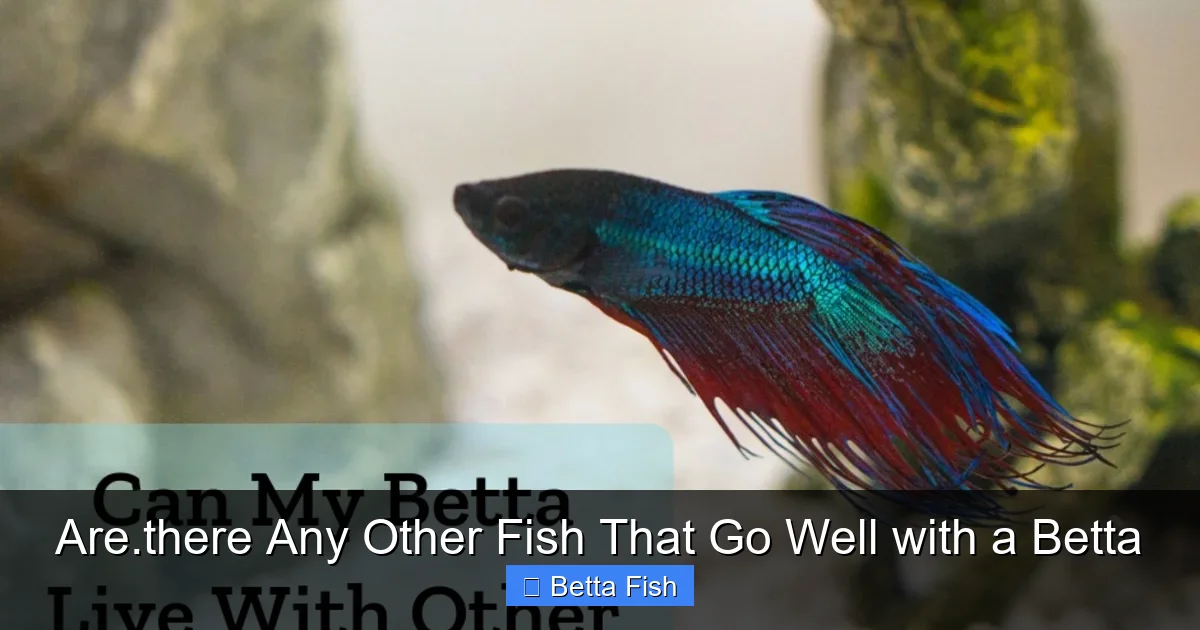
Visual guide about Are.there Any Other Fish That Go Well with a Betta
Image source: images.saymedia-content.com
Fin length and coloration
Long‑fin bettas see other long‑fin or brightly colored fish as competition. Choosing shorter‑finned, muted‑color companions reduces the chance of a showdown.
Peaceful vs. aggressive tank mates
The rule of thumb is to match a Betta with fish that are:
- Smaller than the Betta’s body length (but not so small they become snack material).
- Fast enough to dart away if the Betta charges.
- Peaceful and non‑territorial.
Ideal Tank Set‑Up for a Community Betta
Size matters
A 10‑gallon (38‑liter) tank is the absolute minimum for a Betta with companions. Larger tanks (20‑gallon or more) give each fish a clear zone, which dramatically cuts down on stress.

Visual guide about Are.there Any Other Fish That Go Well with a Betta
Image source: i.ytimg.com
Water parameters
Betta fish thrive in water that is:
- Temperature: 76‑82°F (24‑28°C)
- pH: 6.5‑7.5
- Hardness: 3‑4 dGH
Make sure any potential tank mate can live in the same range. Most small tropical community fish share these conditions.
Hiding places and décor
Live plants (like Java fern or Anubias), driftwood, and smooth rocks create natural barriers. These structures break the line of sight, allowing a Betta to ignore a passing fish rather than see it as an intruder.
Top Fish Species That Usually Get Along With Betta
Neon Tetra (Paracheirodon innesi)
These tiny, silver‑blue fish move in schools, creating a dazzling backdrop. Their size (about 1.5 inches) and quick swimming style make them safe around a Betta.

Visual guide about Are.there Any Other Fish That Go Well with a Betta
Image source: i.ytimg.com
Harlequin Rasbora (Trigonostigma heteromorpha)
Harlequins are slightly larger than neon tetras and have a calm demeanor. Their striking black‑and‑silver pattern adds visual interest without provoking the Betta.
Corydoras Catfish (Corydoras spp.)
Bottom‑dwelling Cory cats are peaceful, love to scavenge, and stay out of the Betta’s mid‑water territory. They also help keep the substrate clean.
Otocinclus Algae Eaters
These tiny suckers are great for algae control and rarely interact with the Betta. Their shy nature keeps them out of the Betta’s way.
Peaceful Guppies (Poecilia reticulata)
While some guppies can be a bit nippy, selecting a single, muted‑color male or a small group of females often works. They occupy a different part of the tank and add bright flashes of color.
Species to Avoid
Long‑fin or brightly colored fish
Fancy guppies, other bettas, and certain fancy goldfish can trigger aggression.
Fin‑nippers
Barbs, some danios, and loaches love to nip at flowing fins. A Betta’s gorgeous tail becomes a target.
Slow, bottom‑dwelling fish that can’t escape
Very slow fish like some loaches may become easy prey if the Betta decides to chase.
Step‑by‑Step Guide to Introducing New Fish
1. Quarantine new arrivals
Keep any new fish in a separate tank for at least two weeks. This prevents disease spread.
2. Gradual temperature acclimation
Float the bag in the Betta’s tank for 15‑20 minutes, then slowly add tank water to the bag every 5 minutes.
3. Use a divider
If you’re unsure, place a clear acrylic divider in the tank. This lets the Betta see the new fish without direct contact.
4. Observe for 24‑48 hours
Watch for flaring, chasing, or fin damage. If any aggression appears, be ready to re‑home the newcomer.
Real‑World Example: A 12‑Gallon Community Tank
John set up a 12‑gallon tank with a male Betta, a school of 6 neon tetras, and a pair of Corydoras. He added Java fern and a few smooth river stones. After a week of careful observation, the Betta showed occasional curiosity but never chased the tetras. The Cory cats stayed at the bottom, cleaning leftovers. John’s success story mirrors the guidelines shared in What Fish Can Go With A Betta Fish and demonstrates that with the right environment, harmony is possible.
When to Re‑Evaluate the Community
If you notice any of the following, act quickly:
- Fin loss or ragged edges on the Betta or other fish.
- Constant flaring or aggressive lunges.
- One species hiding all the time, showing signs of stress.
In such cases, either remove the aggressor or find a larger tank where each fish can claim its own space. For more details on why some bettas simply cannot coexist, see Why Can’t Betta Fish Be With Other Fish.
Conclusion: Making the Right Choice for a Happy Tank
Answering the question, are there any other fish that go well with a Betta, isn’t about finding a single perfect species. It’s about matching temperament, tank size, and water conditions. By selecting peaceful, fast‑moving companions, providing plenty of hiding spots, and monitoring behavior daily, you can enjoy a vibrant community that showcases the Betta’s beauty without constant conflict. Remember, every Betta is an individual—what works for one may not work for another. Patience, observation, and a well‑planned set‑up are your best tools for success.
Frequently Asked Questions
Can a male Betta live with other fish?
Yes, but only with calm, non‑aggressive species that are not similar in color or fin length. Provide at least a 10‑gallon tank and plenty of hiding spots.
What are the safest tank mates for a Betta?
Neon tetras, harlequin rasboras, Corydoras catfish, and Otocinclus algae eaters are among the safest choices.
How big should the tank be for a Betta and companions?
A minimum of 10 gallons is required, but 20 gallons or more gives each fish a clear territory and reduces stress.
What signs show that a Betta is stressed?
Frequent flaring, loss of color, clamped fins, or constant hiding indicate stress and may require a change in tank mates or set‑up.
Can I keep multiple Betta fish together?
Generally no. Male bettas are highly territorial and will fight. Female bettas can sometimes be kept in a sorority with careful monitoring.
Is it okay to add a snail to a Betta tank?
Yes, most snails (like Nerite or Mystery snails) are peaceful and help clean algae, making them a good addition.

