Betta fish are not dangerous to humans or most pets, but they can pose risks to other fish and their own health if kept improperly. Understanding their behavior, water needs, and compatible tank mates helps you enjoy these vibrant companions safely.
Key Takeaways
- Betta fish aren’t poisonous: they won’t bite or sting humans, but their fins can cause minor skin irritation.
- Aggression is species‑specific: male bettas are territorial and should not share a tank with other males.
- Water quality is critical: poor parameters can make a betta sick, which looks like “harmful” behavior.
- Tank mates matter: compatible species reduce stress and prevent fin‑nipping incidents.
- Proper housing prevents harm: too‑small containers cause stunted growth and health problems.
- Environmental impact is low: bettas are not invasive when kept indoors, but releasing them can harm local waterways.
- Education reduces myths: knowing the facts helps you avoid common misconceptions about betta safety.
📑 Table of Contents
- Introduction: Why the Question Comes Up
- 1. Physical Harm to Humans and Other Pets
- 2. Harm to Other Fish and Tank Mates
- 3. Harm to the Betta Itself
- 4. Environmental Impact: What Happens If a Betta Escapes?
- 5. Myths and Misconceptions
- 6. Practical Tips for a Safe, Happy Betta
- Conclusion: Are Betta Fish Harmful?
Introduction: Why the Question Comes Up
When you first see a betta fish flashing its bright colors, it’s easy to wonder if that little fighter could be a danger. The internet is full of headlines like “Betta fish bite!” or “Your betta could poison your cat.” Those stories spark curiosity, and many new owners ask, are betta fish harmful? The short answer is “no, not in the way you might think.” However, the reality is a little more nuanced.
In this article we’ll break down every way a betta can be “harmful” – to you, to other pets, to the fish itself, and even to the environment. We’ll also give you practical tips so you can keep your betta healthy and happy, while keeping your home safe.
1. Physical Harm to Humans and Other Pets
Do bettas bite?
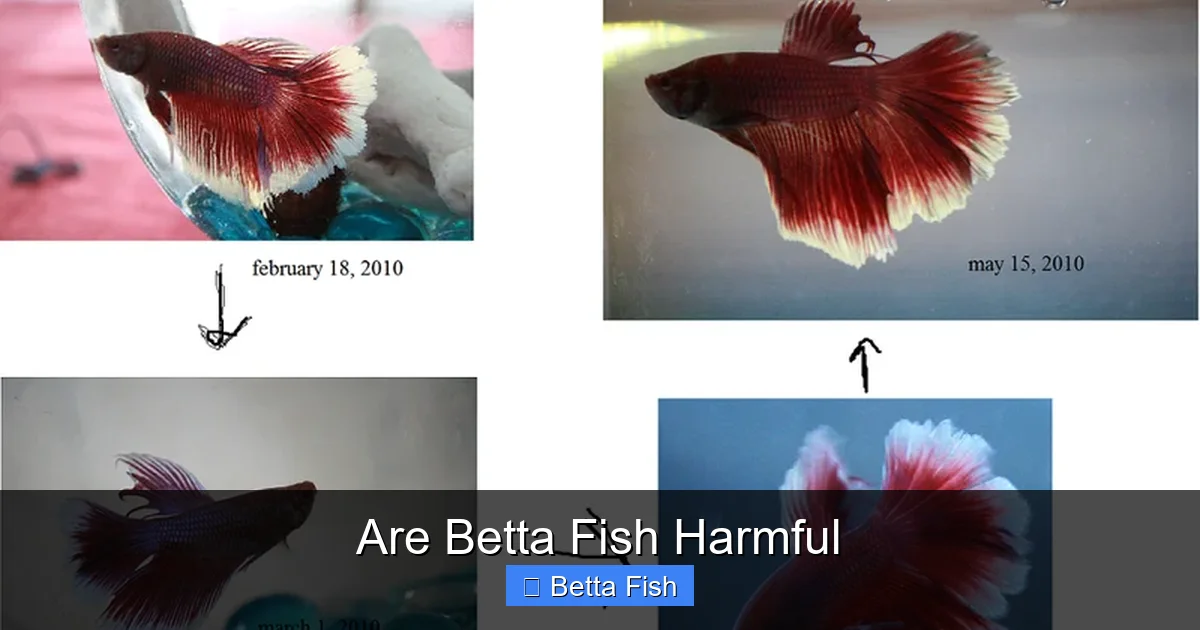
Bettas have tiny teeth located in their throats, used mainly to grip food. They can bite if you try to handle them roughly, but the bite feels like a light pinch – similar to a mosquito bite. It’s not dangerous, and it rarely leaves a mark.
Visual guide about Are Betta Fish Harmful
Image source: thefishantibiotics.com
Can betta fins irritate skin?
The long, flowing fins are coated with a thin layer of mucus. If a fin brushes against sensitive skin, especially if you have cuts or eczema, you might feel a mild itch. This is harmless and washes away with soap and water.
What about cats, dogs, or small mammals?
Most household pets are not attracted to bettas. A curious cat may paw at the tank, but the glass barrier prevents any direct contact. Dogs might sniff the water, but they cannot harm the fish unless the tank is knocked over. Always keep the aquarium out of reach of pets that could tip it.
2. Harm to Other Fish and Tank Mates
Male bettas are fiercely territorial
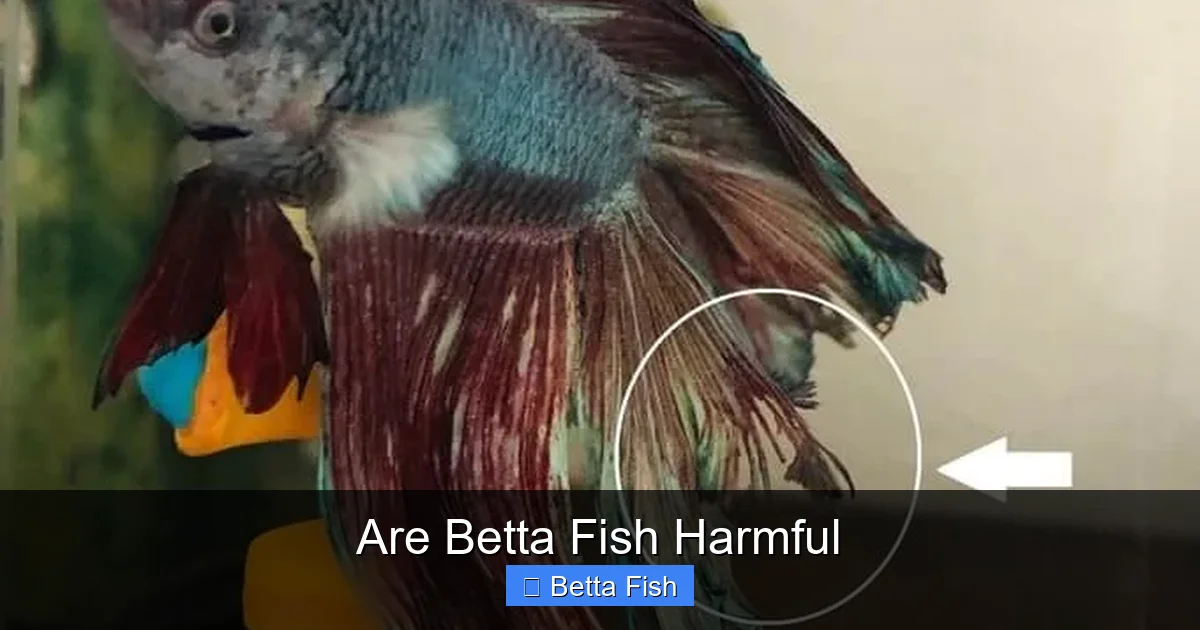
Male bettas, often called “Siamese fighting fish,” have evolved to defend a small territory. Placing two males together usually ends in fin‑nipping, stress, and sometimes death. This aggression is why many resources stress that male betta fish are kept separate.
Visual guide about Are Betta Fish Harmful
Image source: aquariumsource.com
Female bettas can also be aggressive
While females are generally less hostile, they can still fight, especially if the tank is crowded. If you want a community tank, consider a sorority of at least five females with plenty of hiding spots.
Choosing compatible tank mates
Peaceful, slow‑moving species such as small rasboras, neon tetras, or kuhli loaches often coexist well with a single male betta, provided the tank is large enough (at least 10‑gallon) and the betta’s fins are not overly long. For more ideas, see our guide on what fish are compatible with betta fish.
3. Harm to the Betta Itself
Poor water conditions
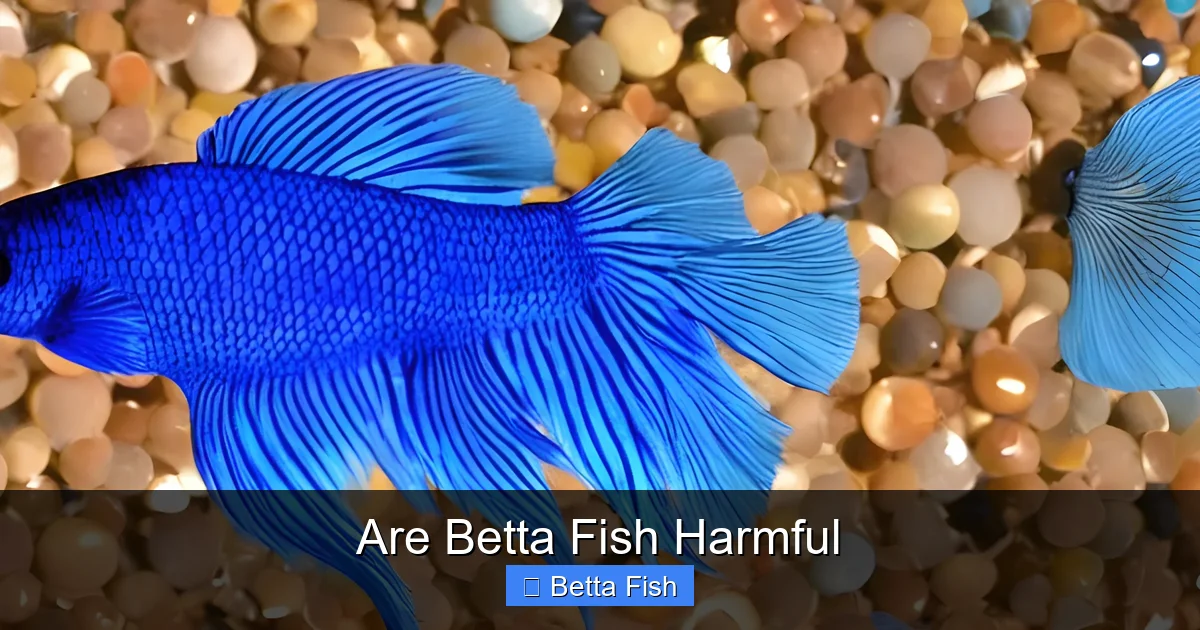
Bettas are tropical freshwater fish that thrive in stable temperatures (76‑82°F) and clean water. High ammonia, nitrite, or low dissolved oxygen can cause “burned” fins, lethargy, and a weakened immune system. When a betta looks sick, owners sometimes blame the fish for being “harmful” to the tank, but it’s actually the environment harming the fish.
Visual guide about Are Betta Fish Harmful
Image source: tankofish.com
Inadequate tank size
Many beginners start bettas in tiny bowls, believing they need little space. Research shows that a 5‑gallon tank is a healthier minimum. Small containers restrict swimming, lead to poor water quality, and can stunt growth. Learn why betta fish tanks are so small in some pet stores and why you should upgrade.
Improper diet
Feeding only flakes can cause constipation and a condition called “swim bladder disorder.” Offer a varied diet: high‑quality betta pellets, frozen or live brine shrimp, and occasional bloodworms. Over‑feeding leads to cloudy water, which can stress the fish.
Stress from handling and décor
Sharp decorations, aggressive tank mates, or frequent tapping on the glass can raise cortisol levels in bettas, making them more prone to disease. Provide smooth plants, caves, and a calm environment.
4. Environmental Impact: What Happens If a Betta Escapes?
Are bettas invasive?
In their native range—Thailand, Cambodia, and Vietnam—bettas live in shallow rice paddies and slow‑moving streams. If released into non‑native waterways, they could compete with local species for food and habitat. However, because they are small and relatively low‑reproductive compared to other invasive fish, the risk is modest but still present.
Preventing accidental releases
Never release a betta into a pond, lake, or river. If you must rehome a fish, give it to a local aquarium or a reputable pet store. This protects local ecosystems and prevents the betta from suffering in an unsuitable environment.
5. Myths and Misconceptions
Myth: Betta fish are poisonous
There is no toxin in betta mucus or blood that can harm humans or other animals. The idea likely stems from their aggressive nature, which is visual rather than chemical.
Myth: Betta fish are “mean” and should be avoided
Betas are simply territorial. With proper housing and the right companions, they are calm and can even recognize their owners. For a deeper dive into their temperament, read why are betta fish mean.
Myth: Small bowls are fine because bettas can survive
Survival is not the same as thriving. A betta in a 1‑gallon bowl may live for months, but it will be stressed, have poor growth, and be prone to disease. Providing a larger, filtered tank promotes a longer, healthier life.
6. Practical Tips for a Safe, Happy Betta
Set up a proper tank
- Choose a minimum of 5 gallons with a lid.
- Use a gentle filter (sponge or low‑flow) to keep water clean without stressing the fish.
- Maintain temperature with an aquarium heater set to 78°F.
- Add live or silk plants for hiding spots.
Monitor water quality
- Test weekly for ammonia, nitrite, nitrate, and pH.
- Perform 25‑30% water changes every 5‑7 days.
- Use a water conditioner to remove chlorine and chloramine.
Feed wisely
- Offer 2‑3 small meals per day, no more than the size of the fish’s eye.
- Include a variety of foods: pellets, frozen brine shrimp, and occasional daphnia.
- Remove uneaten food after a few minutes to prevent water fouling.
Choose safe tank mates
- If you keep a male betta, opt for solitary species like shrimp or snails, or a well‑filtered community tank with non‑aggressive fish.
- For a female sorority, provide at least five females, plenty of plants, and visual barriers.
Handle with care
- Use a soft net or gently cup the fish with a clean hand when needed.
- Avoid tapping on the glass; it can cause stress.
Conclusion: Are Betta Fish Harmful?
In summary, betta fish are not harmful to humans or most pets when cared for correctly. Their primary “harm” comes from aggression toward other fish and from being kept in unsuitable conditions, which can lead to health problems for the betta itself. By providing a spacious, well‑filtered tank, stable water parameters, and compatible companions, you eliminate most risks. Remember, the real danger lies in neglect, not in the fish’s nature. Treat your betta with respect, and you’ll enjoy a vibrant, lively pet without worry.
Frequently Asked Questions
Are betta fish dangerous to people?
No. Bettas may bite if handled roughly, but the bite is minor and not poisonous. They pose no real danger to humans.
Can a betta fish harm other fish?
Yes, especially male bettas. They can nip fins and stress other fish. Choose compatible tank mates and provide enough space.
Do bettas need a heated tank?
Yes. Bettas are tropical fish and thrive at 76‑82°F. A reliable heater keeps the water temperature stable.
Is it okay to keep a betta in a small bowl?
While a betta can survive in a small bowl, it will be stressed and unhealthy. A minimum of 5 gallons is recommended for a thriving fish.
What should I do if my betta shows signs of illness?
Test the water for ammonia and nitrite, perform a water change, and check for signs of disease (white spots, torn fins). Adjust diet and consider a quarantine tank if needed.
Can I release a betta fish into a pond?
No. Releasing bettas can harm local ecosystems and the fish may not survive. Always rehome unwanted fish responsibly.

