Choosing the right companions for a betta can turn a lonely tank into a vibrant community. This guide explains which fish are safe, why temperament matters, and how to set up a peaceful aquarium that both you and your betta will love.
Key Takeaways
- Temperament is king: Peaceful, non‑aggressive species give bettas the best chance to coexist.
- Tank size matters: A minimum of 20 gallons provides enough space for territories and hiding spots.
- Water parameters must match: Keep temperature, pH, and hardness consistent for all inhabitants.
- Bottom‑feeders and algae‑eaters are safe allies: They clean the tank and stay out of the betta’s way.
- Introduce slowly and monitor: Use a quarantine or “neutral” tank to acclimate new fish.
- Avoid fin‑nippers and fin‑displayers: Species that flaunt long fins can trigger aggression.
- Plants and décor are essential: Dense planting breaks line‑of‑sight and reduces stress.
📑 Table of Contents
- Introduction: Why Betta Tank Mates Matter
- 1. Understanding Betta Behavior
- 2. Core Requirements for a Community Tank
- 3. Top Fish Candidates for Betta Companionship
- 4. Fish to Avoid – Common Pitfalls
- 5. Setting Up a Successful Betta Community Tank
- 6. Frequently Overlooked Additions: Algae Eaters and Live Plants
- Conclusion: Creating a Peaceful Betta Community
Introduction: Why Betta Tank Mates Matter
Betta fish, often called Siamese fighting fish, are famous for their dazzling colors and bold personalities. Many beginners think a betta is a solitary creature, but that isn’t the whole story. In a well‑planned community tank, a betta can live peacefully with a variety of other fish, shrimp, and even snails. The key is understanding the betta’s natural instincts and matching them with compatible tank mates.
In this article we’ll answer the question “what fish can you out with a betta” (yes, we mean “put” – the phrase is a common search typo). We’ll walk through the science behind betta behavior, list the top compatible species, and give you practical steps to set up a thriving mixed aquarium.
1. Understanding Betta Behavior
Territorial Nature
Male bettas are territorial, especially in small spaces. In the wild they defend a small stretch of water, chasing away rivals that threaten their bubble nest. In captivity, this instinct can translate into aggression toward fish that look like a rival or swim too close to the surface.

Visual guide about What Fish Can You Out with a Betta
Image source: i.pinimg.com
Gender Differences
Females are generally less aggressive than males, but they still guard a personal space. A community tank with a female betta often allows more flexibility in choosing tank mates.
Fin Display and Aggression Triggers
Betas are attracted to bright colors and flowing fins. Species such as guppies or fancy goldfish, which have long, flowing tails, can be mistaken for a rival betta, leading to flare-ups. Choosing fish with short, muted fins reduces this risk.
2. Core Requirements for a Community Tank
Tank Size and Layout
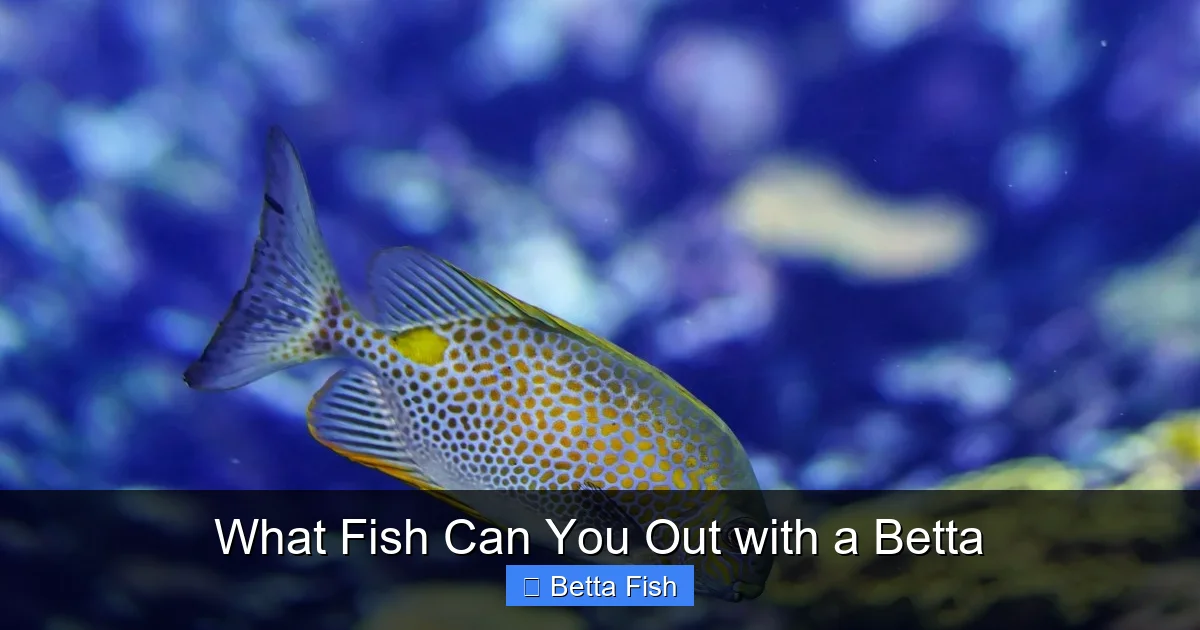
While a 5‑gallon bowl is fine for a single betta, a community setup needs at least 20 gallons (75 L). This extra volume creates distinct territories and allows you to place décor strategically.
Visual guide about What Fish Can You Out with a Betta
Image source: c.pxhere.com
Water Parameters
- Temperature: 76‑82 °F (24‑28 °C) – most tropical community fish thrive here.
- pH: 6.5‑7.5 – a neutral range keeps both betta and tetras happy.
- Hardness: 5‑20 dGH – moderate hardness works for most compatible species.
Filtration and Flow
A gentle filter is essential. Strong currents can stress bettas, who prefer calm water near the surface. Choose a sponge filter or a low‑flow hang‑on‑back unit.
3. Top Fish Candidates for Betta Companionship
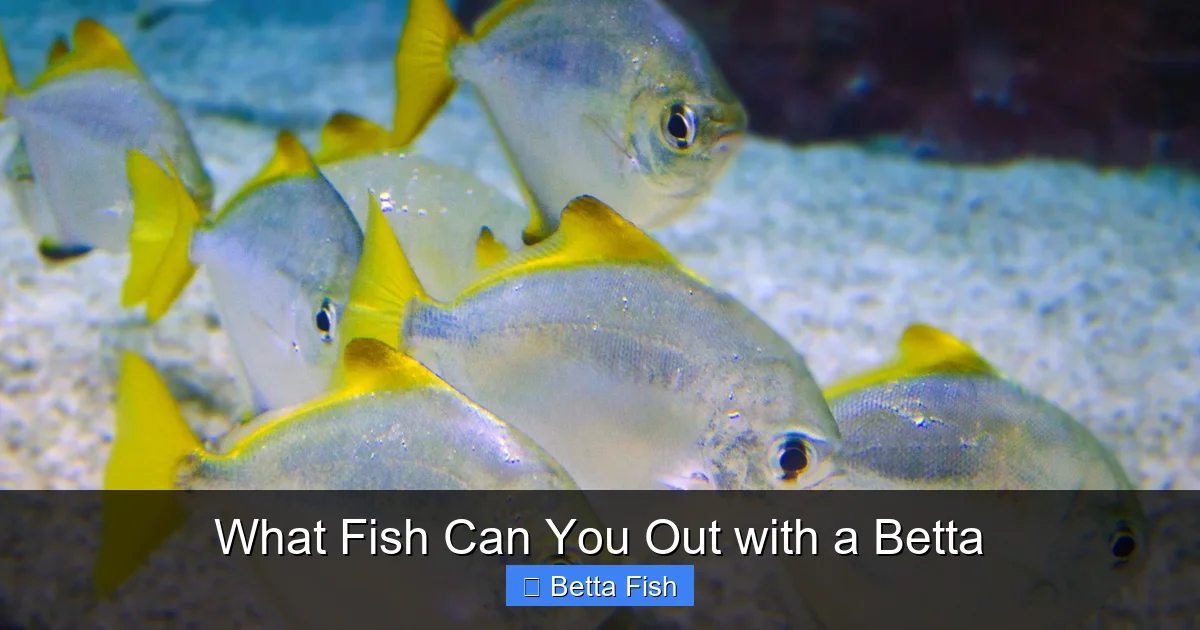
Below are the most reliable community members that answer the “what fish can you out with a betta” question. Each entry includes temperament, size, and care tips.
Visual guide about What Fish Can You Out with a Betta
Image source: publicdomainpictures.net
3.1. Neon Tetra (Paracheirodon innesi)
- Size: 1.5 in (3.8 cm)
- Temperament: Peaceful shoaler; best kept in groups of 6‑10.
- Why they work: Their tiny size and mid‑water swimming level keep them out of the betta’s line of sight.
- Tip: Provide dense plants like Java fern to give tetras hiding places.
3.2. Ember Tetra (Hyphessobrycon amandae)
- Size: 1 in (2.5 cm)
- Temperament: Calm, schooling fish.
- Why they work: Their soft orange hue is less likely to trigger a betta’s flare than bright reds.
- Tip: Keep a group of at least 8 for confidence.
3.3. Harlequin Rasbora (Trigonostigma heteromacula)
- Size: 2 in (5 cm)
- Temperament: Gentle, active swimmers.
- Why they work: They occupy the middle to upper water column without lingering near the surface.
- Tip: Add floating plants to break up sight lines.
3.4. Corydoras Catfish (Corydoras spp.)
- Size: 2‑3 in (5‑7.5 cm)
- Temperament: Bottom‑dwelling, non‑aggressive.
- Why they work: They stay on the substrate, cleaning leftover food, and rarely interact with the betta.
- Tip: Keep a small group (3‑5) for social behavior.
3.5. Otocinclus Catfish (Otocinclus affinis)
- Size: 1 in (2.5 cm)
- Temperament: Shy algae‑eater.
- Why they work: Their tiny size and bottom‑grazing habit keep them out of the betta’s spotlight.
- Tip: Provide plenty of algae or a blanched vegetable supplement.
3.6. Kuhli Loach (Pangio kuhlii)
- Size: 4‑6 in (10‑15 cm)
- Temperament: Nocturnal, peaceful.
- Why they work: They hide in sand and driftwood, never challenging the betta.
- Tip: Keep a soft substrate and plenty of cover.
3.7. Small Shrimp (Cherry, Ghost, Amano)
- Size: 0.5‑1.5 in (1‑4 cm)
- Temperament: Generally peaceful, but some bettas view shrimp as prey.
- Why they work: If the betta is calm, shrimp add activity and help clean algae.
- Tip: Use plenty of live plants and hideouts; read Can You Have Shrimp With Betta Fish for detailed guidance.
3.8. Snails (Mystery, Nerite)
- Size: 1‑2 in (2.5‑5 cm)
- Temperament: Non‑aggressive, excellent algae eaters.
- Why they work: They occupy the glass and tank walls, staying out of the betta’s direct view.
- Tip: Add Can You Have A Snail With A Betta Fish for more snail‑specific care.
4. Fish to Avoid – Common Pitfalls
Fin‑Nipping Species
Barbs, tiger loaches, and certain cichlids love to nip at fins. A betta’s long, flowing tail becomes an easy target, leading to stress or infection.
Bright, Long‑Finned Fish
Guppies, fancy goldfish, and some zebrafish display bright colors and large fins that can be mistaken for a rival betta. These are best kept in a separate tank.
Other Betta Males
Two male bettas will almost always fight, regardless of tank size. Even a female betta can become aggressive if she feels her space is invaded.
Large, Fast Swimmers
Species like danios or larger tetras may out‑swim the betta, causing the betta to become territorial and chase them, which can stress both parties.
5. Setting Up a Successful Betta Community Tank
Step‑by‑Step Setup
- Choose the right tank: 20‑gallon minimum, with a lid to prevent jumps.
- Install substrate and décor: Use fine sand or smooth gravel; add driftwood, caves, and live plants (e.g., Anubias, Java moss).
- Set up filtration: Low‑flow sponge filter; prime it before turning on.
- Condition water: Use a water conditioner to remove chlorine and chloramine.
- Cycle the tank: Allow the nitrogen cycle to complete (approx. 4‑6 weeks) before adding any fish.
- Introduce betta first: Let the betta acclimate for a few days to the new environment.
- Add community fish gradually: Use a net or “neutral” tank to introduce one species at a time, watching for signs of stress.
- Monitor daily: Look for flares, color changes, or fin damage. If aggression occurs, be ready to re‑home the aggressor.
Maintenance Tips
- Perform 25‑30% water changes weekly.
- Trim plants to prevent overgrowth that can hide waste.
- Feed a varied diet: high‑quality betta pellets, frozen or live daphnia, and occasional vegetable matter for herbivorous tank mates.
- Test water parameters weekly; keep ammonia at 0 ppm.
When Things Go Wrong
If you notice your betta constantly flaring at a particular fish, consider moving that fish to a separate tank. Sometimes a simple rearrangement of décor (adding more plants or rearranging caves) can break the line of sight and calm both parties.
6. Frequently Overlooked Additions: Algae Eaters and Live Plants
Algae Eaters
Species like the Siamese algae eater (Crossocheilus siamensis) can coexist with bettas if the tank is large enough. They stay near the glass and help control algae growth.
Read Can You Have An Algae Eater With A Betta Fish for detailed compatibility notes.
Live Plants
Plants are more than decoration; they provide hiding spots and improve water quality. Fast‑growing stem plants like Hornwort create a “soft barrier” that reduces visual aggression.
Conclusion: Creating a Peaceful Betta Community
Answering the question “what fish can you out with a betta” is less about a single magic species and more about understanding the betta’s temperament, providing ample space, and selecting peaceful, appropriately sized tank mates. By following the guidelines above, you can build a colorful, active aquarium where your betta thrives alongside tetras, rasboras, catfish, shrimp, and snails.
Remember, every betta is an individual. Observe behavior closely, be ready to adjust, and enjoy the process of creating a harmonious underwater world.
Frequently Asked Questions
Can a male betta live with other fish?
Yes, if the tank is at least 20 gallons and the other fish are peaceful, small, and have short fins. Avoid bright, long‑tailed species that may trigger aggression.
Are female bettas easier to keep with tank mates?
Generally, females are less territorial than males, making them a bit more forgiving of community setups. Still, provide plenty of hiding places and monitor interactions.
What is the smallest tank size for a betta community?
While a 5‑gallon bowl works for a solitary betta, a community tank should be a minimum of 20 gallons to give each fish its own space.
Can I keep shrimp with my betta?
Some bettas tolerate shrimp, especially larger varieties like Amano shrimp. Provide dense plants and monitor the betta’s behavior closely.
Do snails harm bettas?
Snails are safe and can help clean algae. Betta fish usually ignore them, but a very aggressive betta might try to nip at a slow‑moving snail.
How often should I feed a mixed betta tank?
Feed small amounts 2‑3 times daily, offering a mix of betta pellets, micro‑worms, and vegetable flakes. Remove uneaten food within a few minutes to keep water quality high.

