Wondering how to find betta fish male or female? This guide breaks down the easy visual signs, fin differences, and behavior clues you need to spot the gender of your betta. Follow our step‑by‑step tips and avoid common mistakes for a thriving aquarium.
Key Takeaways
- Fin shape matters: Males have long, flowing fins; females have shorter, rounded ones.
- Body size clues: Males are usually slimmer and more vibrant; females are bulkier.
- Egg spot indicator: Look for a small “dot” near the vent on females.
- Behavioral hints: Males flare and guard territory; females are calmer.
- Age factor: Younger bettas show fewer differences; wait 3‑4 weeks for clear signs.
- Safe handling: Use a net or clear container to observe without stressing the fish.
- Know the risks: Mixing sexes without a proper breeding setup can lead to aggression.
📑 Table of Contents
- Introduction: Why Knowing Betta Gender Matters
- 1. Physical Characteristics: The First Clues
- 2. Behavioral Indicators: What Your Betta Does
- 3. Age and Development: When to Start Looking
- 4. Tools and Techniques for Accurate Identification
- 5. Common Mistakes and How to Avoid Them
- 6. Practical Step‑by‑Step Guide: How to Find Betta Fish Male or Female
- Conclusion: Mastering Gender Identification for a Happier Betta
Introduction: Why Knowing Betta Gender Matters
Betta fish are dazzling, low‑maintenance companions, but their striking colors hide an important detail: gender. Whether you’re a beginner setting up a first tank or an experienced hobbyist planning a breeding project, knowing how to find betta fish male or female is essential. The right gender choice influences tank setup, feeding routines, and even the overall happiness of your finned friend.
Many new owners assume all bettas look the same, only to discover later that a “male” turned out to be a “female” and vice‑versa. Misidentifying gender can lead to unwanted aggression, failed breeding attempts, or a mismatched aquarium aesthetic. This article walks you through every visual and behavioral cue, offers practical examples, and shares tips to avoid common pitfalls—all in a friendly, easy‑to‑read style.
1. Physical Characteristics: The First Clues
1.1. Fin Length and Shape
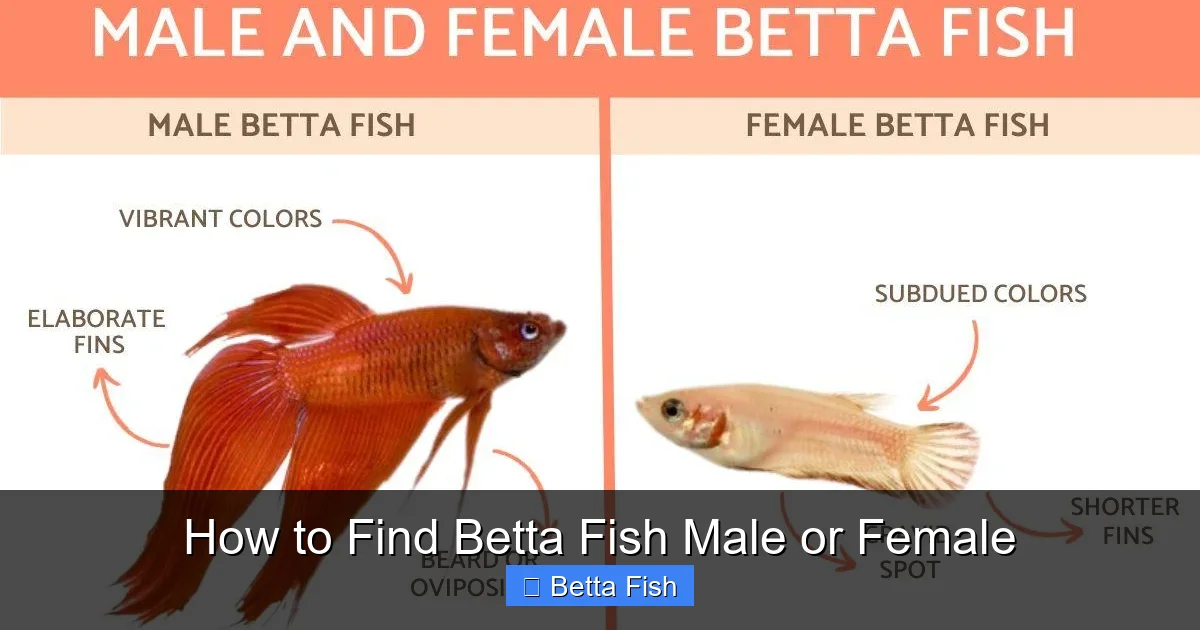
The most obvious difference is the fins. Male bettas (often called “Siamese fighting fish”) develop long, flowing fins that can look like a royal cape. Their dorsal, anal, and caudal fins are broad and may trail several inches behind the body. Female fins are shorter, more rounded, and lack the dramatic flare of a male’s.
1.2. Body Thickness and Size
Male bettas tend to be slimmer and more elongated, while females are generally thicker and more robust. This extra body mass helps females carry eggs during spawning. When you compare two similarly aged bettas side by side, the female will usually appear “chunkier.”
1.3. The Egg Spot (Ovipositor)
Look closely at the vent (the small opening near the base of the anal fin). Females often have a tiny, dark dot called the egg spot or ovipositor. It’s subtle, but under good lighting it appears as a small, darkened area. Males lack this spot.
1.4. Color Intensity
While both sexes can be vibrant, males usually display brighter, more saturated colors—especially during breeding season. Females may show pastel tones, and their colors can become more vivid only when they are ready to spawn.
1.5. Example: Spotting a Female in a Community Tank
Imagine you have a 5‑gallon tank with three bettas. One fish has a slightly wider body, a short veil tail, and a faint dark spot near the vent. Those are the hallmarks of a female. The other two have long, flowing fins and flare their gills when you approach—classic male behavior.
2. Behavioral Indicators: What Your Betta Does
2.1. Territory and Aggression
Males are territorial warriors. They will flare their gills, flare their fins, and may even bite at reflections or other fish. Females are less aggressive and tend to be more social, especially when kept in groups of all females.
Visual guide about How to Find Betta Fish Male or Female
Image source: cdn0.animalwised.com
2.2. Courtship Displays
If you have a male and a female together (in a proper breeding tank), the male will build a bubble nest and perform a “wiggle” dance near the surface. The female will respond by becoming still and may show a slightly swollen belly as she prepares to release eggs.
2.3. Feeding Patterns
Both sexes eat similarly, but during breeding males may become more protective of the nest area and chase the female away after spawning. Observing who guards the bubble nest can confirm a male’s identity.
3. Age and Development: When to Start Looking
3.1. Juvenile Betta Identification
Betta fry (baby fish) look nearly identical regardless of gender. It usually takes 3–4 weeks for fin differences to emerge. Patience is key—avoid rushing to label a young fish.

Visual guide about How to Find Betta Fish Male or Female
Image source: ekk4j69ebaa.exactdn.com
3.2. The “Pre‑Adult” Stage
At about 1‑2 months old, males begin to develop longer fins, and females start to gain a fuller body shape. This is a good time to start checking for the egg spot and fin length.
3.3. Practical Tip: Use a Clear Container
Gently move the fish into a clean, clear container with a small amount of tank water. This reduces stress and lets you view the vent and fins from all angles. Always return the fish quickly to avoid prolonged handling.
4. Tools and Techniques for Accurate Identification
4.1. Lighting
Bright, natural‑type lighting (or a daylight LED) makes colors pop and highlights the egg spot. Avoid harsh fluorescent lights that can cause glare.
4.2. Magnification
A simple magnifying glass or a smartphone camera with zoom can help you see the tiny ovipositor on a female.
4.3. Reference Guides
Keep a reliable guide handy. Our article How To Tell If Betta Fish Are Male Or Female offers side‑by‑side photos that are great for quick comparison.
4.4. Record Keeping
Write down the date you first observed gender traits. This helps track growth and confirms your assessment as the fish matures.
5. Common Mistakes and How to Avoid Them
5.1. Assuming All Veil‑Tail Betta Are Males
Some females naturally develop longer fins, especially certain fancy varieties. Always check the egg spot before deciding.
5.2. Relying on Color Alone
Bright colors can appear in both sexes, especially in selectively bred strains. Combine color observation with fin shape and body thickness.
5.3. Stress‑Induced Color Changes
Stressed bettas may dull their colors, making gender harder to spot. Ensure water parameters are stable (pH 6.5‑7.5, temperature 78‑80 °F) before attempting identification.
5.4. Mixing Genders Without a Breeding Setup
If you accidentally house a male and female together in a small tank, aggressive fights can occur. Learn more about safe cohabitation in Can You Keep Male And Female Betta Fish Together.
6. Practical Step‑by‑Step Guide: How to Find Betta Fish Male or Female
- Prepare a calm environment. Dim the lights slightly, and make sure the water is clean and at the right temperature.
- Gather tools. You’ll need a small net, a clear container, a magnifying glass, and a bright LED lamp.
- Gently net the fish. Scoop the betta from the tank, avoiding sudden movements.
- Transfer to the container. Place the fish in a shallow cup with a few inches of tank water.
- Observe the fins. Look for long, flowing fins (male) versus short, rounded fins (female).
- Check the vent area. Use the magnifier to locate a dark dot (egg spot) on females.
- Note body shape. A slimmer profile suggests a male; a fuller, rounder body suggests a female.
- Record your findings. Write down the gender, date, and any notable behaviors.
- Return the fish. Gently place the betta back into the tank and observe any immediate stress signals.
Following these steps will give you confidence in identifying your betta’s gender, whether you’re planning a breeding program or simply want the right companion for your aquarium.
Conclusion: Mastering Gender Identification for a Happier Betta
Learning how to find betta fish male or female is not just a hobbyist’s curiosity—it’s a cornerstone of responsible betta care. By paying attention to fin shape, body size, the subtle egg spot, and behavior, you can accurately determine gender with minimal stress to your fish. Remember to use proper lighting, gentle handling, and reliable reference material. With practice, you’ll spot the differences at a glance, making tank planning, breeding, and daily care far easier.
Now that you’re equipped with the knowledge, go ahead and enjoy the beautiful diversity of your bettas, confident that you’re giving each the environment it needs to thrive.
Frequently Asked Questions
How can I tell if my betta is male or female without harming it?
Observe fin length, body shape, and look for the tiny egg spot near the vent. Use a clear container and gentle netting to minimize stress.
Do all male bettas have long fins?
Most males develop long, flowing fins, but some fancy varieties may have shorter fins. Always check for the egg spot to confirm.
Can I keep a male and female betta together?
Only in a dedicated breeding tank with a bubble nest. In a regular tank they will likely fight. See Can You Keep Male And Female Betta Fish Together for details.
How long does it take for a betta fry to show gender differences?
Typically 3‑4 weeks. Until then, focus on proper feeding and water quality rather than gender.
What if my betta’s colors are dull?
Dull colors can indicate stress or poor water conditions. Check temperature, pH, and ammonia levels, and improve lighting.
Is there a risk of misidentifying a female as a male?
Yes, especially with fancy strains. Verify by looking for the egg spot and body thickness; when in doubt, consult a detailed guide like How To Differentiate Male And Female Betta Fish.

