Is It Better to Eat Cook or Raw Fish
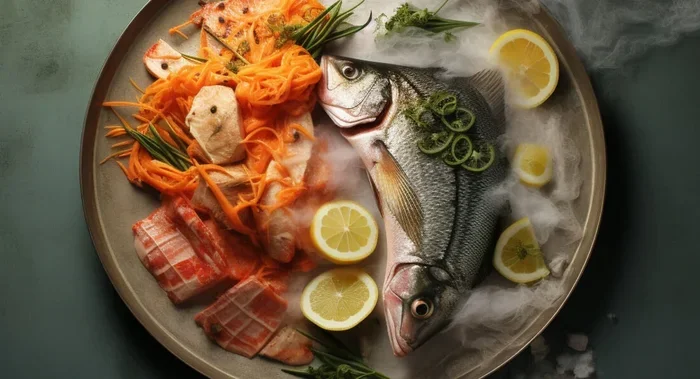
Eating raw fish offers unique nutrients and bold flavors, while cooked fish provides safer digestion and higher protein availability. Both options have real health benefits, but your choice depends on safety concerns, personal taste, and nutritional goals. This guide breaks down the key differences so you can make an informed decision about cooked vs raw fish.
Is it better to eat cook or raw fish? This question sparks debate among food lovers, health enthusiasts, and home cooks alike. The answer is not as simple as picking one over the other. Both cooked and raw fish bring something unique to the table. Your best choice depends on what you value most: nutrition, safety, taste, or convenience.
Raw fish has been a staple in cuisines around the world for centuries. Think of Japanese sashimi, Spanish ceviche, or Scandinavian gravlax. These dishes celebrate the natural flavor of the sea. On the other hand, cooked fish opens up a world of preparation methods. Grilling, baking, steaming, and frying all transform fish into comforting meals. Let us dive deep into the cook vs raw fish debate and explore what each option really offers.
Key Takeaways
- Raw fish preserves more omega-3 fatty acids: Heat can break down delicate nutrients, making raw preparations like sashimi a strong choice for heart and brain health.
- Cooking fish reduces parasite and bacteria risks: Proper cooking kills harmful pathogens that can cause foodborne illness, making it the safer option for most people.
- Protein digestibility increases with cooking: Your body absorbs more protein from cooked fish compared to raw fish, supporting muscle growth and recovery.
- Taste and texture differ significantly: Raw fish offers a clean, fresh flavor and silky texture, while cooked fish provides richer, more varied taste profiles.
- Only certain fish are safe to eat raw: Species like tuna and salmon are commonly consumed raw, but others carry higher risks unless properly handled.
- Both options support overall health: Whether you prefer cooked or raw fish, regular fish consumption delivers powerful benefits for your body and mind.
📑 Table of Contents
- Understanding Raw Fish: Benefits and Risks
- The Case for Cooked Fish: Nutrition and Safety
- Cooked vs Raw Fish: Nutrition Comparison
- Taste and Texture: Raw vs Cooked Fish
- Which Fish Is Safe to Eat Raw?
- Health Benefits of Eating Fish Regularly
- Common Mistakes People Make With Fish
- Quick Tips for Choosing Between Raw and Cooked Fish
- Conclusion
Understanding Raw Fish: Benefits and Risks
Nutritional Advantages of Raw Fish
Raw fish retains nutrients that heat can destroy. Omega-3 fatty acids are one of the biggest reasons people eat fish in the first place. These healthy fats support your heart, brain, and joints. Cooking fish at high temperatures can reduce omega-3 content. Eating fish raw helps preserve these delicate compounds.
Raw fish also maintains its full vitamin B12 levels. This vitamin is essential for nerve function and energy production. It also keeps more of its natural protein structure intact. Some enzymes and micronutrients survive better without heat exposure.
Common Raw Fish Preparations
People around the world enjoy raw fish in many forms:
- Sashimi: Thinly sliced raw fish served with soy sauce and wasabi
- Ceviche: Fish cured in citrus juice, popular in Latin America
- Gravlax: Cured salmon with dill and salt, a Nordic favorite
- Tartare: Finely chopped raw fish mixed with seasonings
- Poke bowls: Hawaiian-style raw fish served over rice
Safety Concerns with Raw Fish
Raw fish does come with risks. Parasites like roundworms and tapeworms can live in raw fish. Bacteria such as Salmonella and Listeria may also be present. These risks are higher with freshwater fish than saltwater species. Pregnant women, young children, and people with weak immune systems should avoid raw fish entirely.
Proper handling and freezing reduce these dangers. The FDA recommends freezing fish at -20°C for at least 7 days before consuming it raw. Always buy fish from reputable suppliers who follow strict food safety standards.
If you want to learn more about the safety aspects of consuming raw versus cooked seafood, check out our detailed guide on is raw fish better for you than cooked. This resource covers the health implications in depth.
The Case for Cooked Fish: Nutrition and Safety
Why Cooking Fish Makes Sense
Cooking fish kills harmful bacteria and parasites. This makes it the safer choice for most people. Heat also breaks down proteins, making them easier to digest. Your body can absorb more cooked fish protein than raw fish protein.
Cooking also reduces the risk of foodborne illness. Raw fish can harbor pathogens that cause stomach problems, nausea, and even serious infections. For people with sensitive stomachs or compromised immune systems, cooked fish is the clear winner.
Nutritional Changes During Cooking
Cooking does alter the nutritional profile of fish. Some heat-sensitive vitamins like B12 and thiamine decrease with cooking. However, cooking increases the bioavailability of certain minerals like selenium and zinc. Your body absorbs these nutrients more easily from cooked fish.
One major downside of cooking is the loss of omega-3 fatty acids. High heat breaks down these healthy fats. Baking and steaming preserve more omega-3s than frying. Using gentle cooking methods helps retain more of the nutritional value.
Popular Cooking Methods
There are many ways to prepare cooked fish:
- Grilling: Adds smoky flavor and works well with firm fish like salmon and tuna
- Baking: A gentle method that keeps fish moist and tender
- Steaming: Preserves the most nutrients and requires no added fat
- Pan-frying: Creates a crispy exterior but uses more oil
- Poaching: A healthy method that keeps fish delicate and flavorful
Each method brings out different flavors and textures. Steaming is often considered the healthiest option because it preserves nutrients best. Grilling adds great flavor but can form harmful compounds if you char the fish too much.
Cooked vs Raw Fish: Nutrition Comparison
Let us compare the nutritional profiles side by side. The table below highlights key differences between raw and cooked fish:
- Omega-3 fatty acids: Raw fish retains more omega-3s because heat does not break them down
- Protein digestibility: Cooked fish offers more digestible protein, meaning your body uses it more efficiently
- Vitamin B12: Raw fish contains more B12 since cooking destroys some of this vitamin
- Mineral absorption: Cooked fish allows better absorption of minerals like zinc and selenium
- Calorie content: Raw and cooked fish have similar calories, but added oils during cooking increase the count
- Parasite risk: Raw fish carries higher parasite risk; cooking eliminates this concern
The winner depends on what nutrient you prioritize. If you want maximum omega-3 intake, raw fish has the edge. If you want safe protein digestion, cooked fish is better.
For more information about choosing the right fish for your diet, explore our article on which fish is better to eat. It covers the best species for different dietary needs.
Taste and Texture: Raw vs Cooked Fish
Flavor is a big part of why people choose one over the other. Raw fish tastes clean, fresh, and briny. It has a silky, melt-in-your-mouth texture that many people find irresistible. The natural sweetness of the fish shines through without any interference from spices or heat.
Cooked fish offers a completely different experience. The cooking process creates new flavor compounds through the Maillard reaction. This gives cooked fish a richer, more complex taste. Grilled fish has smoky char notes. Baked fish absorbs the flavors of herbs, lemon, and butter. Steamed fish keeps a delicate, natural taste.
Texture also changes dramatically. Raw fish feels smooth and almost buttery. Cooked fish can be flaky, tender, or firm depending on the method. Some people prefer the firm bite of seared tuna steak, while others love the soft dissolve of raw salmon sashimi.
Your personal preference matters a lot here. If you enjoy the pure taste of the ocean, raw fish might be your thing. If you love bold flavors and varied textures, cooked fish gives you more options.
Which Fish Is Safe to Eat Raw?
Not all fish are created equal when it comes to raw consumption. Some species are much safer than others. Knowing which fish to choose makes a big difference in your risk level.
Best Fish for Raw Eating
These species are commonly eaten raw and have lower parasite risks:
- Tuna: Fresh tuna is one of the safest raw fish options
- Salmon: Farmed salmon is often parasite-free and safe for raw consumption
- Yellowtail (Hamachi): A popular choice for sashimi and sushi
- Halibut: Mild flavor and firm texture work well raw
- Sea Bass: Delicate and safe when sourced properly
Fish to Avoid Eating Raw
Some fish carry higher risks when consumed raw:
- Freshwater fish: Higher parasite risk compared to saltwater species
- Cod: Can contain harmful parasites that survive raw preparation
- Herring: Often requires curing before safe raw consumption
- Wild-caught fish: May carry more parasites than farmed alternatives
Always ask your fishmonger about the sourcing and handling of the fish. Reputable suppliers follow strict protocols to make their fish safe for raw eating. Freezing fish at proper temperatures before serving raw also reduces risk significantly.
When planning your next fishing trip, keep in mind that conditions like fishing in the sun or shade can affect your catch quality, which in turn impacts the freshness of fish you plan to eat raw.
Health Benefits of Eating Fish Regularly
Whether you prefer your fish raw or cooked, eating fish regularly delivers powerful health benefits. Fish is one of the most nutrient-dense foods available.
Heart Health
The omega-3 fatty acids in fish support cardiovascular health. They reduce inflammation, lower blood pressure, and decrease the risk of heart disease. Eating fish two to three times per week provides optimal heart protection.
Brain Function
Fish consumption supports brain health at every age. Omega-3s improve memory, focus, and cognitive function. They may also reduce the risk of neurodegenerative diseases like Alzheimer’s. Raw fish preserves more omega-3s, but cooked fish still delivers significant brain benefits.
Muscle and Joint Health
Fish protein helps build and repair muscles. The anti-inflammatory properties of omega-3s ease joint pain and stiffness. People who eat fish regularly often experience less inflammation and better mobility.
Mood and Mental Health
Studies show that regular fish consumption supports mental health. Omega-3 fatty acids help regulate mood and may reduce symptoms of depression and anxiety. Eating fish a few times per week can contribute to better emotional well-being.
Common Mistakes People Make With Fish
Avoid these common pitfalls when choosing between raw and cooked fish:
- Assuming all raw fish is safe: Not every fish species is safe to eat raw. Always verify the species and sourcing before consuming fish raw.
- Overcooking fish: Overcooked fish becomes dry and tasteless. Cook fish just until it flakes easily with a fork to keep it moist and nutritious.
- Ignoring freshness: Whether raw or cooked, fish must be fresh. Check for clear eyes, firm flesh, and a clean ocean smell.
- Adding too much oil when cooking: Frying fish in heavy oil adds unnecessary calories and can reduce the health benefits of the fish.
- Skipping proper freezing: If you plan to eat fish raw, freeze it at the proper temperature first to kill parasites.
For those who enjoy fishing and then eating their catch, remember that using raw vs cooked bait also affects your catch quality, which ultimately impacts the freshness of the fish you bring home to eat.
Quick Tips for Choosing Between Raw and Cooked Fish
- Choose raw fish if you want maximum omega-3 preservation and enjoy fresh, clean flavors
- Choose cooked fish if safety is your top priority or if you prefer richer, more varied flavors
- Purchase from trusted suppliers who follow proper handling and freezing protocols
- Use gentle cooking methods like steaming or baking to preserve the most nutrients
- When in doubt, cook it thoroughly to eliminate any risk of foodborne illness
- Experiment with both to discover which preparation methods you enjoy most
Remember that fishing conditions can affect the quality of your catch. Fresh fish from a good source makes both raw and cooked preparations taste better and safer to eat.
Conclusion
The debate between cooked vs raw fish comes down to personal preference, health goals, and safety considerations. Raw fish offers superior omega-3 preservation and a clean, fresh taste. Cooked fish provides better safety, higher protein digestibility, and a wider range of flavors and textures.
Both options deliver excellent health benefits when sourced properly and prepared safely. The best approach might be enjoying both. Try raw fish preparations like sashimi or ceviche for their unique nutritional perks. Enjoy cooked fish for its safety and comforting flavors. Variety is the spice of life, and it applies to fish preparation too.
Whatever you choose, make fish a regular part of your diet. Your heart, brain, and joints will thank you. Just remember to source your fish wisely, handle it properly, and enjoy the process of exploring different preparations.
Frequently Asked Questions
Can I eat any fish raw?
No, not all fish are safe to eat raw. Saltwater species like tuna, salmon, and yellowtail are generally safer for raw consumption. Freshwater fish and certain wild-caught species carry higher parasite risks. Always buy from reputable suppliers and check if the fish is meant for raw eating.
Does cooking fish destroy omega-3 fatty acids?
Yes, high heat can break down omega-3 fatty acids. However, gentle cooking methods like steaming and baking preserve more omega-3s than frying. Raw fish retains the most omega-3s, but cooked fish still provides significant health benefits.
Is raw fish safer than cooked fish?
No, raw fish carries higher risks of parasites and bacteria. Cooking fish properly kills harmful pathogens and makes it safer for most people. Raw fish should only be consumed when it has been properly handled, sourced, and frozen according to food safety guidelines.
What is the best cooking method for fish?
Steaming and baking are considered the healthiest cooking methods because they preserve the most nutrients and require no added fat. Grilling adds great flavor but can form harmful compounds if you char the fish. Avoid deep-frying for the healthiest option.
Who should avoid eating raw fish?
Pregnant women, young children, elderly adults, and people with weakened immune systems should avoid raw fish. The risk of foodborne illness from parasites and bacteria is too high for these groups. They should always choose properly cooked fish instead.
How can I tell if fish is fresh enough to eat raw?
Fresh fish has clear, bright eyes, firm flesh that springs back when pressed, and a clean ocean smell. The gills should be bright red. Avoid fish with a dull appearance, soft flesh, or a strong fishy ammonia smell. Always purchase raw fish from trusted, reputable suppliers.