Is Fish Oil or Glucosamine Better for Joints
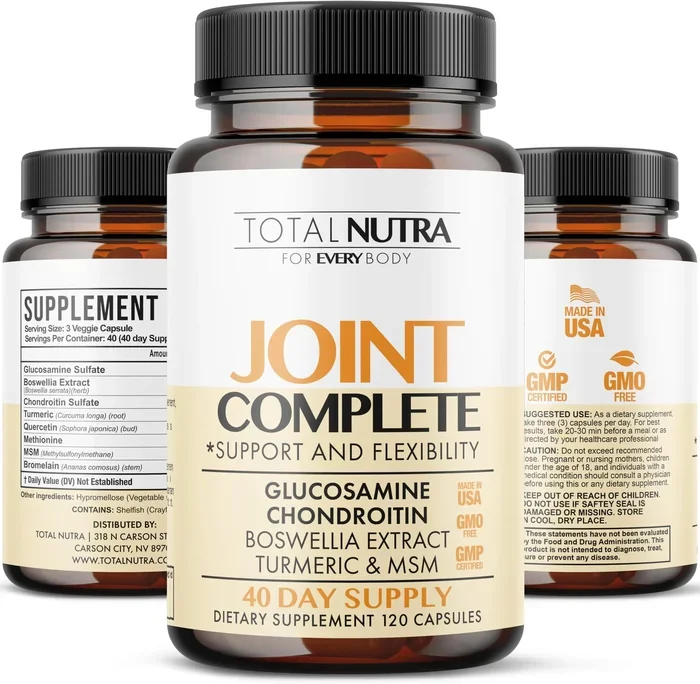
Fish oil and glucosamine both support joint health, but they work in very different ways. Fish oil reduces inflammation through omega-3 fatty acids, while glucosamine helps rebuild cartilage and cushion your joints. This guide breaks down the real differences so you can choose the right option for your needs.
Joint pain can make everyday life feel like a battle. Whether you are climbing stairs, typing at a desk, or just trying to get out of bed in the morning, sore joints slow you down.
When you start looking for relief, two names pop up again and again: fish oil and glucosamine. Both are popular joint supplements. But which one actually works better? That is exactly what we are going to break down today.
In this article, you will learn how each supplement works, what the science says, and how to pick the right option for your specific joint needs. By the end, you will have a clear answer to the question: is fish oil or glucosamine better for joints?
Key Takeaways
- Fish oil fights joint inflammation at the source using omega-3 fatty acids.
- Glucosamine supports cartilage repair and joint lubrication over time.
- Both supplements have strong evidence but target different joint health pathways.
- Combining fish oil and glucosamine may offer the best results for some people.
- Your specific joint issue (inflammation vs. wear-and-tear) determines which works better.
- Always talk to a doctor before starting any new supplement routine.
📑 Table of Contents
- What Is Fish Oil and How Does It Help Joints?
- What Is Glucosamine and How Does It Help Joints?
- Fish Oil vs Glucosamine: Head-to-Head Comparison
- What Does the Science Say?
- Side Effects and Safety Considerations
- How to Choose the Right Supplement for Your Joints
- Common Mistakes People Make with Joint Supplements
- Final Thoughts
What Is Fish Oil and How Does It Help Joints?
Fish oil comes from the tissues of fatty fish like salmon, mackerel, and sardines. It is packed with omega-3 fatty acids, especially EPA and DHA. These are the compounds that give fish oil its powerful health benefits.
When it comes to joint health, fish oil works primarily by reducing inflammation. Omega-3 fatty acids interfere with the chemicals your body produces that cause swelling and pain in your joints. This makes fish oil a go-to choice for people dealing with stiff, swollen, or tender joints.
The Anti-Inflammatory Power of Omega-3s
Inflammation is the root cause of many joint problems. When your body’s immune response goes into overdrive, it attacks your own joint tissues. This leads to pain, redness, and reduced mobility.
Omega-3 fatty acids from fish oil help calm this response. They reduce the production of inflammatory molecules called cytokines. Over time, this can lead to less joint pain and improved range of motion.
Studies have shown that people who take fish oil regularly report less morning stiffness and fewer tender joints. The effects are not instant, but they build up over several weeks of consistent use.
Who Benefits Most from Fish Oil for Joints?
Fish oil tends to work best for people whose joint pain is driven by inflammation. This includes those with:
- Rheumatoid arthritis — an autoimmune condition that causes joint inflammation
- General stiffness from sitting too long or aging
- Post-exercise soreness that lingers longer than it should
- Morning stiffness that improves as the day goes on
If your joints feel hot, swollen, or puffy, fish oil may be exactly what you need. The anti-inflammatory properties of omega-3s target these symptoms directly.
What Is Glucosamine and How Does It Help Joints?
Glucosamine is a natural compound found in your cartilage. Cartilage is the tough, flexible tissue that cushions your joints and prevents bones from rubbing together.
As you age or experience wear and tear, your cartilage breaks down. Glucosamine supplements aim to help rebuild this cushion. They provide your body with the raw materials it needs to maintain and repair joint cartilage.
How Glucosamine Supports Cartilage Health
Glucosamine works differently from fish oil. Instead of fighting inflammation, it focuses on structural repair. It helps your body produce glycosaminoglycans, which are key building blocks of healthy cartilage.
Think of it this way: if fish oil is like putting out a fire, glucosamine is like rebuilding the house after the fire. Both are important, but they serve different purposes in joint health.
Many people take glucosamine for osteoarthritis, which is the wear-and-tear type of joint disease. In osteoarthritis, cartilage wears down over time, causing bone-on-bone pain. Glucosamine may help slow this process and even improve joint function.
Who Benefits Most from Glucosamine for Joints?
Glucosamine is often a better fit for people dealing with:
- Osteoarthritis and age-related joint degeneration
- Cartilage loss from previous injuries or overuse
- Chronic joint stiffness that does not improve with rest
- Knee and hip pain specifically linked to cartilage breakdown
If you have a grinding or catching sensation in your joints, glucosamine might be the better choice. It supports the structural integrity of your joints from the inside out.
Fish Oil vs Glucosamine: Head-to-Head Comparison
So how do fish oil and glucosamine stack up against each other? Let us break it down in a simple comparison.
| Factor | Fish Oil | Glucosamine |
|---|---|---|
| Primary Benefit | Reduces inflammation | Rebuilds cartilage |
| Best For | Inflammatory joint pain | Wear-and-tear joint damage |
| Speed of Results | Weeks to a few months | Two to three months |
| Side Effects | Fishy aftertaste, blood thinning | Mild stomach upset |
| Scientific Support | Strong evidence for inflammation | Moderate evidence for cartilage |
| Typical Dose | 1,000–3,000 mg EPA+DHA | 1,500 mg per day |
The truth is that neither supplement is a magic bullet. Fish oil excels at reducing the inflammatory signals that cause joint pain. Glucosamine excels at providing the building blocks your body needs to maintain healthy cartilage.
For many people, the answer is not choosing one over the other. It is using both together. Combining fish oil or glucosamine in your routine can address both the inflammation and the structural damage that contribute to joint problems.
What Does the Science Say?
Let us look at what the research actually tells us about these two popular supplements.
Research on Fish Oil for Joints
Numerous clinical studies have explored the benefits of fish oil for joint health. A review published in the journal Omega-3 Fatty Acids found that EPA and DHA significantly reduced joint pain and morning stiffness in patients with rheumatoid arthritis.
Other studies have shown that omega-3 fatty acids can reduce the need for anti-inflammatory medications. This is important because long-term use of painkillers can damage your stomach and liver.
The evidence for fish oil is strong and growing. If you want a supplement backed by solid science for fighting joint inflammation, fish oil is a top contender.
Research on Glucosamine for Joints
The research on glucosamine is a bit more mixed. Some studies show significant improvements in joint pain and function, while others show only modest benefits.
A large study funded by the National Institutes of Health found that glucosamine did not significantly reduce knee osteoarthritis pain compared to a placebo. However, other well-designed studies have shown real benefits, especially for people with moderate to severe joint pain.
The inconsistency in the research may come down to the type of glucosamine used. Glucosamine sulfate appears to work better than glucosamine hydrochloride. The quality and dosage of the supplement also matter a great deal.
If you are comparing is glucosamine or fish oil better for joints, the scientific evidence currently favors fish oil for inflammation. But glucosamine still has a place, especially for cartilage-related joint issues.
Can You Take Both Together?
Absolutely. Many health professionals recommend combining fish oil with glucosamine for comprehensive joint support. Fish oil handles the inflammation side while glucosamine works on rebuilding damaged cartilage.
This combination approach addresses joint health from multiple angles. It is like having both a fire extinguisher and a repair crew working on your joints at the same time.
Side Effects and Safety Considerations
Both supplements are generally safe for most people. But they do come with some things to watch out for.
Fish Oil Side Effects
Fish oil is well tolerated by most people. The most common complaint is a fishy aftertaste or burps. Taking your fish oil with meals can help reduce this.
Because omega-3 fatty acids have a mild blood-thinning effect, people on blood pressure medications or those scheduled for surgery should talk to their doctor first. High doses of fish oil may also cause loose stools in some individuals.
Glucosamine Side Effects
Glucosamine is also considered safe for most people. Some users report mild stomach upset, nausea, or drowsiness. These side effects are usually minor and go away on their own.
People with shellfish allergies should be cautious. Most glucosamine is derived from shellfish shells. While the allergic reaction is usually to the protein in the meat, not the shell, it is still worth checking with your doctor.
Glucosamine may also affect blood sugar levels, so diabetics should monitor their blood sugar closely when starting this supplement.
How to Choose the Right Supplement for Your Joints
Choosing between fish oil and glucosamine comes down to understanding your specific joint problem. Here is a simple guide to help you decide.
Choose Fish Oil If:
- Your joints are swollen, hot, or puffy
- You have an autoimmune condition like rheumatoid arthritis
- Your pain gets worse with activity and improves with rest
- You want a supplement with strong anti-inflammatory benefits
- You are looking for a supplement that supports overall heart and brain health too
Choose Glucosamine If:
- Your joints feel stiff and grinding
- You have been diagnosed with osteoarthritis
- You have a history of joint injuries or cartilage damage
- You want to support long-term joint structure and repair
- Your pain is worse in the morning and improves with movement
The Best Approach: Combine Both
For the most complete joint support, many experts recommend taking both fish oil and glucosamine together. This gives you the anti-inflammatory benefits of omega-3s and the cartilage-building support of glucosamine.
Start with a high-quality fish oil supplement and add glucosamine sulfate after a few weeks. This staggered approach lets your body adjust and helps you identify which supplement makes the biggest difference for you.
If you are unsure which approach is best for your situation, check out our detailed guide on is glucosamine or fish oil better for joints for more in-depth analysis.
Common Mistakes People Make with Joint Supplements
There are several mistakes that can waste your money and delay your results. Here are a few to avoid.
Expecting Instant Results
Neither fish oil nor glucosamine works overnight. Fish oil typically takes four to six weeks to show noticeable effects. Glucosamine can take up to two to three months. Patience is key when using these supplements.
Choosing Low-Quality Products
The supplement industry is not tightly regulated. Some products contain far less of the active ingredient than they claim. Look for third-party tested brands that carry certifications like NSF or USP. This ensures you are getting what you pay for.
Ignoring Diet and Lifestyle
Supplements work best as part of a broader healthy lifestyle. Eating anti-inflammatory foods like fruits, vegetables, and fatty fish can boost the benefits of fish oil. Regular gentle exercise keeps your joints mobile and strong.
Not Consulting a Doctor
This is perhaps the biggest mistake of all. Before starting any new supplement, especially if you take medications or have existing health conditions, talk to your healthcare provider. They can help you determine the right supplement and dosage for your specific needs.
Final Thoughts
The debate between fish oil or glucosamine better for joints does not have a single winner. Both supplements offer real benefits, but they work in different ways. Fish oil is your best bet for reducing inflammation and easing joint pain. Glucosamine shines when it comes to supporting cartilage repair and long-term joint structure.
If your joint pain is primarily caused by inflammation, fish oil will likely give you faster relief. If your joints are breaking down from wear and tear, glucosamine may be the better long-term investment.
And if you want the best of both worlds, combining fish oil with glucosamine can give you comprehensive joint support that tackles both pain and structure. For more information on how these supplements compare for arthritis specifically, check out our article on which is better for arthritis glucosamine or fish oil.
The most important step is to start. Pick one supplement, give it a fair trial of at least six to eight weeks, and pay attention to how your joints respond. Your joints work hard for you every day. Giving them the right support can make a real difference in how you feel and move.
Whichever path you choose, make it a smart and informed one. Your future joints will thank you.
Frequently Asked Questions
Can I take fish oil and glucosamine together?
Yes, taking fish oil and glucosamine together is generally safe and may offer the best of both worlds. Fish oil reduces inflammation while glucosamine supports cartilage repair. Always check with your doctor before combining supplements.
How long does it take for fish oil to help joints?
Most people start noticing improvements in joint pain and stiffness after four to six weeks of consistent fish oil use. The omega-3 fatty acids need time to build up in your system and reduce inflammation effectively.
How long does it take for glucosamine to work?
Glucosamine typically takes eight to twelve weeks to show noticeable results. This is because it works slowly to rebuild cartilage and support joint structure rather than providing immediate relief.
Which is better for arthritis: fish oil or glucosamine?
For inflammatory types of arthritis like rheumatoid arthritis, fish oil tends to work better due to its strong anti-inflammatory properties. For osteoarthritis, glucosamine may be more helpful for long-term cartilage support.
Are there any foods that work as well as these supplements?
Fatty fish like salmon and sardines provide natural omega-3s similar to fish oil. However, getting enough through diet alone can be difficult. Glucosamine is not found in significant amounts in food, so supplements are usually necessary.
Is it safe to take fish oil or glucosamine long term?
Both supplements are generally considered safe for long-term use when taken at recommended doses. However, prolonged use of fish oil may have a mild blood-thinning effect, so regular check-ins with your doctor are wise.