How Many Teeth Do Betta Fish Have
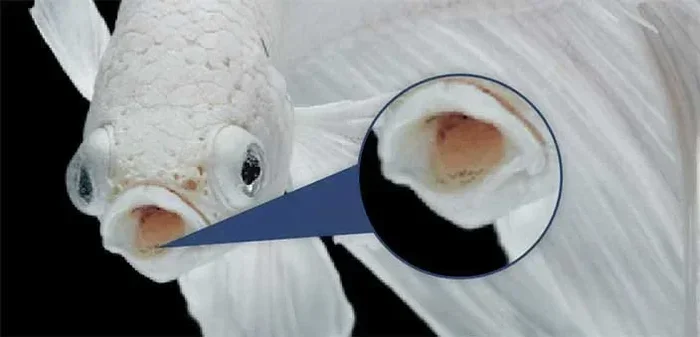
Betta fish have tiny teeth that are barely visible to the naked eye. These small comb-like teeth help them grip and process food in their mouths. Understanding betta fish teeth is important for every fish keeper who wants to keep their pet healthy and safe.
Many fish owners ask a simple but fascinating question. How many teeth do betta fish have? The answer might surprise you. These colorful freshwater fish carry tiny teeth that most people never notice. Understanding betta fish teeth gives you a deeper look into how these beautiful creatures eat, hunt, and survive.
Betta fish, also known as Siamese fighting fish, have a unique mouth structure. Their teeth play an important role in their daily life. From eating pellets to fighting other bettas, those little teeth do real work. In this guide, we will explore everything you need to know about betta fish teeth. You will learn what they look like, how many there are, and whether they can bite you.
If you have ever wondered about your betta’s mouth, you are in the right place. This article covers betta fish anatomy, feeding habits, and common myths. We also share practical tips to keep your fish healthy. Let us dive right in.
Key Takeaways
- Betta fish do have teeth: They are tiny, white, and comb-like structures located in the upper and lower jaw.
- Betta fish teeth are not sharp enough to harm humans: You will not feel a bite from a betta fish.
- The teeth help with feeding: They grip and crush small food particles like pellets and live food.
- Betta fish teeth are permanent: They do not fall out and regrow like some other fish species.
- Mouth anatomy matters: Understanding the full mouth structure helps you care for your betta better.
- Tank mates need consideration: Betta teeth can affect smaller tank mates during feeding or aggression.
📑 Table of Contents
Do Betta Fish Have Teeth?
The short answer is yes. Betta fish do have teeth. Many people assume that these small, colorful fish have no teeth at all. That is a common myth. In reality, bettas have small, white, comb-like teeth tucked inside their mouths. These teeth are called cardiform teeth. They look like tiny combs or rasps. You will need a magnifying glass to see them clearly.
These teeth are not like human teeth. They do not have roots or enamel. Instead, they are part of the jawbone itself. Bettas use them to grab and break down food. Without teeth, betta fish would struggle to eat many of their favorite foods. The teeth are small but functional. They serve a real purpose in the fish’s daily life.
Some people confuse teeth with other mouth structures. Bettas also have a bettafishinfo.com/do-betta-fish-have-toungues structure that helps them manipulate food. But the actual teeth are distinct and visible under close inspection. If you want to see them, try using a small magnifying glass near your tank.
What Do Betta Fish Teeth Look Like?
Betta fish teeth are very small. Each tooth is tiny and white. They are arranged in rows along both the upper and lower jaw. The pattern looks like a fine comb or a row of small needles. These teeth are not pointed like a shark’s teeth. They are more like short, blunt projections.
The number of teeth varies from fish to fish. Most bettas have several dozen teeth in total. The exact count depends on the fish’s size, age, and health. Younger bettas may have fewer visible teeth. Older, healthier fish tend to have a fuller set. But in all cases, the teeth remain small and nearly invisible without magnification.
When a betta opens its mouth, you might see a faint white line. That is where the teeth sit. They blend in with the gum line. This is why so many fish owners never notice them. Only careful observation or a magnifying tool reveals the full picture.
How Many Teeth Do Betta Fish Have?
This is the question most fish keepers want answered. While there is no exact scientific count for every betta, experts estimate that a betta fish has between 30 and 50 teeth. These teeth are spread across both jaws. The upper jaw usually holds more teeth than the lower jaw.
The teeth are not all the same size. Some are slightly longer than others. The front teeth are often the most visible. The back teeth are shorter and more rounded. This arrangement helps bettas grip food from different angles. It also helps them crush small particles before swallowing.
Unlike humans, betta fish teeth do not fall out and grow back. A betta is born with its set of teeth. Those teeth stay with the fish for its entire life. If a tooth breaks or wears down, it does not regrow. This is why dental health matters even for fish. A healthy diet keeps those tiny teeth in good condition.
For comparison, some other fish species have hundreds of teeth. Betta fish teeth are not sharp in the way you might expect. They are more abrasive than piercing. This makes them safe for handling and peaceful coexistence with other fish in most cases.
Why Do Betta Fish Need Teeth?
Teeth serve a clear purpose in a betta’s life. First and foremost, they help with eating. Bettas are carnivorous fish. In the wild, they eat insects, larvae, and small crustaceans. Their teeth help them grab and break apart these food items. Without teeth, the food would slide right out of their mouths.
In captivity, bettas eat pellets, flakes, and frozen foods. The teeth help crush these into small, digestible pieces. A betta that cannot properly chew may have trouble getting enough nutrition. This is why offering the right food size matters. Small pellets or micro-foods work best for their tiny teeth.
Teeth also play a role in defense. Male bettas are known for their aggression. They flare their gills and show off their colors during fights. While they rarely cause serious injury, those teeth can nip at other fish. In a community tank, this matters. You need to choose tank mates wisely.
Can Betta Fish Bite Humans?
Many fish owners worry about getting bitten. The good news is that betta fish bites are harmless. Their teeth are too small and too dull to break human skin. You might feel a tiny tickle if a betta nibbles on your finger. But there is no pain and no damage.
Bettas may nibble on fingers for different reasons. Sometimes they mistake a finger for food. Other times, they are curious. Bettas are intelligent fish. They explore their world using their mouths. A gentle nibble is usually just their way of investigating.
There is no need to fear handling your betta. Regular tank maintenance and feeding time are safe activities. Just wash your hands before putting them in the water. Avoid sudden movements that might startle the fish. A calm approach keeps both you and your betta happy.
Do Betta Fish Bite Other Fish?
Yes, bettas can bite other fish. This is especially true during feeding time or territorial disputes. Male bettas are particularly aggressive toward other male bettas. They may flare, chase, and nip at fins. The teeth allow them to grip fins and scales during these encounters.
However, betta bites rarely cause serious harm to larger fish. The teeth are designed for small prey. They can irritate smaller tank mates, though. Fish with long, flowing fins are especially vulnerable. Fancy guppies, neon tetras, and other small species may get nipped.
If you keep bettas with other fish, monitor their behavior closely. Separate aggressive individuals if needed. A well-planned tank setup reduces conflict. Choose peaceful, similarly-sized tank mates for the best results.
The Role of Teeth in Betta Fish Feeding
Feeding time is when betta teeth do their most important work. Bettas are insectivores by nature. Their diet consists mostly of protein-rich foods. In the wild, they snatch insects from the water surface. Their teeth help them hold onto the prey before swallowing.
In a home aquarium, you offer pellets, flakes, and frozen foods. The teeth break these down into manageable pieces. Without proper teeth, a betta might spit out food or struggle to eat. This is why dental health is connected to overall nutrition.
Here are some feeding tips that support healthy teeth:
- Feed small-sized pellets: These are easy for bettas to grip and crush.
- Offer variety: Mix pellets with frozen bloodworms and brine shrimp.
- Feed 2-3 times daily: Small portions keep the digestive system working well.
- Remove uneaten food: Leftover food rots and affects water quality.
- Soak pellets before feeding: This makes them easier to eat and digest.
Proper feeding habits protect both the teeth and the body. A well-fed betta is a healthy betta. Watch your fish during meals to see the teeth in action. You might notice them gripping the food just before swallowing.
How to Check Your Betta’s Teeth
If you are curious about your betta’s teeth, checking them is simple. You will need a bright light and a magnifying glass. Gently hold your betta near the tank glass. Look closely at the mouth area. You may see faint white lines along the jaw.
Do not try to pry the mouth open. This can stress the fish. Instead, wait for the betta to open its mouth naturally. This often happens during feeding or yawning. A calm, patient approach gives you the best view.
Healthy teeth should look clean and white. Discoloration or damage can signal a health problem. If you notice anything unusual, consult a fish veterinarian. Regular observation helps you catch issues early.
Common Myths About Betta Fish Teeth
There are many myths surrounding betta fish and their teeth. Let us clear up some of the most common ones. These misconceptions can lead to poor care decisions.
Myth 1: Betta fish have no teeth. This is false. Bettas do have teeth. They are simply too small to see without magnification. Now that you know the answer to “how many teeth do betta fish have,” you can see this myth does not hold up.
Myth 2: Betta teeth are sharp like a shark’s. Also false. Betta teeth are blunt and comb-like. They are designed for gripping food, not cutting or tearing.
Myth 3: Betta fish teeth fall out and regrow. This is not true. Bettas keep their original set of teeth for life. A broken tooth does not grow back. This makes dental health even more important.
Myth 4: You can feel a betta bite. Most people cannot feel a betta nibble. The teeth are far too small and soft to cause any sensation on human skin.
Myth 5: Teeth make bettas dangerous pets. Bettas are safe for home aquariums. Their teeth are tiny and harmless to humans. With proper care, they make wonderful pets.
Betta Fish Dental Health and Care
Just like any pet, betta fish need care for their overall health. Dental health is a part of that. Healthy teeth help your betta eat properly and stay active. Poor dental health can lead to feeding problems and malnutrition.
Water quality plays a big role in dental health. Dirty water can cause bacterial infections in the mouth. These infections can damage teeth and gums. Keep your tank clean with regular water changes. A good filter helps maintain a healthy environment.
Diet also affects teeth. Hard pellets can help clean the teeth naturally as the betta chews. Live foods like brine shrimp provide gentle exercise for the jaw. Avoid overfeeding, which can lead to obesity and poor dental health.
Watch for signs of dental problems. These include difficulty eating, dropping food, or swelling around the mouth. If you notice any of these signs, act quickly. Early intervention can prevent serious complications.
Some fish keepers wonder about betta fish mating behavior and whether teeth play a role. During courtship, male bettas build bubble nests. Teeth are not directly involved in mating, but they can play a role in territorial disputes that happen before breeding.
Another related topic is how many eggs betta fish lay during breeding. Understanding the full breeding process helps you care for your bettas better, whether you are a beginner or experienced keeper.
Comparing Betta Fish Teeth to Other Fish
Betta fish teeth are interesting, but they are just one example of fish dentition. Different fish species have very different teeth. Some have razor-sharp teeth for cutting flesh. Others have flat teeth for grinding plants. Bettas fall somewhere in the middle. Their teeth are adapted for grabbing and crushing small prey.
Here is a simple comparison of fish teeth types:
- Betta fish: Small, comb-like teeth for gripping and crushing food.
- Goldfish: No true teeth. They have grinding pads in their throats.
- Piranhas: Sharp, triangular teeth for cutting meat.
- Parrotfish: Beak-like teeth for crushing coral and shells.
- Catfish: Tiny teeth or no teeth, depending on the species.
Each type of tooth is perfectly suited to the fish’s diet and lifestyle. Betta teeth match their carnivorous, insect-eating nature. They are effective but not dangerous. This balance makes bettas great pets for most aquarium owners.
Conclusion
So, how many teeth do betta fish have? Most bettas carry between 30 and 50 tiny, comb-like teeth. These teeth are essential for eating, exploring, and defending territory. They are too small to harm humans but effective for processing food. Understanding betta fish teeth helps you become a better fish owner.
Your betta’s mouth is more complex than it looks. From the tiny teeth to the tongue and jaw structure, every part plays a role. Keep the water clean, offer a balanced diet, and watch for any signs of dental issues. These simple steps go a long way in keeping your betta healthy and happy.
Next time you look at your betta, remember those hidden teeth. They are working hard every day to help your fish eat, explore, and thrive. Give your betta the care it deserves, and those little teeth will serve your fish well for its entire life.
Frequently Asked Questions
Do betta fish have teeth that can hurt other fish?
Yes, betta fish teeth can irritate or nip other fish, especially smaller tank mates with long fins. While the teeth are not sharp enough to cause serious injury, they can create stress and minor wounds. Always monitor your betta when keeping it with other fish to prevent bullying and fin-nipping behavior.
How can I see my betta fish’s teeth at home?
Use a bright light and a small magnifying glass near the tank. Wait for your betta to open its mouth naturally, such as during feeding or yawning. The teeth appear as faint white lines along the jaw. Never try to force the mouth open, as this can stress the fish.
Do betta fish lose their teeth as they age?
Betta fish do not lose their teeth in the traditional sense. They are born with a full set and keep them for life. However, teeth can wear down or break from hard food or injury. Unlike some other fish species, broken betta teeth do not regrow, so dental care matters at every age.
Can betta fish teeth get infected?
Yes, betta fish can develop mouth infections that affect their teeth and gums. Poor water quality, bacterial infections, and injuries are common causes. Signs include swelling, difficulty eating, and discolored teeth. Maintain clean water and offer soft foods to reduce the risk of mouth infections.
Are betta fish teeth visible without a magnifying glass?
In most cases, betta fish teeth are not visible without magnification. The teeth are extremely small and blend in with the gum line. Only under close inspection with a magnifying glass can you see the tiny white comb-like structures along the jaw. This is why many fish owners never notice them.
What should I do if my betta fish has broken a tooth?
A broken tooth in a betta fish is usually not an emergency. The fish can still eat and function normally. Offer softer foods like soaked pellets or live brine shrimp to make eating easier. Monitor your betta for signs of difficulty feeding or mouth swelling. If problems persist, consult a fish veterinarian for professional advice.