How Many Babies Do Betta Fish Make
Betta fish can produce between 30 and 100 babies per spawn, with some healthy females reaching up to 200 fry. The number of betta fish babies depends on factors like age, health, diet, and tank conditions. This guide covers everything about betta fish reproduction, from mating to raising betta fry successfully.
If you own a betta fish, you might be wondering how many babies do betta fish have when they breed. The answer can surprise you. A single female betta fish can produce anywhere from 30 to 100 babies in one spawn, and some healthy females have been known to produce up to 200 fry at a time. Understanding betta fish reproduction is essential whether you are a curious hobbyist or planning to breed your fish. In this guide, we will walk you through everything you need to know about betta fish babies, from the mating process to raising betta fry successfully.
Betta fish breeding is a fascinating process that requires the right conditions and a bit of knowledge. Many new fish owners underestimate the number of offspring a single pair can produce. This is why preparation is key. By the time you finish reading this article, you will understand the full lifecycle of betta fish offspring and feel confident about caring for them. Let us dive into the world of betta fish babies and explore what to expect.
The journey from eggs to fully grown fish is an exciting one. Each stage comes with its own set of challenges and rewards. Whether you are dealing with a betta fish tank full of tiny fry or planning your first breeding project, this guide has you covered. We will look at litter sizes, the reproduction process, care tips, and common mistakes to avoid. So let us get started and learn everything about how many babies do betta fish have.
Key Takeaways
- Average Litter Size: Betta fish typically produce 30 to 100 babies per spawn, with some reaching up to 200 fry.
- Reproduction Process: Betta fish lay eggs that the male fertilizes and protects in a bubble nest until they hatch.
- Fry Care Is Critical: Proper tank setup, warm water, and frequent feeding are essential for raising betta fry.
- Survival Rates Vary: Expect 50 to 70 percent survival to adulthood, depending on care and conditions.
- Parental Behavior: Betta fish may eat their own babies, so timely separation of parents from fry is crucial.
- Preparation Matters: Conditioning the breeding pair and maintaining optimal tank conditions leads to better results.
📑 Table of Contents
How Many Babies Do Betta Fish Have
The short answer is that a healthy female betta fish can produce between 30 and 100 babies per spawn. However, the exact number varies based on several factors. Some experienced breeders report litters of 150 or more. The betta fish litter size depends on the individual fish, her age, her overall health, and the conditions of the betta fish tank.
The Average Litter Size
Most first-time breeders can expect around 40 to 60 fry from a single spawn. Experienced females in optimal conditions may produce 100 or more. The betta fish offspring count can vary widely. Age plays a big role here. Younger females tend to have smaller litters, while mature females between 6 and 12 months old often produce the most babies.
It is also worth noting that not all eggs will be fertilized. A male betta fish may not fertilize every single egg during the spawning process. This means the actual number of surviving fry can be lower than the total number of eggs laid. If you want to know more about egg counts, check out our article on how many eggs do betta fish lay for detailed information.
What Affects the Number of Babies
Several key factors influence how many babies a betta fish can have:
| Factor | Low Litter (20-40) | Medium Litter (40-80) | High Litter (80-200) |
|---|---|---|---|
| Young female (under 6 months) | ✓ | ||
| Mature female (6-12 months) | ✓ | ✓ | |
| Old female (over 12 months) | ✓ | ||
| Poor diet | ✓ | ||
| Optimal diet | ✓ | ✓ | |
| Stressed environment | ✓ | ||
| Clean, stable tank | ✓ | ✓ |
Providing your female betta with high-quality food and a stress-free environment can significantly boost her chances of producing a healthy brood. Regular water changes and stable temperatures also play a major role in successful betta fish breeding.
The Betta Fish Reproduction Process
Understanding how betta fish reproduce helps you prepare for the arrival of their babies. The process is intricate and requires specific conditions. Unlike mammals, betta fish do not give birth to live young. Instead, they lay eggs that the male then fertilizes and protects. This unique betta spawning process is one of the most interesting aspects of fish keeping.
How Betta Fish Mate
The mating process begins when a male and female betta fish are introduced into a shared breeding tank. The male starts by building a betta bubble nest at the surface of the water. This nest is made of tiny air bubbles coated with saliva. It serves as a safe place for the eggs once they are released.
When the female is ready, she will release eggs, and the male will fertilize them externally. The female may lay anywhere from 100 to 200 eggs in a single session. After spawning, it is crucial to remove the female from the tank. The male becomes very protective and may harm the female if she stays too long.
Some aquarists wonder whether betta fish give birth to live young or lay eggs. Our article on do betta fish have live babies or eggs explains the process in detail and clears up any confusion.
For a betta fish pregnancy, the female will appear fuller-bodied before spawning. She may also develop a white egg spot near her ventral area. These signs indicate she is ready to release eggs. Make sure both the male and female are in good health before introducing them for breeding.
From Eggs to Fry
Once the eggs are in the bubble nest, the male betta fish takes over. He carefully retrieves any eggs that fall and places them back in the nest. The eggs typically hatch within 24 to 48 hours. At this point, the fry are tiny and completely dependent on their yolk sacs for nutrition.
After about three days, the fry will start to swim freely. This is when you can begin feeding them infusoria or specially formulated fry food. The male should be removed from the tank once the fry are swimming freely, as he may start eating them. For more details on hatching timelines, see our guide on how many days to hatch betta fish eggs.
During the first few weeks, the fry grow rapidly but remain very vulnerable. Maintaining clean water and stable temperatures is critical during this stage. A properly set up aquarium betta environment for fry can make a huge difference in their survival rate and overall betta fish health.
The betta fish lifecycle from egg to adult takes about three to four months. During this time, the fry will gradually develop their signature colors and fin shapes. Watching them grow is one of the most rewarding parts of the breeding process.
Caring for Betta Fish Babies
Raising betta fish babies is both rewarding and challenging. The first few weeks are the most critical. Proper care during this period determines whether your fry grow into healthy adult fish. Let us look at how to set up the right environment and what to feed your new arrivals.
Setting Up a Fry Tank
A dedicated fry tank is essential for raising betta fish babies. Use a tank of at least 5 gallons with a sponge filter. Avoid strong filters, as tiny fry can easily get sucked in. Keep the water temperature between 78 and 80 degrees Fahrenheit. Perform small, frequent water changes to maintain pristine conditions.
The tank should be heavily planted or have floating plants. This provides hiding spots for the fry and encourages the growth of infusoria, which serves as natural food. If you are new to breeding, our guide on how to make a betta fish aquarium offers helpful tips for setting up the perfect environment.
Feeding Newborn Betta Fry
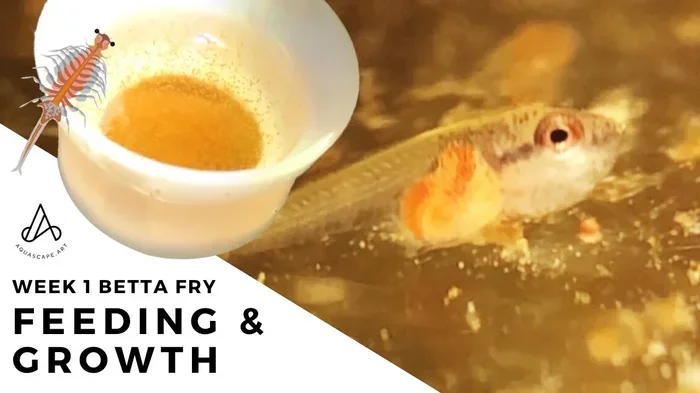
Newborn fry are extremely small and cannot eat regular betta pellets. During the first week, feed them infusoria or liquid fry food. After the first week, you can introduce baby brine shrimp, which is one of the best foods for raising betta fry.
Feed the fry several times a day in small amounts. Overfeeding can foul the water quickly and harm the delicate fry. As they grow, you can gradually increase the size of their food. By the time they are about one month old, they can eat crushed pellets and microworms.
Consistency is key when caring for fry. Monitor water parameters daily and watch for any signs of disease. With proper care, your fry will grow strong and healthy over the coming weeks.
Common Challenges with Betta Fish Babies
Even with the best preparation, raising betta fish babies comes with challenges. Understanding these issues ahead of time will help you respond quickly and effectively. Let us explore the most common problems breeders face.
Survival Rate Concerns
The survival rate for betta fry can be quite low, especially for beginners. In the wild, many fry do not survive their first few weeks. In captivity, poor water quality, inadequate nutrition, and temperature fluctuations are the main culprits. On average, expect that only 50 to 70 percent of your fry will survive to adulthood.
To improve survival rates, focus on water quality above everything else. Perform 10 to 15 percent water changes every other day. Use a gentle air stone to maintain oxygen levels without creating strong currents. The betta fish survival rate improves significantly with consistent care and attention.
Do Betta Fish Eat Their Babies
Yes, betta fish can and will eat their own babies if given the chance. This is a natural instinct, not a sign of aggression. Male bettas may eat eggs or fry, and females may eat eggs if they are not removed promptly after spawning.
This is why timing is so important. Remove the female immediately after she releases her eggs. Remove the male once the fry are swimming freely. If you notice a male eating eggs, he may need to be removed sooner. For more insights on this topic, read our article on do betta fish kill their babies to understand parental behavior better.
It can be distressing to see a parent fish eat their offspring, but this behavior is completely normal in the fish world. The best approach is prevention through proper tank management and timely separation.
Common Mistakes to Avoid
- Overcrowding the fry tank: Too many fry in a small space leads to poor water quality and stunted growth.
- Feeding too much: Excess food decays quickly and can poison the water, harming delicate fry.
- Ignoring water changes: Dirty water is the number one killer of betta fry. Regular small water changes are non-negotiable.
- Skipping the separation step: Leaving parent fish with the fry often results in predation, even with careful monitoring.
Tips for Successful Betta Fish Breeding
Breeding betta fish successfully requires patience, preparation, and attention to detail. Here are some expert tips to help you get the best results and raise healthy fry.
- Condition the breeding pair: Feed both the male and female high-quality live or frozen foods for two weeks before introducing them. This prepares their bodies for spawning and increases the number of healthy eggs.
- Use a breeding tank: A separate breeding tank reduces stress and gives the fry a safe start. A 10-gallon tank works well for most setups.
- Maintain warm water: Keep the temperature between 79 and 82 degrees Fahrenheit. Warm water encourages spawning and helps eggs develop properly.
- Watch for bubble nests: A male building a bubble nest is a sign he is ready to breed. If the nest keeps falling apart, the water surface may be too agitated.
- Be patient: Not every introduction will result in spawning. Give the pair time and try again if needed.
- Separate the fry early: Move the male out once fry are free-swimming to prevent any chance of predation.
Following these tips will greatly increase your chances of a successful spawn and healthy fry. Remember that every breeding experience is a learning opportunity. Even experienced breeders lose batches sometimes. The key is to keep improving your setup and techniques.
If you want to strengthen your overall betta fish care routine, our article on how to make your betta fish stronger offers valuable advice that applies to breeding fish as well.
Final Thoughts on Betta Fish Babies
Raising betta fish babies is one of the most rewarding experiences in the hobby. From the moment you see that first bubble nest to watching tiny fry swim freely, every stage is fascinating. The number of babies a betta fish can have is impressive, but it also comes with responsibility.
Remember that successful breeding depends on preparation, patience, and consistent care. Keep your water clean, feed your fry properly, and watch for signs of stress or disease. The journey from eggs to healthy adult fish takes time, but the results are worth every effort.
Whether you are a first-time breeder or an experienced hobbyist, understanding how many babies do betta fish have helps you plan and prepare accordingly. With the right knowledge and a little dedication, you can successfully raise a healthy brood of betta fry and enjoy the full lifecycle of these beautiful fish.
Start small, learn from each experience, and enjoy the process. Your betta fish will thank you with a healthy and thriving brood of babies.
Frequently Asked Questions
How many babies do betta fish have in one spawn?
A healthy female betta fish can produce between 30 and 100 babies per spawn, with some reaching up to 200 fry. The exact number depends on her age, health, diet, and tank conditions. Mature females in optimal conditions tend to have the largest litters.
How long does it take for betta fish eggs to hatch?
Betta fish eggs typically hatch within 24 to 48 hours after spawning. The male betta fish guards the eggs in a bubble nest during this time. Once hatched, the fry remain attached to the nest for another day or two before becoming free-swimming.
Do betta fish eat their babies?
Yes, betta fish may eat their own babies if given the chance. This is a natural instinct rather than aggression. Removing the female after spawning and the male once fry are free-swimming is essential to prevent this behavior.
How many fry do betta fish usually survive?
On average, 50 to 70 percent of betta fry survive to adulthood under good care. Survival rates depend heavily on water quality, feeding practices, and tank conditions. Beginners should expect some losses, which is completely normal in the breeding process.
Can you breed betta fish in a community tank?
It is not recommended to breed betta fish in a community tank. The male betta may become aggressive, and other fish may eat the eggs or harm the fry. A dedicated breeding tank ensures the safety of both the parents and the offspring.
What should I feed newborn betta fry?
Newborn betta fry should be fed infusoria or liquid fry food for the first week. After that, you can introduce baby brine shrimp, which is highly nutritious and easy for tiny fry to eat. Feed small amounts several times a day to avoid fouling the water.