Can You Put a Sucker Fish With a Betta Fish in One Tank
Betta and sucker fish can live peacefully together in the right conditions. This guide explains compatibility, tank requirements, and the best practices for happy cohabitation between these popular freshwater pets.
## Getting Started With Betta Fish Care
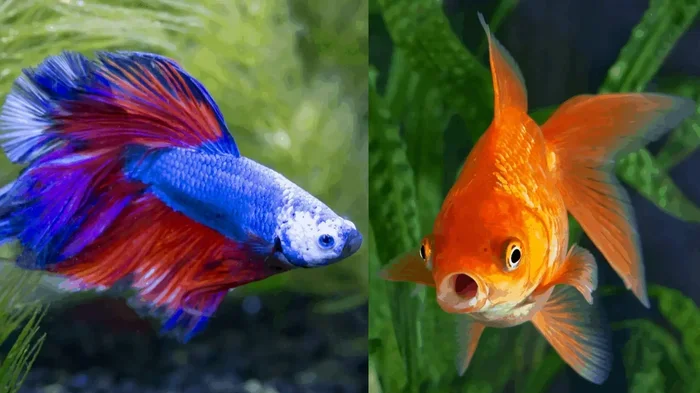
Betta fish are one of the most beloved freshwater pets on earth. These vibrant, fan-tailed fish come in stunning colors and personalities. Many owners love their striking appearance and docile nature. But here’s the thing—keeping a single betta alone is perfectly fine. In fact, many bettas spend their days guarding territories and fighting for dominance. Adding a second fish requires careful thought. You want a companion that won’t overwhelm your star performer. This is especially true when considering a sucker fish, a group of bottom-dwelling fish known for their specialized cleaning abilities. The question is whether your betta will tolerate a new resident alongside him. Let’s dive into everything you need to know about pairing these two incredible creatures.
## Why Compatibility Matters Between Betta And Sucker Fish
Every fish has unique behavioral traits that influence how well they get along. Betta fish are technically solitary hunters that establish territories. If you place multiple bettas in one tank, they often fight viciously. This makes single bettas ideal candidates for mixed tanks. Now imagine introducing a sucker fish—a small, energetic bottom dweller that constantly cleans algae and debris. The challenge lies in understanding how these two different lifestyles interact. Will the betta see the sucker fish as a threat or a curiosity? The answer depends heavily on the specific species involved and the overall environment you create. Proper planning ensures both fish thrive rather than suffer from stress or injury.
## Understanding What Makes a Sucker Fish a Great Betta Companion
Sucker fish belong to the family Corycallidae and get their name from their distinctive mouth shape. They lack teeth but possess a remarkable ability to attach themselves to surfaces using tiny, toothless mouths. This adaptation makes them incredibly useful in home aquariums. They scrape algae off plant leaves and remove leftover food particles that larger fish might ignore. When paired correctly with a betta, these fish complement each other’s roles beautifully. The betta stays active in the middle of the water column while the sucker fish works hard at the bottom. This division of labor creates a balanced ecosystem where both species enjoy optimal living conditions. However, not every sucker fish species will fit seamlessly into a betta’s world. Research matters here because some varieties are more aggressive or require specific water conditions that differ from your betta’s preferences.
## Can You Actually Put Them Together Successfully
Yes, absolutely! Many experienced hobbyists successfully house bettas and sucker fish in the same tank. The success factors center on three main areas: tank size, placement, and individual fish temperament. A minimum of ten gallons is recommended to give both species plenty of room to swim and hide. Place the sucker fish near the substrate where they can work efficiently. Position your betta away from the sucker’s territory initially. Give them time to observe each other without immediate physical contact. Most importantly, choose sucker fish species known for calm demeanors. Aggressive varieties can disrupt your betta’s peaceful existence. By focusing on these key elements, you can create a harmonious environment where both fish flourish and feel secure.
## Essential Setup Tips For Betta And Sucker Fish Harmony
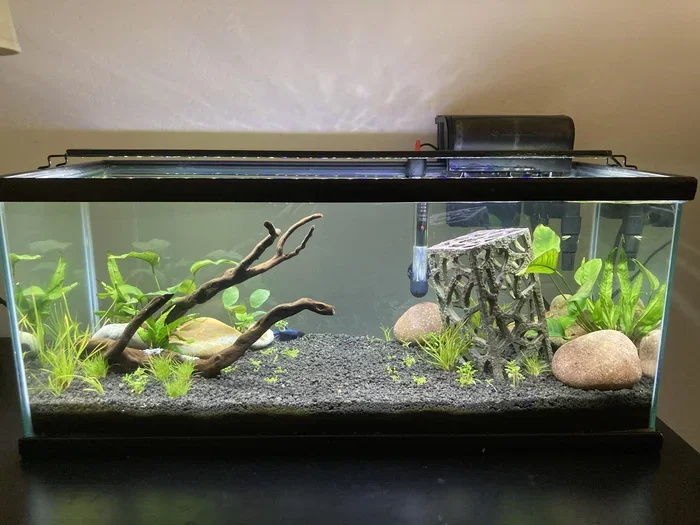
Creating the perfect habitat involves several thoughtful decisions. First, select a spacious tank with smooth, rounded decorations that prevent injuries during fights. Driftwood and artificial plants offer excellent hiding spots that reduce tension. Both bettas and sucker fish benefit from planted decor—it provides shade and shelter alike. Second, maintain water parameters consistently. Betta fish prefer slightly softer water with moderate hardness. Sucker fish typically thrive in similar ranges, though some species demand calcium-rich environments. Test your water regularly and adjust accordingly. Third, feed appropriately. Betta fish eat small pellets daily plus occasional bloodworms. Sucker fish need smaller, protein-rich meals twice per day. Offering separate feeding times helps prevent competition. Finally, monitor their behavior weekly. Look for signs of stress like lethargy or changes in eating habits. Early detection allows quick intervention before serious problems develop.
## Common Challenges And How To Solve Them
Even the best-laid plans can face obstacles. One frequent issue involves territorial disputes. Sometimes a particularly bold betta may chase the sucker fish too aggressively. Solution comes through patience—if necessary, temporarily relocate the sucker to another tank. Another concern involves water quality fluctuations. Both species are sensitive to ammonia spikes. Ensure your filtration system runs properly and perform regular water changes. If aggression persists after several weeks, consider separating the duo entirely and reintroducing later once stability returns. Additionally, temperature control is crucial. Keep both fish comfortably between 72-80°F. Extreme deviations can weaken either partner and increase conflict likelihood.
## Frequently Asked Questions About Betta And Sucker Fish Relationships
Can a male betta coexist peacefully with a sucker fish?
Absolutely. Male bettas are generally tolerant of cleaner fish when given enough space. The sucker fish benefits greatly from having a predator-free environment where it can rest safely among plants. Just ensure you don’t crowd the tank and that the betta doesn’t become overly aggressive toward its new companion.
Which specific sucker fish breeds are best for betta tanks?
Corydoras species tend to do exceptionally well with bettas. Their gentle natures and bottom-feeding habits align perfectly with betta preferences. Otocinclus catfish are another excellent choice—these tiny fish are devoted cleaners who rarely cause trouble. Always research specific breeding lines before purchasing to understand temperamental differences.
Do sucker fish grow large enough to bother a betta?
Most sucker fish remain compact despite reaching impressive sizes. While they can grow quite long, their growth rate differs from bettas. Even mature sucker fish typically stay below six inches. This size difference prevents accidental biting or damage to your prized betta fish.
What should I expect during the initial adjustment period?
Expect some skittiness from the sucker fish at first. It will likely hide frequently until it senses safety. The betta may show curiosity and mild interest in approaching. Both fish often calm down within days as they establish mutual respect. Patience during this transition period leads to smoother long-term coexistence.
Are there alternative tankmates that might be better suited than sucker fish?
Definitely. Guppies, neon tetras, and dwarf gourami also make fantastic companions for bettas. Each species offers unique benefits—some are just as beneficial for algae control while being equally non-aggressive. Consider what extra maintenance each fish brings to your aquarium ecosystem.
Should I keep my betta and sucker fish in the same cycling stage?
Ideally yes. Allow sufficient time for biological filtration to stabilize before introducing new inhabitants. Cycled tanks reduce the risk of sudden water parameter shifts that could harm either fish. Give both animals at least one week to acclimate fully to the established environment.
Key Takeaways
- Match temperaments well to ensure harmony in the tank
- Provide adequate hiding spots to reduce stress for both species
- Monitor water parameters closely for optimal health of your betta and sucker fish
- Research species specific behaviors before adding new companions to your display
- Start slowly when introducing a sucker fish to avoid aggression conflicts
- Watch for signs of stress such as fin clamping or erratic swimming patterns
- Maintain consistent care routines to support long-term wellbeing in shared habitats
Frequently Asked Questions
Question?
Can you put a sucker fish with your Betta?
Question?
How much space do I need for a successful betta and sucker fish pair?
Question?
Will my betta attack the sucker fish if they are housed together?
Question?
What should I feed my betta when I have a sucker fish in the same tank?
Question?
How do I tell if my betta and sucker fish are getting along well?
Question?
Is it ever better to house these fish separately altogether?
=== CONCLUSION ===
Putting a sucker fish with your betta is not only possible but often rewarding for both parties. With thoughtful planning regarding tank size, water quality, and individual temperaments, these two remarkable fish can share an aquatic home happily. Remember that every animal is unique, so observation remains essential even after successful integration. Monitor their behavior closely and be prepared to adjust care routines as needed. The bond that forms between a betta and a sucker fish can bring joy and enrichment to any aquarium. Take your time choosing the right species, prepare the environment properly, and watch as your colorful underwater world flourishes. Happy tank keeping!