Can You Put a Female Betta with Other Fish Tips for Success
Yes, you can put a female betta with other fish — but success depends on choosing the right tank mates and setting up the aquarium properly. Female bettas are generally less aggressive than males, yet each fish has its own personality. This guide covers everything you need to know about female betta compatibility, from the best species to avoid to tank setup tips that keep everyone safe and happy.
Key Takeaways
- Female bettas can coexist with peaceful fish like guppies, tetras, and corydoras when the tank is set up correctly.
- Tank size matters — aim for at least 10 gallons to give everyone enough space and reduce aggression.
- Add hiding spots like plants and caves to break up lines of sight and reduce stress.
- Watch for signs of stress such as clamped fins, hiding constantly, or chasing other fish.
- Never house a female betta with a male unless you are a experienced breeder with a specific plan.
- Introduce new fish slowly and observe behavior for the first few weeks.
- Each betta is different — some females are calm, while others are territorial no matter what.
📑 Table of Contents
Can You Put a Female Betta with Other Fish?
Many fish owners wonder, can you put a female betta with other fish? The short answer is yes — but it is not always simple. Female bettas are less aggressive than males, yet they still have a temperament that demands careful planning. A wrong pairing can lead to fin damage, stress, or even death.
The good news is that with the right setup and tank mates, a female betta can thrive in a community tank. In this guide, we will walk you through everything you need to know. We will cover behavior, compatible species, tank setup, and common mistakes. By the end, you will feel confident about creating a peaceful aquarium.
If you want a deeper dive into general compatibility, check out our guide on can you put other fish with a female betta. It covers the basics that apply to every female betta situation.
Understanding Female Betta Behavior
To succeed with tank mates, you must understand how female bettas behave. Unlike males, females do not flare as often. However, they are still territorial fish with a strong instinct to defend space.
How Female Bettas Differ from Males
Male bettas are bred for color and finnage, which makes them more aggressive. Females are smaller, duller, and often calmer. But do not let that fool you. A female betta will still chase fish that invade her space or flash bright colors.
Here are key behavior traits to watch for:
- Territorial nature: Females claim caves, plants, and feeding spots.
- Flaring: They flare when threatened, though less often than males.
- Chasing: Short bursts of chasing are normal, but constant pursuit is a red flag.
- Fin nipping: Some females nip at long-finned tank mates.
The Role of Personality
Every betta has a unique personality. Some females are shy and peaceful. Others are bold and dominant. This is why you must observe your fish before adding tank mates. A calm betta may accept guppies easily, while a bold one may attack anything that moves.
Best Tank Mates for Female Bettas
Choosing the right tank mates is the most important step. You want fish that are peaceful, fast, and not brightly colored. Slow, flashy fish will trigger aggression.
Peaceful Community Fish
These species tend to do well with female bettas:
- Tetras: Neon tetras and ember tetras are small, fast, and peaceful.
- Corydoras: Bottom dwellers that mind their own business.
- Rasboras: Schooling fish that stay in the middle zone.
- Guppies: A popular choice, but watch for fin nipping. Learn more in our guide on can you put female betta fish with guppies.
Bottom Dwellers and Cleaners
Bottom-feeding fish reduce conflict because they occupy a different zone:
- Snails: Nerite snails and mystery snails are safe and helpful.
- Shrimp: Amano shrimp and cherry shrimp work well in planted tanks.
- Corydoras: These little catfish clean the substrate and stay peaceful.
Fish to Avoid
Some species are a bad match for female bettas:
- Goldfish: Too large and produce too much waste.
- Angelfish: Can be aggressive and nip fins.
- Other bettas: Never house two females in a small tank.
- Male bettas: They will fight. Learn about can you put a female betta fish with a male — the answer is usually no.
Setting Up the Right Tank
A proper tank setup makes all the difference. A cramped, bare tank invites aggression. A spacious, decorated tank gives fish room to escape and hide.
Tank Size and Layout
Start with at least a 10-gallon tank. A 5-gallon is too small for community fish. The extra space reduces territorial fights and dilutes aggression.
Layout tips:
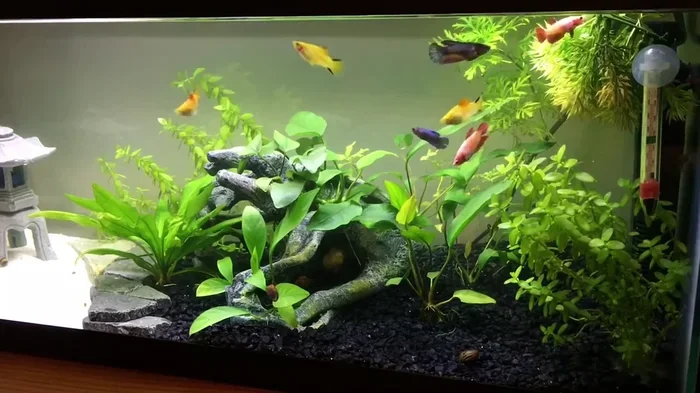
- Live plants: Java moss, anubias, and java fern create natural barriers.
- Caves and decorations: Break up sight lines so fish can retreat.
- Open swimming space: Leave room for tetras and rasboras to school.
Water Parameters
Keep water stable for all inhabitants:
- Temperature: 76-80°F (24-27°C)
- pH: 6.5-7.5
- Filter: Gentle flow — bettas hate strong currents.
Introducing New Fish to Your Betta
Do not just dump new fish into the tank. A slow introduction reduces stress and aggression.
The Quarantine Step
Quarantine new fish for two weeks. This prevents disease spread and lets you observe their behavior. A sick fish added to a main tank can ruin everything.
The Drip Method
Use the drip method to acclimate fish slowly:
- Float the bag for 15 minutes to equalize temperature.
- Drip tank water into the bag over 30-45 minutes.
- Net the fish into the tank. Do not add bag water.
Observation Period
Watch closely for the first 48 hours. Look for chasing, hiding, or clamped fins. If aggression continues after one week, separate the fish.
Signs Your Betta Is Stressed
Stress leads to illness. Know the signs early so you can act fast.
- Clamped fins: Fins held close to the body signal stress.
- Loss of color: A dull betta is an unhappy betta.
- Hiding constantly: Normal shyness vs. stress hiding is different.
- Refusing food: Skipping meals for more than two days is a warning.
- Flaring at tank mates: Occasional flaring is fine. Constant flaring is not.
Common Mistakes to Avoid
Even experienced fish keepers make mistakes. Here are the most common ones with female bettas:
Overcrowding the Tank
Too many fish create waste and aggression. Stick to one betta plus 4-6 small community fish in a 10-gallon tank.
Ignoring Personality
Some females simply cannot share a tank. If your betta attacks every tank mate, keep her solo. Not every betta is meant for a community setup.
Skipping Hiding Spots
A bare tank is a stress tank. Add plants, caves, and driftwood. Fish need escape routes.
Adding Fish Too Fast
Add one or two fish at a time. Wait a week before adding more. This lets the betta accept new neighbors gradually.
Can You Keep a Female Betta Sorority?
A sorority tank is a tank with multiple female bettas. It is possible but challenging. You need at least 5-6 females in a 20-gallon tank with heavy planting and many hiding spots.
Watch for bullying. One dominant fish may chase the others. Remove the bully immediately if injuries occur. A sorority is not for beginners.
Conclusion
Can you put a female betta with other fish? Yes — but success depends on choosing calm tank mates, setting up a spacious tank, and watching behavior closely. Female bettas are more flexible than males, yet each fish is an individual. Some will share a tank happily, while others prefer to live alone.
Start with a 10-gallon tank, add peaceful species like tetras and corydoras, and introduce fish slowly. Watch for stress signs and be ready to separate if needed. With patience and the right approach, you can create a beautiful community tank that keeps your female betta healthy and happy.
Frequently Asked Questions
Can a female betta live with guppies?
Yes, female bettas can live with guppies in many cases. Guppies are peaceful and fast enough to escape chasing. However, some bettas may nip at guppy fins. Monitor them closely for the first week and separate if aggression continues.
How many female bettas can be in one tank?
For a sorority tank, keep 5-6 females minimum in a 20-gallon tank. Fewer females can lead to bullying because the dominant fish picks on one target. Always provide plenty of hiding spots and observe behavior daily.
What fish should not be kept with a female betta?
Avoid goldfish, angelfish, male bettas, and any fish with long flowing fins. These species trigger aggression or cannot handle betta water conditions. Stick to peaceful, fast-moving fish like tetras and rasboras.
Do female bettas need a heater?
Yes, female bettas need a heater just like males. Keep the temperature between 76-80°F. A stable temperature reduces stress and supports the immune system. Use a reliable aquarium heater with a thermostat.
How long does it take for a betta to accept new tank mates?
It can take 1-2 weeks for a betta to accept new tank mates. Some adjust in days, while others remain aggressive. Watch for chasing, flaring, and hiding. If the betta settles down and eats normally, the pairing is likely working.
Can I add a snail to my female betta tank?
Yes, snails are excellent tank mates. Nerite snails and mystery snails are peaceful and help clean algae. They pose no threat to your betta. Just make sure the tank lid is secure, as bettas may jump.