Can You Mix Betta Fish With Goldfish Here Is the Truth
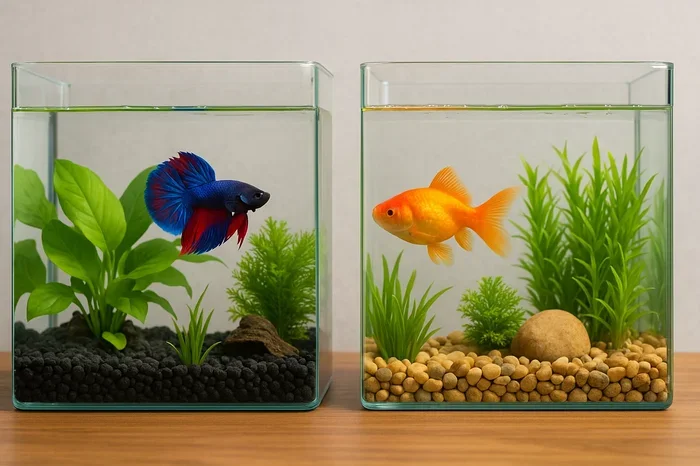
Can you mix betta fish with goldfish? The short answer is: it’s not recommended. Betta fish and goldfish have very different needs, temperaments, and tank requirements. In this guide, we break down exactly why these two species don’t mix well and what you should do instead.
Key Takeaways
- Different temperature needs: Betta fish prefer warm tropical water, while goldfish thrive in cooler temperatures. Keeping both happy in one tank is extremely difficult.
- Goldfish are messy eaters: Goldfish produce a lot of waste, which can dirty the water quickly and harm sensitive bettas.
- Behavioral conflicts: Bettas can be territorial and aggressive, while goldfish are bulky and may accidentally harm a betta’s flowing fins.
- Size matters: Goldfish grow much larger than bettas and need significantly more space, making shared tanks impractical.
- Better alternatives exist: There are many safer tank mates for betta fish that share similar water conditions and temperaments.
- Separate tanks are best: Keeping bettas and goldfish in separate tanks ensures both species live healthy, stress-free lives.
📑 Table of Contents
- Can You Mix Betta Fish With Goldfish? Here Is the Truth
- Why Betta Fish and Goldfish Don’t Mix Well
- The Risks of Keeping Betta Fish With Goldfish
- Can You Keep Betta Fish and Goldfish Together?
- Better Tank Mate Options for Betta Fish
- How to Set Up a Tank for Betta Fish
- Final Verdict on Mixing Betta Fish With Goldfish
Can You Mix Betta Fish With Goldfish? Here Is the Truth
If you love both betta fish and goldfish, you might have wondered whether they can share the same tank. It is a common question among new fish owners. The idea of having these two beautiful creatures swimming together looks appealing. But the reality is much more complicated than it seems.
Betta fish and goldfish are two of the most popular freshwater aquarium fish in the world. They are both stunning in their own way. However, these two species have very different needs. Mixing them can lead to serious problems. In many cases, it can even be deadly for one or both fish.
In this guide, we will give you the full truth. We will cover why these fish do not get along, what risks are involved, and what better options you have. Whether you are a beginner or a seasoned hobbyist, this article will help you make the right choice for your aquarium.
Many people search for answers like can you mix betta fish with goldfish or can you put goldfish in with betta fish. The short answer is no. But let us explain why in detail so you fully understand the risks.
Why Betta Fish and Goldfish Don’t Mix Well
To understand why these two fish are a bad match, you need to look at their basic needs. Betta fish and goldfish come from very different backgrounds. Their care requirements are almost opposites. Putting them together creates stress for both species.
Different Water Temperature Needs
This is one of the biggest reasons you should not mix these two species. Betta fish are tropical fish. They need warm water between 76°F and 82°F (24°C to 28°C). Without a heater, bettas become sluggish and sick.
Goldfish, on the other hand, are cool-water fish. They prefer temperatures between 65°F and 72°F (18°C to 22°C). Warm water actually stresses goldfish out. It can shorten their lifespan significantly.
So what temperature should you pick? There is no happy middle ground. If you keep the water warm for your betta, your goldfish will suffer. If you keep it cool for your goldfish, your betta will not thrive. You simply cannot satisfy both species in one tank.
Some people try to compromise at around 74°F. But this is not ideal for either fish. Your betta will be slightly uncomfortable, and your goldfish will not be in its best environment either. Over time, both fish may develop health problems.
Size and Space Differences
Another major issue is size. A betta fish typically grows to about 2 to 3 inches long. A common goldfish can reach 10 to 12 inches or even larger. Fancy goldfish may be a bit smaller, but they still grow much bigger than bettas.
This size difference creates several problems:
- Goldfish need much larger tanks than bettas do.
- A tank that is big enough for a goldfish might feel too open and stressful for a betta.
- Goldfish may accidentally bump into a betta and damage its delicate fins.
- Feeding becomes tricky because goldfish eat much more food than bettas.
A single goldfish needs at least a 20-gallon tank. A betta can live comfortably in a 5-gallon tank. When you try to combine them, you end up with a tank that does not fully meet either fish’s needs.
Different Behavioral Traits
Betta fish are known for their bold and territorial personalities. They are called Siamese fighting fish for a reason. Males, in particular, are highly aggressive toward anything that looks like a competitor.
Goldfish are generally calm and slow-moving. They are not aggressive by nature. However, their large size and clumsy movements can trigger a betta’s territorial instincts. A betta might see a goldfish as a threat and attack it repeatedly.
On the flip side, a goldfish might nip at a betta’s long, flowing fins. This can cause serious injury to the betta. The fins may tear, and infected wounds can develop. For a betta, fin damage is not just cosmetic. It can lead to life-threatening infections.
The Risks of Keeping Betta Fish With Goldfish
Now that you understand the basic differences, let us look at the specific risks. These are the real dangers that come from trying to keep bettas and goldfish together. If you are still on the fence about whether you can mix betta fish with goldfish, these points should change your mind.
Fin Nipping and Physical Harm
Betta fins are long, beautiful, and very fragile. Goldfish have rough mouths and strong jaws. Even without meaning to, a goldfish can tear a betta’s fins while swimming around the tank.
But the bigger concern is the betta attacking the goldfish. A territorial betta will chase and flare at a goldfish constantly. This stresses the goldfish out. Over time, the goldfish may stop eating, become sick, or even die from the stress alone.
If you have read articles like can you mix goldfish with betta fish, you may have seen mixed advice. Some sources claim it can work under the right conditions. But most experienced aquarists agree that the risk is simply not worth it.
Water Quality Problems
Goldfish are messy fish. They eat a lot and produce a large amount of waste. Their waste breaks down into ammonia and nitrites, which are toxic to fish. A goldfish can produce as much waste as several smaller fish combined.
Betta fish are much more sensitive to poor water quality. They need clean, well-filtered water to stay healthy. In a tank with a goldfish, the water will dirty much faster. Even with a strong filter, keeping up with the waste output of a goldfish is challenging.
Here is a quick comparison:
| Factor | Betta Fish | Goldfish |
|---|---|---|
| Waste Production | Low | High |
| Water Sensitivity | High | Moderate |
| Filter Needs | Gentle filter | Strong filter |
| Tank Size Needed | 5 gallons minimum | 20 gallons minimum |
As you can see, the two fish have very different tank requirements. A goldfish’s waste output alone is enough reason to keep them separate from bettas.
Feeding Conflicts
Feeding time can also become a problem. Goldfish are voracious eaters. They will eat everything in sight and beg for more. Bettas, on the other hand, eat smaller portions and can be easily overpowered during feeding.
If you drop food into the tank, the goldfish will likely eat most of it before the betta gets a chance. This can lead to malnutrition for your betta. On the other hand, betta-specific foods like pellets and freeze-dried bloodworms are not always suitable for goldfish.
Some owners try to feed them separately. But this is difficult to manage, especially if the tank is shared. It adds unnecessary stress to both fish.
Can You Keep Betta Fish and Goldfish Together?
Some aquarists claim they have kept bettas and goldfish together successfully. These cases are rare, however. They usually involve very specific conditions that are hard to replicate in a typical home aquarium.
If you have read about can you put goldfish in with betta fish or can you put a male betta fish with goldfish, you might have seen conflicting answers. Let us break down the reality.
What the Experts Say
Most fish experts and experienced aquarists strongly advise against keeping bettas and goldfish together. Organizations like the American Betta Association and various aquarium forums consistently warn about this combination.
The main reasons are:
- Temperature requirements are incompatible.
- Goldfish waste makes it hard to maintain clean water for bettas.
- The risk of physical harm to both fish is too high.
- Stress from territorial behavior weakens both fish’s immune systems.
Unless you have a very large, professionally set up aquarium with separate zones, this combination is not recommended.
Special Conditions That Might Work
In rare cases, some hobbyists have managed to keep these fish together. Here are the conditions they typically follow:
- They use a very large tank of 50 gallons or more.
- They create separate zones with different temperatures using heaters and chillers.
- They provide plenty of hiding spots and visual barriers.
- They monitor water quality daily with frequent water changes.
- They feed the fish separately to ensure both get proper nutrition.
Even with all these precautions, there is no guarantee of success. One aggressive moment from a betta or one accidental bump from a goldfish can cause serious harm. For most fish keepers, especially beginners, this setup is not practical.
There is also the question of gender. If you are curious about can you put female betta fish with goldfish, the answer is still not ideal. Female bettas are less aggressive than males, but they still prefer warm tropical water. Goldfish still produce too much waste. The core problems remain the same regardless of the betta’s gender.
Better Tank Mate Options for Betta Fish
If you love bettas but want to add more life to your tank, there are much better options than goldfish. Plenty of fish and creatures can coexist peacefully with a betta. Let us look at some great alternatives.
Peaceful Fish That Get Along With Bettas
Several species share similar water conditions and temperaments with bettas. Here are some of the best betta tank mates:
- Neon Tetras: Small, colorful, and peaceful. They stay in the upper water levels, away from a betta’s territory.
- Guppies: Active and hardy. They are good companions for bettas in well-planted tanks.
- Corydoras Catfish: Bottom-dwellers that stay out of a betta’s way. They help clean up leftover food.
- Snails: Mystery snails and Nerite snails are excellent additions. They do not bother bettas and help keep the tank clean.
- Shrimp: Ghost shrimp and Amano shrimp are great cleaners. Most bettas ignore them entirely.
Before adding any tank mates, you might want to read about can you mix betta fish with other fish to understand the basics of betta compatibility.
Non-Fish Tank Mates
If you want something different, consider non-fish companions:
- Freshwater shrimp: They add movement and activity to the tank without threatening your betta.
- Snails: They are low-maintenance and visually interesting.
- Live plants: While not animals, plants like Java ferns and Anubias add life and give your betta places to explore.
These options share similar water temperature needs with bettas. They are also much less likely to trigger aggressive behavior.
How to Set Up a Tank for Betta Fish
If you decide to keep your betta alone (which is perfectly fine), you should set up the tank properly. A well-designed solo betta tank can be just as beautiful and entertaining as a community setup.
Ideal Tank Setup
Here is what a great betta tank looks like:
- Tank size: At least 5 gallons. A 10-gallon tank is even better.
- Heater: Maintain water temperature between 76°F and 82°F.
- Filter: Use a gentle filter. Bettas do not like strong currents.
- Lighting: Moderate LED lighting works well. Avoid very bright lights.
- Substrate: Fine gravel or sand works great. Add some plant-friendly substrate if you plan to grow live plants.
Decorations and Hiding Spots
Bettas love places to explore and hide. Add caves, driftwood, and rocks to create interesting spaces. Live or silk plants are excellent choices because they provide cover without sharp edges that could tear the fins.
A bored betta is a stressed betta. Give your fish plenty to look at and interact with. You will be amazed at how much more active and colorful your betta becomes in a well-decorated tank.
Quick Tips for a Healthy Betta Tank
- Perform 25% water changes every week.
- Test water parameters regularly for ammonia, nitrite, and nitrate levels.
- Feed a varied diet with high-quality pellets, freeze-dried bloodworms, and occasional live food.
- Watch for signs of illness like clamped fins, discoloration, or lethargy.
- Avoid placing the tank near windows or drafts that can cause temperature swings.
Final Verdict on Mixing Betta Fish With Goldfish
So, can you mix betta fish with goldfish? The honest answer is no. The risks far outweigh any potential benefits. These two species have completely different needs, and forcing them to share a tank puts both of their lives in danger.
Temperature differences alone make this combination impractical. Add in the waste production, behavioral issues, and feeding conflicts, and you have a recipe for disaster. Even in the best-case scenarios, at least one fish will suffer.
The good news is that there are plenty of better options. You can keep your betta happy and healthy in a properly set up solo tank, or you can choose compatible tank mates that share similar needs. Either way, your fish will live a longer, happier life.
If you are serious about fish keeping, always research the specific needs of each species before adding them to your tank. A little planning goes a long way in creating a safe and beautiful aquarium for all your aquatic pets.
Remember, a healthy fish is a happy fish. Do not compromise your betta’s well-being just because the idea of mixing species sounds interesting. Give each species the environment it deserves, and you will be rewarded with vibrant, active, and long-lived fish.
Frequently Asked Questions
Can I keep a betta fish and a goldfish in the same tank if I have a heater?
No, a heater alone does not solve the problem. Goldfish need cooler water, while bettas need warm tropical temperatures. Even with a heater, the goldfish will be stressed in warm water, and the betta may still face aggression and water quality issues from the goldfish’s waste.
Are goldfish dangerous to betta fish?
Yes, goldfish can be dangerous to bettas. Their large size and rough mouths can accidentally tear a betta’s delicate fins. Additionally, a territorial betta may constantly attack a goldfish, causing severe stress that can lead to illness or death.
What is the best tank mate for a betta fish?
Some of the best tank mates for bettas include neon tetras, guppies, corydoras catfish, mystery snails, and ghost shrimp. These species share similar water temperature preferences and are generally peaceful enough to coexist with a betta without triggering aggression.
Can a female betta survive with a goldfish?
While female bettas are less aggressive than males, they still require warm tropical water that goldfish cannot tolerate. The fundamental temperature and water quality issues remain the same. Keeping a female betta with a goldfish is still not recommended by most fish experts.
How big can a goldfish get?
A common goldfish can grow up to 10 to 12 inches long, and some varieties can reach even larger sizes. Fancy goldfish typically stay smaller at around 6 to 8 inches. Either way, they are much larger than betta fish and need significantly more space.
What should I do if my betta and goldfish are already in the same tank?
If your betta and goldfish are currently sharing a tank, it is best to separate them as soon as possible. Set up a proper tank for each fish with the correct temperature, filtration, and decorations. Monitor both fish closely for any signs of stress or injury after the separation.