How to Keep Betta Fish Healthy and Happy Every Day
Keeping betta fish alive requires steady water, a safe tank, and proper food. You will learn how to keep betta fish healthy and happy every day by fixing common care mistakes. This guide shows simple steps for water changes, tank size, and daily routines. Your betta can thrive when you follow these easy tips.
Welcome to the simple world of betta care. How to keep betta fish healthy starts with small, steady habits. You do not need fancy gear or a big budget. You just need a clean tank, warm water, and a calm routine. This guide walks you through each step in plain language. You will learn what to buy, what to avoid, and how to spot trouble early. By the end, you will feel ready to care for your betta with confidence.
Many new owners make the same few mistakes. They choose a tiny bowl, skip the heater, or change too much water at once. These choices stress the fish and shorten its life. A better approach is simple. Start with a stable setup. Feed light meals. Clean gently. Watch your fish every day. Small actions add up to a long, happy life. Let us begin with the tank itself.
Key Takeaways
- Tank size matters: A 5-gallon tank gives your betta room to swim and helps water stay stable.
- Warm water is key: Keep the temperature between 76 and 80 degrees Fahrenheit for a healthy betta.
- Clean water saves lives: Regular water changes remove waste and keep toxins low.
- Feed small amounts: Overfeeding causes health problems, so offer only what your betta can eat in a few minutes.
- Add gentle decor: Smooth plants and hiding spots reduce stress and give your fish a safe place to rest.
- Watch daily behavior: Check for bright colors, active swimming, and normal breathing to catch issues early.
- Avoid harsh chemicals: Never use soap or strong cleaners in the tank, as they can harm your fish.
📑 Table of Contents
- How to Keep Betta Fish Healthy With the Right Tank
- How to Keep Betta Fish Healthy by Managing Water Quality
- How to Keep Betta Fish Healthy Through Smart Feeding
- How to Keep Betta Fish Healthy With a Calm Environment
- How to Keep Betta Fish Healthy by Watching Daily Signs
- How to Keep Betta Fish Healthy With Consistent Routine Care
- How to Keep Betta Fish Healthy for the Long Term
- Common Mistakes to Avoid
- Conclusion
How to Keep Betta Fish Healthy With the Right Tank
The tank is the foundation of good care. A small bowl looks cute, but it causes big problems. Water quality swings fast in tiny spaces. Temperature changes too. Your betta needs room to move and a stable environment. A 5-gallon tank is a smart starting point. It holds heat better. It also gives you space for a gentle filter and a few safe plants.
Tank Size and Shape
Width matters as much as volume. Bettas swim side to side more than they dive deep. A wide tank gives them easy movement. It also makes cleaning simpler for you. A tall, narrow vase may look pretty, but it limits activity. Your fish will feel cramped. A wider footprint supports better exercise and less stress.
Basic Gear You Need
You do not need a mountain of equipment. You need a few reliable tools. A soft filter keeps water moving without strong currents. A small heater keeps the temperature steady. A simple light helps you see your fish and supports live plants. A lid stops jumps and keeps dust out. These basics create a calm home.
Quick Tips for Setup
- Rinse the substrate before adding it to the tank.
- Place the heater near a water flow path for even warmth.
- Leave open swimming space along the front of the tank.
- Add smooth hiding spots so your betta can rest without sharp edges.
How to Keep Betta Fish Healthy by Managing Water Quality
Water quality is the biggest factor in fish health. Waste builds up every day. Food bits sink and decay. Fish breathe out ammonia. These wastes can harm your betta if they pile up. The good news is that steady care keeps the water safe. You do not need perfect water. You need consistent water.
Temperature and Stability
Bettas come from warm water. They do best in a steady range near 76 to 80 degrees Fahrenheit. Cold water slows their body down. Hot water stresses them out. A good heater and a reliable thermometer take the guesswork out. Check the temperature each morning. Small changes are normal. Big swings are not.
Filtration and Flow
A filter helps by moving water and trapping debris. It also supports helpful bacteria that break down waste. The key is gentle flow. Bettas do not like strong currents. They tire easily in heavy water movement. Use a filter with an adjustable output. Point the outflow toward the glass or add a baffle if the flow feels too strong.
Water Changes Done Right
Water changes remove built-up waste and refresh the tank. You do not need to replace all the water at once. In fact, a full swap can shock your fish. Replace a portion on a regular schedule. Use a clean siphon to remove debris from the bottom. Match the new water to the tank temperature. Add a water conditioner if your tap water needs it.
Common Mistakes With Water
- Changing too much water at once can stress your betta.
- Using cold tap water can drop the tank temperature too fast.
- Rinsing filter media in hot water can kill helpful bacteria.
- Skipping conditioner may leave chlorine or chloramine in the tank.
If you want more detail on water care, you can read Do Betta Fish Have To Have Water Changes. It explains why steady refreshes matter and how to plan them.
How to Keep Betta Fish Healthy Through Smart Feeding
Food affects energy, color, and digestion. A betta that eats well usually looks bright and active. A betta that eats too much can get sluggish and bloated. The goal is simple. Offer the right amount, at the right time, with the right variety.
How Much to Feed
Bettas have small stomachs. A good rule is to feed only what they can finish in about two to three minutes. For many adults, that means a few pellets or a small pinch of food once or twice a day. Watch your fish during meals. If food sinks uneaten, remove the leftovers. Leftover food turns into waste and clouds the water.
What to Feed
A varied diet keeps your betta interested and well nourished. High-quality pellets made for bettas are a solid base. You can also offer frozen or live foods as treats. Bloodworms and brine shrimp are common choices. Variety helps prevent boredom and supports better nutrition. Keep treats small and occasional so the main diet stays balanced.
Signs of Feeding Problems
- Bloating after meals may mean overfeeding.
- Spitting food can signal that the pieces are too big or the fish is unwell.
- Lethargy after eating may point to digestion issues.
- Weight loss can show up if meals are too small or too rare.
Quick Feeding Tips
- Soak dry pellets briefly if they float too fast and your fish struggles.
- Remove uneaten food after a short feeding window.
- Rotate foods gently instead of changing everything at once.
- Track portions so you do not accidentally overfeed on busy days.
How to Keep Betta Fish Healthy With a Calm Environment
Stress is a quiet problem. It can show up as faded color, hiding, or less activity. A calm setup reduces stress and helps your betta feel safe. You can shape the tank to feel like a comfortable home rather than an open stage.
Plants and Decor
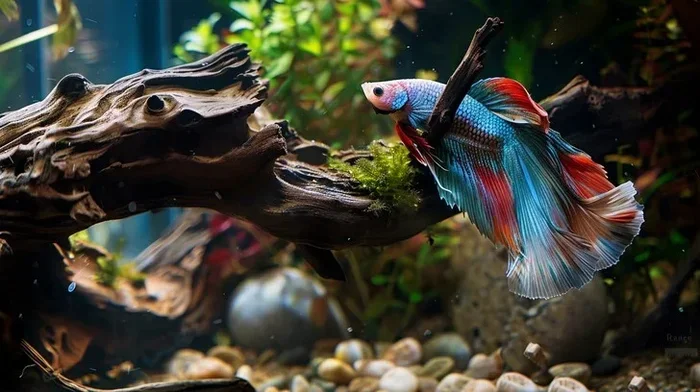
Live plants can help by absorbing some waste and giving your fish cover. If you use artificial plants, choose soft materials with smooth edges. Sharp decor can tear fins. That is painful and risky. Arrange plants and wood so your betta can swim through open areas and rest in quieter corners. A balanced layout feels natural and safe.
Lighting and Day-Night Rhythm
Fish do better with a steady light cycle. Too much light all day can feel harsh. Too little light can make the tank feel dull and hard to monitor. Aim for a regular schedule that mimics day and night. A simple timer can help. Turn the light on for a set period, then let the tank darken. This routine supports a calm rhythm for your fish and for you.
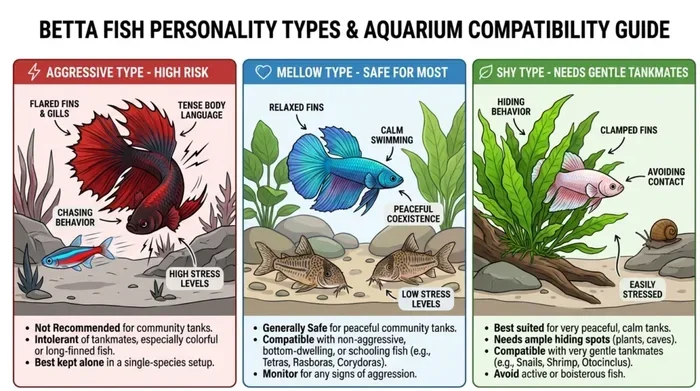
Tank Mates and Solitude
Bettas are often kept alone because they can be territorial. Some fish can live nearby without trouble, but careful choices matter. Fast, nippy, or overly bold tank mates can bother your betta. If you want company in the tank, pick calm, peaceful species and watch the interaction closely. If you are unsure, a single betta in a well-set tank is a safe and happy choice.
For more on this topic, see Can You Keep Betta Fish With Snails. It covers one common companion choice and what to watch for.
Common Mistakes With Environment
- Using sharp ornaments that can injure fins.
- Crowding the tank with too many items and too little swimming room.
- Leaving the light on all night and disrupting rest.
- Adding aggressive tank mates without observing behavior first.
How to Keep Betta Fish Healthy by Watching Daily Signs
Daily observation is one of the best tools you have. You do not need a degree in fish care. You just need to notice what is normal for your betta. Then you can spot changes early. Early action often prevents bigger problems.
What Healthy Behavior Looks Like
A healthy betta usually explores the tank, reacts to you, and eats with interest. Fins may flare during moments of excitement or defense. Color can look bright and clear. Breathing should look steady at the surface and through the gills. Your fish may rest on a leaf or the substrate, then swim again. These are good signs.
Warning Signs to Notice
- Clamped fins that stay close to the body.
- White spots, fuzzy patches, or red streaks on the body or fins.
- Gas for air at the surface more often than usual.
- Loss of appetite that lasts more than a day or two.
- Hiding constantly or staying in one corner.
When to Act
If you notice a change, start with the basics. Check the temperature. Check the water level. Look for leftover food or dirty substrate. Make a small water change if the tank looks off. Avoid big changes all at once. Calm, steady steps usually work better than sudden fixes. If a problem continues, remove the fish from the situation and seek advice from a knowledgeable source.
If you want to understand surface breathing better, you can read Do Betta Fish Have To Come Up For Air. It explains normal air gulping and when it may signal a problem.
How to Keep Betta Fish Healthy With Consistent Routine Care
Routine care does not have to be complicated. A short weekly plan keeps the tank stable and your fish comfortable. The idea is to stay ahead of mess and stress. You are not trying to make the tank perfect every day. You are trying to keep it steady.
A Simple Weekly Plan
- Check temperature and equipment at the start of the week.
- Look over your betta for color, fins, and activity.
- Remove visible debris and any uneaten food.
- Do a partial water change on a schedule that fits your tank.
- Rinse filter parts gently in old tank water if needed.
- Top off evaporation with treated water that matches the tank.
Cleaning Without Stress
Clean gently. Do not scrub everything at once. Helpful bacteria live on surfaces and in the filter. They support water quality. If you remove them all at once, the tank can struggle. Use a soft approach. Clean a little, observe, and repeat next time. This keeps the tank balanced and your betta calm.
Expert Insight
Many experienced keepers say consistency beats intensity. A modest routine done regularly works better than rare, heavy cleaning. The same idea applies to feeding and temperature. Small, repeatable actions protect your fish more than dramatic fixes. Think of care as a rhythm, not a rescue mission.
Key Takeaways for Daily Care
- Keep the routine simple so you can stick with it.
- Watch the fish, not just the tank, because behavior tells a story.
- Make changes slowly when something seems off.
- Keep notes on feeding, water changes, and behavior if you can.
How to Keep Betta Fish Healthy for the Long Term
Long-term care is really about patience. A betta can live well when the basics stay steady. You do not need perfect conditions. You need reliable ones. The tank should stay warm, the water should stay clean, and the food should stay appropriate. Add a calm layout and daily observation, and you have a strong care plan.
One helpful habit is to build a small checklist. Write down your feeding amount, your water change day, and your temperature range. A checklist reduces guesswork. It also helps when someone else cares for the tank in your absence. Clear notes make the routine easier to follow.
Another helpful habit is to avoid impulse changes. Do not add new fish on a whim. Do not swap decor late at night. Do not change the food brand suddenly if your betta is already eating well. If you want to make a change, do it gradually and watch the result. Slow changes protect your fish from surprise stress.
Finally, enjoy the process. A betta can be a relaxing companion. Watching it glide through the tank can make a room feel calmer. When you care for it well, you also build a skill that helps with other fish later. Good care is a habit, and habits grow with practice.
If you ever wonder whether your betta needs a companion or prefers solitude, you may find this useful: Do Betta Fish Have To Be Kept Alone. It can help you decide what fits your tank and your fish.
Common Mistakes to Avoid
A short list of mistakes can save you a lot of trouble. These are the issues many beginners face. Avoiding them makes care much easier.
- Starting with a tank that is too small and unstable.
- Skipping the heater in a room that gets cold.
- Feeding too much and leaving waste behind.
- Using strong cleaners or soap near the tank.
- Changing water in a rush without matching temperature or treating tap water.
- Ignoring early warning signs until the fish looks very sick.
If you want to learn more about cleaning safety, check Can You Use Soap To Clean A Betta Fish Tank. It explains why gentle cleaning matters and what to avoid.
Conclusion
Learning how to keep betta fish healthy is mostly about steady basics. Give your betta a stable tank, warm water, gentle filtration, and careful feeding. Keep the layout calm and safe. Watch daily behavior so you can notice changes early. Make small, regular updates instead of big, stressful fixes. When you do these things, you create a home where your betta can live with less stress and more comfort.
The best part is that this care plan is manageable. You do not need to be perfect. You just need to be consistent. Start with the tank size, set the temperature, choose simple food portions, and build a short routine. Over time, those habits become easy. Your betta will thank you with better color, better energy, and a longer, happier life.
Frequently Asked Questions
How often should I change the water for my betta fish?
A partial water change on a regular schedule usually works best. Many keepers replace a portion of the water once a week, but the exact timing depends on tank size, feeding, and filter use. Always use treated water that matches the tank temperature.
Can I keep my betta fish in a small bowl?
A small bowl is not ideal because water quality and temperature can change too quickly. A larger tank gives your betta more stable conditions and more room to swim. If you want the best chance of a healthy fish, choose a bigger setup with a heater and gentle filtration.
What temperature is best for a betta fish?
A steady temperature in the mid-70s to low 80s Fahrenheit is usually best. Consistency matters as much as the number itself. Use a reliable heater and check the water often so the temperature does not swing too much.
How much should I feed my betta fish each day?
Feed only what your betta can finish in a few minutes, usually once or twice a day. Remove uneaten food so it does not decay in the tank. If your fish looks bloated, reduce the portion and watch for improvement.
Do betta fish need a filter?
A filter can help by moving water and removing debris, but the flow should stay gentle. Bettas do not like strong currents. If you use a filter, adjust it so the water movement feels calm and comfortable for your fish.
What are the first signs that my betta fish is unwell?
Early signs can include faded color, clamped fins, hiding more than usual, or less interest in food. You may also notice more time at the surface or strange spots on the body. If you see these changes, check the water and temperature first, then make small corrections.